What a Belt Conveyor Take-Up Pulley Does
A belt conveyor take-up pulley is the rotating component that maintains the correct tension in the conveyor belt. It is a type of tension pulley, often called a take-up drum, and it works together with the take-up mechanism to compensate for belt stretch and load changes. Without proper tension, the belt can slip on the drive pulley or wander off the idlers. The take-up pulley keeps the belt in contact with the drive pulley and reduces sag between supports. It is a specialized tension pulley, not a drive, tail, or bend pulley.
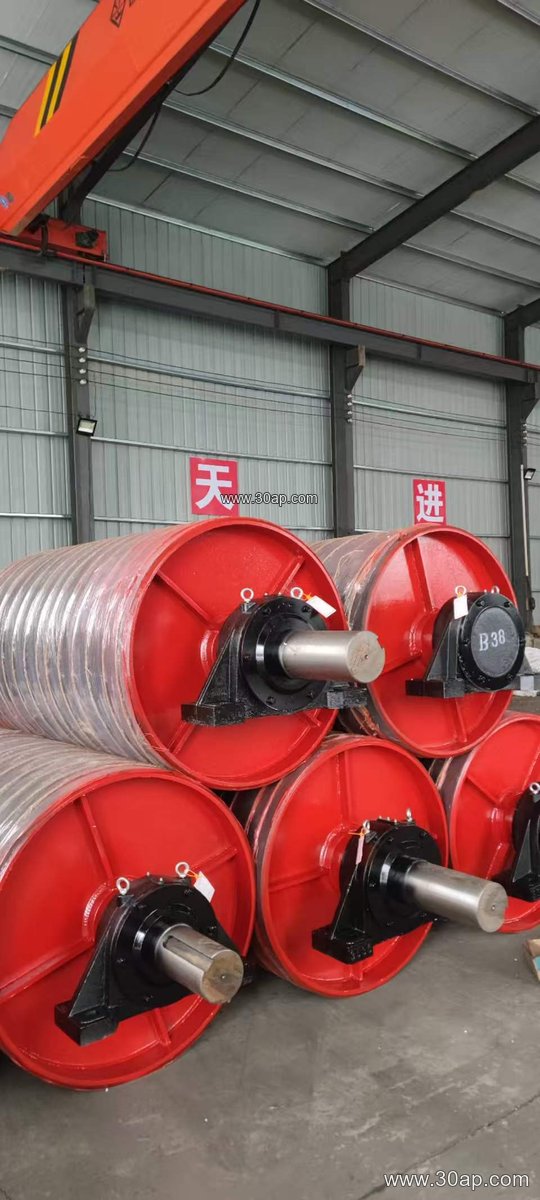
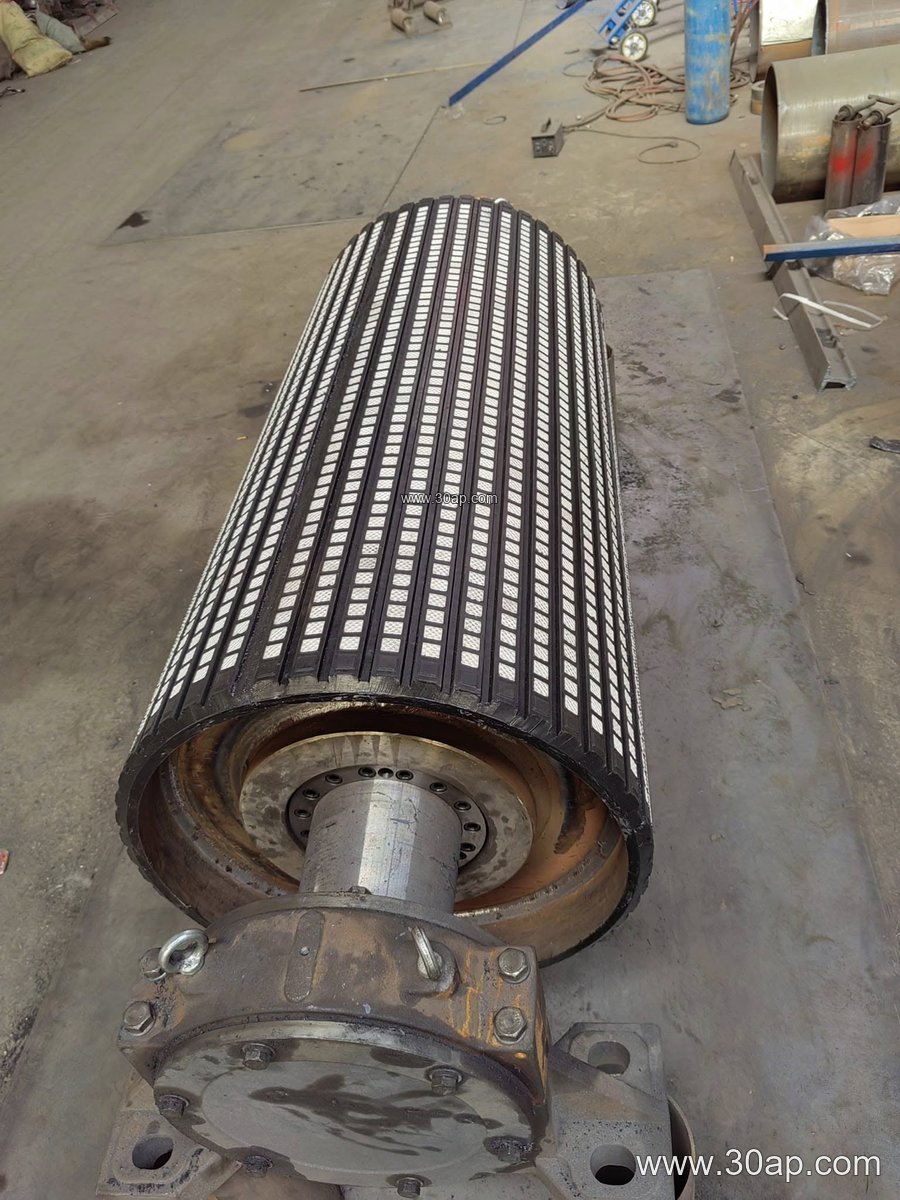
Construction and Common Configurations
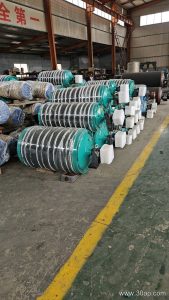
The take-up pulley is built around a steel drum with a shaft, bearing housings, and a surface that contacts the belt. Common diameters include Ø250, Ø315, Ø400, Ø500, Ø630, and Ø800 mm, with larger sizes such as Ø1000 or Ø1250 mm used on high-tension systems. Face width usually exceeds belt width: for a B800 belt, the face may be about 950 mm; for B1200, around 1400 mm. Shaft diameters are selected by torque and load, typically ranging from Ø80 to Ø160 mm, and should not be fixed by belt width alone. Surface options include plain, rubber lagged, and ceramic lagged, with lagging thickness of 8, 10, 12, 15, or 20 mm. The take-up pulley may be supplied with a slide base or a fixed bearing housing, depending on the take-up arrangement.
Where It Is Used
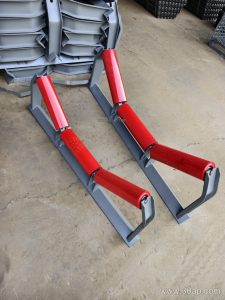
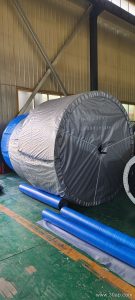
In a limestone quarry or a coal washing plant, the take-up pulley is often located at the tail end or in a vertical take-up tower. It works with the conveyor belt to absorb shock loads and keep the belt tracking. In a cement plant, a heavy-duty mining conveyor belt may run over a B1400 × Ø800 take-up pulley with rubber lagging to improve grip. The pulley also interacts with idler rollers and conveyor brackets, so alignment and bracket rigidity matter. In a power plant coal handling system, a flame retardant conveyor belt may be tensioned by a take-up pulley with a plain surface to avoid material buildup. The same component can be found in a port bulk terminal or a crushing and screening circuit, where an abrasion resistant conveyor belt demands stable tension.
Selection and Buyer Checklist
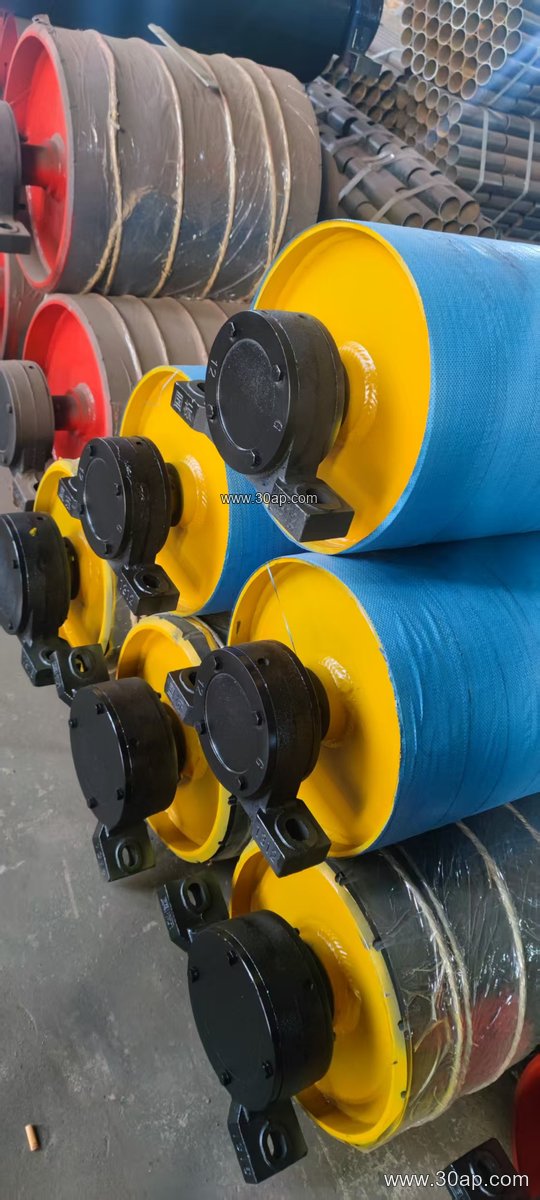
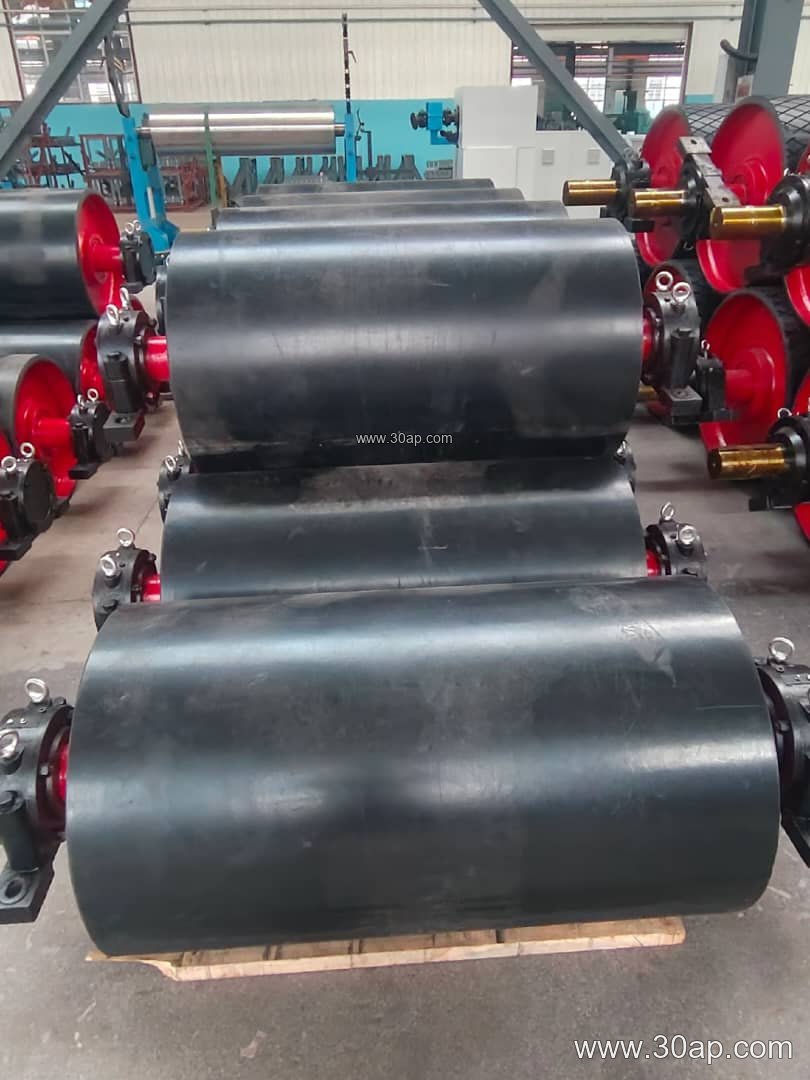
Buyers should confirm the belt width, the required take-up travel, and the load profile. A pulley for a B650 belt may use a Ø400 mm drum, while a B1600 system might use Ø1000 mm or larger; there is no single mandatory match. Check the shaft diameter against the calculated torque, not just the belt width. Lagging choice depends on environment: rubber lagging for general grip, ceramic lagging for high abrasion, and plain surface for sticky materials. The bearing type and sealing should suit dust and moisture. Ask for the pulley face width, lagging thickness, and balancing grade. The take-up pulley should be inspected for lagging wear, shaft alignment, and bearing condition during scheduled shutdowns.
Maintenance and Compatibility Notes
Regular tension checks prevent belt slippage and extend the life of the conveyor belt. If the take-up pulley is part of a gravity take-up system, verify that the slide base moves freely. In a steel plant or sinter plant, heat resistant conveyor belt may require a take-up pulley with heat-tolerant lagging. For an underground coal mining conveyor belt, flame retardant properties of the belt are critical, but the take-up pulley itself should be selected for the load and environment. Avoid mixing take-up pulleys with drive or tail pulleys during replacement; each has a distinct role. A well-matched take-up pulley, together with quality idler rollers and sturdy conveyor brackets, supports stable operation in quarry, cement, and bulk material handling industries.