What a 1500mm Conveyor Belt Is
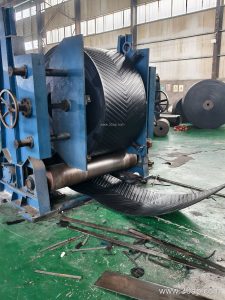
A 1500mm conveyor belt is a wide belting product built for conveying systems that need to move large volumes of bulk material in a single pass. The 1500mm figure refers to the belt width, a full 1.5 meters across the carcass, which places it among the wider standard sizes used in mining, quarrying, cement, power generation, and port handling. Because the belt is wide, it can carry a broader material stream, reduce the number of parallel lines on a plant layout, and support high tonnage without excessive belt speed.
In practice, buyers refer to this product as a 1500mm wide conveyor belt or a 1500mm conveyor belt, and it is normally specified together with the carcass type, cover grade, and top and bottom cover thickness. A 1500mm conveyor belt is not a single product; it is a width platform on which several constructions are available.
Construction and Common Configurations
The belt body is usually a fabric core or steel cord carcass covered with rubber. Fabric core versions may use EP (polyester-cotton) or NN (nylon-nylon) plies, while heavy-duty long-distance systems may use a steel cord carcass. Cover compounds are selected for the duty: abrasion resistant, heat resistant, oil resistant, flame retardant, anti-static, cold resistant, or acid and alkali resistant grades are all available in this width.
Common strength classes and cover builds for a 1500mm belt include the following reference values. These are typical ranges, not fixed universal specifications, and final values are set by design and by the manufacturer.
Reference Data for 1500mm Belting
- Fabric core strengths: EP200, EP315, EP400, EP500, EP630, EP800, EP1000, EP1250, EP1600
- Steel cord strengths: ST1000, ST1250, ST1600, ST2000, ST2500
- Cover thickness builds: 3+1.5 mm, 4+2 mm, 5+2 mm, 6+2 mm, 8+3 mm
- Carcass plies: commonly 2 to 6 for fabric core constructions
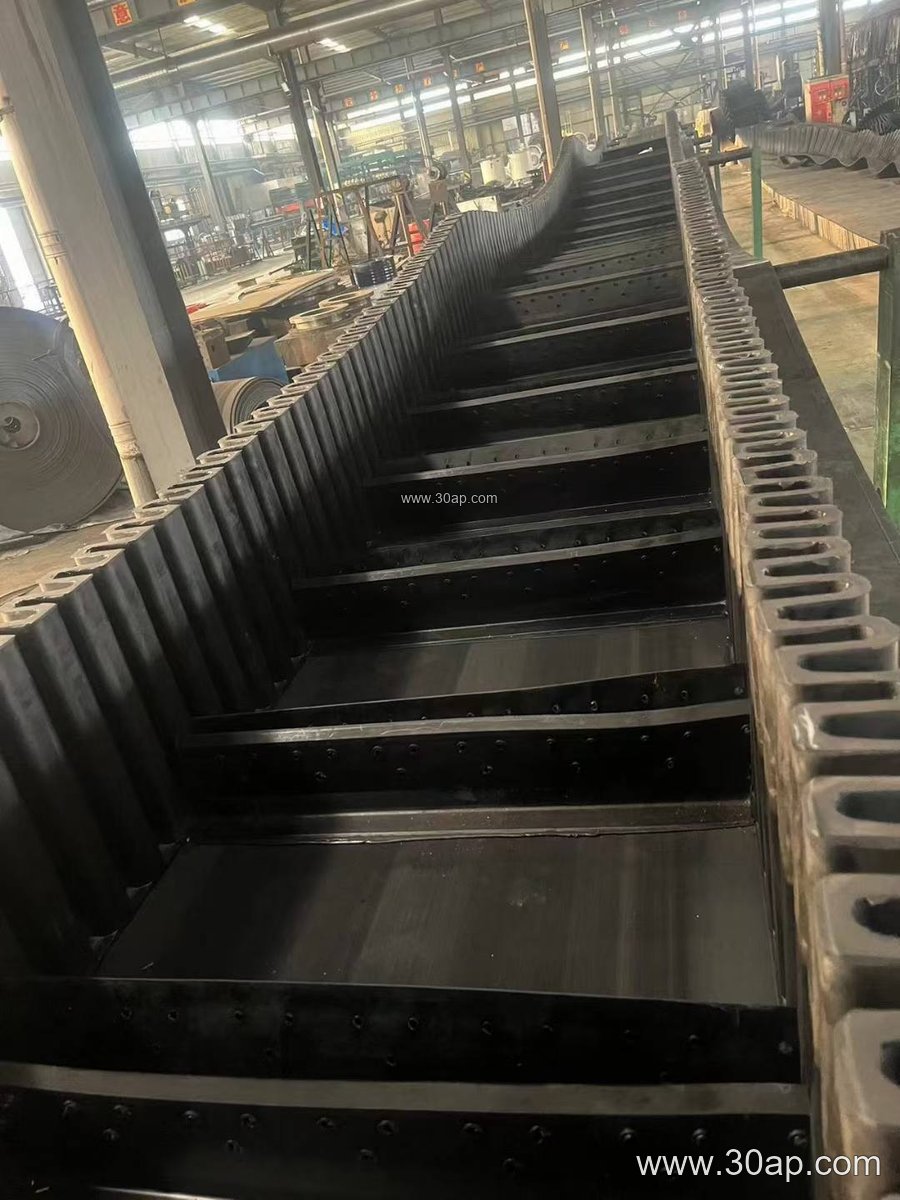
- Special forms: chevron, corrugated sidewall, skirted, and pipe conveyor belt designs
Where a plant handles hot clinker or sinter, a heat resistant conveyor belt in 1500mm width is often considered. For coal handling and underground work, flame retardant and anti-static grades are typical. For crushed rock and ore, a high abrasion resistant conveyor belt helps extend service life.
Where the Width Fits in a Conveying System
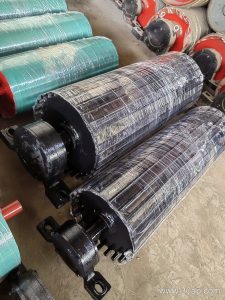
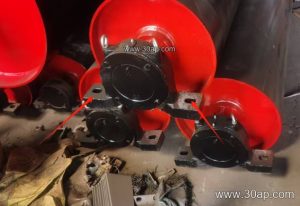
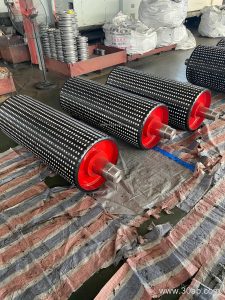
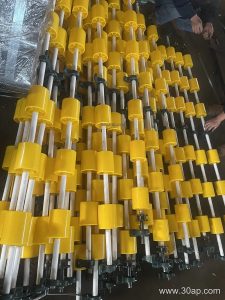
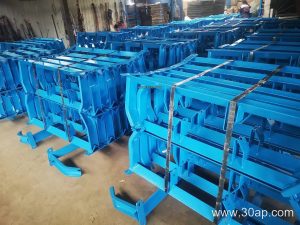
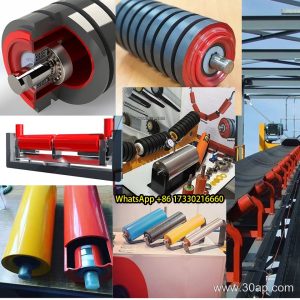
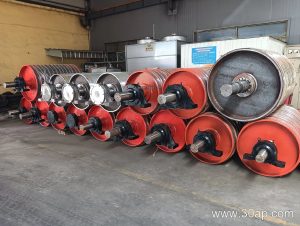
A 1500mm belt is generally matched to a conveyor frame with 1500mm wide idler roller sets, a head conveyor pulley and tail pulley sized to the belt and load, and conveyor bracket assemblies that hold the rollers in alignment. The belt, rollers, pulleys, and frame form one mechanical system, so the belt width should be confirmed against the pulley face width and the trough angle rather than treated on its own.
Typical industries include:
- Mining and ore handling, including iron ore, copper ore, and gold mining operations
- Coal mining and underground coal mining conveyors
- Cement plants and clinker lines
- Power plants and coal yards
- Quarries, aggregate plants, and stone crushing lines
- Ports and ship loading terminals
- Steel plants and bulk material handling yards
In these settings the belt often runs alongside a crusher conveyor belt line or a quarry conveyor belt circuit, and the 1500mm width supports high throughput with fewer transfer points.
What Buyers Should Confirm
Before ordering, confirm the material being carried, lump size, temperature, and whether the belt will run in a tunnel, on an incline, or outdoors in cold conditions. Check the required tensile strength against the conveyor length and lift, and confirm the cover grade against wear, heat, oil, or flame exposure. Ask for the carcass type, number of plies, cover thickness, and edge construction in writing.
Also verify the pulley diameters and idler roller spacing with the conveyor designer. Belt width alone does not determine pulley diameter or shaft size, so those details should come from the actual conveyor calculation. For inclined sections, a chevron or corrugated sidewall design may be compared with a standard smooth belt, but the final choice depends on the angle and the material.
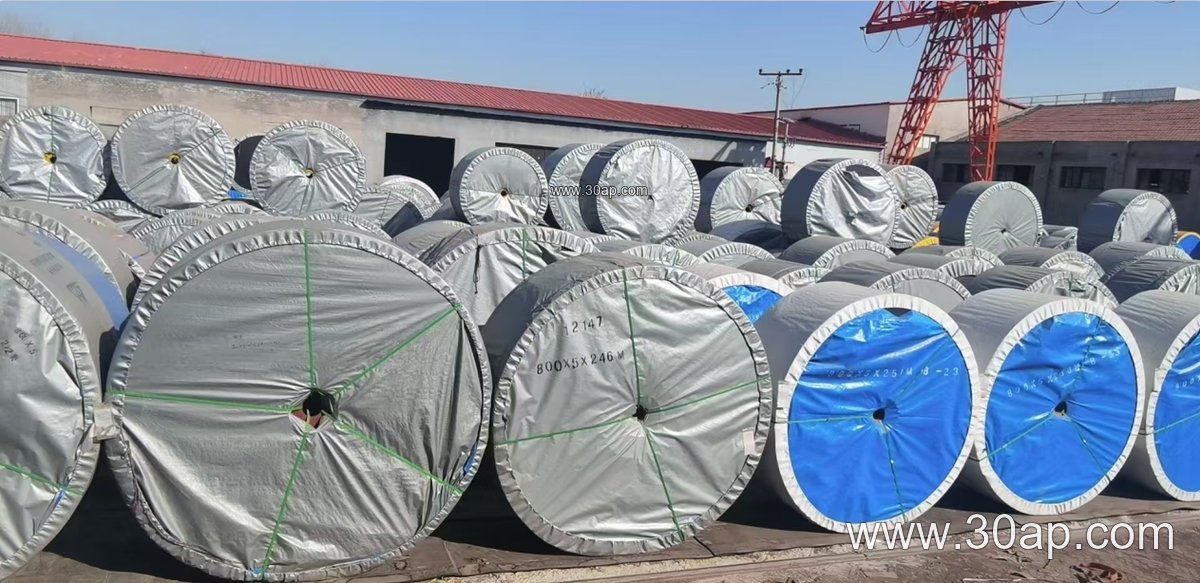
Finally, plan storage and splicing. Wide belts need adequate space for handling, and the splice method should match the carcass type. A 1500mm conveyor belt is a significant capital item in a bulk handling line, so matching the specification to the duty is more valuable than choosing on width alone.