What a Heavy-Duty Conveyor Belt Is
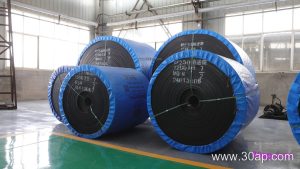
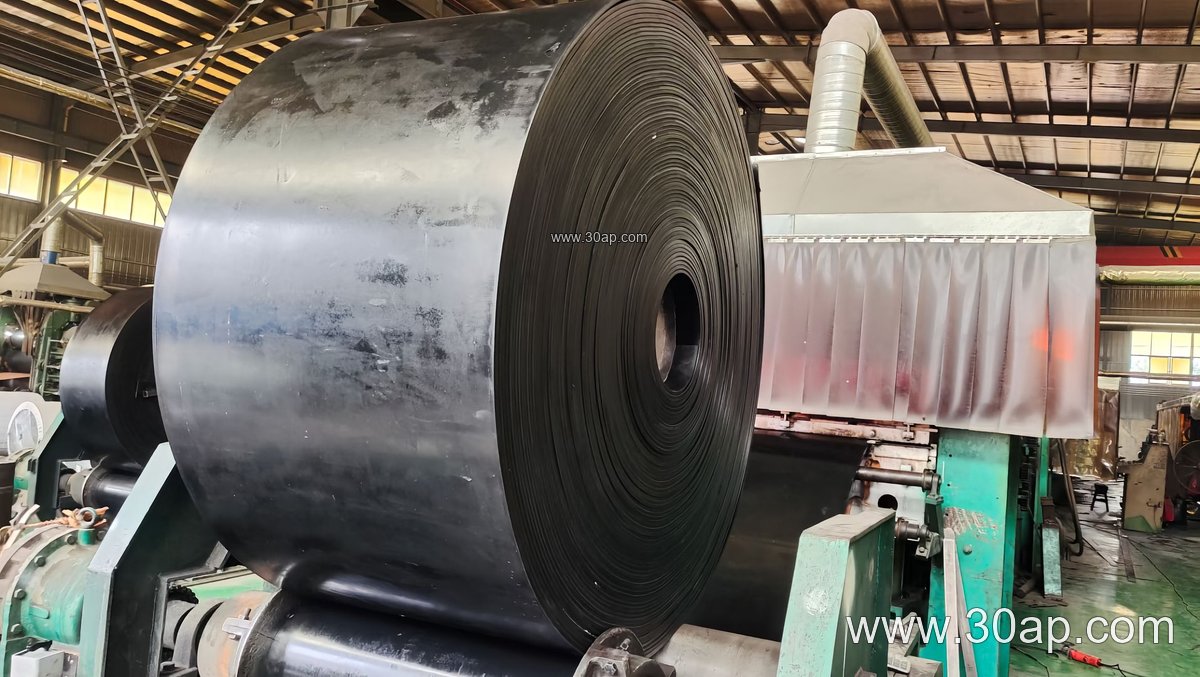
A heavy-duty conveyor belt is the load-bearing component of a bulk handling system designed for high tonnage, abrasive materials, and continuous operation. Unlike a general-purpose belt, it combines a strong tension-bearing carcass with thick, tough rubber covers and often with reinforced edges. In quarry, mining, cement, and power plant circuits, this belt carries crushed rock, ore, clinker, and coal over long distances and steep inclines. The same product is also called a high-strength conveyor belt or heavy-duty rubber conveyor belt, depending on the supplier and the construction.
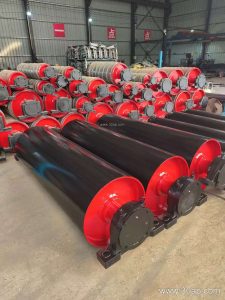
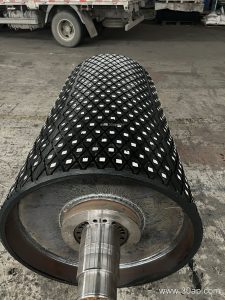
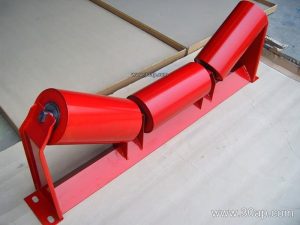
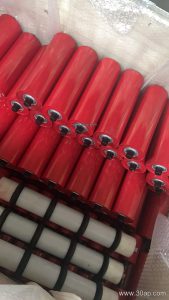
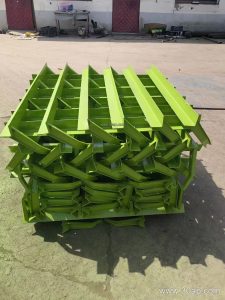
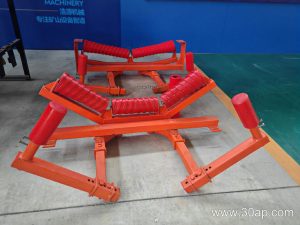
The belt works with conveyor pulleys, idler rollers, and conveyor brackets to form a complete conveyor. Drive pulleys transmit power, tail pulleys return the belt, and bend pulleys change its path. These are separate components and are not interchangeable with the belt itself.
Construction and Key Components
The carcass provides tensile strength and resistance to impact. Common options include EP conveyor belt (polyester-cotton), NN conveyor belt (nylon-nylon), and steel cord conveyor belt. EP and NN are fabric core conveyor belt families; multi-ply fabric core conveyor belt constructions use several fabric layers for heavy loads. Steel cord belts use brass-plated wires for very high tension and long center distances.
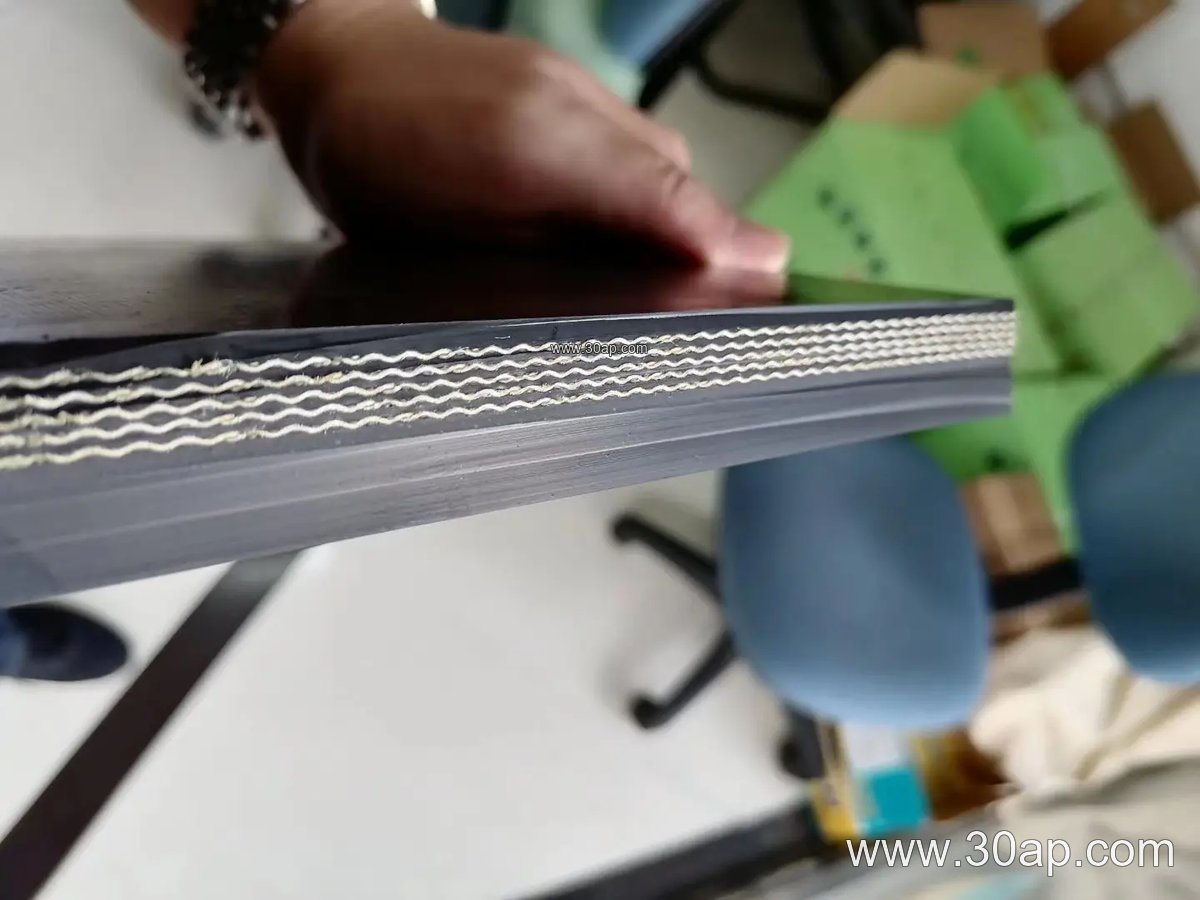
Covers protect the carcass. A typical heavy-duty belt uses abrasion resistant conveyor belt compounds, and may also be heat resistant, oil resistant, flame retardant, or cold resistant. Edge construction matters too: some belts use reinforced edges for stability on long flights. In underground coal mining, fire resistant and anti-static properties are often specified.
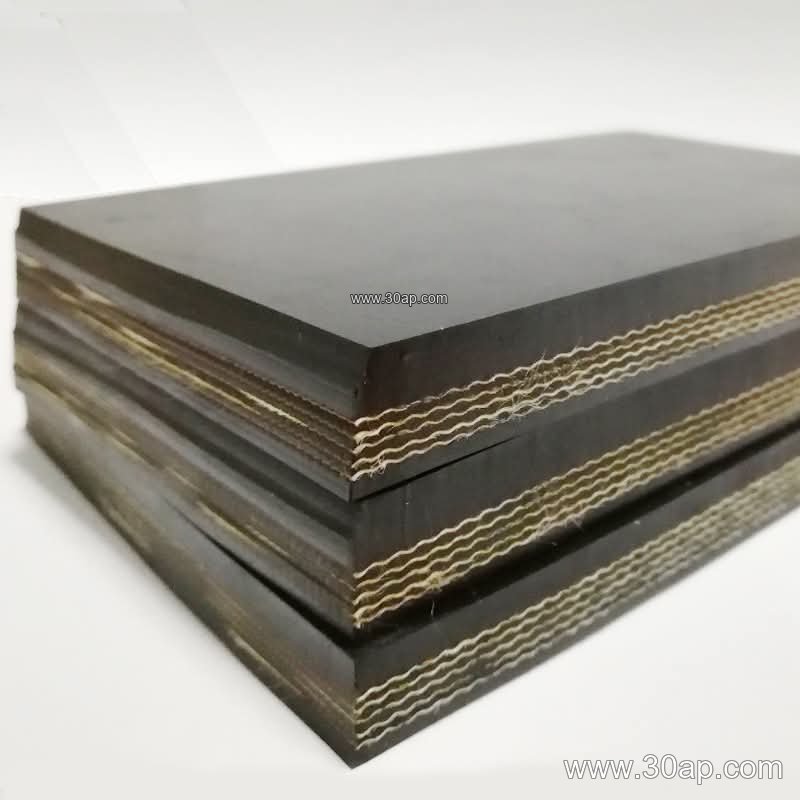
Common cover thickness combinations include 4+2 mm, 5+2 mm, 6+2 mm, and 8+3 mm. Carcass plies usually range from 2 to 6 layers in fabric constructions. These figures are typical references, not fixed rules for every conveyor.
Where It Is Used
Mining conveyor belt duties include primary crushing discharge, overland haulage, and underground mining conveyor belt sections. A coal mining conveyor belt may need flame retardant and anti-static covers. In cement plants, heavy-duty belts move limestone, clinker, and cement; heat resistant grades help where material temperature is elevated. Power plants use them for coal and ash handling. Quarries and aggregate operations rely on abrasion resistant belt grades for crushed stone, while iron ore and copper ore duties often call for high-strength constructions.
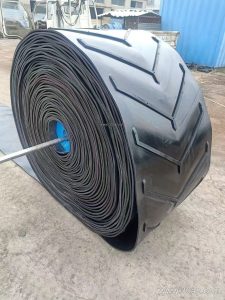
Ports, ship loading, recycling, and construction sites also use heavy-duty bulk material conveyor belt designs. Where space is tight or the route curves, a pipe conveyor belt or corrugated sidewall belt may be considered. Chevron conveyor belt profiles help on inclines, and skirted conveyor belt edges contain material at transfer points. These are different subtypes and only relevant when the layout demands them.
Widths, Strength Grades, and Reference Data
Belt width is selected to suit the material size, tonnage, and conveyor structure. Common widths include 650 mm, 800 mm, 1000 mm, 1200 mm, 1400 mm, 1600 mm, 1800 mm, and 2000 mm. Wide conveyor belt and extra-wide conveyor belt options exist for large capacity systems. Strength grades for EP belts include EP200, EP400, EP630, EP800, EP1000, EP1250, and EP1600. Steel cord grades include ST1000, ST1600, ST2000, and ST3150. The table below shows representative combinations for reference only.
| Type | Common Strength Grades | Typical Widths | Typical Cover Thickness |
|---|---|---|---|
| EP conveyor belt | EP200, EP400, EP630, EP800, EP1000, EP1250, EP1600 | 650–2000 mm | 4+2, 5+2, 6+2, 8+3 mm |
| NN conveyor belt | NN100, NN200, NN300, NN400 | 650–1800 mm | 4+2, 5+2, 6+2 mm |
| Steel cord conveyor belt | ST1000, ST1600, ST2000, ST3150 | 800–2000 mm | 6+2, 8+3 mm |
| PVG conveyor belt | PVG800, PVG800S | 800–1400 mm | By design |
These values are reference data. Actual selection depends on the conveyor design, pulley diameters, idler roller spacing, and operating conditions.
Buyer Checklist
- Confirm material type, lump size, temperature, and abrasiveness.
- Check the required tension grade and safety factor with the conveyor designer.
- Match cover thickness and grade to impact and wear conditions.
- Verify flame retardant, anti-static, or oil resistant requirements for the site.
- Specify belt width and edge type to suit the conveyor pulley and bracket layout.
- Ask for cut-edge or molded-edge construction where belt tracking matters.
For more information on heavy-duty conveyor belt options, visit heavy-duty conveyor belt and review related conveyor pulley and idler roller data before finalizing the specification.