What a Ceramic Lagged Pulley Does
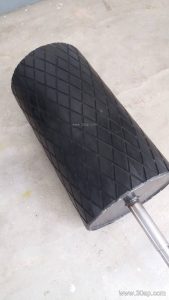
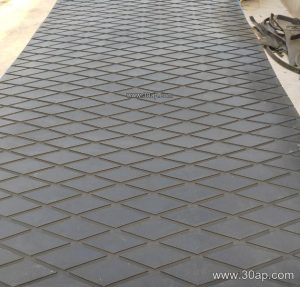
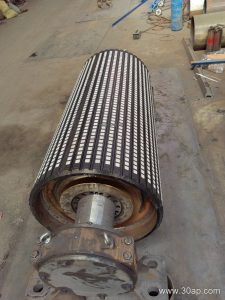
A wear-resistant ceramic lagged pulley is a conveyor pulley whose shell is covered with ceramic tiles set in a rubber or polymer backing. The ceramic studs sit slightly proud of the backing and grip the belt, while the rubber cushions the belt and seals out fines. In heavy abrasive service, this covering is often called ceramic lagging, ceramic pulley lagging or ceramic rubber lagging, and all of these names describe the same product.
The purpose is simple: transfer torque from the pulley to the conveyor belt without slipping, and do it for a long time in conditions that would polish smooth rubber lagging away. In a quarry or a sand and aggregate line, grit works under the belt and acts like sandpaper. A plain rubber surface may last months; a ceramic surface can keep its bite far longer because the ceramic takes the abrasion and the rubber holds the tiles in place.
How the Covering Is Built
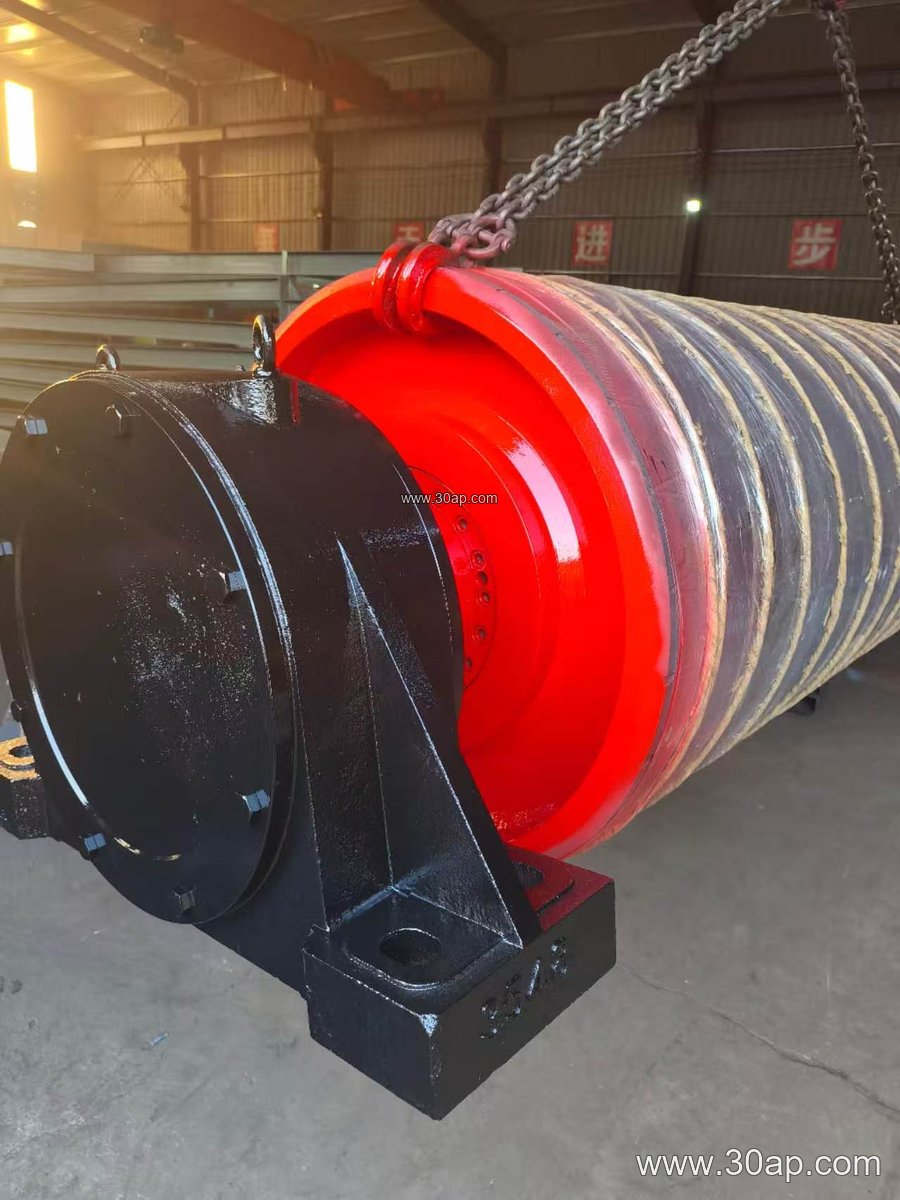
The pulley body is usually a steel drum with welded end discs and a shaft, machined and balanced before covering. The lagging itself is a composite: small alumina ceramic tiles, often with raised dimples or a hexagonal shape, bonded into a rubber sheet. The sheet is then applied to the shell, either by hot vulcanisation in an autoclave or by cold bonding with a two-part adhesive. Hot vulcanised covering generally gives the strongest bond and is preferred where the pulley sees high torque and frequent wet conditions.
Thickness is commonly 8, 10, 12, 15 or 20 mm depending on the duty. Tile size, pattern and spacing vary by maker, so buyers should ask for the tile dimensions and the hardness of the rubber rather than assuming all ceramic lagging is equal. A well-made covering should have tiles fully encapsulated, with no exposed edges that can lift and peel.
Where It Fits in the Plant
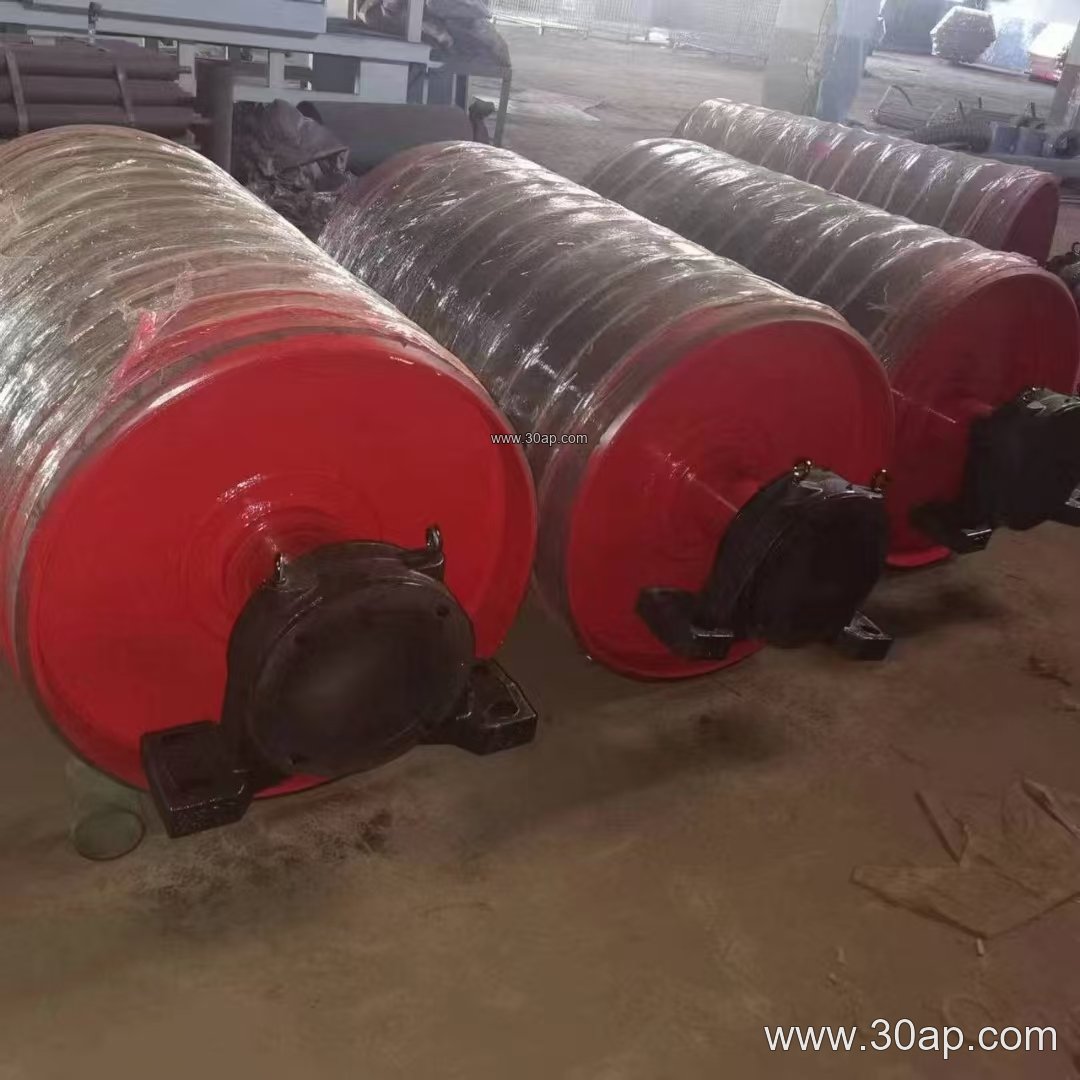
This covering is most often specified on the drive pulley, because that is where slip and wear concentrate. It also appears on bend and snub pulleys in long conveying systems, and on tail pulleys in dusty transfer points where belt tracking matters. It is not a substitute for a drive pulley or a tail pulley by name; the position and the load path decide which pulley type is needed, and ceramic lagging is simply a surface choice on that pulley.
Typical duty includes iron ore and copper ore handling, limestone and clinker lines in cement plants, coal handling in power stations, and crushing and screening circuits. In these places a heavy-duty mining conveyor belt or an abrasion resistant conveyor belt runs at high tension, and the pulley surface has to hold grip without damaging the belt cover. Ceramic lagging works well with EP conveyor belt constructions and with steel cord conveyor belt grades such as ST1600 or ST2000 where starting torque is high.
Sizes and Matching to the Belt
Pulley dimensions follow the conveyor design, not a fixed table. The shell width is normally a little wider than the belt, and common combinations include B800 x Ø500, B1200 x Ø1000 and B1400 x Ø800. Diameter is chosen from belt tension, wrap angle and shaft strength, not from belt width alone, and shaft diameter is set by torque and bearing load.
| Belt width (common) | Approximate shell face width | Example diameter range |
|---|---|---|
| B500 | 600 mm | Ø250 to Ø400 |
| B650 | 750 mm | Ø315 to Ø500 |
| B800 | 950 mm | Ø400 to Ø630 |
| B1000 | 1150 mm | Ø500 to Ø800 |
| B1200 | 1400 mm | Ø630 to Ø1000 |
| B1400 | 1600 mm | Ø800 to Ø1250 |
| B1600 | 1800 mm | Ø1000 to Ø1400 |
These figures are indicative only. A B1200 conveyor might use a smaller pulley at a bend point and a much larger one at the drive, and neither choice can be read from the belt width by itself. Lagging thickness also adds to the finished diameter, so check the installed diameter before setting belt take-up travel.
Buyer Checklist
- Confirm the pulley position, drive, tail, bend or snub, and the expected torque and belt tension.
- Ask for the ceramic tile pattern, tile hardness and rubber hardness, plus the bonding method.
- Check that the covering is crowned or flat as required by the belt tracking design.
- Review shaft diameter, bearing size and keyway against the actual load, not against belt width.
- For coal or underground work, confirm the flame retardant and anti-static properties of the rubber component.
- Plan inspection: look for lifted tiles, worn edges and polishing of the ceramic surface, and re-lag before the belt starts to slip.
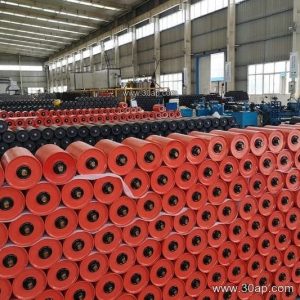
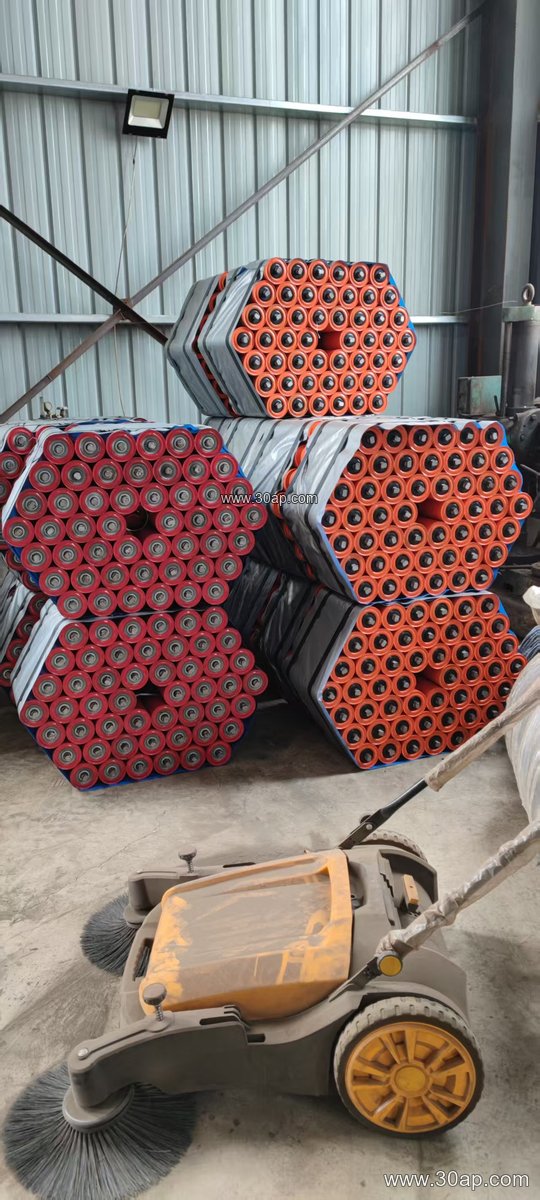
A ceramic lagged pulley costs more than a plain rubber one, but in abrasive plants it usually pays back through fewer belt changes and steadier tracking. Pair it with well-aligned conveyor idler roller sets and sound conveyor brackets, and the whole conveyor run becomes calmer and longer lasting.