What the Carrying Bracket Does on a Belt Conveyor
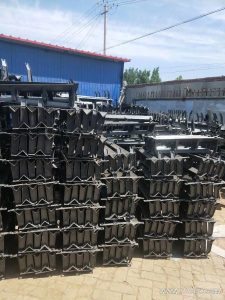
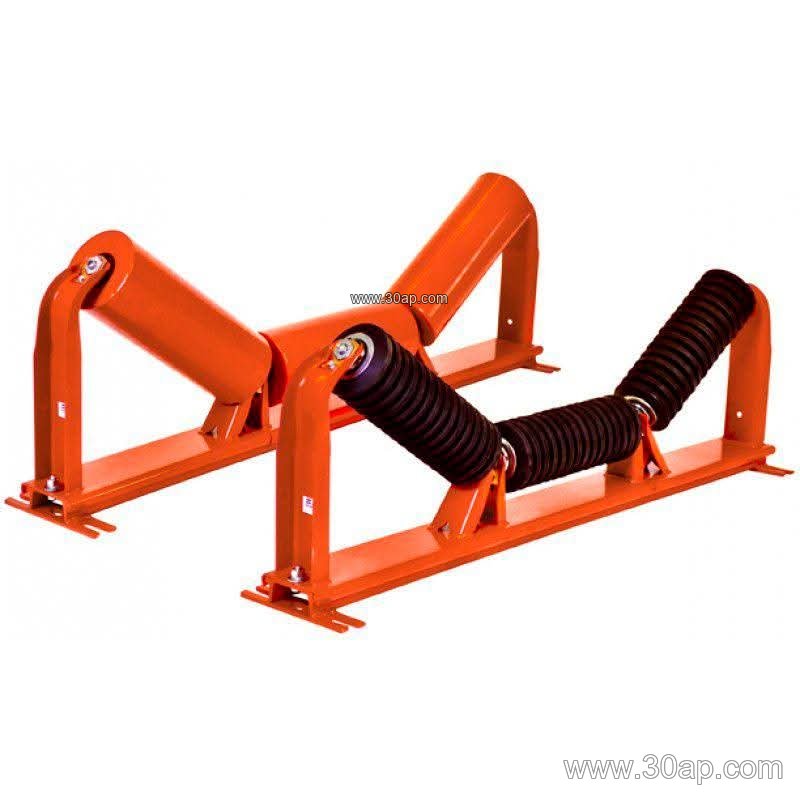
A conveyor carrying bracket is the steel frame that holds the troughing idlers on the loaded side of a belt conveyor. It sits between the conveyor stringers, supports the idler roller shafts at the chosen trough angle, and keeps the belt in a stable U shape so bulk material stays centered during travel. In many plants the part is simply called a troughing idler bracket or a carrying idler frame, but it is the same item: the bracket that carries the upper run.
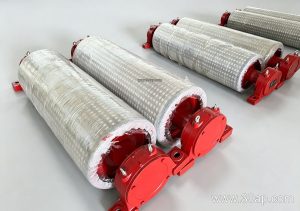
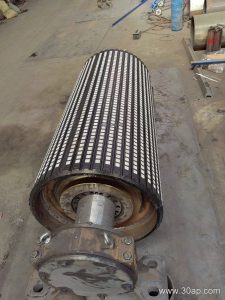
The bracket is not a pulley. Drive, tail and bend pulleys handle power transmission and belt direction, while the carrying bracket only positions idlers under the belt. Mixing these roles up leads to wrong spare parts orders, so keep the names separate when specifying.
How a Carrying Idler Frame Is Built
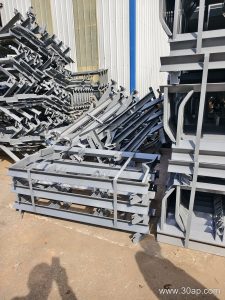
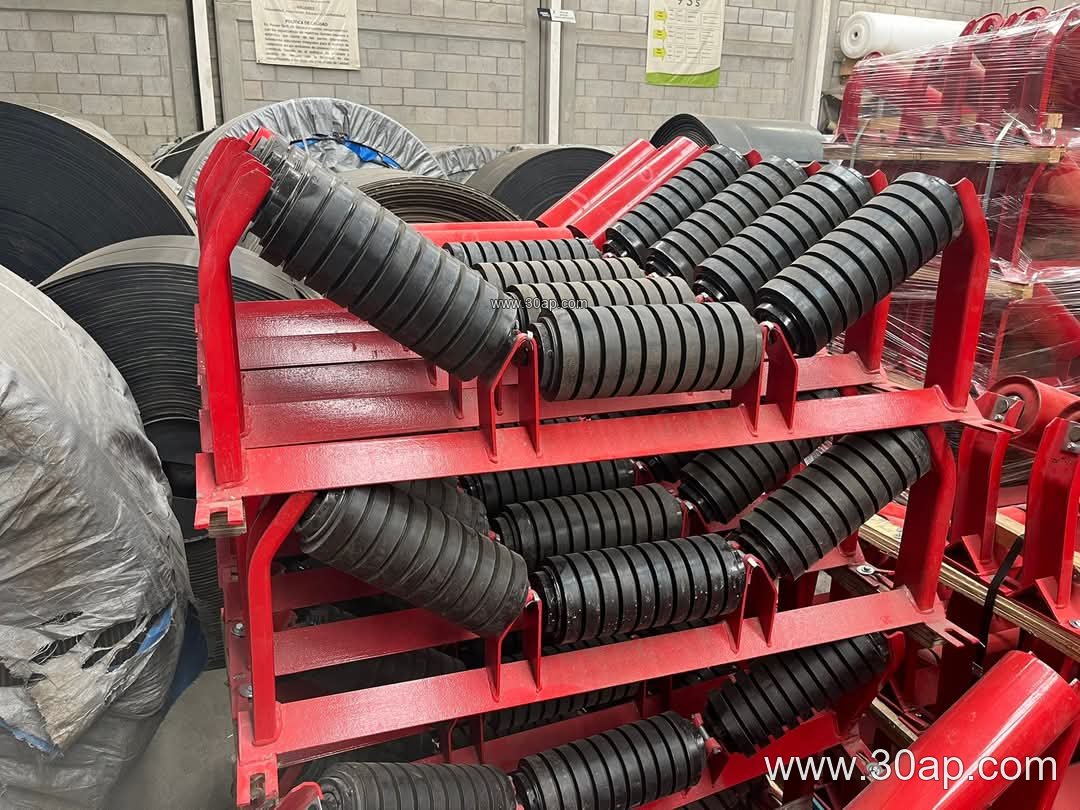
Most frames are fabricated from angle steel, channel steel or folded steel plate, then drilled or punched for idler shaft ends. A typical three-roll station has two inclined wings and a flat center section, welded or bolted to a cross beam. The wings set the trough angle, and the mounting hole spacing follows the belt width and the design of the idler set.
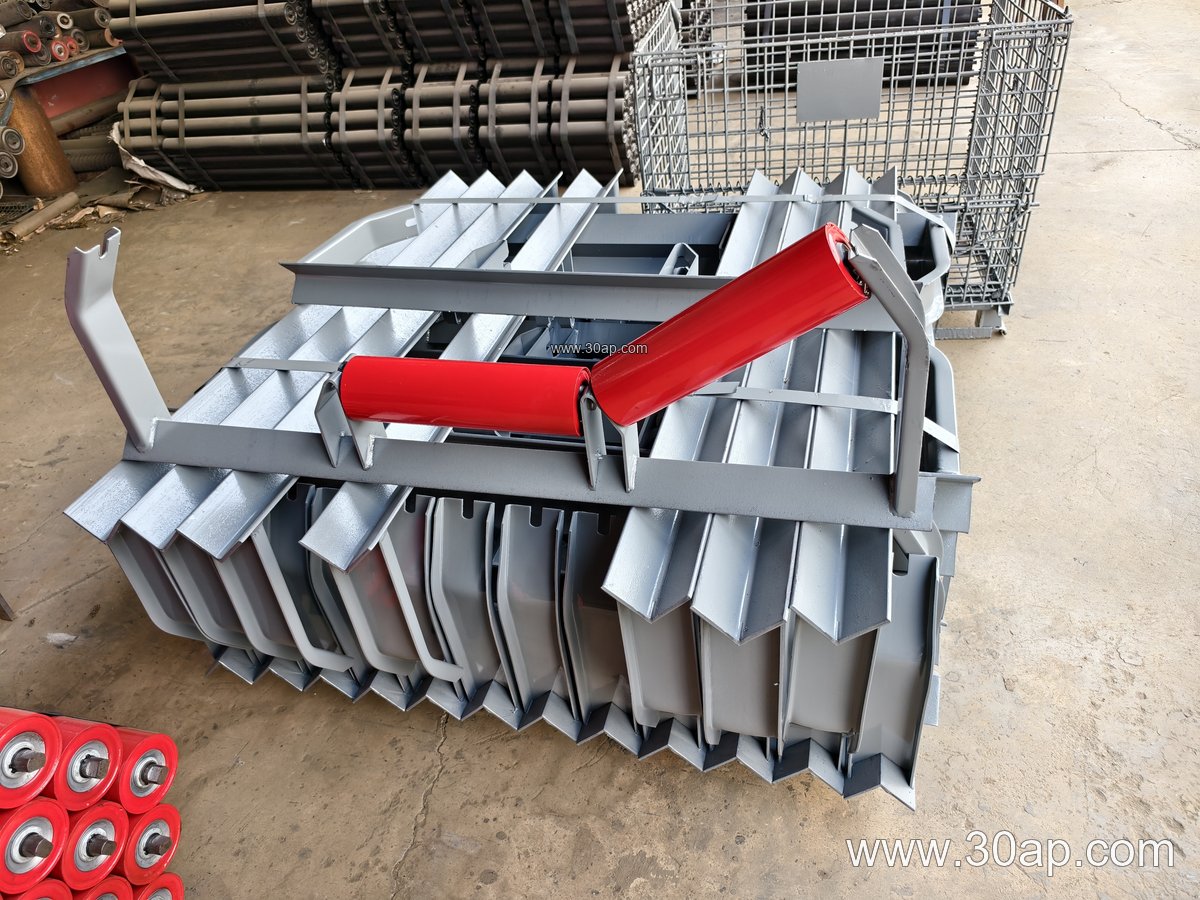
- Material: angle steel, channel steel, or bent plate
- Common trough angles: 20, 30, 35 and 45 degrees
- Adjustable versions allow the wing angle to be changed within a range
- Forward-tilted designs often use about 1.5 to 2 degrees of lead
- Roller diameters commonly seen: Ø89, Ø108, Ø133, Ø159 and Ø194
Surface treatment matters in dusty or wet conditions. Painting, galvanizing or powder coating are common choices, and the fixings should allow idlers to be replaced without cutting the frame.
Matching Belt Width, Trough Angle and Roller Diameter
Belt width and bracket geometry are linked, but they are not a one-to-one rule. A B800 belt may run at 30 or 35 degrees with Ø108 or Ø133 idlers depending on capacity and material. A B1200 station might use 45 degrees and Ø133 rollers in a high-tonnage quarry line, or a gentler angle for a fragile product. The table below shows reference combinations only; final values should come from the conveyor design.
| Belt width | Typical trough angle | Typical roller diameter |
|---|---|---|
| B500 | 20 to 30 degrees | Ø89 |
| B650 | 30 degrees | Ø89 to Ø108 |
| B800 | 30 to 35 degrees | Ø108 |
| B1000 | 35 degrees | Ø108 to Ø133 |
| B1200 | 35 to 45 degrees | Ø133 |
| B1400 | 35 to 45 degrees | Ø133 to Ø159 |
| B1600 | 35 to 45 degrees | Ø159 |
| B1800 to B2200 | 35 to 45 degrees | Ø159 to Ø194 |
Do not assume a single shaft diameter from belt width alone. Shaft size depends on load, idler series and frame design, so confirm it against the idler drawing.
Where These Frames Are Used
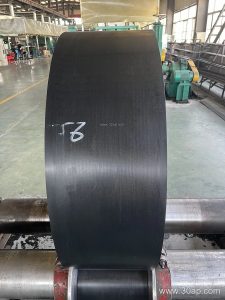
Carrying brackets appear wherever a belt carries loose material. In a limestone quarry or a sand and gravel line they support the upper run after crushing and screening. In a coal preparation plant and a power station coal yard they work with flame retardant and anti-static belting, often alongside a rubber conveyor belt or an EP conveyor belt on the same route. Cement plants use them on clinker and raw meal lines, where heat resistant grades may be needed near kiln discharge.
Other users include iron ore handling, steel plant sinter lines, port ship loading systems, fertilizer plants and grain silos. The bracket itself is the same idea across these sites; the belt and idler selection changes with the duty.
Fixed, Adjustable and Special Carrying Brackets
Fixed frames hold one trough angle and suit steady, well-understood duties. Adjustable brackets let maintenance teams fine-tune the trough profile when material changes or when belt training needs correction. Transition brackets near the tail pulley ease the belt from flat to troughed, while impact brackets with cushion idlers sit under loading points in crusher and transfer stations.
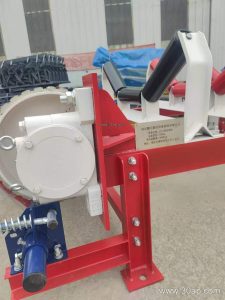
Self-aligning and forward-tilted frames are used where belt wander is a concern. They are still carrying brackets, but they add a training function. Compare them with return brackets, which support the empty strand and are a different part of the conveyor.
Buyer Checklist
- Confirm belt width and required trough angle before ordering.
- Check idler shaft end size and mounting hole spacing against the drawing.
- State the material, coating and whether the frame is fixed or adjustable.
- Ask for the cross beam length, since it varies with width and angle.
- Keep spare idlers and frames matched to the same series to avoid fit problems.
A correctly chosen conveyor carrying bracket keeps the belt profile steady, reduces spillage and makes idler changes quicker on any bulk handling line.