What a Fabric Core Conveyor Belt Is
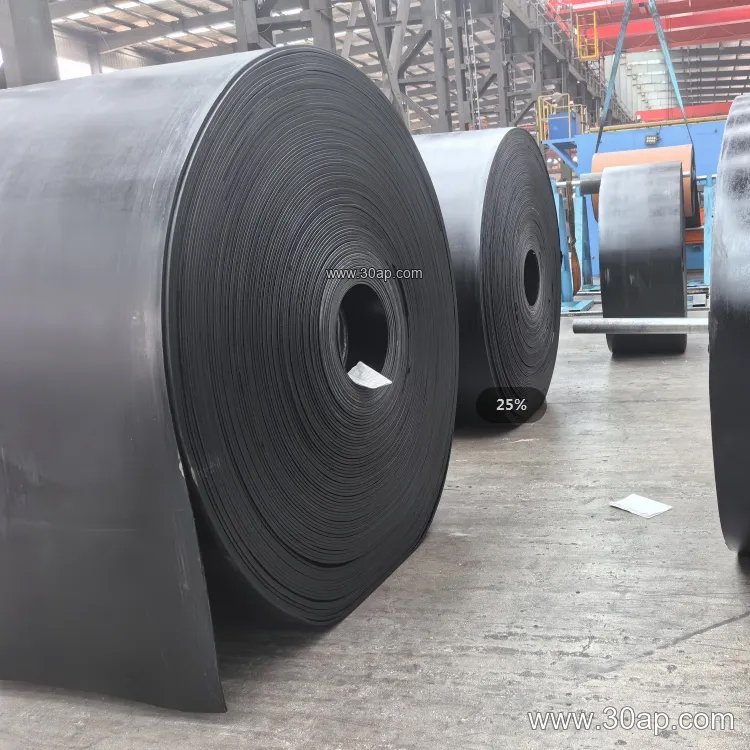
A fabric core conveyor belt is a composite product in which woven textile plies carry the tension load while rubber or PVC covers protect the carcass and grip the material. The textile core is usually made from polyester warp and polyamide weft, which is why the abbreviation EP is common, or from nylon warp and nylon weft, known as NN. Both constructions belong to the same product family, and buyers often refer to the EP version as an EP fabric core conveyor belt and the nylon version as an NN conveyor belt. The carcass gives the belt its tensile strength and its ability to trough around idler rollers and return around conveyor pulleys.
Where a fabric belt reaches its practical strength ceiling, a steel cord conveyor belt is sometimes considered instead, because steel cords can carry higher tensions in a thinner profile. That is a comparison, not a substitute: the fabric core belt remains the standard choice for most bulk material conveyor lines in mines, quarries, cement plants, power stations and sand and gravel yards.
How the Belt Is Built
A typical build consists of two to six fabric plies bonded with skim rubber, a top cover and a bottom cover. Common cover thickness combinations include 3+1.5 mm, 4+2 mm, 5+2 mm, 6+2 mm and 8+3 mm. The covers determine how the belt handles abrasion, heat, oil, flame and cold, while the plies determine tensile strength. Edge construction, whether cut edge or moulded edge, affects sealing and resistance to water ingress on outdoor installations.
Strength Grades You May See
EP grades are normally quoted as EP100, EP200, EP315, EP400, EP500, EP630, EP800, EP1000, EP1250, EP1600 and EP2000. NN grades follow a similar scale, from NN100 up to NN400 and beyond. The number relates to the nominal tensile strength of the carcass per unit width, and the required grade is calculated from the duty of the conveyor rather than chosen by habit.
Reference Data for Early Planning
| Item | Common Range |
|---|---|
| Carcass type | EP fabric, NN fabric |
| Number of plies | 2 to 6 |
| Top and bottom cover | 3+1.5, 4+2, 5+2, 6+2, 8+3 mm |
| Belt width | B500, B650, B800, B1000, B1200, B1400, B1600, B1800, B2000 |
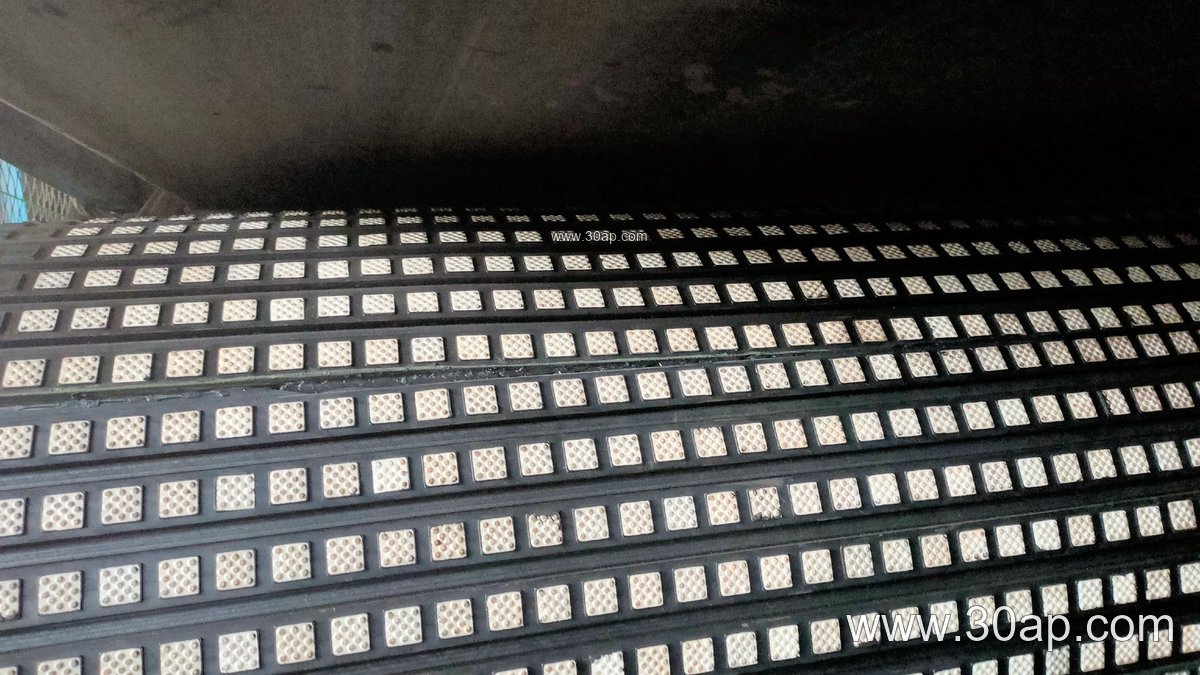
| Special covers | Abrasion resistant, heat resistant, oil resistant, flame retardant, anti-static, cold resistant |
These figures are reference values. Actual construction is confirmed by the manufacturer against the conveyor design, and a wider belt does not automatically dictate a particular pulley diameter.
Where It Fits in the Plant
Fabric core belts appear on primary and secondary crushing lines, screening decks, stockpile feed conveyors, cement kiln feed systems and coal handling plants. In a quarry conveyor belt duty, sharp rock and heavy impact favour a thick abrasion resistant cover and enough plies to absorb lump impact. In a coal mining conveyor belt application, flame retardant and anti-static properties are usually specified, and the belt is often matched to the fire resistant requirements of the mine. A cement plant conveyor belt moving clinker needs heat resistance, while a power plant conveyor belt handling coal may need both flame retardancy and abrasion resistance.
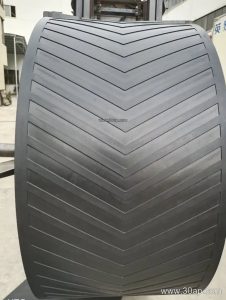
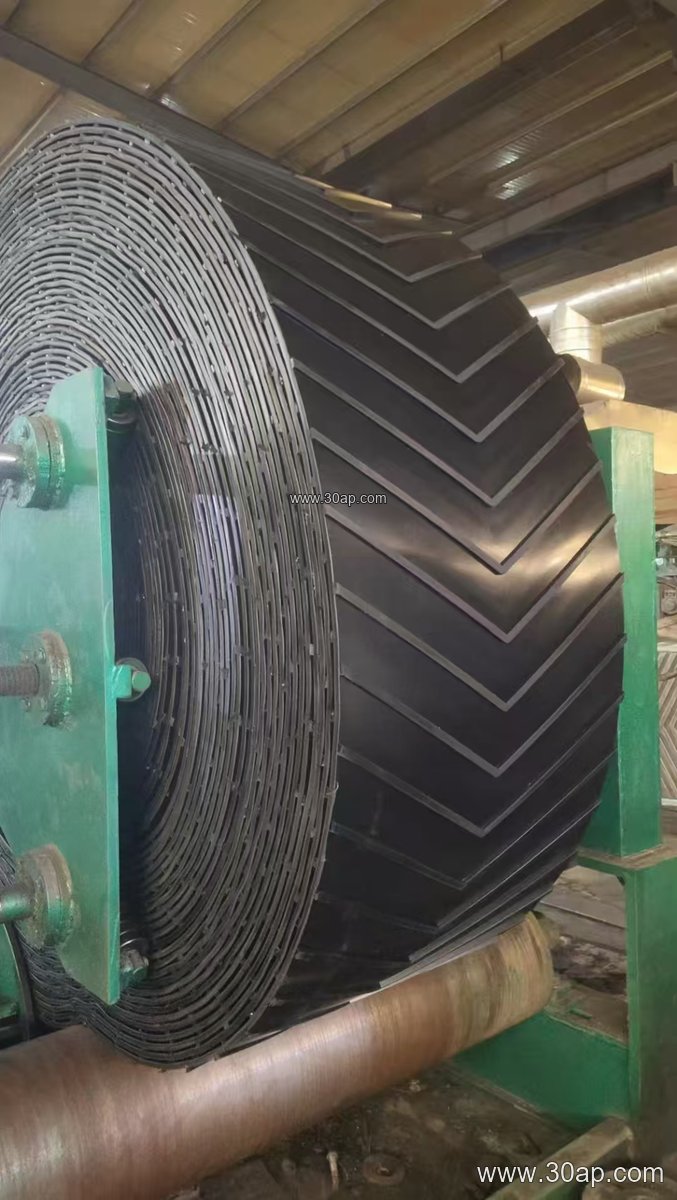
Other industries use the same family with different covers: a food grade conveyor belt in processing, an oil resistant conveyor belt in recycling and metalworking, and a cold resistant conveyor belt in northern or high-altitude sites. Textile plants that need to prevent material spillage may add a chevron conveyor belt profile or a corrugated sidewall conveyor belt, but those are profile variations of a fabric carcass rather than a different core type.
Choosing the Right Belt
- Calculate the maximum working tension and select the EP or NN grade with a sensible safety margin.
- Match the cover compound to the material: abrasive ore, hot clinker, oily scrap or wet coal.
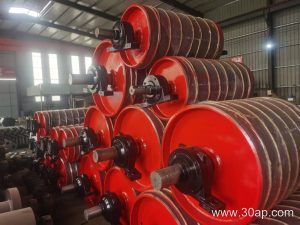
- Check the smallest pulley diameter against the carcass flexibility recommended for the ply count.
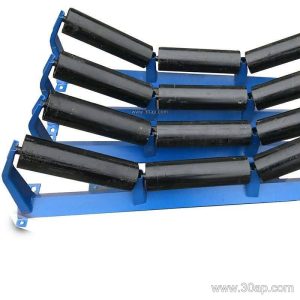
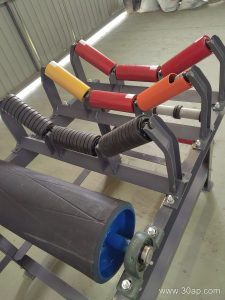
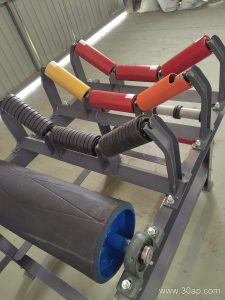
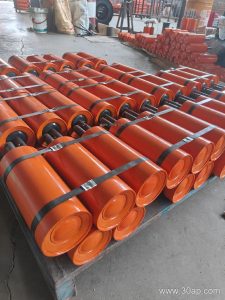
- Confirm the troughing idler roller angle and spacing so the belt trains correctly.
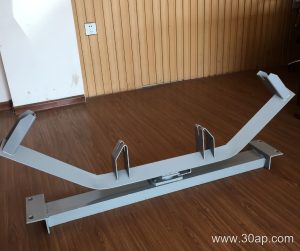
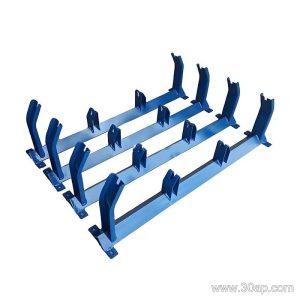
- Review the conveyor pulley lagging and the conveyor bracket condition before fitting a new belt.
An endless conveyor belt made on site reduces splice risk, while a mechanically spliced belt is faster to install but usually weaker at the joint. For long overland runs, record the belt width, ply count and cover grade so replacement matches the original design.
Maintenance Notes
Inspect the belt surface for cuts, cover wear and edge damage, and check the idler roller and conveyor pulley for build-up that can cause tracking faults. Keep the conveyor bracket and frame aligned, because a misaligned frame accelerates edge wear on any fabric belt. Store spare rolls away from sunlight and ozone sources, and rotate stock so the oldest belt is used first. For high abrasion lines, a heavy-duty mining conveyor belt built with a thicker cover often gives longer service than a standard grade, but the decision should follow the measured wear pattern rather than assumption.