Why the Conveyor Bracket Matters More Than You Think
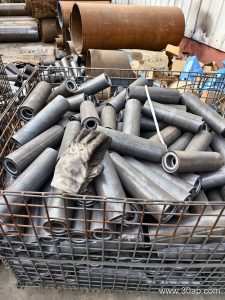
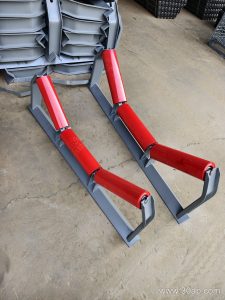
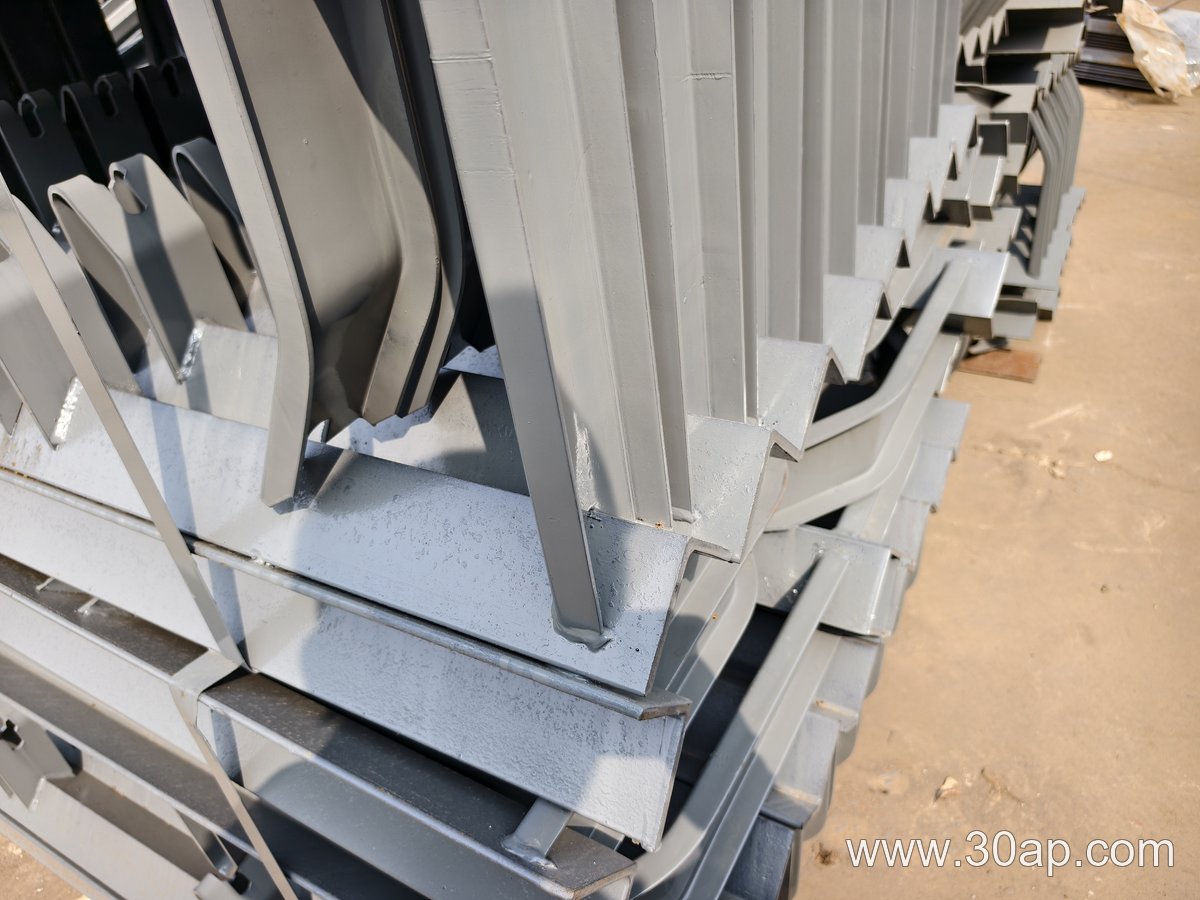
The conveyor bracket is not a passive mounting piece; it is the critical interface that dictates belt alignment, load stability, and system longevity. A poorly selected bracket causes vibration, mis-tracking, and premature idler failure, turning routine operation into costly downtime.
Key Selection Criteria for Industrial Buyers
- Load rating: Match the bracket’s static and dynamic capacity to your peak belt tension and material weight — never guess.
- Material and coating: For abrasive or corrosive environments, choose galvanized steel or stainless brackets with weld-free, adjustable slots.
- Mounting geometry: Verify hole patterns, flange thickness, and base angles fit your existing stringer or support frame without field modification.
- Adjustability: Opt for slotted or shimmed brackets to fine-tune idler height and roll tilt during installation and belt tracking.
Purchasing Advice From a Maintenance Perspective
Buy from suppliers who publish dimensional drawings and load test data. Request samples for fit-on-frame trials before bulk orders. Always keep spare brackets for the most stressed zones — typically loading and transfer points — as shock loads accelerate fatigue there.
Finally, remember that a cheap bracket can cost you tenfold in lost production. Prioritize rigidity, corrosion resistance, and ease of retrofit. When in doubt, ask your conveyor manufacturer for the original bracket specification and stick to it.
Why the Conveyor Belt Remains the Backbone of Material Handling
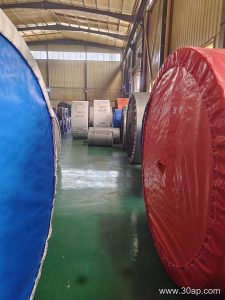
A conveyor belt is more than a moving surface—it is the critical link between production stages, determining throughput, safety, and operational cost. Choosing the wrong belt leads to downtime, product damage, and inflated maintenance budgets.
Key Factors in Conveyor Belt Selection
Evaluate your application’s environment and material before purchasing. Consider belt material, load capacity, and speed requirements.
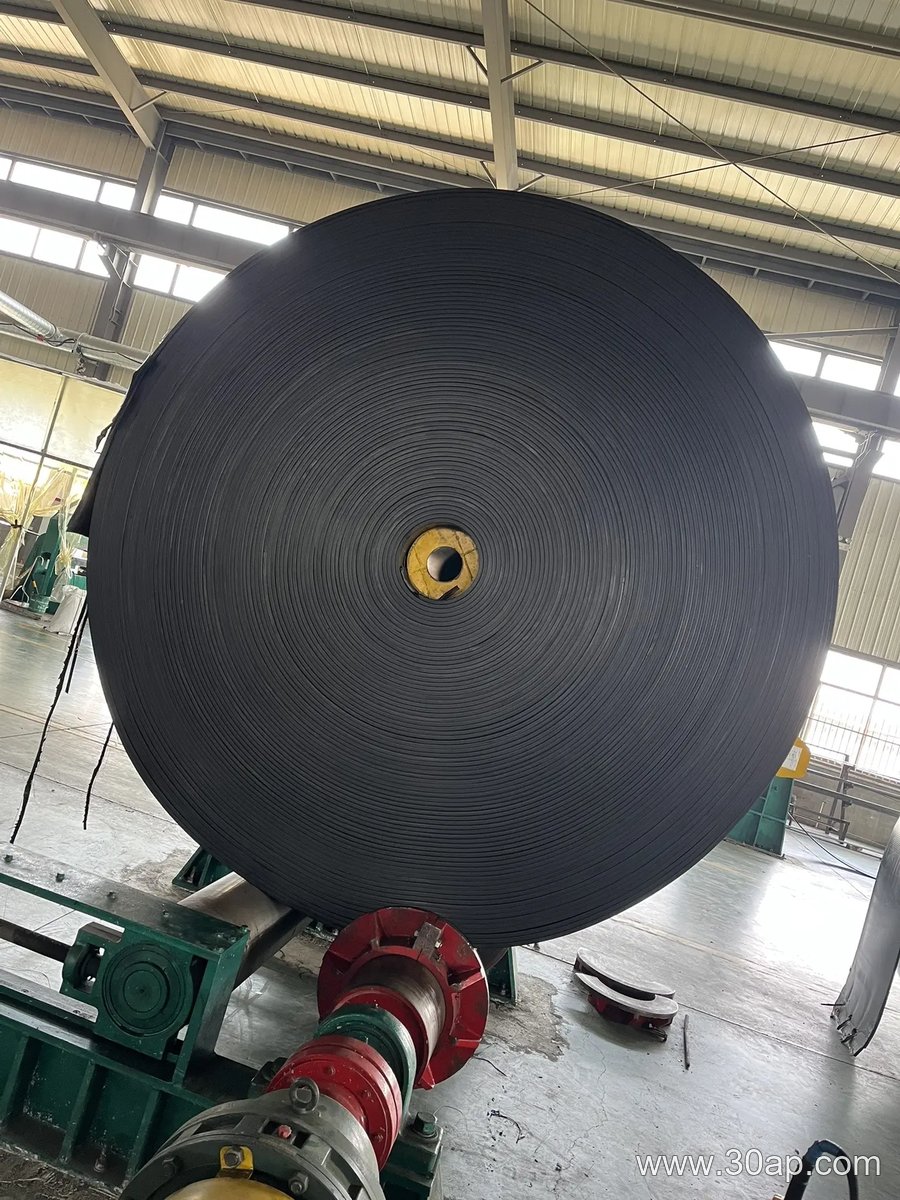
- Material compatibility: Rubber belts resist abrasion; PVC suits food handling; steel cord belts handle high tension.
- Load and belt width: Heavier bulk loads require reinforced carcass and wider belts to prevent sagging.
- Temperature and chemicals: Heat-resistant or oil-resistant compounds extend service life in harsh settings.
Practical Purchasing Advice
Always request a belt with a safety factor above your peak load. Verify tracking and splicing options with your supplier, and ask for a trial run under real load. Prioritize belts with low energy consumption and easy cleaning features to reduce long-term expenses. Finally, match belt thickness to pulley diameters to avoid premature wear.
Understanding the Idler Roller’s Core Role
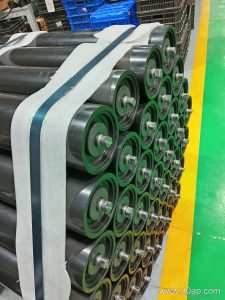
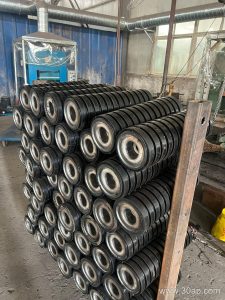
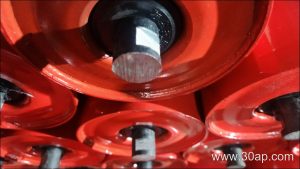
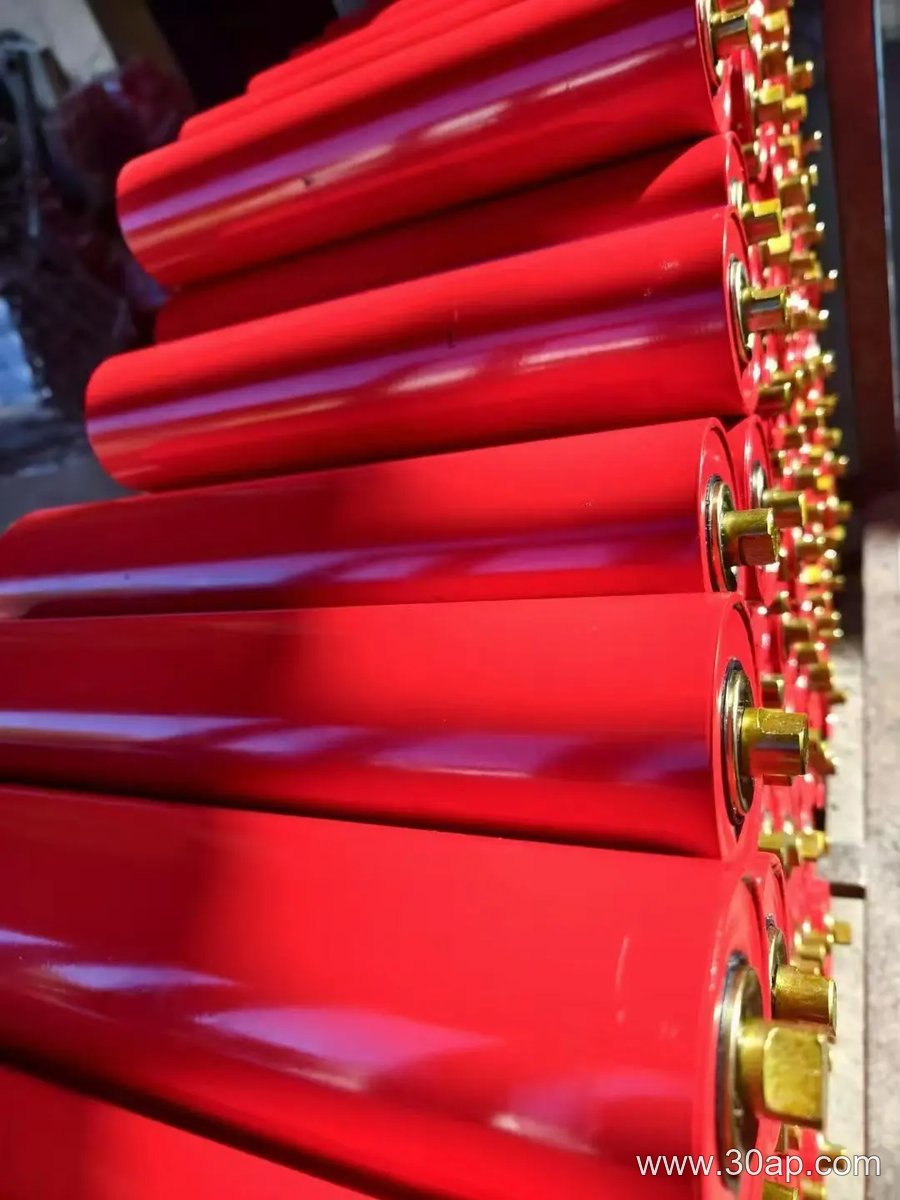
The idler roller is the unsung backbone of any bulk material handling conveyor. It supports the belt and cargo, reduces friction, and maintains proper belt tracking. Choosing the wrong type can lead to premature wear, spillage, and costly downtime.
Critical Selection Criteria
- Load rating: Match the roller’s dynamic load capacity to your peak tonnage per hour.
- Belt speed: Higher speeds require precision-balanced rollers to avoid vibration.
- Environment: For dusty or corrosive settings, opt for sealed bearings and steel or HDPE shells.
Purchasing Advice
Always verify the idler roller’s diameter and troughing angle against your belt width and idler spacing. Request test reports for runout and radial play. Consider life-cycle cost—cheaper rollers often fail faster. Finally, buy from suppliers who offer consistent dimensions and easy replacement parts, ensuring minimal maintenance interruption.
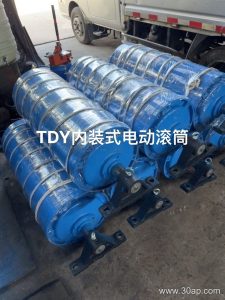
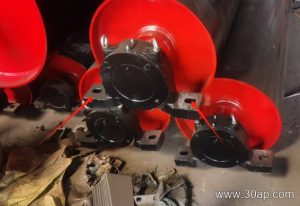
Understanding the Critical Role of the Conveyor Pulley
The conveyor pulley is the mechanical heart of any belt conveyor, responsible for driving, redirecting, and tensioning the belt. A poorly chosen pulley leads to slippage, belt misalignment, and costly downtime. Every pulley must match the system’s load, speed, and environmental conditions.
Key Pulley Types for Your Application
- Drive pulleys (head pulleys) – transmit torque from the motor; require lagging for friction.
- Idler pulleys (tail, bend, take-up) – support belt path and maintain tension without driving.
- Snub pulleys – increase belt wrap angle on the drive pulley for higher grip.
Selection and Purchasing Advice
First, calculate the effective belt tension and shaft load, then select the pulley diameter to avoid excessive belt flexing. Choose crown face profiles for self-centering on return runs. For abrasive or wet environments, specify rubber lagging (ceramic for extreme grip). Verify the shaft’s fatigue rating and hub locking mechanism—avoid keyed hubs under high torque reversals. Always request the manufacturer’s dynamic balancing report for speeds above 300 FPM. Finally, confirm availability of spare bearings and seals to minimize future downtime.
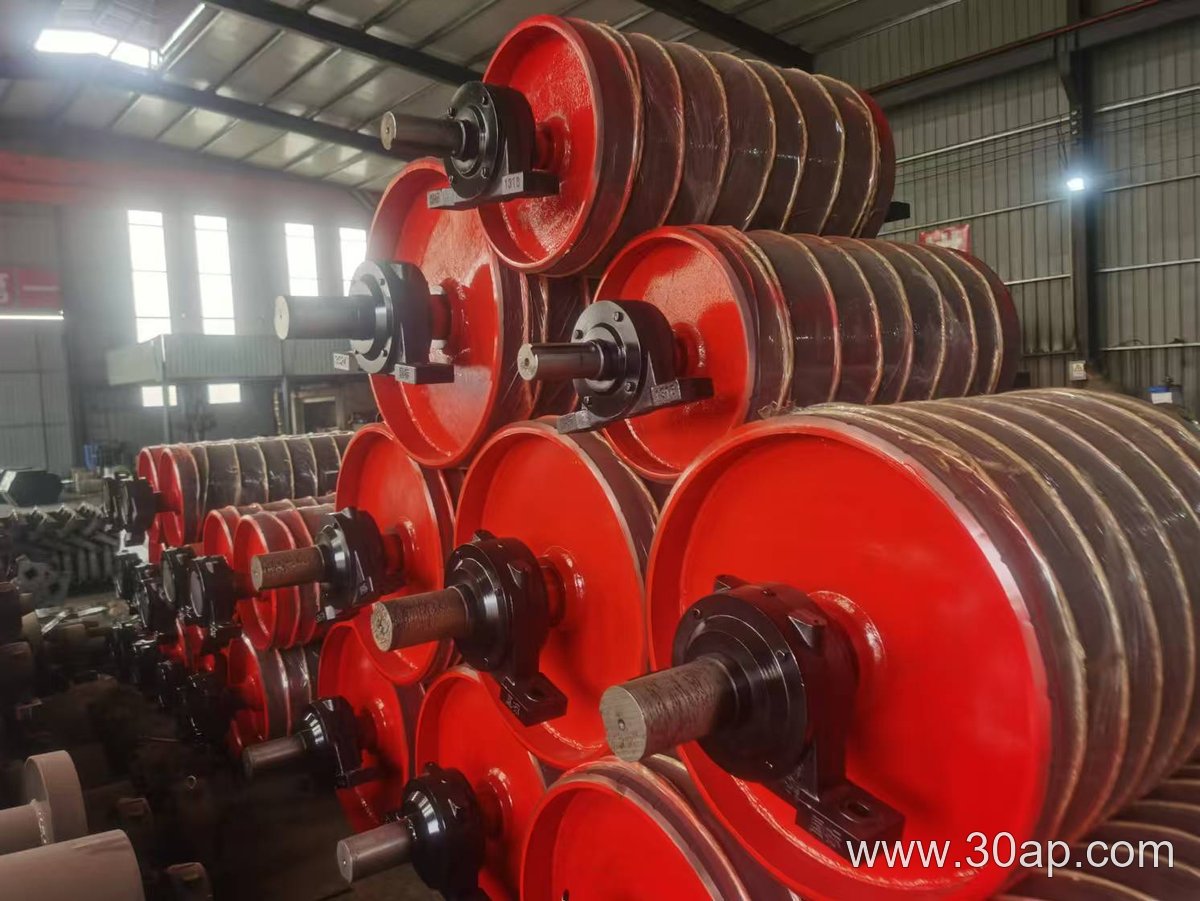
When purchasing, compare not just price but the pulley’s shell thickness (schedule 40 vs. 80 pipe), weld quality, and the brand of bearings (e.g., SKF or Timken). Ask for a finite element analysis (FEA) report on the shaft for long spans. A conveyor pulley that seems cheap often costs more in lost production within a year.