What a Carbon Steel Conveyor Bracket Does
A carbon steel conveyor bracket is the structural support that holds the idler roller in position along a conveyor frame. It carries the roller at the correct height, sets the trough angle of the belt, and keeps the belt tracking within the frame. In a quarry, a coal handling plant, or a cement kiln feed line, these brackets are the quiet workhorses that determine how evenly the conveyor belt is supported from the tail pulley to the drive pulley.
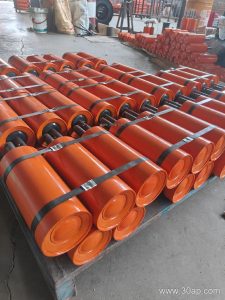
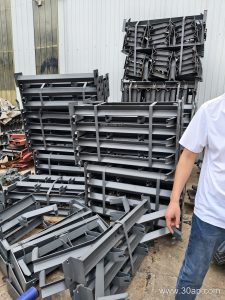
Also called a carbon steel idler bracket or steel roller support bracket, the part is usually a fabricated assembly rather than a single piece. It mounts to the stringer or frame, and the idler shaft sits in slots or bolt holes on the bracket. Because the bracket is made from carbon steel, it offers good stiffness and weldability, and it can be galvanized or painted for moderate corrosion protection.
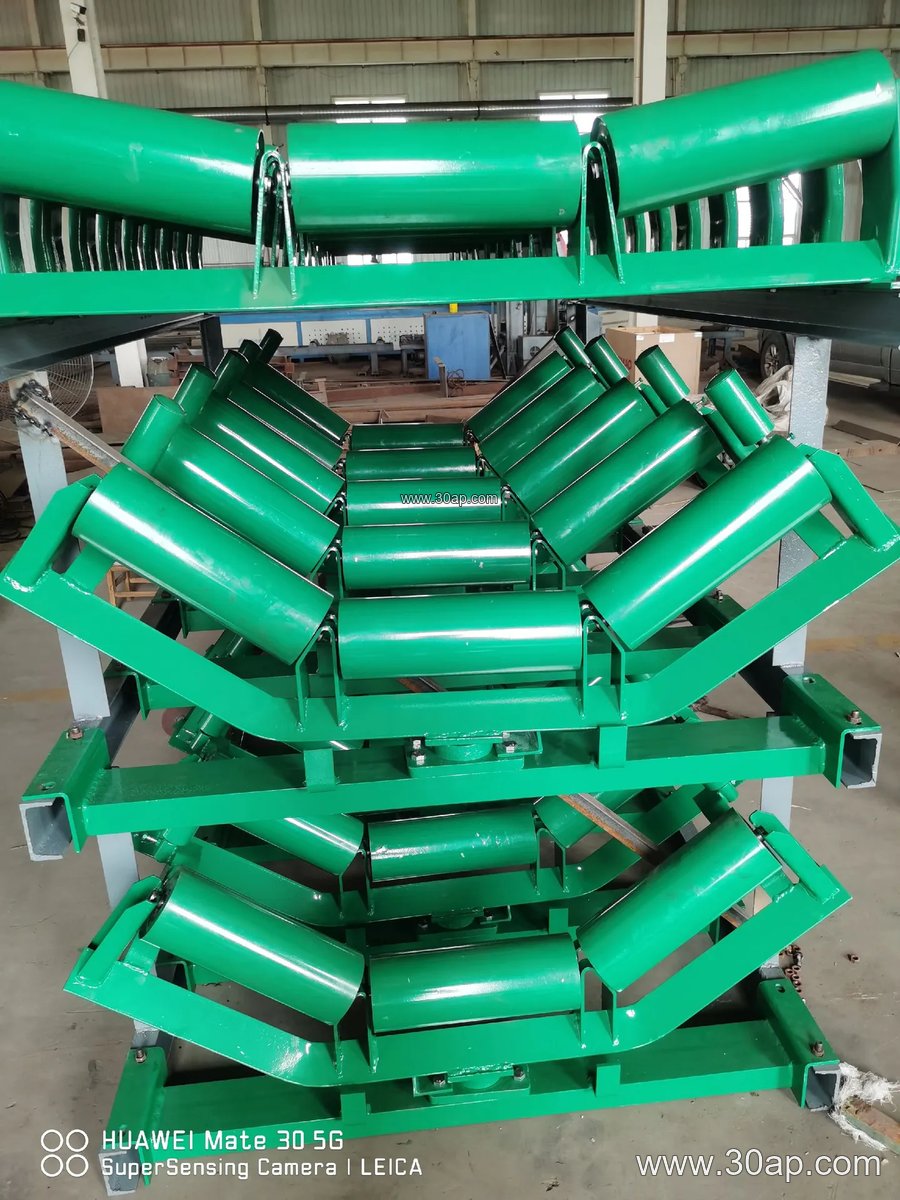
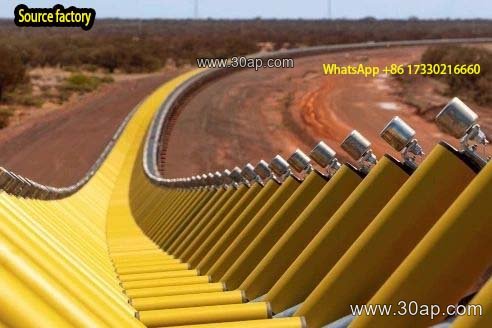
How the Bracket Is Built
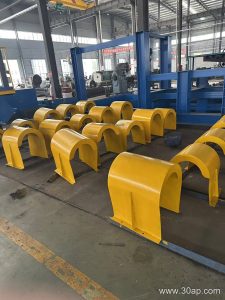
Most brackets are formed from angle steel, channel steel, or bent steel plate. A troughing bracket may include angled wings that hold the side rollers, while a return bracket holds a single flat or V-shaped roller under the returning belt. Fabrication details matter: hole spacing must match the idler shaft, the mounting feet must sit flat on the frame, and welded joints should be clean and free of sharp edges that could damage the belt.
- Material: carbon steel angle, channel, or folded plate
- Common surface treatment: painted or hot-dip galvanized
- Mounting: bolted to stringers or welded to the frame, depending on design
- Adjustability: fixed brackets or slotted adjustable brackets for trough angle changes
Matching Bracket, Belt, and Roller
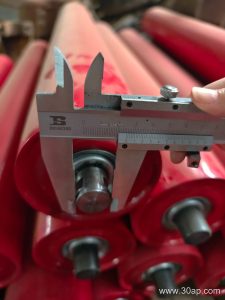
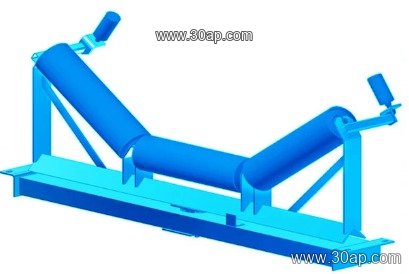
Bracket geometry follows the belt width and the required trough angle. A B800 belt running at 35 degrees with Ø108 idlers is a common combination in aggregate plants, but it is not the only one. Wider belts such as B1200 or B1400 often use 45-degree troughing with Ø133 or Ø159 rollers, and larger B1600 to B2000 belts may call for heavier brackets and larger roller diameters. The table below gives reference examples only; actual hole spacing and beam length are determined by the conveyor design.
| Belt Width | Trough Angle | Roller Diameter | Typical Bracket Role |
|---|---|---|---|
| B650 | 30 degrees | Ø89 | Light troughing, small transfer points |
| B800 | 35 degrees | Ø108 | Standard aggregate and sand line support |
| B1000 | 35 degrees | Ø108 or Ø133 | Medium-duty bulk material conveying |
| B1200 | 45 degrees | Ø133 | Heavy troughing on crusher discharge |
| B1400 | 45 degrees | Ø159 | High-capacity ore and coal handling |
| B1800 | 35 or 45 degrees | Ø159 or Ø194 | Wide belt support in ports and power plants |
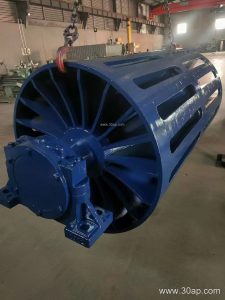
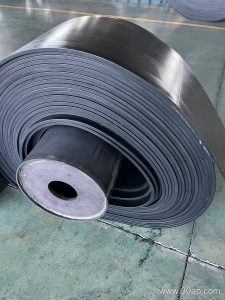
The bracket alone does not control belt behavior. It works with the idler roller, the conveyor pulley alignment, and belt tension. If a bracket is out of square, the belt may drift even when the pulleys are correct. For high-abrasion duty, such as an iron ore or copper ore line, the bracket should be robust enough to hold alignment under heavy loading, and an Abrasion Resistant Conveyor Belt may be used together with well-aligned idlers to reduce edge wear.
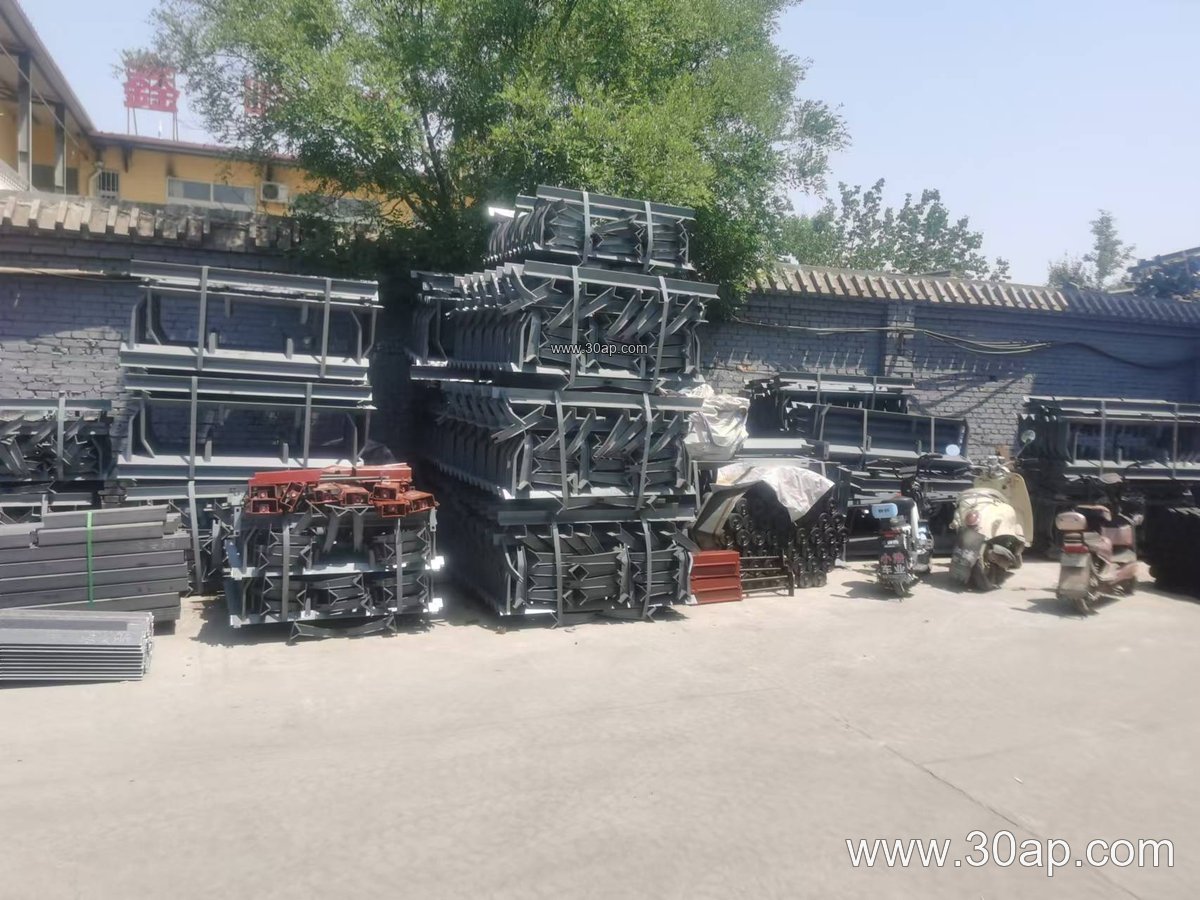
Where These Brackets Are Used
You will find carbon steel conveyor brackets in stone crushing and screening plants, coal washing plants, cement plants, power station coal yards, and port bulk terminals. In a sand and gravel line, troughing brackets support the belt through the crushing and screening stages. In a steel plant sintering line, heat and dust demand sturdy brackets and careful roller selection. In a tunnel muck removal system, compact brackets help keep the conveyor frame low and serviceable.
The bracket type should follow the belt section. Troughing brackets carry the loaded top run, while return brackets support the empty bottom run. Transition brackets are used near pulleys where the belt changes from flat to troughed. Impact brackets with cushioning are placed below loading points to absorb the fall of material. Self-aligning brackets help correct minor tracking errors, but they are not a substitute for proper installation.
Buyer Checklist
- Confirm the belt width, trough angle, and idler shaft diameter before ordering.
- Check hole spacing and mounting height against the existing frame or drawing.
- Choose painted or galvanized finish based on dust, moisture, and wash-down conditions.
- Decide between fixed and adjustable brackets where trough angle changes may be needed.
- Verify that the bracket material thickness suits the load and the roller weight.
- For cold or wet sites, consider a Cold Resistant Conveyor Belt and check that brackets drain freely.
A well-chosen bracket keeps the idler roller square, protects the conveyor belt from uneven wear, and makes maintenance faster. Buyers should treat the bracket as part of the whole conveyor system, not as an isolated steel part. For related conveyor components, see the conveyor bracket range and matching roller and pulley options at www.beltconveyorparts.com.