What a Diamond Grooved Lagged Pulley Does
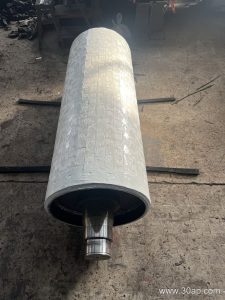
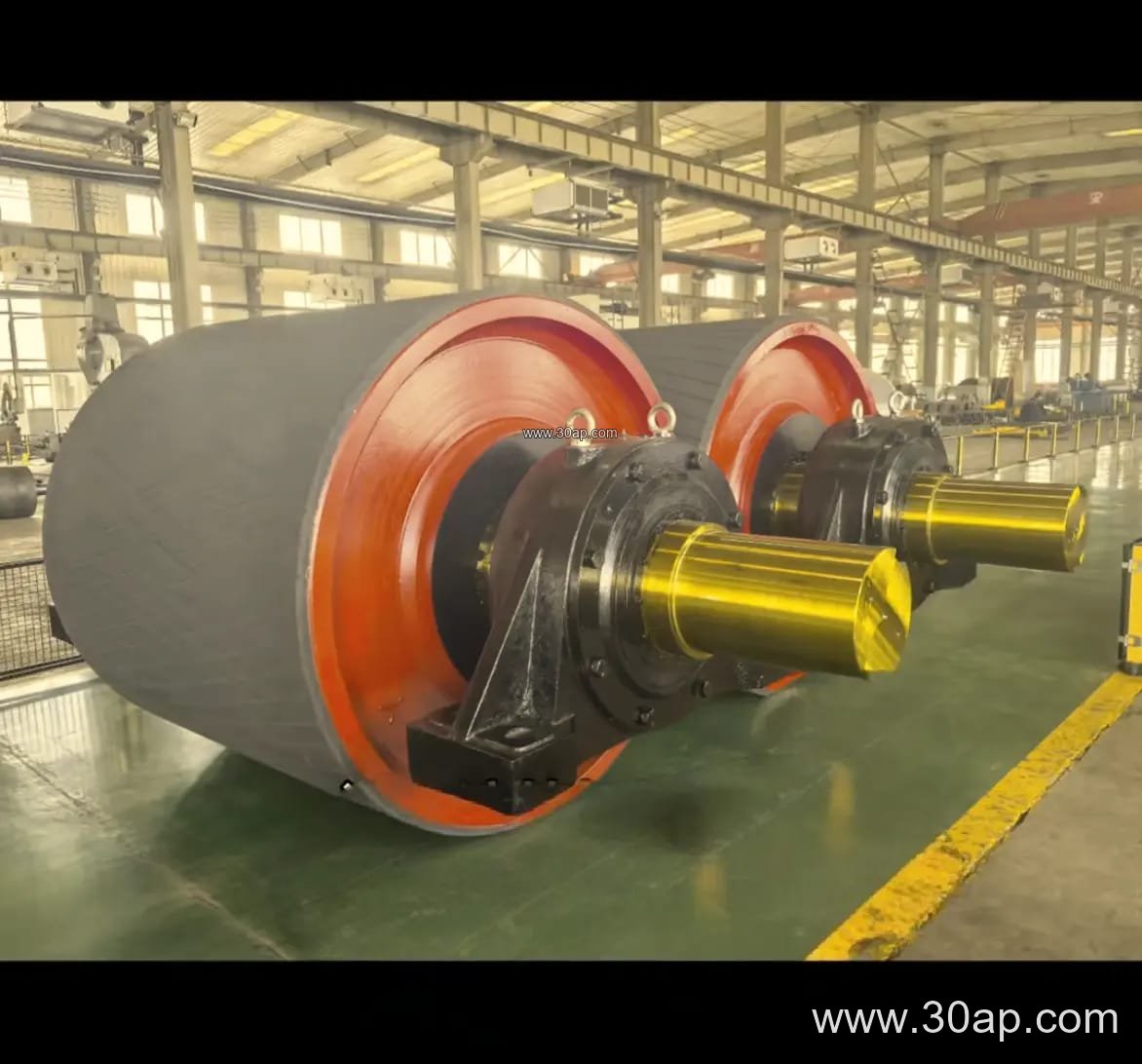
A diamond grooved lagged pulley is a conveyor pulley whose shell is covered with rubber lagging cut into a raised diamond pattern. The lagging raises friction between the pulley face and the belt, while the grooves give water, fine dust and slurry somewhere to escape as the belt wraps the drum. In a quarry, a limestone mine or a cement plant, that combination often decides whether a drive pulley can pull a fully loaded belt without slipping.
This pulley is normally a drive pulley, also called the head or drive drum, mounted at the discharge end of the conveyor. It is not the same component as a tail pulley, a bend pulley or a take-up pulley, and those positions are not interchangeable. A tail pulley usually runs with a plain or lightly lagged face, while a bend pulley only changes belt direction. Diamond grooving is chosen where grip matters most, usually on the driving drum.
How the Lagging Is Built
The pulley body is a welded steel shell with end discs and a shaft, machined so the lagging sits evenly around the circumference. Rubber lagging is bonded to the shell in one of two common ways: hot vulcanized in a workshop, which gives a strong continuous bond, or cold bonded on site with an adhesive system. The diamond pattern is then cut or molded into the rubber.
Typical lagging thickness is 8, 10, 12, 15 or 20 mm. Thicker rubber suits high-torque drives and abrasive conditions but adds weight and cost. The diamond grooves are usually a few millimetres deep; they must stay open to work, so a worn or clogged surface should be cleaned or re-lagged.
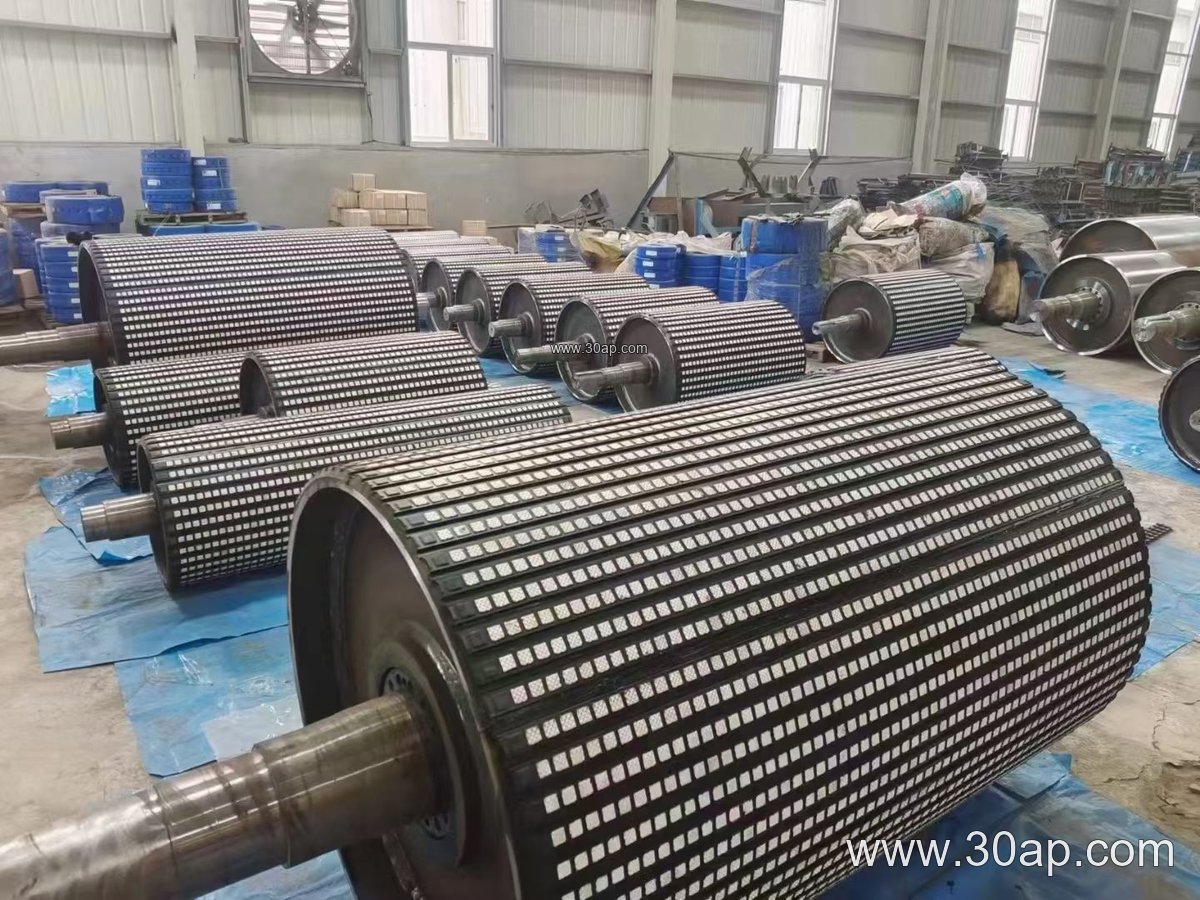
Surface options for comparison include plain rubber, ceramic lagging and herringbone grooving. Ceramic tiles resist severe abrasion well, while herringbone grooving is another way to shed water. Diamond grooving remains a practical middle choice for general bulk handling.
Where It Fits in the Plant
These pulleys appear in stone crushing lines, aggregate plants, coal washing circuits and power station coal handling. They also turn up in iron ore and copper ore conveyors, port bulk terminals and steel plant material yards. A crusher conveyor belt often runs heavily loaded at low speed, which is exactly where a grooved lagged drive drum helps.
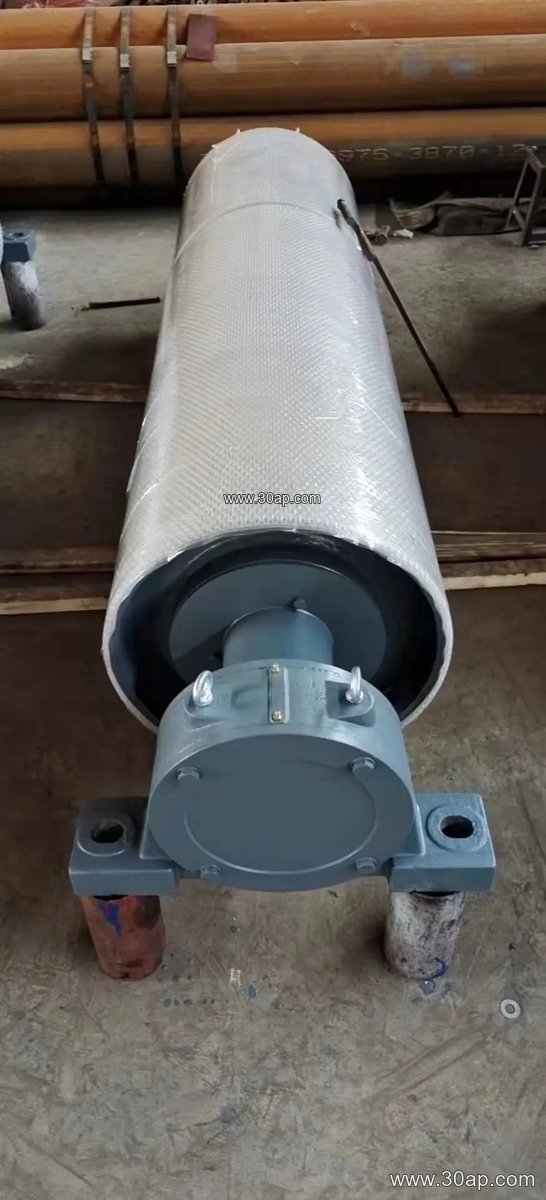
Because the lagging grips, the belt can be run with less tension in some designs, which reduces load on the shaft, bearings and conveyor bracket. That said, tension must still be set by the conveyor designer, not by the pulley alone.
Matching the Pulley to the Belt
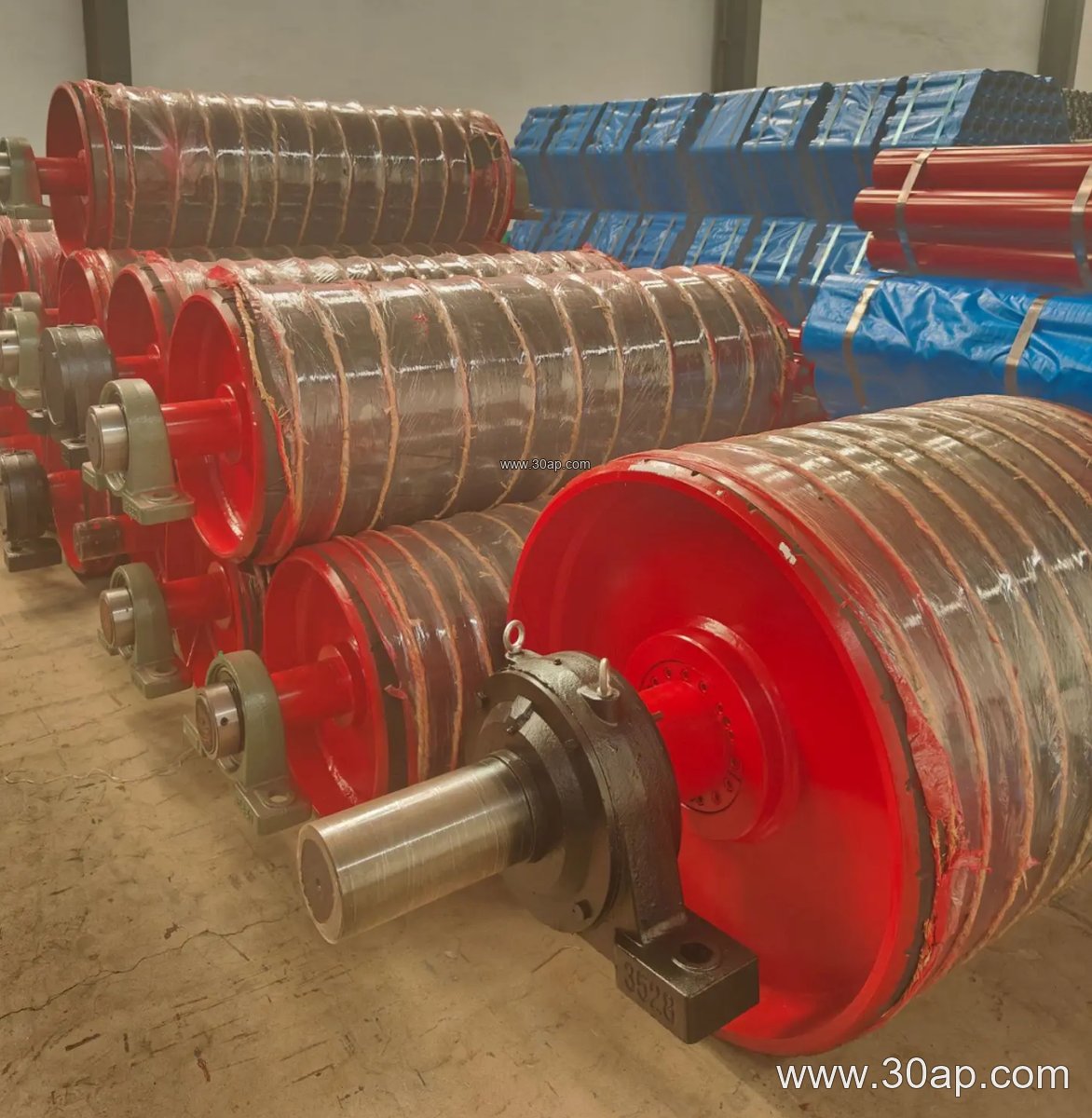
Shell width is normally a little wider than the belt. Common references are B400 with about 500 mm face, B650 with about 750 mm, B800 with about 950 mm, B1000 with about 1150 mm, B1200 with about 1400 mm and B1400 with about 1600 mm. Face width above belt width is a guide, not a rule that fixes one diameter for one belt width.
Diameters commonly range from Ø200 to Ø1800, and the correct size depends on belt speed, wrap angle, torque and belt stiffness. A B1200 × Ø1000 drive drum and a B800 × Ø500 tail drum are both plausible, but they serve different duties. Shaft diameter, often Ø50 to Ø200, is sized from torque and bearing loads rather than belt width alone.
| Reference | Common Range | Notes |
|---|---|---|
| Belt width | B400 to B2400 | Face width usually slightly larger |
| Pulley diameter | Ø200 to Ø1800 | Set by belt speed and torque |
| Lagging thickness | 8 to 20 mm | Diamond groove pattern |
| Shaft diameter | Ø50 to Ø200 | By load calculation |
The belt itself matters too. A heavy-duty mining conveyor belt or a steel cord conveyor belt needs a drive drum with enough diameter to limit bending stress, while an EP conveyor belt or multi-ply fabric core belt may accept a smaller drum. Heat resistant, oil resistant and flame retardant belts each bring their own cover compounds, and the lagging should be compatible with the site conditions.
Buyer Checklist
- Confirm the pulley position: drive, tail or bend, since only the drive drum usually needs diamond lagging.
- State belt width, belt type and belt speed so the supplier can propose a diameter.
- Choose lagging thickness and bonding method for the environment, not just the price.
- Ask how the shaft and bearings are sized, and keep the conveyor bracket dimensions in the drawing.
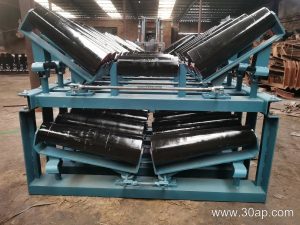
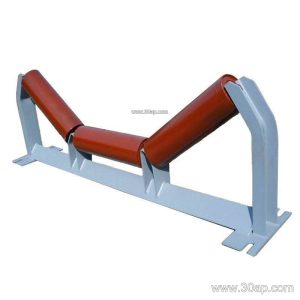
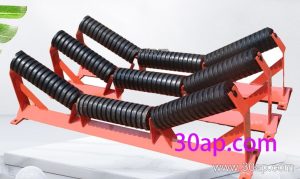
- Check that idler roller alignment and belt tracking are correct before blaming the pulley for slip.
For more on matched components, see the conveyor pulley range and conveyor belt options at our site. A well specified diamond grooved lagged pulley, paired with the right conveyor belt and idler roller set, keeps a bulk handling line running with fewer stoppages.