What a Galvanized Idler Is
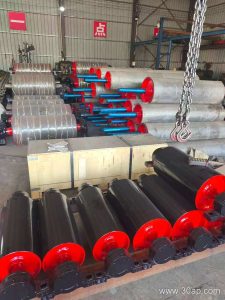
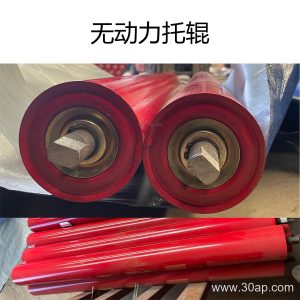
A galvanized idler is a conveyor idler roller whose steel shell and end components carry a zinc coating applied after fabrication. In everyday plant language it is simply called a galvanized roller or galvanized carrying idler. The zinc layer works as a sacrificial barrier, so the roller resists atmospheric moisture and mildly corrosive dust better than a plain painted or bare steel shell. It remains a rotating support element under the belt, not a drive component, and it should never be confused with a drive pulley, tail pulley or bend pulley, which transmit or redirect belt tension rather than support the loaded strand.
How the Roller Is Built
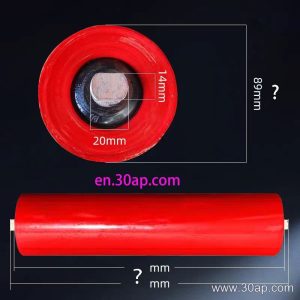
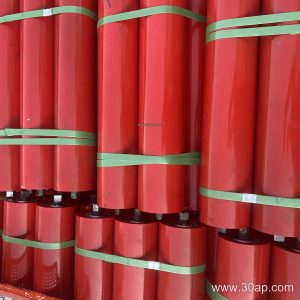
Construction starts with a steel tube cut to the required face length. Bearing housings are welded into both ends, sealed bearings are fitted, and the shaft is locked in place before the finished assembly goes through the galvanizing process. Common bearing sizes include 6204, 6205, 6305, 6306, 6308 and 6310, matched to the load and shaft design rather than to belt width alone. Sealing quality matters as much as the coating: a galvanized surface slows external corrosion, but grit and water that reach the bearing will still shorten service life. Roller diameters are usually selected from ranges such as Ø63, Ø76, Ø89, Ø102, Ø108, Ø127, Ø133, Ø159, Ø178, Ø194 and Ø219 mm, depending on belt width, load and speed.
Where Galvanized Idlers Fit on the Conveyor
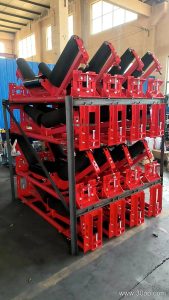
These rollers appear in troughing sets, transition positions, return runs and impact zones. A three-roll troughing set is the most familiar arrangement, with trough angles commonly 20, 30, 35 or 45 degrees. Return idlers may be flat or V-shaped, and self-aligning designs help correct belt drift on long flights. A quarry conveyor moving crushed stone, or a cement plant handling clinker and raw meal, is a typical host for galvanized troughing and return rollers. In a power plant coal handling line, the same roller type can serve the carrying side where washdown and humidity are concerns. Belt widths from B400 up to B2400 are seen across these duties, and roller length changes with belt width, trough angle and roll configuration. For example, a three-roll troughing set at B800 often uses a roll length near 315 mm, while B1200 commonly uses about 465 mm; side rolls and center rolls can differ, so these are examples rather than fixed rules.
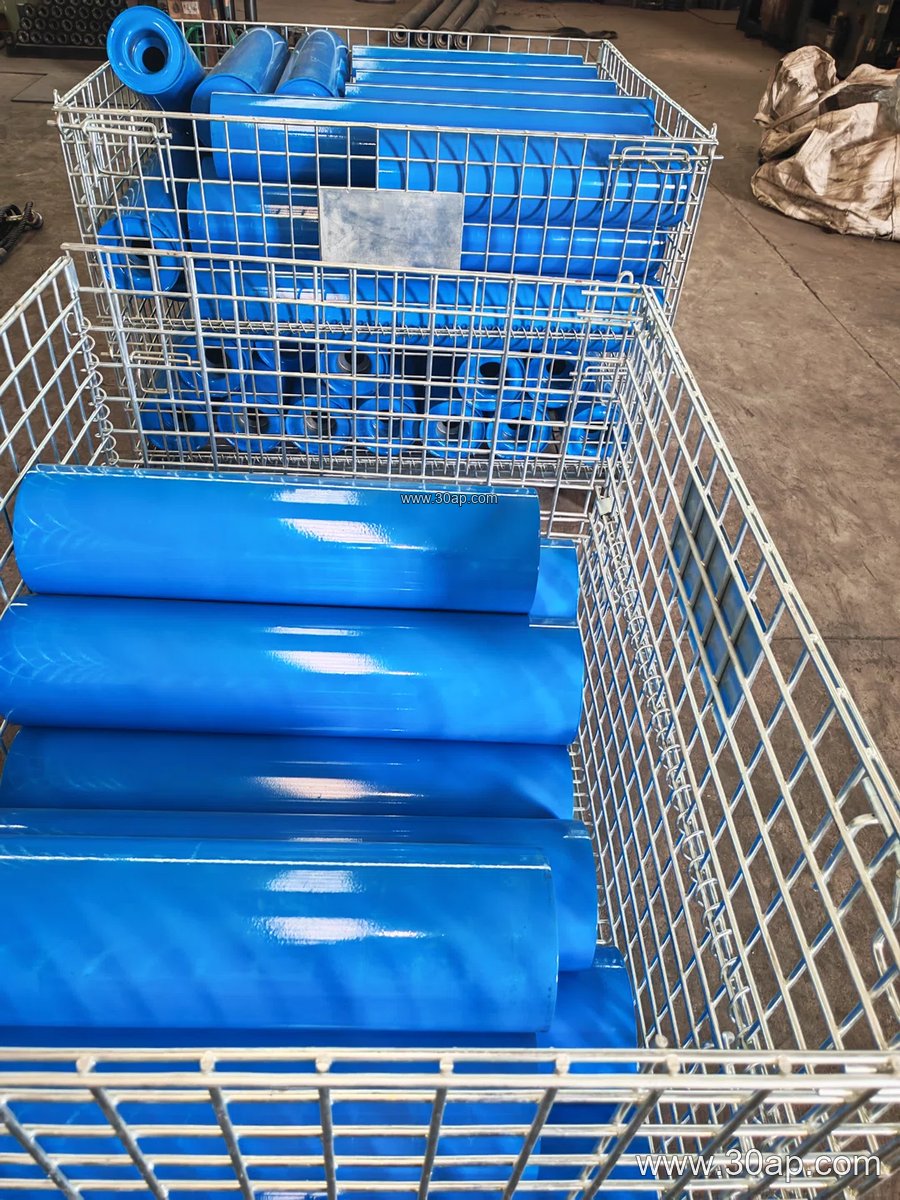
Benefits and Limits
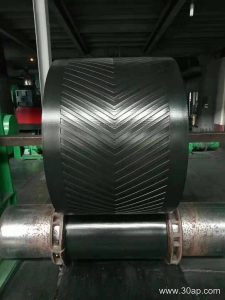
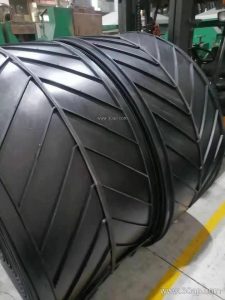
The main advantage is corrosion protection without a heavy paint system, which keeps maintenance simpler in wet or dusty plants. A galvanized shell also sheds fines reasonably well. However, zinc coating is not a substitute for a proper seal in a coal washery or an underground mine where fine abrasive slurry is present. In those conditions, buyers often compare coated rollers with rubber-ring impact rollers at transfer points, where cushioning matters more than surface finish. Where the belt itself carries aggressive material, matching the roller to a suitable conveyor belt matters too: an abrasion resistant conveyor belt, a flame retardant conveyor belt for underground coal mining, or a heat resistant conveyor belt near sinter and clinker all place different demands on the supporting rollers.
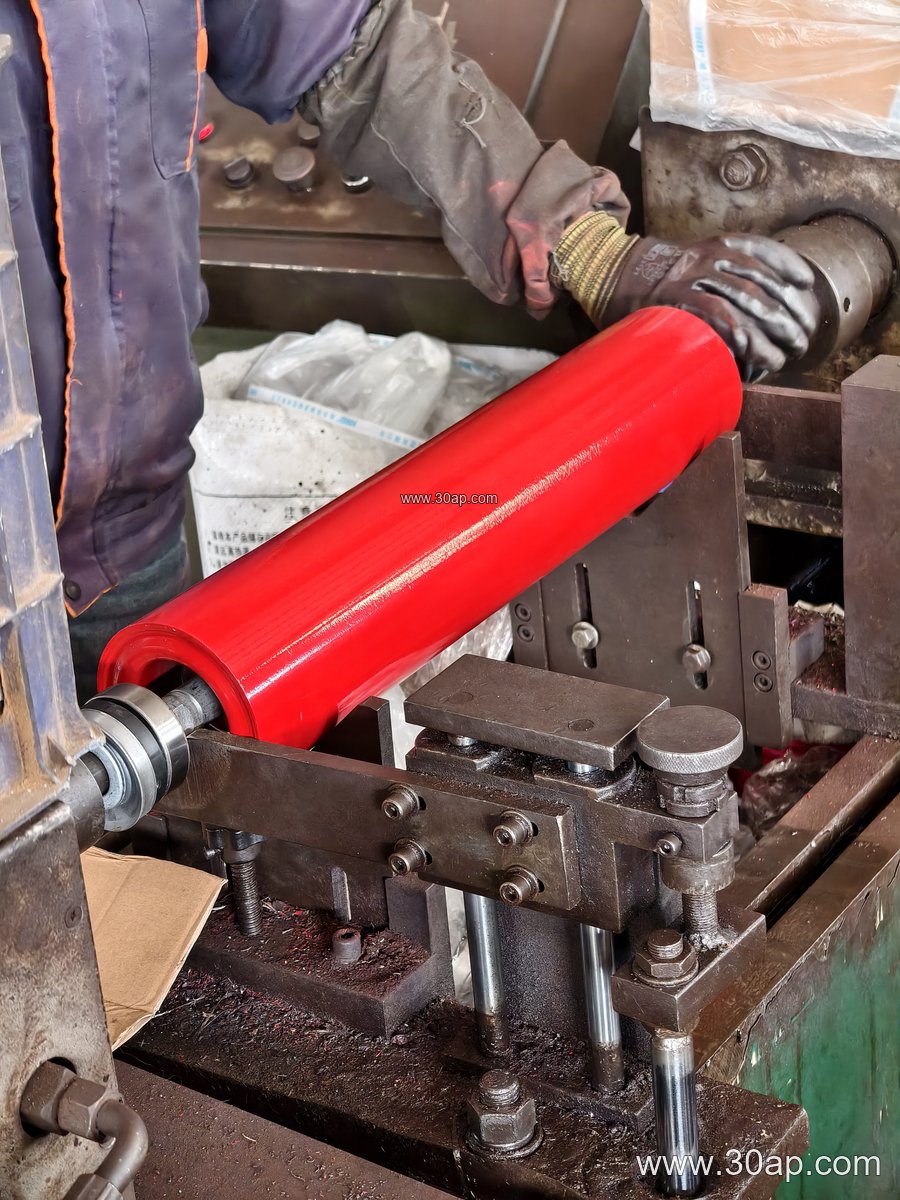
Specification Checks Before Ordering
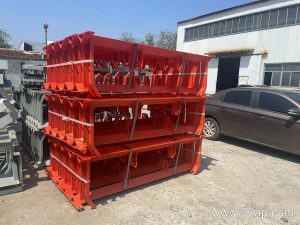
A buyer should confirm shaft diameter, bearing type, face length, roller diameter, trough angle and mounting bracket style. The conveyor bracket and frame dimensions decide whether a standard roller will sit correctly, and the belt speed and load determine the bearing class. The table below gives common reference ranges, not universal supply commitments.
- Roller diameter: Ø63 to Ø219 mm in common steps
- Belt width: B400 to B2400 mm
- Trough angle: 20, 30, 35 or 45 degrees
- Bearing: 6204, 6205, 6305, 6306, 6308, 6310
- Roll surface: plain steel tube, nylon, ceramic or rubber ring
On a long overland flight carrying iron ore or copper ore, a galvanized idler may be specified for the return strand while heavier duty rollers handle the load zone. On a port ship loading conveyor, salt air makes the coating attractive, but the user should still check seal grade. Buyers should also ask how the roller interfaces with the conveyor pulley alignment and whether the idler frame is compatible with the existing conveyor bracket spacing.
Maintenance Notes
Inspect for seized bearings, coating damage and shell wear at regular intervals. A roller that no longer turns freely will scuff the belt cover, so replacing it early is cheaper than replacing an EP conveyor belt or a steel cord conveyor belt later. Keep spare rollers in the same diameter and bearing size to avoid mismatch during shutdowns. For more conveyor component information, visit beltconveyorparts.com galvanized idler pages and review the roller, pulley and bracket options together.