What Conveyor Bracket Procurement Covers
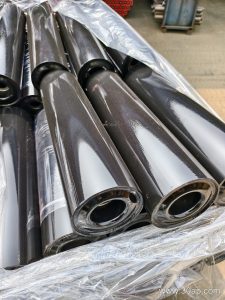
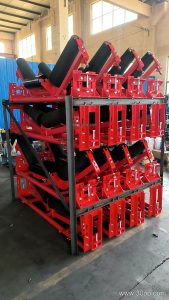
Conveyor bracket procurement is the process of sourcing the steel frames that hold idler rollers in position along a conveyor line. These brackets, often called idler frames or roller support brackets, are the structural link between the conveyor stringer and the rotating components that carry the belt. A buyer who gets this category right ends up with straight tracking, even belt wear, and fewer stoppages. A buyer who treats brackets as an afterthought usually inherits vibration, misalignment, and premature roller failure.
The scope is broader than many first-time purchasers expect. It includes troughing brackets on the carrying side, return brackets underneath, transition frames near pulleys, and self-aligning or impact variants where the duty calls for them. Each serves a different position and load case, so the purchase list should be built from the conveyor layout rather than from a single generic part number.
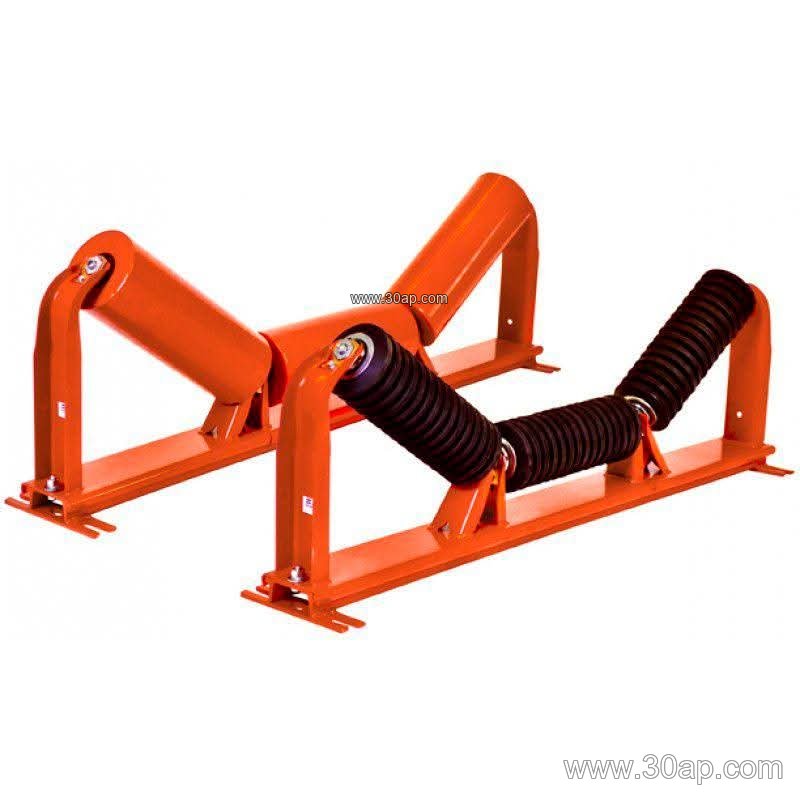
How These Frames Are Built
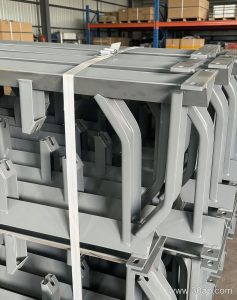
Most conveyor brackets are fabricated from angle steel, channel steel, or folded steel plate. The fabrication route matters: a folded plate bracket can offer cleaner edges and consistent geometry, while a channel-based frame tends to suit heavier loads and simpler welding jigs. Holes are punched or drilled to match the idler shaft ends, and the crossbeam length is set by belt width and trough angle.
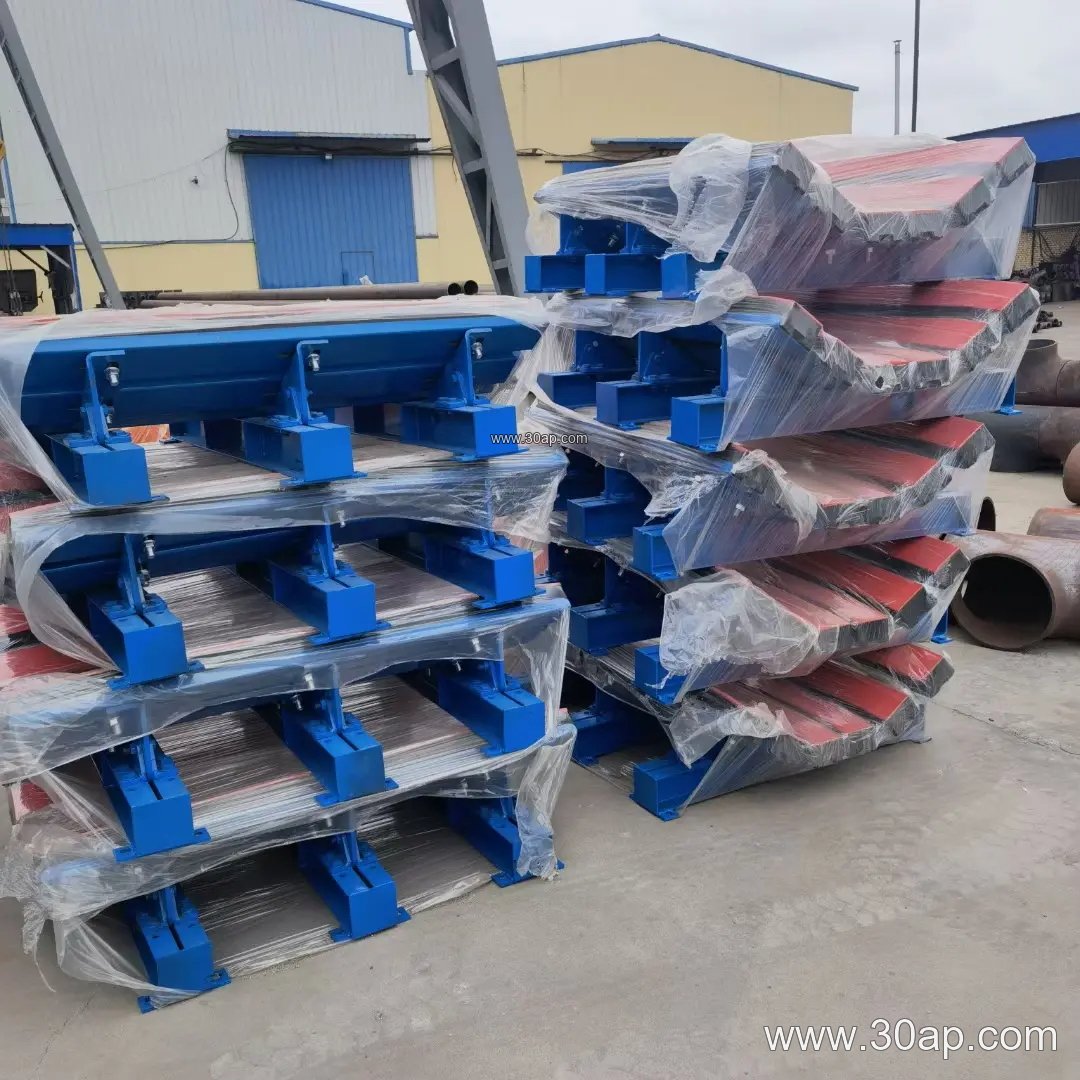
Surface treatment is part of the specification, not a cosmetic detail. Paint systems, hot-dip galvanizing, and powder coating behave differently in wet or corrosive service. In a wash plant or a port terminal handling damp bulk material, the coating choice can decide whether the bracket survives a decade or a few seasons.
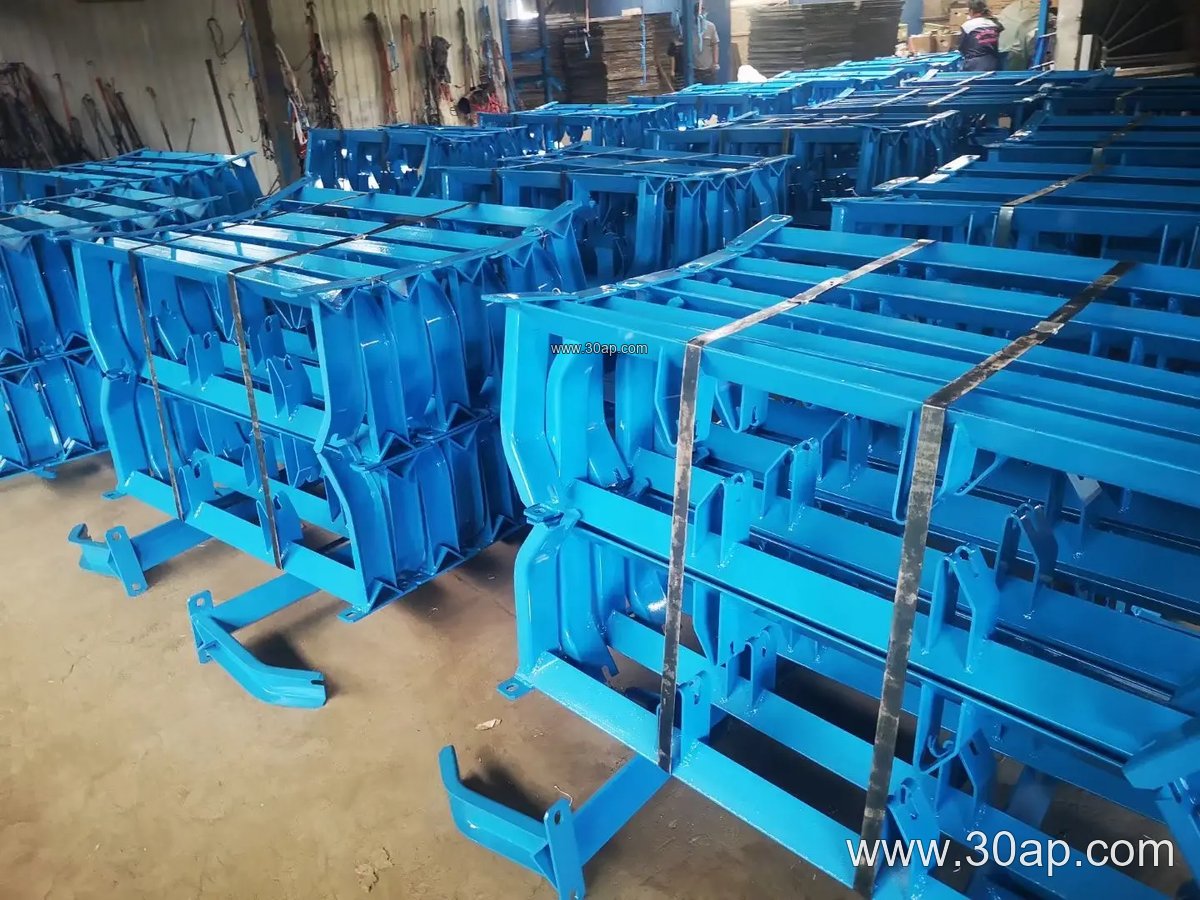
Matching Brackets to Belt Width and Trough Angle
Belt width and trough angle together define the bracket geometry. A 30-degree trough on a B800 frame is not the same fabrication as a 45-degree trough on the same width, because the roller positions and the crossbeam profile change. Common belt widths in bulk handling run from B500 through B2000 and beyond, and trough angles of 20, 30, 35, and 45 degrees are all in normal use. Adjustable brackets allow the same frame to be set at several of these angles, which helps when a plant standardizes spares across lines.
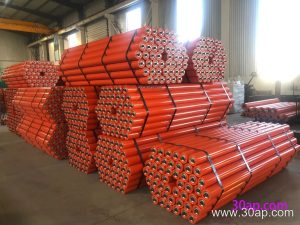
Roller diameter is a separate decision. Diameters such as Ø89, Ø108, Ø133, Ø159, and Ø194 appear across different duty levels, and the bracket must present the correct mounting height and hole spacing for the roller chosen. There is no rule that ties one belt width to one roller diameter; the combination follows load, speed, and the conveyor designer’s calculation.
| Parameter | Typical Range | Notes |
|---|---|---|
| Belt width | B500 to B2000 | Wider frames need heavier crossbeams |
| Trough angle | 20, 30, 35, 45 degrees | Adjustable frames cover several settings |
| Roller diameter | Ø89, Ø108, Ø133, Ø159, Ø194 | Match hole spacing to the roller shaft |
| Material | Angle, channel, folded plate | Selected by load and fabrication preference |
Where These Frames Earn Their Keep
In a limestone quarry, troughing brackets on the main haulage conveyor take constant abrasive load, and the return frames underneath are exposed to fines buildup. At a coal-fired power plant, the coal handling conveyors run long hours, so bracket alignment directly affects belt life and the performance of the flame retardant conveyor belt in service. A cement plant grinding line places similar demands on the clinker transport section, where heat and dust both attack the frame coating.
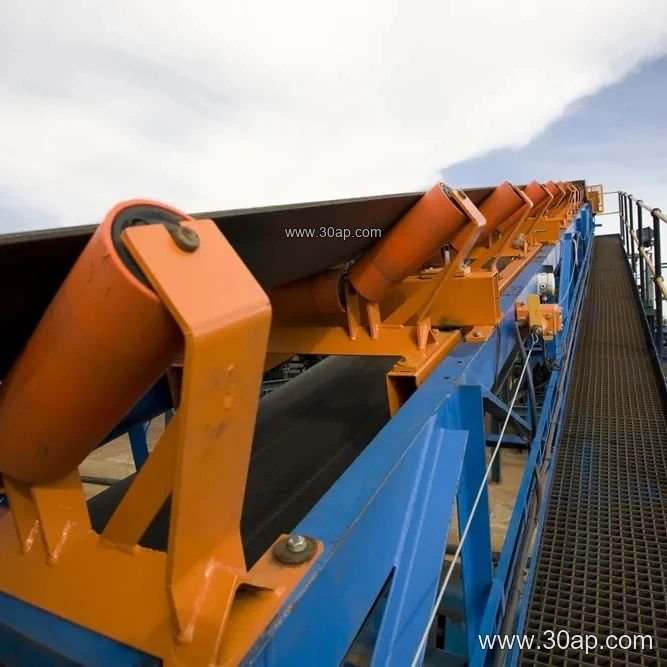
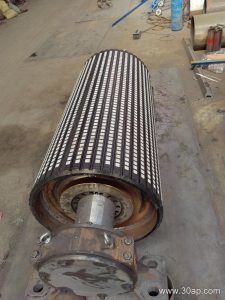
Transition brackets deserve separate attention. Where the belt moves from a flat pulley face into a troughed run, the transition frame controls how quickly the belt takes up its curve. Get that wrong and the belt edges carry excess tension. This is also where the choice of conveyor pulley and its lagging interacts with bracket geometry, so the two should be reviewed together during procurement.
Procurement Checks Before You Order
- Confirm the bracket type by position: carrying side, return side, transition, impact, or self-aligning.
- Record belt width, trough angle, and roller diameter for every line item.
- Verify mounting hole spacing and crossbeam length against the actual stringer, not a catalogue assumption.
- State the coating or galvanizing requirement and the service environment.
- Ask for dimensional drawings so the frames can be checked against the conveyor pulley and idler roller layout.
- Keep adjustable frames in the spares list where several trough angles coexist.
Good conveyor bracket procurement is mostly about discipline. When the frame drawings, roller data, and belt specification are checked against each other before the purchase order goes out, installation runs smoothly and the conveyor does the quiet, unglamorous work it was designed for.