Understanding the Aggregate Conveyor Pulley
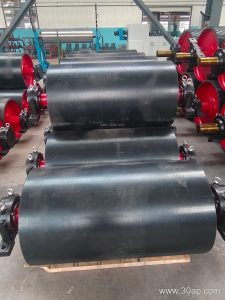
An aggregate conveyor pulley is the cylindrical component that drives or redirects the belt in a crushing, screening, or material handling circuit. In a quarry or sand and gravel plant, it works alongside the conveyor belt, idler roller, and conveyor bracket to keep stone, sand, and gravel moving efficiently. While drive, tail, and bend pulleys serve distinct functions, this article focuses on the aggregate conveyor pulley as a complete category, highlighting how it is built, where it is used, and what buyers should consider.
Construction and Surface Options
Most aggregate conveyor pulleys are fabricated from steel tubing or welded plate, with shafting sized to the torque and load of the application. The pulley face width typically exceeds the belt width to ensure full support. Common surface treatments include plain finish, cast rubber, cold-bonded rubber, hot-vulcanized rubber, diamond grooving, herringbone grooving, and ceramic lagging. Lagging thickness often ranges from 8 mm to 20 mm, depending on the duty. For abrasive aggregate, a rubber lagging helps grip the belt and reduce slip, while ceramic lagging may suit high-torque drive positions.
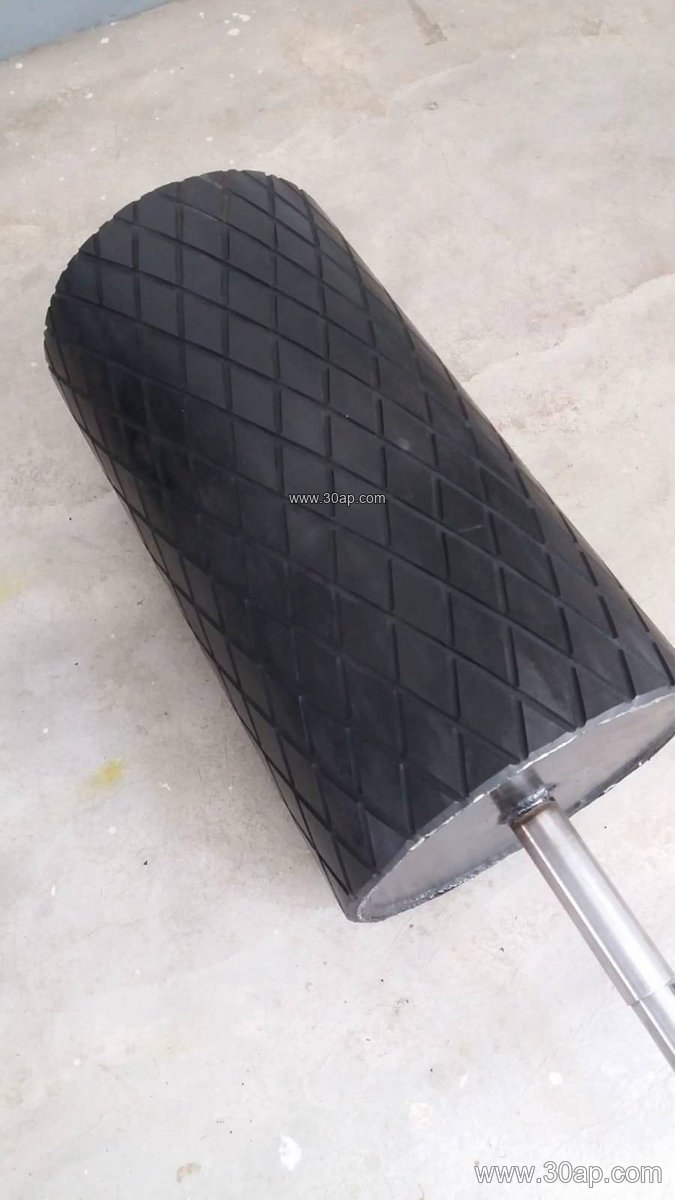
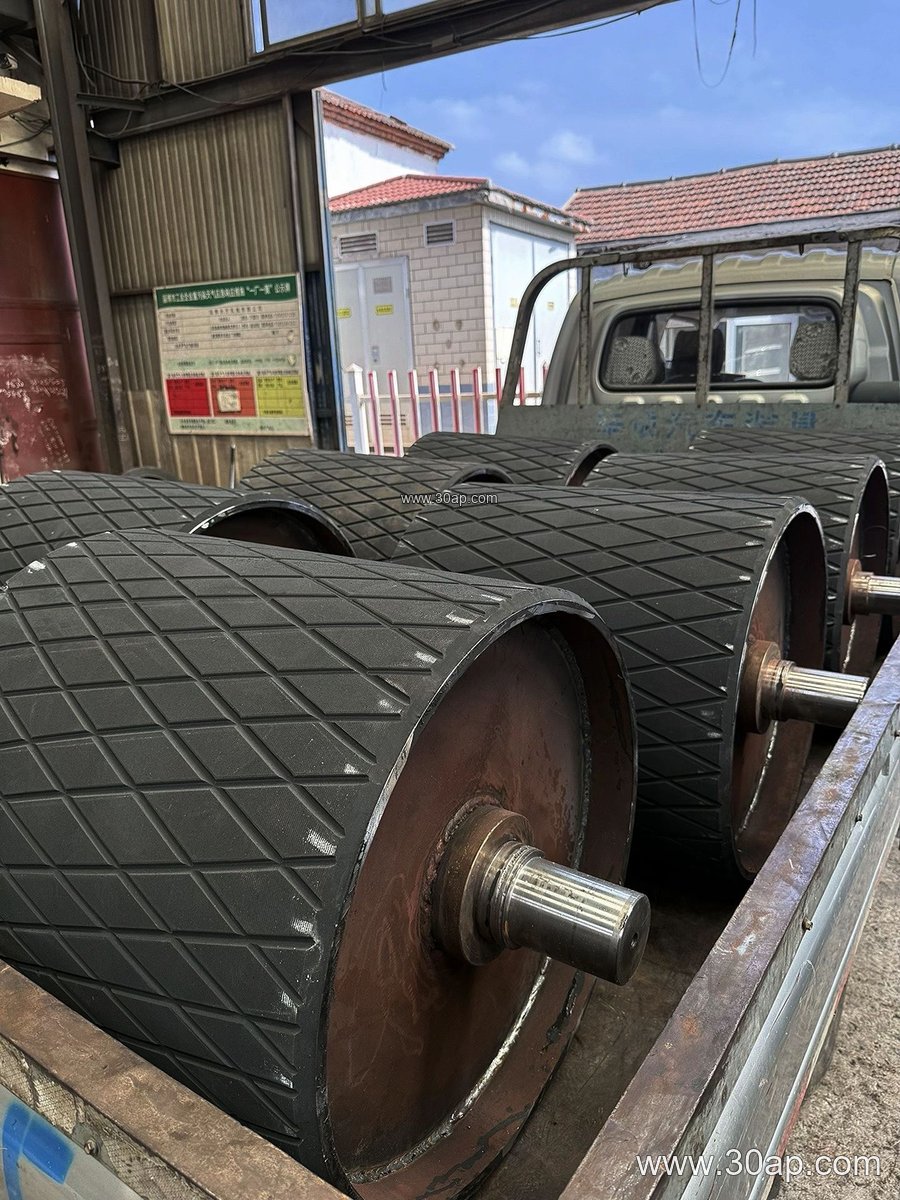
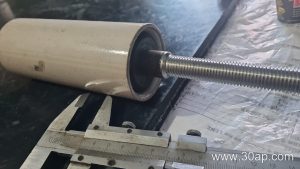
Bearings and locking assemblies are selected according to the shaft diameter, which is usually determined by torque and load rather than belt width alone. Typical shaft diameters include Ø50, Ø60, Ø70, Ø80, Ø90, Ø100, Ø120, Ø140, Ø160, Ø180, and Ø200 mm. The pulley diameter and face width are matched to the conveyor design; for example, a B800 belt might use a Ø500 pulley with a face width around 950 mm, but this is not a fixed rule.
Where It Fits in the Circuit
In a limestone quarry or aggregate crushing line, the aggregate conveyor pulley is often found at the head, tail, or bend points of a conveyor. At the head, a drive pulley transmits power to the belt; at the tail, a tail pulley maintains tension and alignment. Bend pulleys change the belt path, while take-up pulleys adjust tension. These roles are not interchangeable, and each position places different demands on the pulley. For instance, a drive pulley with diamond lagging may be used on a primary crusher discharge, while a plain bend pulley might guide the belt on a return run.
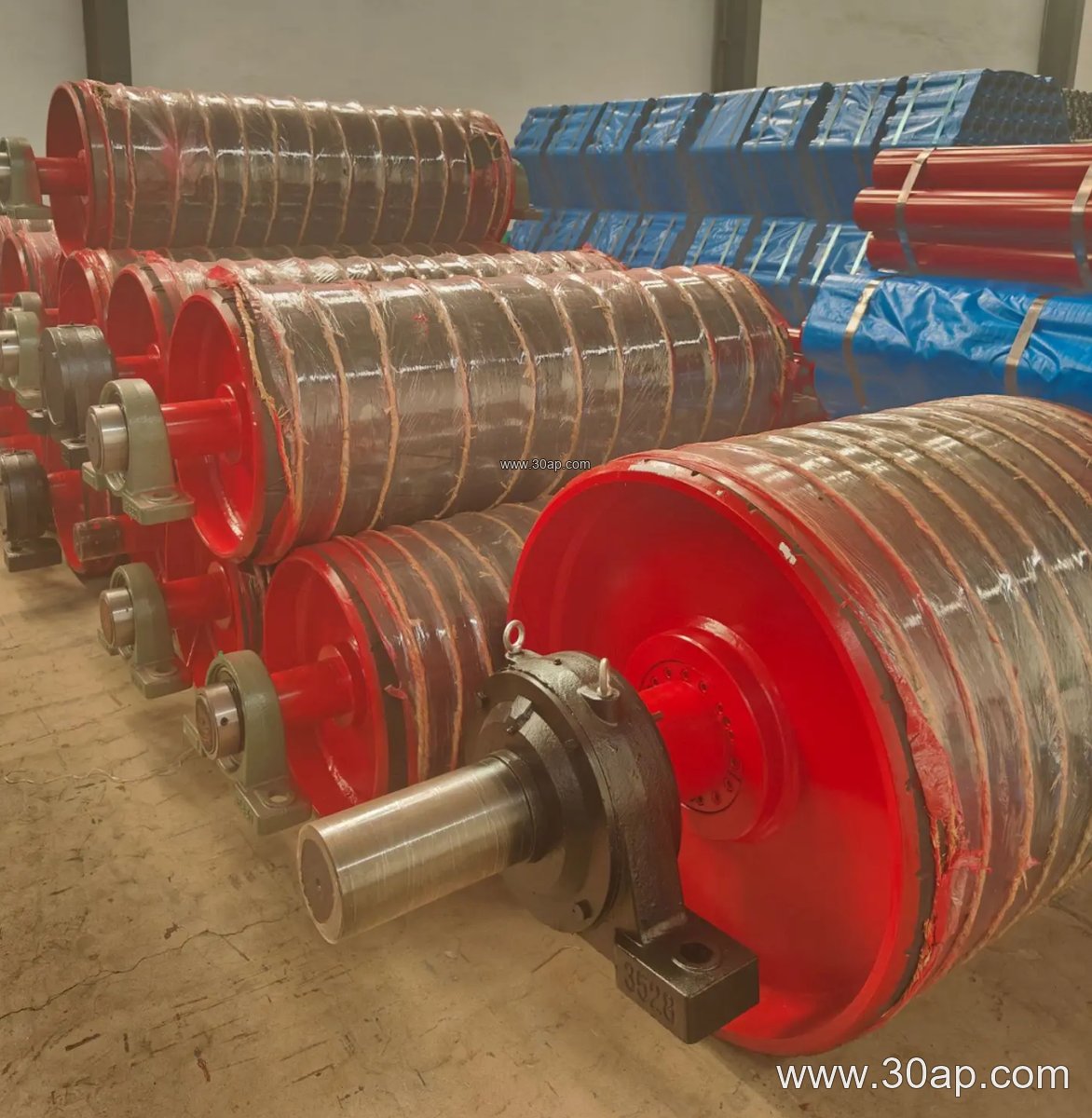
Other industries such as cement plants, coal washing plants, and power plant coal yards also rely on aggregate conveyor pulleys to handle bulk materials. In a concrete mixing station, a smaller pulley might work with a 600mm or 800mm wide belt, whereas a port bulk terminal could use a 1800mm wide belt on a large pulley. The key is to match the pulley to the conveyor’s tension, speed, and material characteristics.
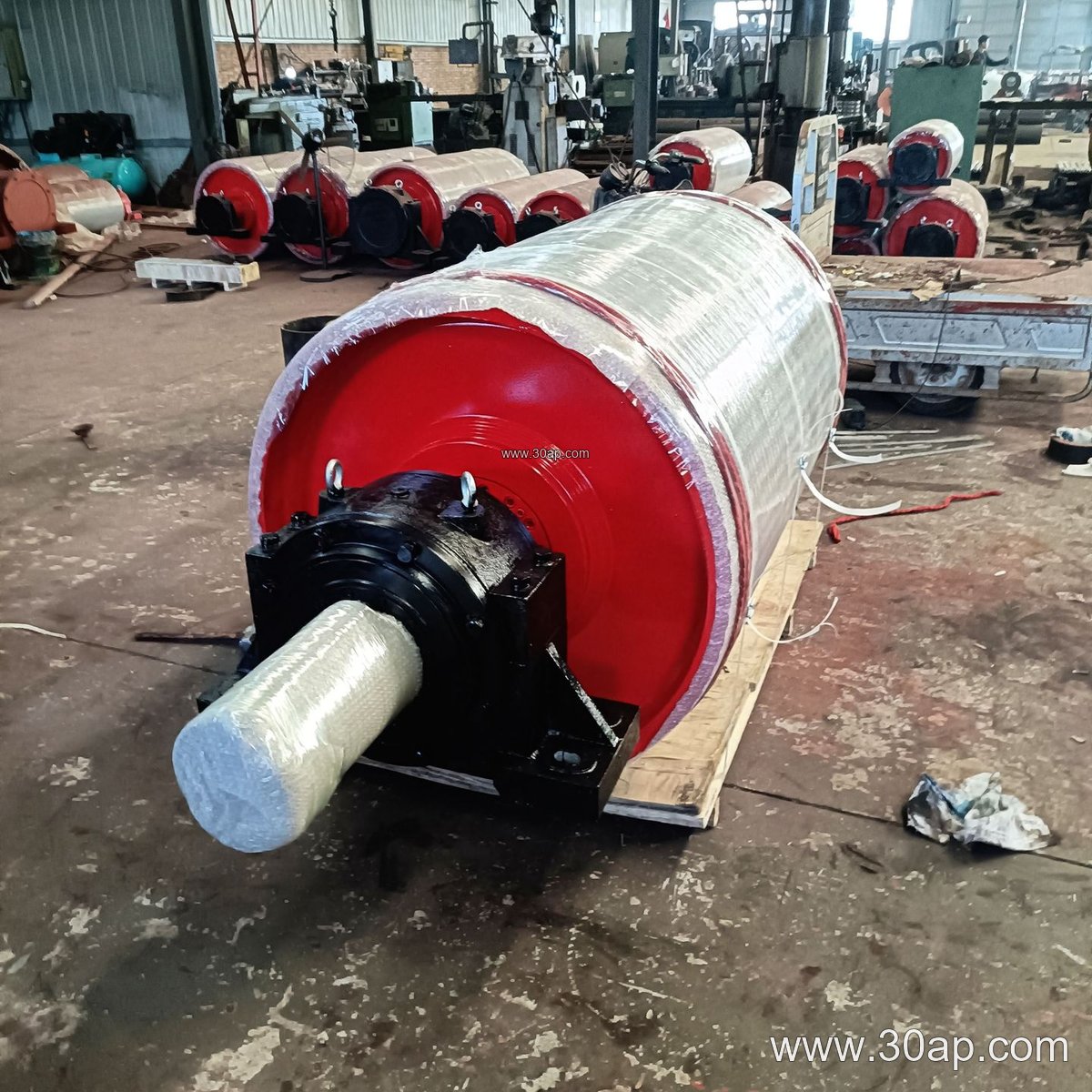
Specifications and Compatibility
Aggregate conveyor pulleys are available in a range of diameters and face widths. The table below shows common reference values, but final selection should always be based on the conveyor design.
| Belt Width (mm) | Typical Pulley Face Width (mm) | Common Pulley Diameter (mm) |
|---|---|---|
| B400 | 500 | Ø200, Ø250, Ø315 |
| B500 | 600 | Ø250, Ø315, Ø400 |
| B650 | 750 | Ø315, Ø400, Ø500 |
| B800 | 950 | Ø400, Ø500, Ø630 |
| B1000 | 1150 | Ø500, Ø630, Ø800 |
| B1200 | 1400 | Ø630, Ø800, Ø1000 |
| B1400 | 1600 | Ø800, Ø1000, Ø1250 |
| B1600 | 1800 | Ø1000, Ø1250, Ø1400 |
| B1800 | 2000 | Ø1250, Ø1400, Ø1600 |
| B2000 | 2200 | Ø1400, Ø1600, Ø1800 |
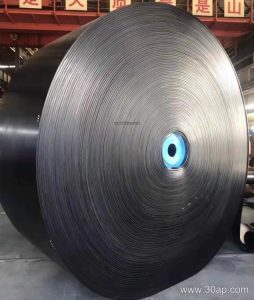
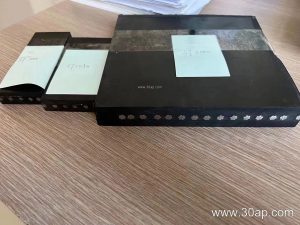
When selecting an aggregate conveyor pulley, consider the belt type it will run with. A heavy-duty mining conveyor belt or an abrasion resistant conveyor belt may require a pulley with robust lagging to prevent slip and wear. In coal mining, a flame retardant conveyor belt is often paired with a pulley that meets fire safety requirements. For long overland conveyors, a steel cord conveyor belt may demand a larger pulley diameter to reduce bending stress. Similarly, an EP conveyor belt or NN conveyor belt has different flexibility, which influences the minimum pulley diameter. Always consult the belt manufacturer’s recommendations for pulley diameter-to-belt thickness ratios.
Buyer Checklist
- Confirm the pulley’s position and duty: drive, tail, bend, take-up, or snub.
- Verify shaft diameter based on torque and load, not just belt width.
- Choose lagging type and thickness to suit material abrasiveness and grip needs.
- Ensure pulley face width exceeds belt width and matches the conveyor frame.
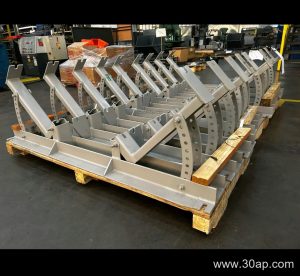
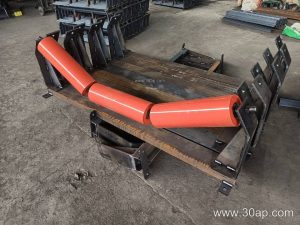
- Check compatibility with the conveyor belt specification and troughing idler roller arrangement.
- Review maintenance access and bearing lubrication points.
Regular inspection of lagging wear, shaft alignment, and bearing condition helps prevent unplanned downtime. In dusty aggregate operations, keeping the pulley surface clean and monitoring belt tracking are simple practices that extend service life. Whether the application is a quarry conveyor belt line or a cement plant clinker transport, the aggregate conveyor pulley remains a critical link in the material handling chain.