What a 500mm Conveyor Belt Is
A 500mm conveyor belt is a narrow-width belt, often written as B500 in specification sheets, used on conveyor lines where the material stream is modest, the space is limited, or the layout includes several transfers. It is the same product as a 500 mm wide conveyor belt, and buyers may see either form in quotations. Width is only one dimension; the carcass, cover grade, and edge construction decide how the belt performs in a given plant.
Because the belt is narrow, it is common on secondary and tertiary circuits rather than the main trunk of a large mine. In a sand and gravel plant it may feed a screen; in a cement plant it may carry clinker fines or additives; in a small coal preparation facility it may move washed product. The same width can also appear in a recycling line or a food-grade installation, provided the belt construction suits the duty.
Construction and Common Builds
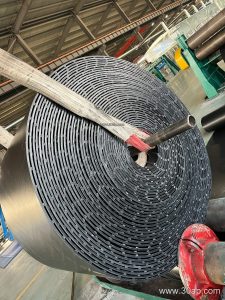
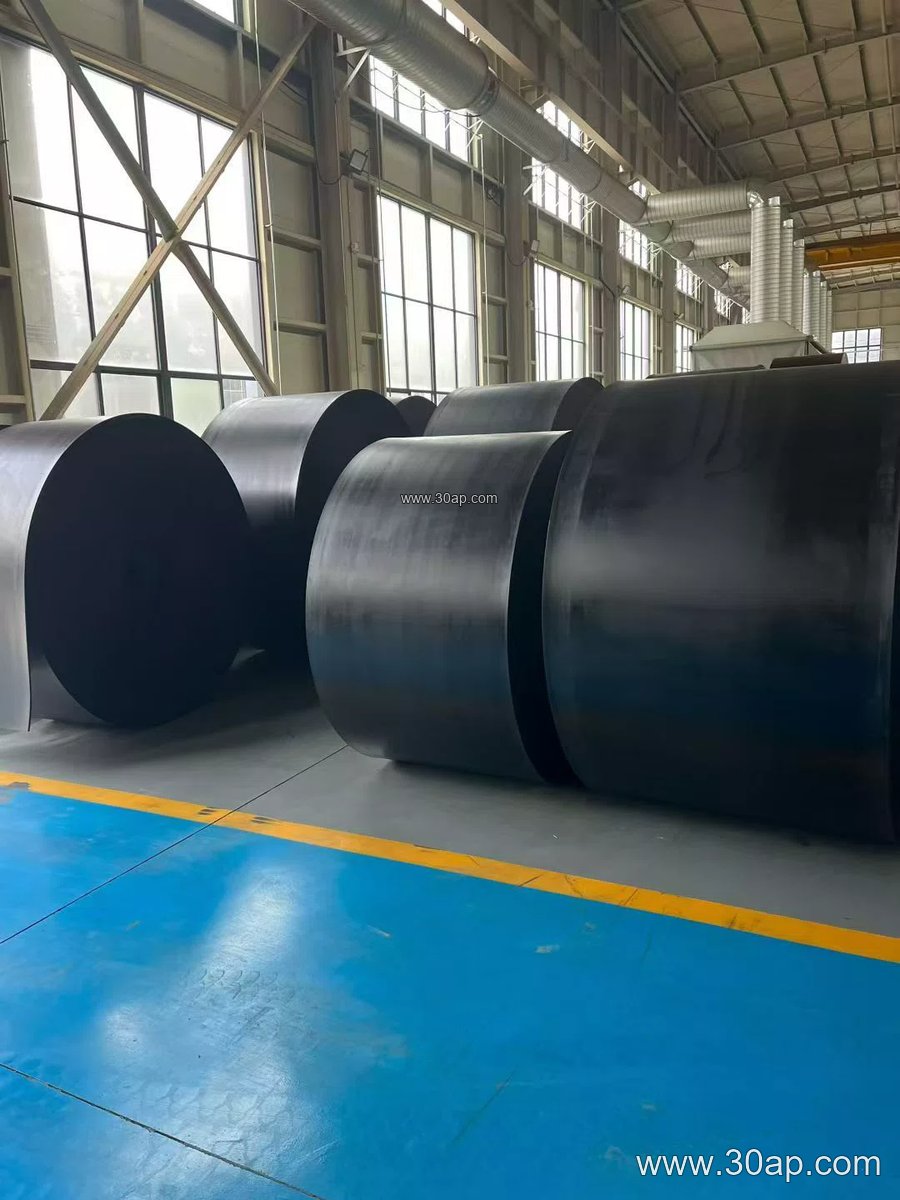
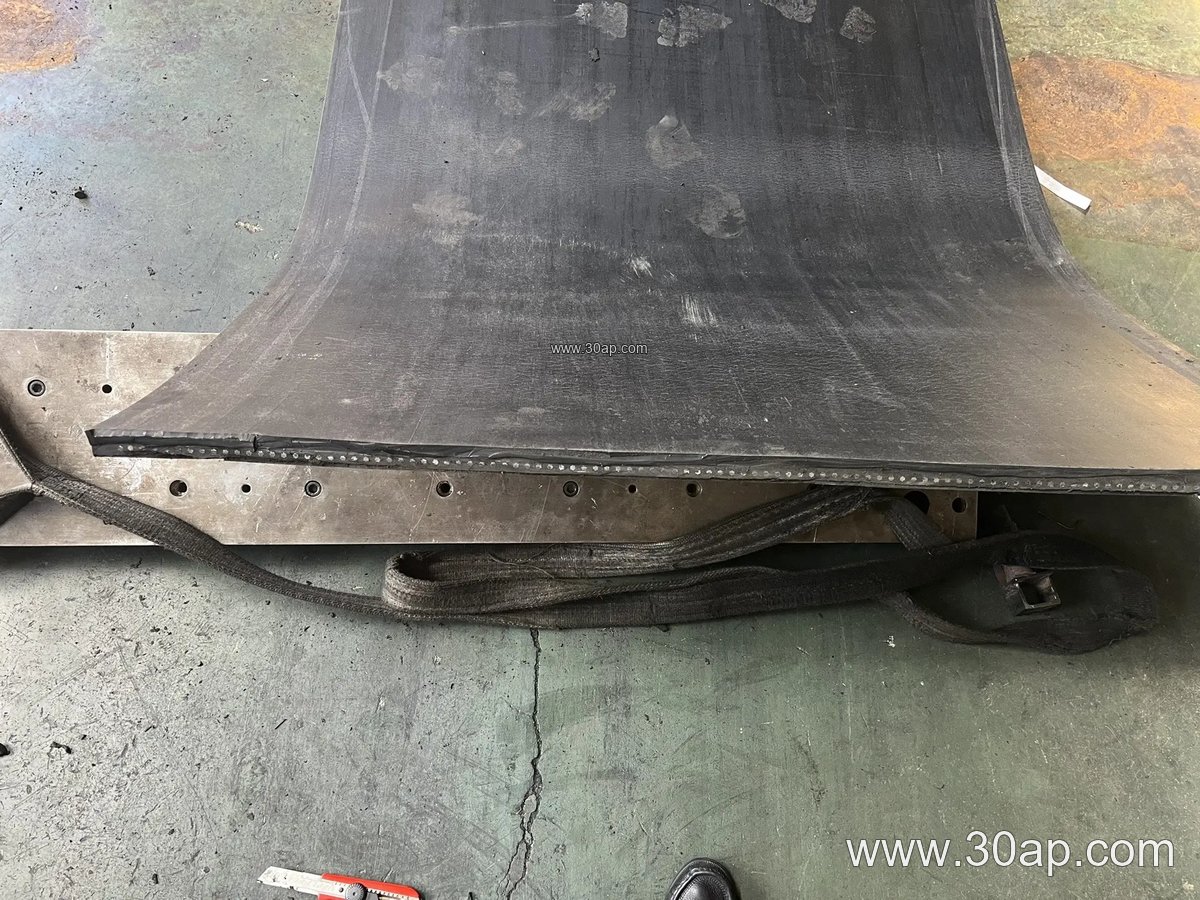
A typical 500mm conveyor belt has a fabric core with rubber covers, and the number of plies is chosen to suit the load and the pulley spacing. Two to four plies are common in this width, while heavier builds are used when impact or long center distances demand more strength. Cover thickness is usually stated as top plus bottom, for example 4+2 mm or 5+2 mm, and the correct combination depends on abrasion, heat, or oil exposure.
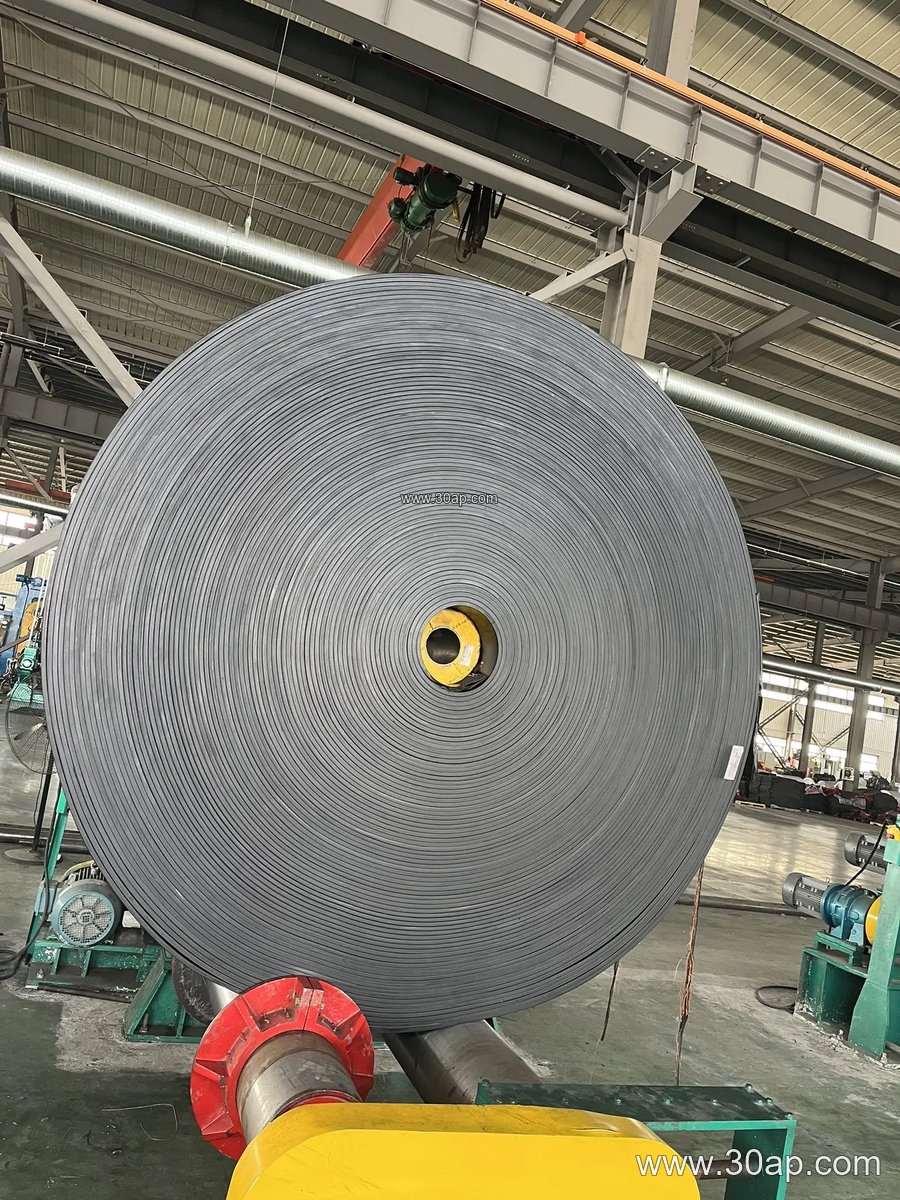
Several constructions are available in this width. An EP conveyor belt uses polyester-polyamide fabric and is a frequent choice for general bulk handling. An NN conveyor belt uses nylon fabric and offers good flexibility. A multi-ply fabric core conveyor belt suits mixed duty where tear resistance matters. Where sharp rock is present, a rubber conveyor belt with a high-abrasion cover is often specified. For dusty coal or underground work, a flame retardant conveyor belt or fire resistant conveyor belt may be required, and an anti-static conveyor belt helps where static buildup is a concern.
| Parameter | Common reference values |
|---|---|
| Belt width | B500 (500 mm) |
| Fabric core types | EP, NN, multi-ply fabric |
| Strength grades (EP) | EP200, EP315, EP400, EP500, EP630, EP800 |
| Cover thickness | 3+1.5, 4+2, 5+2 mm |
| Ply count | 2 to 4 plies typical |
| Special covers | Abrasion resistant, heat resistant, oil resistant, cold resistant |
Surface forms can be added when the incline is steep. A chevron conveyor belt, a skirted conveyor belt, or a corrugated sidewall conveyor belt may be used to keep material from sliding back or spilling at the edges. These are variants of the same product family, not replacements for a plain 500mm belt on a flat run.
Where This Width Fits
The 500mm conveyor belt is often found where a wider belt would be wasteful. In a quarry conveyor belt line, it may carry screened stone from one deck to the next. In an aggregate conveyor belt circuit, it can transfer sand and small aggregate. In a crusher conveyor belt arrangement, a narrow belt may return oversize material. Mining conveyor belt users sometimes employ this width on development drifts or on short face lines, while a coal mining conveyor belt system may use it for secondary haulage.
Other industries use the same width for different reasons. A power plant conveyor belt may handle limestone or ash in a confined gallery. A port conveyor belt or ship loading conveyor belt may use narrow belts for sampling or trimming. A food grade conveyor belt in this width is common on packing and inspection tables. The belt also appears in construction industry conveyor belt layouts and in recycling conveyor belt lines where space between structures is tight.
Matching Pulleys, Idlers, and Brackets
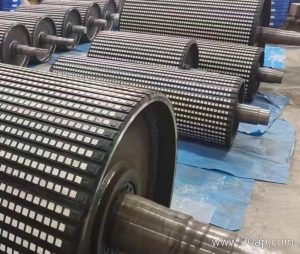
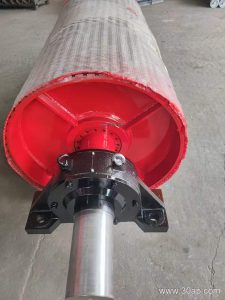
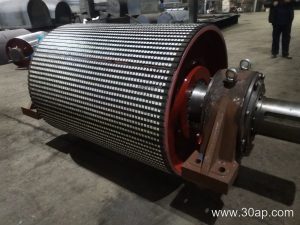
Belt width does not fix pulley diameter. The drive pulley, tail pulley, and bend pulley are selected from the belt tension, the carcass, and the wrap angle, and each has its own role. A 500mm belt may run on a small tail pulley and a larger drive pulley, and the bend pulley may differ again. Buyers should give the belt manufacturer the pulley diameters and the take-up arrangement rather than assuming a standard shaft size.
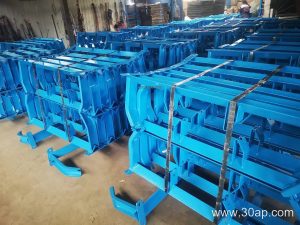
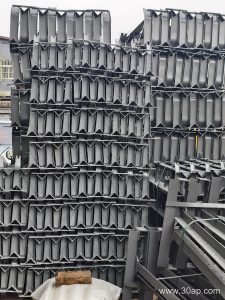
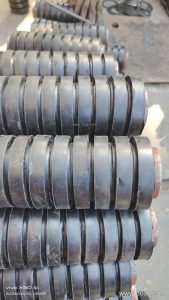
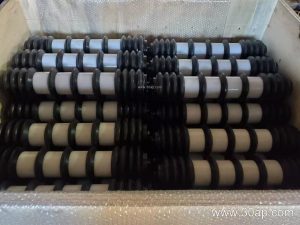
Idler roller spacing and trough angle also affect belt life. A narrow belt can be supported on two- or three-roll idler sets, and the conveyor bracket must match the frame. Troughing too sharply for a stiff carcass can cause edge stress, so the idler configuration should be agreed with the belt supplier.
Buyer Checklist
- Confirm the actual duty: material, lump size, temperature, oil or chemical exposure, and whether the area is classified for fire risk.
- State the required strength grade and ply count, not just the width.
- Give center distance, incline angle, and pulley diameters so the belt can be checked against the layout.
- Choose the cover grade for the dominant wear mode; abrasion, heat, and oil resistance are not interchangeable.
- Ask about edge protection and splice type, since a 500mm belt is often joined on site.
- Keep spare idler roller and pulley records so replacement parts match the original frame.
For a 500mm conveyor belt, the width is a starting point, not a full specification. A belt that suits a cement plant transfer may be wrong for an iron ore conveyor belt or a gold mining conveyor belt duty. Matching carcass, cover, and conveyor components to the actual line is what keeps a narrow belt running straight and lasting through the shift.