What the ST1250 Conveyor Belt Is
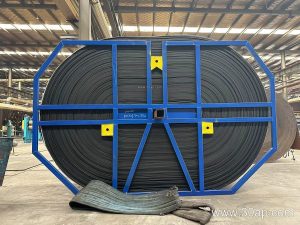
The ST1250 Conveyor Belt is a steel cord conveyor belt with a nominal tensile strength of 1250 N/mm. It belongs to the ST series, where the letters stand for steel cord and the number describes the belt’s breaking strength class. This is a heavy-duty belt built around brass-plated steel cords rather than fabric plies, which gives it high strength with relatively low elongation. In a long overland conveyor or a main haulage line, that combination matters because it keeps take-up travel and power demand under control.
Buyers browsing a conveyor belt catalogue will often see this product described as an ST1250 steel cord belt or a high strength conveyor belt. These are accurate equivalents for the same item. It should not be confused with fabric-reinforced constructions such as an EP Conveyor Belt or a NN Conveyor Belt, which serve different duty ranges.
Construction and Internal Layout
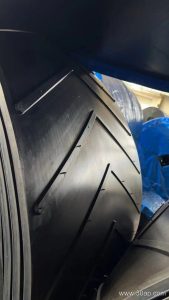
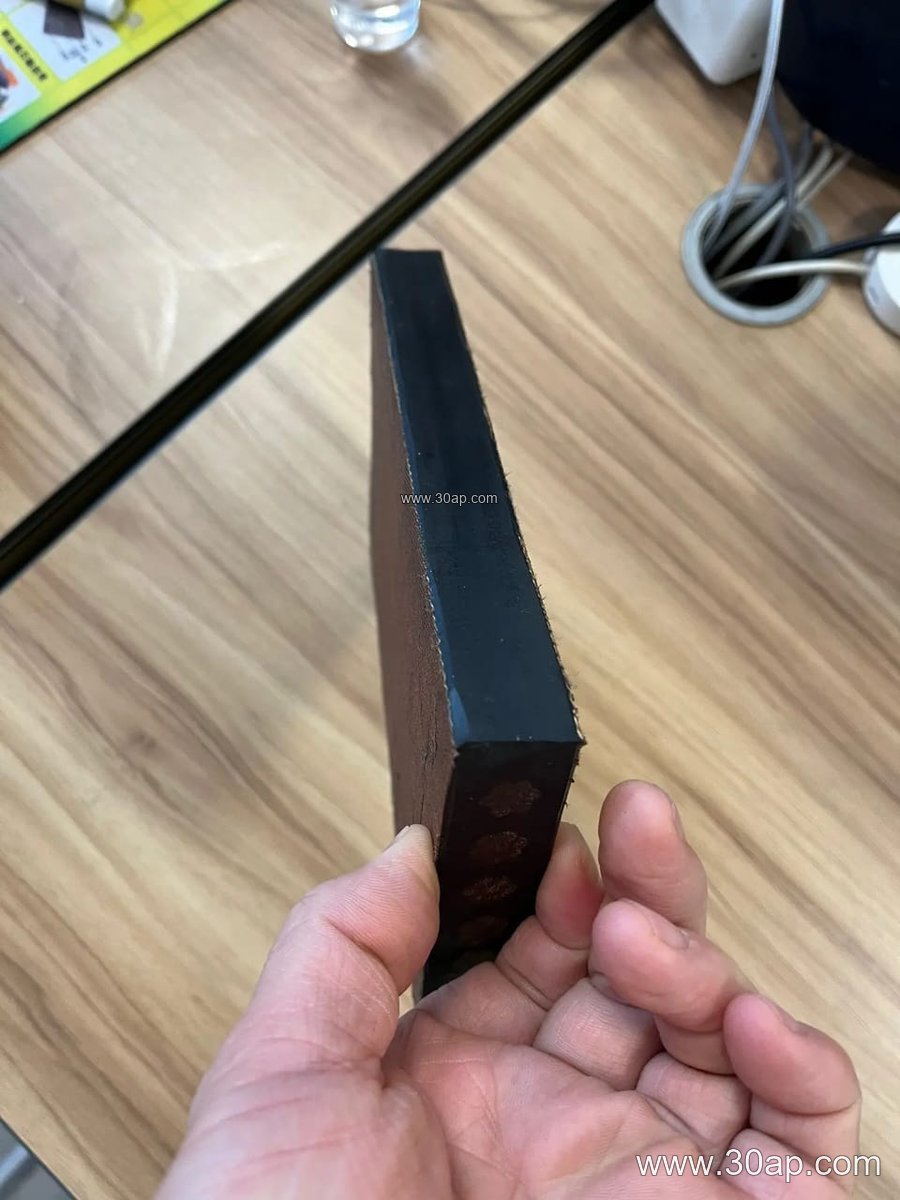
The core of an ST1250 belt is a single plane of steel cords, spaced evenly across the width and embedded in a rubber compound. A transverse reinforcement layer is usually added above the cords to protect the carcass and improve resistance to impact and tearing. Top and bottom cover rubber grades are selected according to the material being carried and the environment.
Cover thickness is normally quoted as a pair, for example 6+2 mm or 8+3 mm, meaning top cover plus bottom cover. Common cover grades include abrasion resistant, heat resistant, oil resistant, flame retardant, anti-static and cold resistant compounds. In coal mining and underground coal mining applications, flame retardant and anti-static properties are often specified together. For cement plants and power plants handling hot clinker or ash, a heat resistant cover is more usual.
Typical Reference Data
The values below are common reference points, not a fixed supply promise. Final construction is confirmed by the belt designer.
| Parameter | Common Reference |
|---|---|
| Strength class | ST1250 (1250 N/mm) |
| Belt width | B800, B1000, B1200, B1400, B1600, B1800, B2000 |
| Cover thickness | 4+2, 5+2, 6+2, 8+3 mm |
| Cord pitch | Set by manufacturer and belt width |
| Cover grades | Abrasion resistant, heat resistant, flame retardant, oil resistant, anti-static |
Where It Fits in a Plant
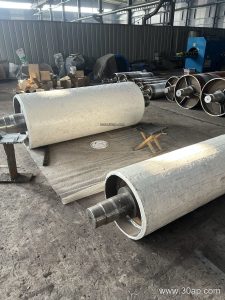
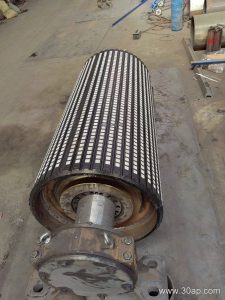
Steel cord belts of this class are found in mines, quarries, cement works, steel plants and port terminals. A typical duty is moving crushed ore, limestone, coal or aggregate over a long distance at high tonnage. In a crushing circuit, the belt may run from a primary crusher to a stockpile, passing over idler rollers and around a head pulley, bend pulley and tail pulley. Each of those components is a separate item with its own selection criteria; a bend pulley is not a substitute for a tail pulley, and neither should be treated as interchangeable with a drive pulley.
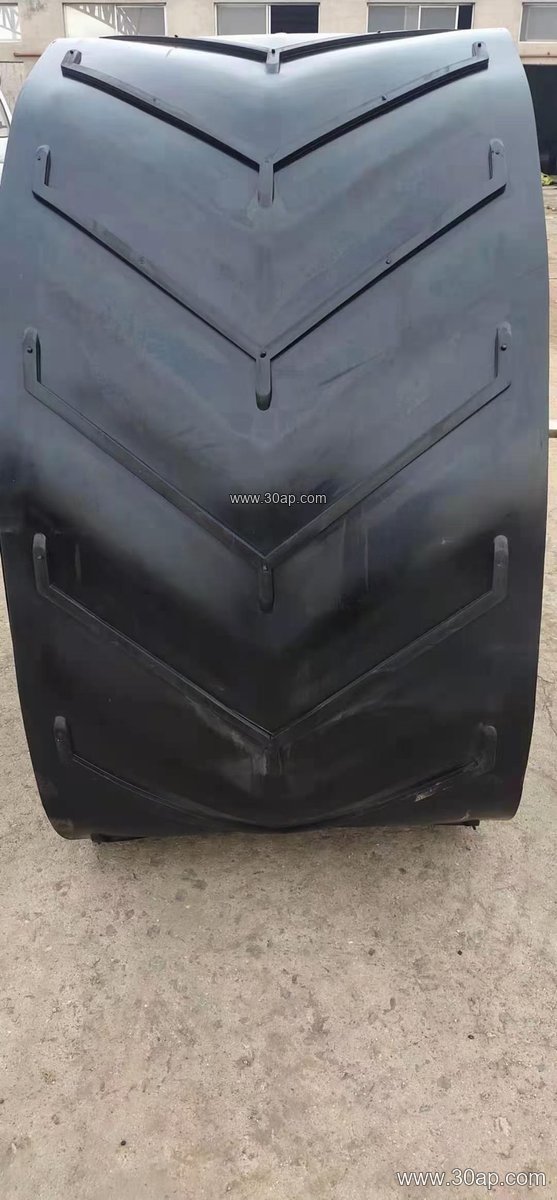
Where the route curves, a pipe conveyor belt or a corrugated sidewall conveyor belt may be considered instead, but those are different constructions and should not be used as replacements in an ST1250 specification. For inclined sections carrying wet material, a chevron conveyor belt is sometimes compared, again as an alternative design rather than a direct swap.
Selection Points for Buyers
- Strength margin: Check the calculated maximum belt tension against the 1250 N/mm rating with a suitable safety factor for starting and stopping.
- Cover choice: Match the compound to the cargo. Abrasive rock calls for a high abrasion resistant grade; coal handling often needs flame retardant and anti-static properties.
- Width and speed: Belt width and speed are chosen together so the material bed stays stable on the troughing idlers.
- Pulley and shaft sizing: Pulley diameter and shaft diameter are calculated from belt tension and torque, not from belt width alone.
- Splicing: Steel cord belts are usually joined by a vulcanized splice. Confirm that the splice method suits the cord pitch and that the site has the equipment to do it.
Installation and Maintenance Notes
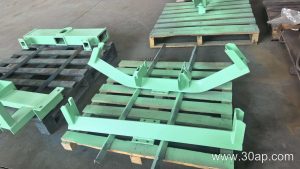
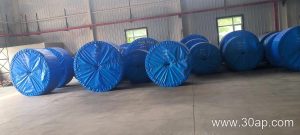
Alignment is critical on any steel cord installation. Misaligned conveyor brackets or worn idler rollers can cause edge damage and shorten belt life. Check that the conveyor pulley lagging and the belt surface are clean before start-up, and inspect the splice regularly for cord exposure. Storage also matters: keep the roll supported, away from direct sunlight and ozone sources, and avoid sharp bends that could kink the cords.
For a full system, the belt works with conveyor pulleys, idler rollers and conveyor brackets selected as a matched set. A belt that is correct on paper can still fail early if the supporting hardware is undersized or poorly aligned. Review the whole conveyor rather than the belt in isolation when planning a replacement or an upgrade.