What Influences Conveyor Bracket Price
The price of a conveyor bracket is rarely a single number pulled from a catalog. It reflects the bracket type, the belt width it supports, the trough angle, the roller diameter it accepts, the material and finish, and the quantity ordered. For anyone sourcing components for a quarry, a coal washing plant, or a cement kiln line, understanding these variables helps separate a fair quote from a vague estimate. A conveyor bracket is the structural element that holds the idler roller in place along the carrying and return sides of a conveyor belt. Its job is simple to describe but critical to conveyor alignment and uptime.
Common bracket types and their cost drivers
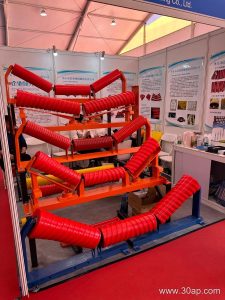
Troughing brackets, transition brackets, return brackets, V-return brackets, impact brackets, self-aligning brackets, and adjustable brackets each carry different fabrication complexity. A fixed 35-degree troughing bracket for a B800 belt with Ø108 rollers is a relatively straightforward weldment. An adjustable bracket that can shift between 20, 30, 35, and 45 degrees involves more machining and adjustment features, which typically raises the unit price. Self-aligning and training brackets add pivot or friction components, and impact brackets often use heavier plate or reinforced mounting points.
Material and construction
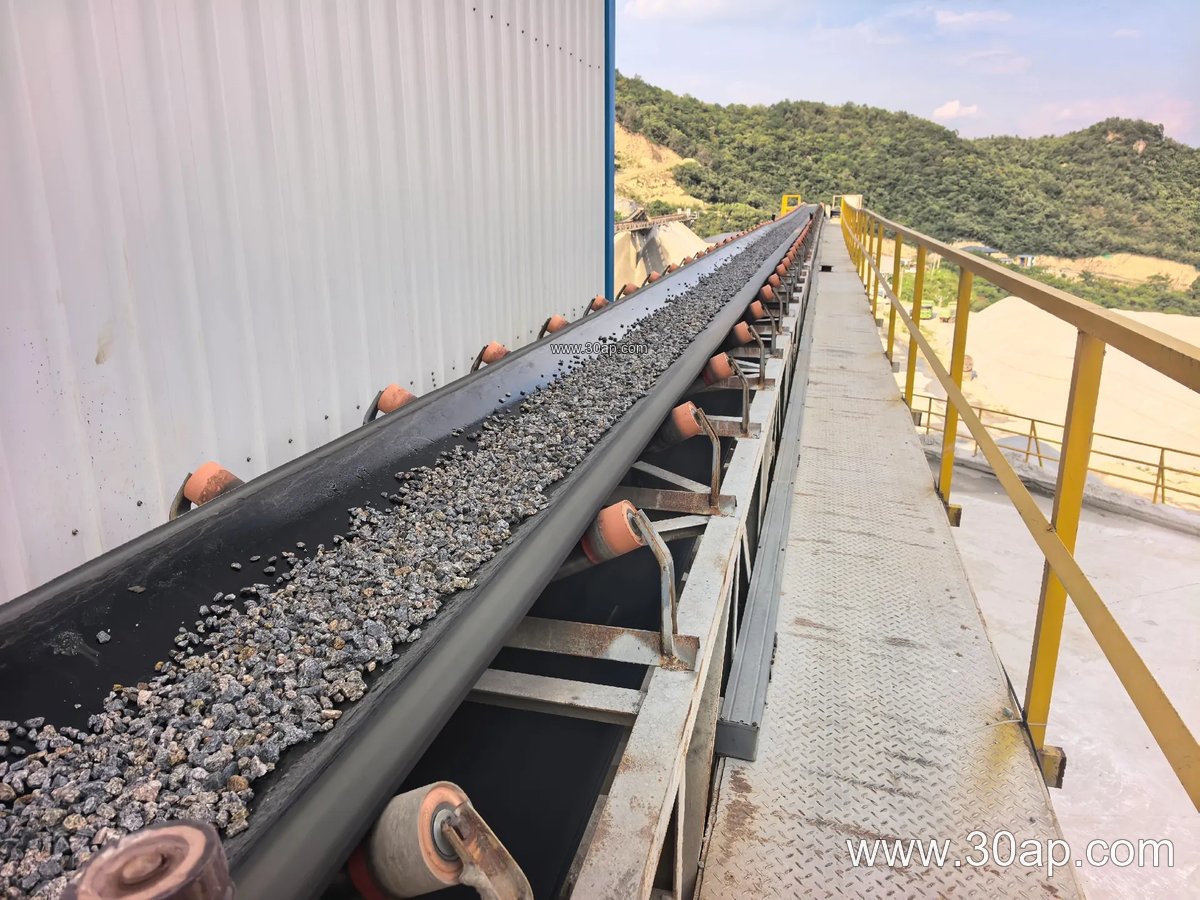
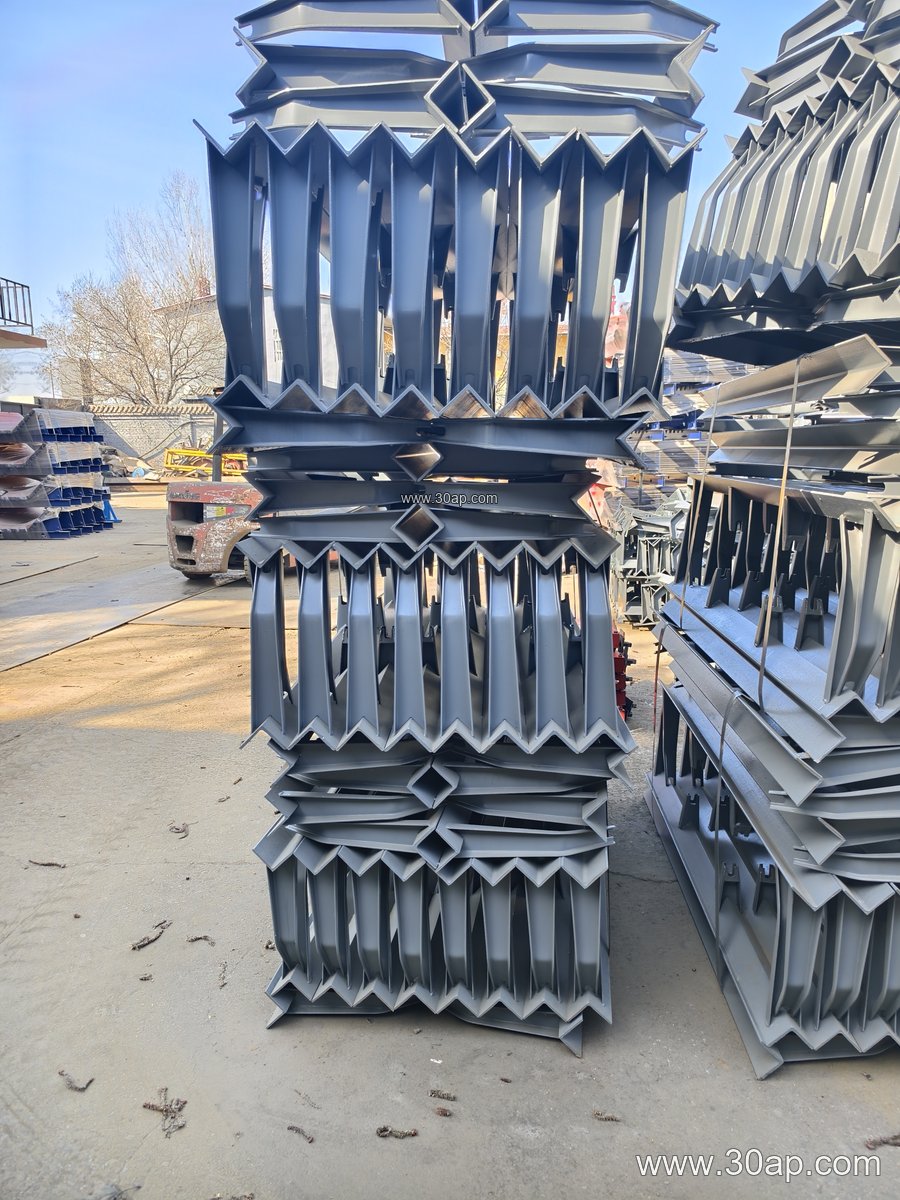
Most brackets are made from angle steel, channel steel, or folded steel plate. A light-duty bracket for a 650mm wide conveyor belt may use thinner angle, while a heavy-duty mining conveyor bracket for a 1400mm belt with Ø159 rollers usually needs thicker channel and larger mounting plates. Surface treatment—paint, galvanizing, or powder coating—also affects cost. For dusty, wet, or corrosive environments such as a port terminal or a fertilizer plant, a more durable finish can justify a higher initial price by reducing replacement frequency.
How Belt Width and Roller Diameter Affect Price
Belt width and roller diameter are two of the most practical cost factors. A bracket sized for a 500mm conveyor belt is smaller and lighter than one for a 2000mm belt, and the difference in steel weight and machining time shows up in the quote. The roller diameter the bracket must accept—Ø89, Ø108, Ø133, Ø159, or Ø194—determines the mounting slot or cradle dimensions. A bracket designed for Ø133 rollers cannot simply be swapped onto a line using Ø108 rollers without checking the interface.
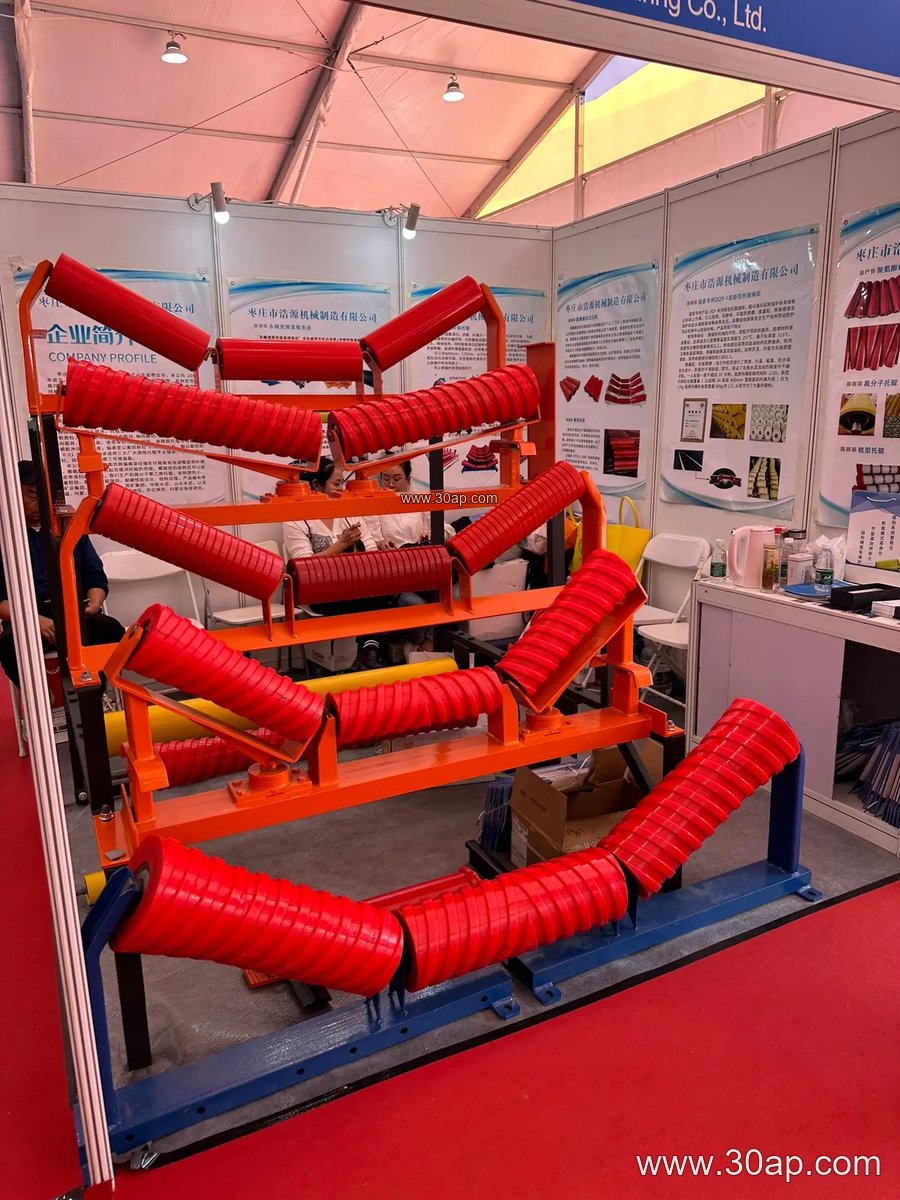
Note that belt width does not lock a bracket to one trough angle or one roller diameter. A B1000 belt might run with a 30-degree trough and Ø108 rollers in one plant and a 45-degree trough with Ø133 rollers in another, depending on the material and capacity. Installation hole spacing and crossbeam length vary with belt width and trough angle, so these should be confirmed per design rather than assumed from a single table.
Reference dimensions for common bracket configurations
| Belt width (B) | Typical trough angle | Common roller diameter | Bracket style |
|---|---|---|---|
| B500 | 20°–30° | Ø89 | Troughing, return |
| B650 | 30° | Ø89–Ø108 | Troughing, V-return |
| B800 | 35° | Ø108 | Troughing, impact |
| B1000 | 35°–45° | Ø108–Ø133 | Troughing, self-aligning |
| B1200 | 45° | Ø133 | Troughing, transition |
| B1400 | 35°–45° | Ø133–Ø159 | Heavy-duty troughing |
| B1600 | 45° | Ø159 | Heavy-duty, impact |
| B1800 | 35°–45° | Ø159–Ø194 | Heavy-duty troughing |
These values are common references, not fixed combinations. Always match the bracket to the actual idler roller and conveyor belt specification.
Where Conveyor Brackets Are Used
In a sand and gravel line, troughing brackets keep the conveyor belt in a stable trough so aggregate does not spill. In a coal mining operation, flame retardant conveyor belt and impact brackets work together at transfer points to absorb lump impact. In a power plant coal yard, return brackets and V-return brackets support the empty side of the belt and help control tracking. The same bracket family appears in steel mills, sinter plants, and batching stations, but the duty class and finish change with the environment.
Brackets are also used with corrugated sidewall conveyor belt and pipe conveyor belt systems, where the bracket geometry must respect the belt profile and the idler roller arrangement. In each case, the bracket is a relatively small part of the conveyor cost, yet a poor fit can accelerate belt edge wear and roller failure.
Buyer Checklist Before Comparing Prices
- Confirm the bracket type: troughing, return, V-return, impact, self-aligning, or adjustable.
- State the belt width—B500 through B2200—and the required trough angle.
- Specify the roller diameter the bracket must hold, such as Ø108 or Ø133.
- Ask about material thickness and surface treatment for the site conditions.
- Clarify installation hole spacing and crossbeam length, since these vary by design.
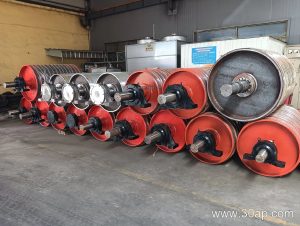
- Check compatibility with the conveyor pulley and idler roller set already in use.
A conveyor bracket price is best evaluated as part of the total conveyor component package. When the bracket, idler roller, and conveyor pulley are correctly matched, the conveyor belt runs straighter and the maintenance interval lengthens. For more details on matching brackets to your belt and roller sizes, visit our conveyor bracket price page or contact our team with your B-width, trough angle, and roller diameter.