What the EP1000 1200mm Conveyor Belt Is
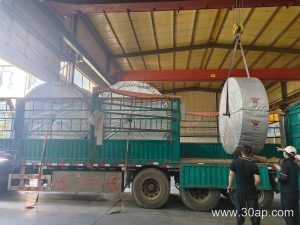
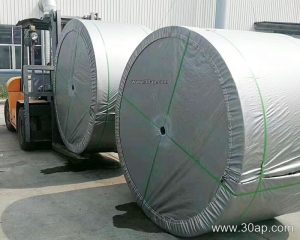
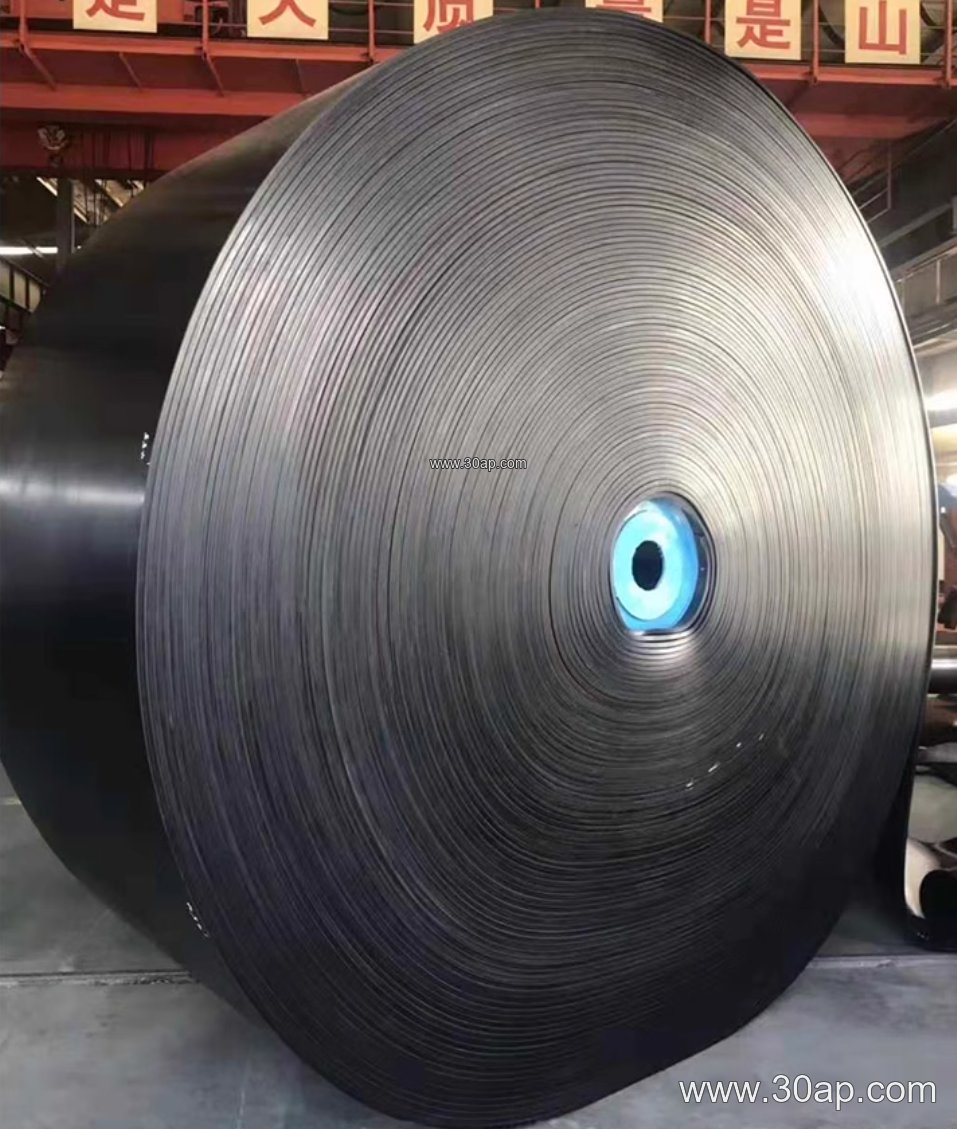
The EP1000 1200mm conveyor belt is a fabric-core rubber belt built for demanding bulk material transport. EP stands for polyester-cotton (polyester warp, nylon weft) fabric, and the 1000 indicates a nominal tensile strength of 1000 N/mm per ply. With a 1200mm width, this belt suits medium-to-large conveyor systems that move abrasive or heavy loads. It is an EP conveyor belt, also called an EP rubber conveyor belt, and belongs to the broader family of fabric core conveyor belts. Unlike a steel cord conveyor belt, which uses steel wires for very high tension, the EP1000 relies on multi-ply fabric layers for flexibility and moderate strength. This makes it a practical choice for many quarry, cement, and power plant circuits.
Construction and Key Components
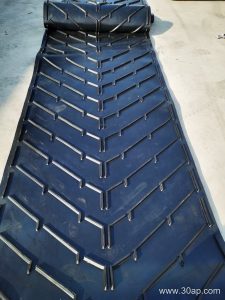
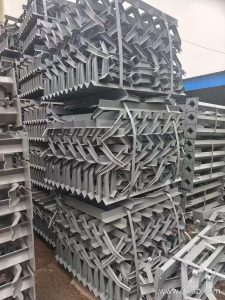
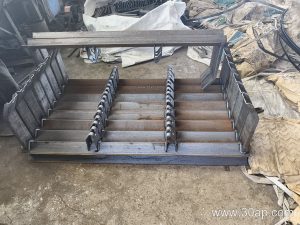
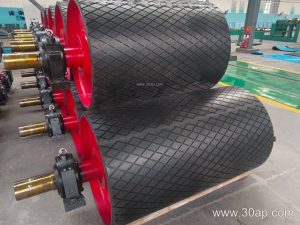
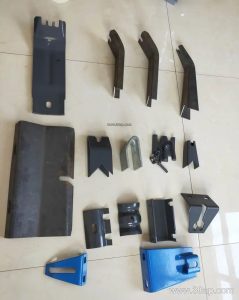
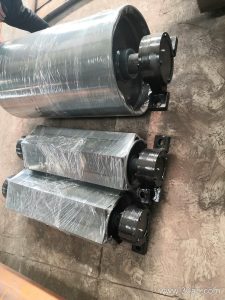
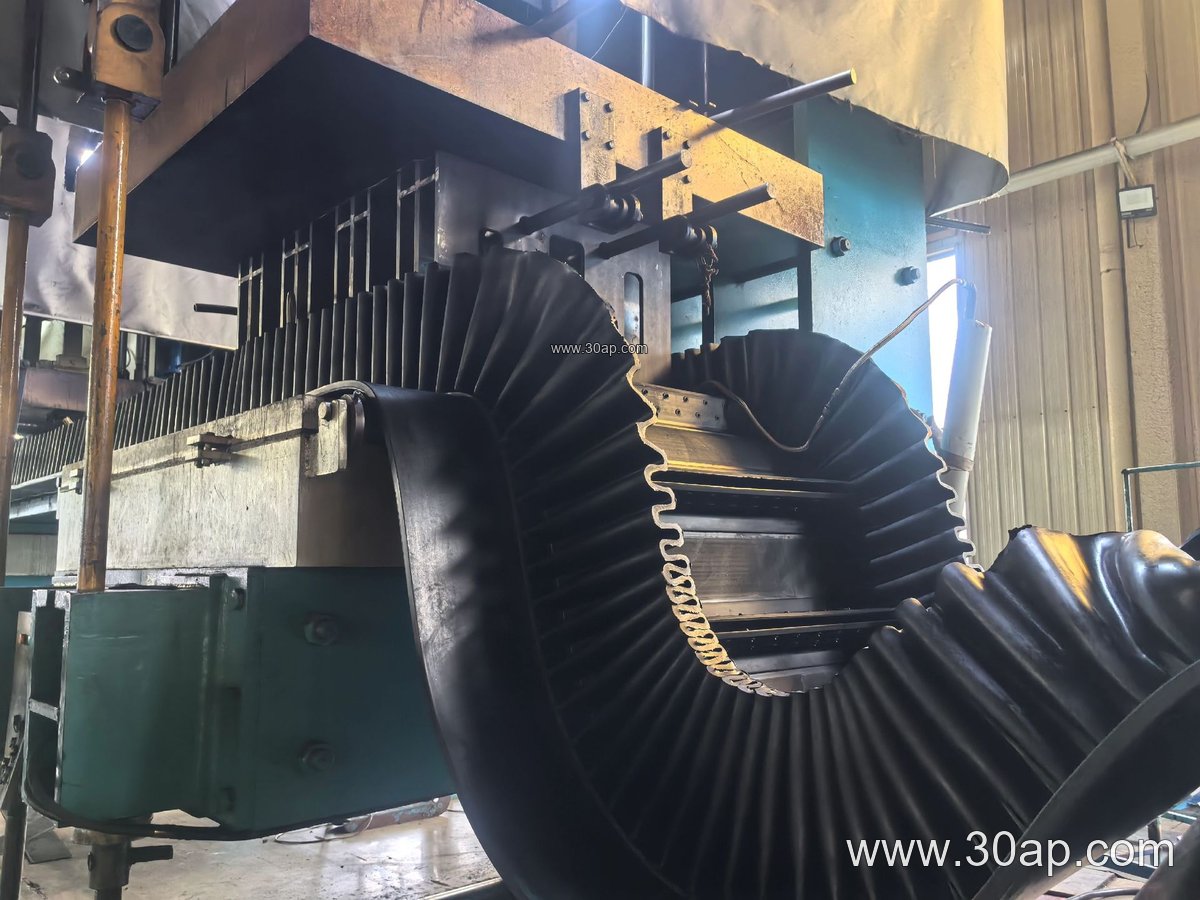
A typical EP1000 1200mm conveyor belt is built from several layers. The carcass usually consists of 2 to 6 plies of EP fabric, bonded with rubber skim. Top and bottom cover rubber protect the carcass from wear and impact. Common cover thickness combinations include 4+2 mm, 5+2 mm, and 6+2 mm, though exact values are specified by the designer. The belt edges can be cut or moulded. For special duties, manufacturers may add a chevron conveyor belt profile, corrugated sidewall, or skirted edges. However, the standard EP1000 1200mm belt is a flat belt. The belt works together with conveyor pulleys, idler rollers, and conveyor brackets. Drive pulleys transmit motion, tail pulleys return the belt, and bend pulleys route it. These pulley types are not interchangeable, and each has a distinct role.
Where It Is Used
The EP1000 1200mm conveyor belt is common in mining conveyor belt systems, including coal mining conveyor belt and underground mining conveyor belt applications where flame retardant conveyor belt properties are required. In cement plants, it carries clinker and raw meal. Power plants use it for coal and ash handling. Quarries and aggregate operations rely on it for crushed stone and sand. Other industries include steel plants, ports, and recycling facilities. The belt is often specified as an abrasion resistant conveyor belt for hard rock, or as a heat resistant conveyor belt when material temperature is elevated. For cold climates, a cold resistant conveyor belt grade may be needed. In coal mines, anti-static conveyor belt and fire resistant conveyor belt qualities are important for safety. The same 1200mm width can be found in stone crushing plants and ship loading systems. For comparison, a narrower 1000mm conveyor belt may serve lighter lines, while a 1400mm conveyor belt handles higher tonnages. The 1200mm size is a versatile middle ground.
Specifications and Selection Notes
When choosing an EP1000 1200mm conveyor belt, buyers should consider the following parameters. The table below lists typical reference values, not fixed universal specifications.
| Parameter | Common Range / Example |
|---|---|
| Belt width | 1200 mm (B1200) |
| Tensile strength | EP1000 (1000 N/mm per ply) |
| Number of plies | 2 to 6 |
| Cover thickness | 4+2 mm, 5+2 mm, 6+2 mm, 8+3 mm |
| Belt thickness | Varies with cover and carcass; often 10 mm to 20 mm |
| Top cover grade | Abrasion resistant, heat resistant, oil resistant, flame retardant |
| Edge type | Cut edge or moulded edge |
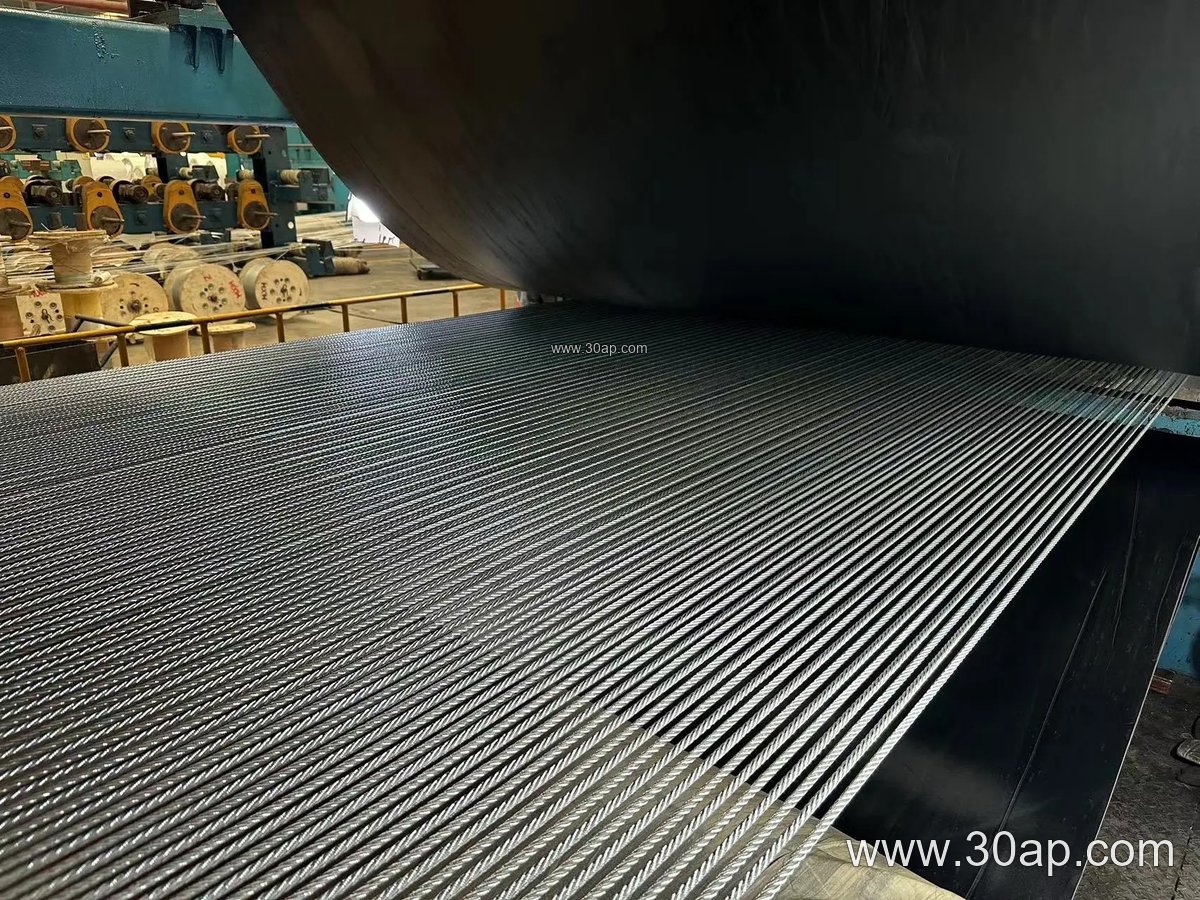
Selection depends on the material being conveyed, lump size, loading conditions, and pulley diameters. A wider belt such as a 1500mm conveyor belt or 1800mm conveyor belt may be needed for very high capacity, while a 1200mm belt is often sufficient for medium-duty mining and industrial lines. Do not assume that a given belt width automatically matches a specific pulley diameter; the pulley size is determined by belt tension and system design. Also, a fixed shaft diameter cannot be derived from belt width alone. For high-tension applications, an EP1250 or EP1600 grade may be more appropriate. For extremely high strength, a steel cord conveyor belt like ST1000 or ST1250 could be considered, but it is a different product type.
Maintenance and Buyer Tips
Proper maintenance extends belt life. Check idler rollers for seizure, keep pulleys aligned, and inspect conveyor brackets for looseness. Avoid over-tensioning. Store belts in a dry, shaded area. When joining, use the correct splice method for the application. For abrasive materials, consider a high abrasion resistant conveyor belt cover. For oily materials, an oil resistant conveyor belt cover helps. In underground coal mining, verify flame retardant and anti-static properties. Always request the manufacturer’s data sheet for the specific EP1000 1200mm conveyor belt, as cover thickness, ply count, and rubber grade can vary. Buyers should also confirm the belt’s suitability for the intended pulley diameters and take-up system. A belt that is too stiff for small pulleys may crack. Conversely, a very flexible belt may not handle high impact. The EP1000 1200mm conveyor belt offers a balanced combination of strength, flexibility, and width for many bulk material handling tasks.