What a Conveyor Bracket Is and Why Its Price Varies
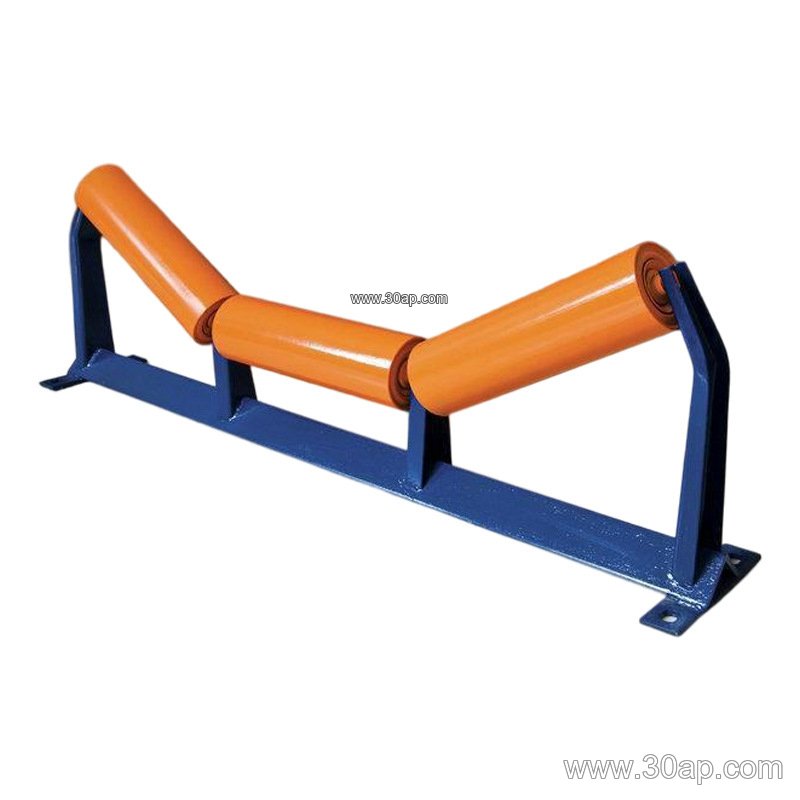
A conveyor bracket is the structural support that holds idler rollers in the correct position under and over the conveyor belt. In a quarry, a limestone mine, or a cement plant, these brackets are bolted to the conveyor frame and carry the idler roller assembly that shapes and supports the belt. When buyers ask about conveyor bracket price, they are usually comparing the cost of a complete support unit, not a single piece of steel. The price depends on the bracket type, the belt width it serves, the trough angle, the roller diameter it accepts, and the material and finish used in fabrication.
The same support item is also called a conveyor idler bracket or idler frame bracket. These names refer to the same product, and a supplier may list it under either term.
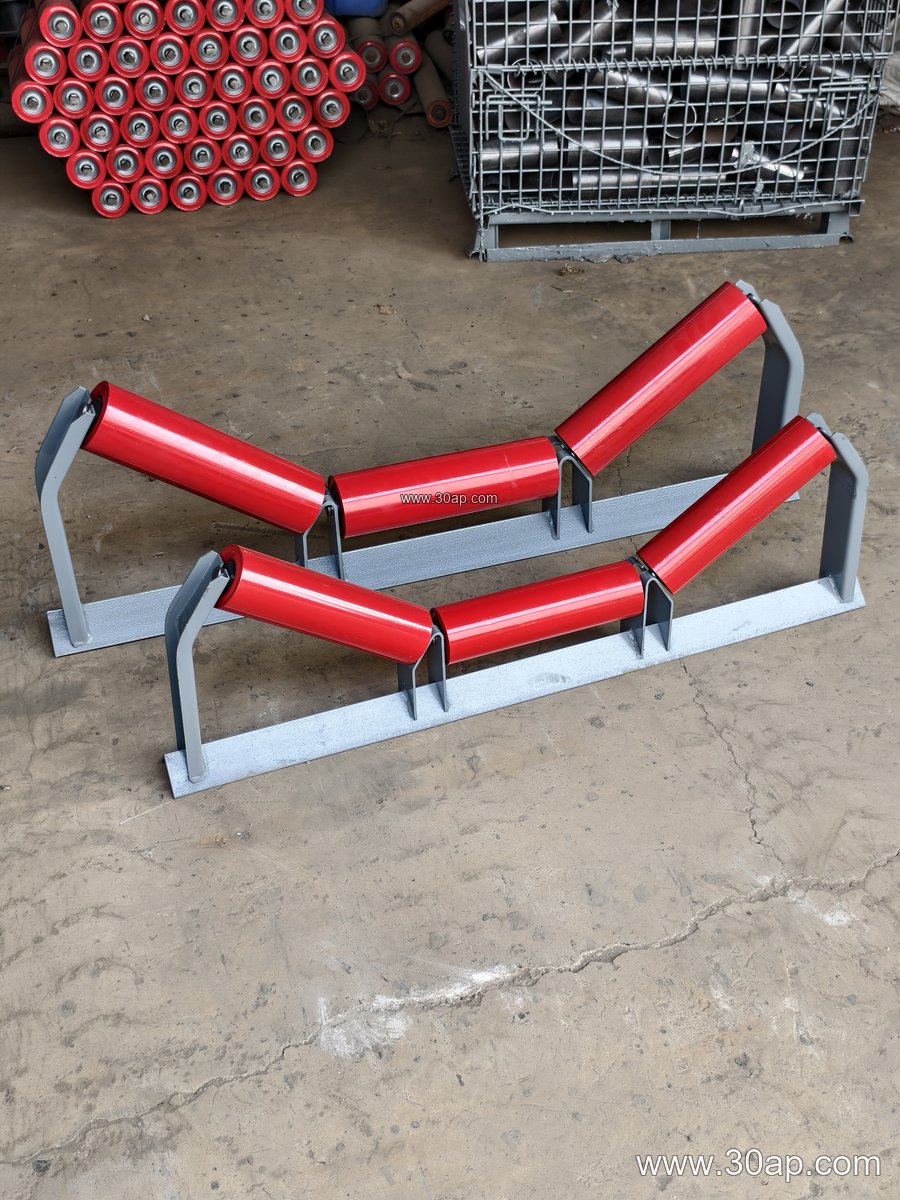
How the Bracket Is Built
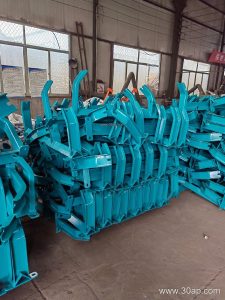
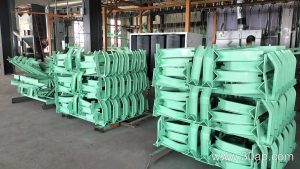
Most brackets are made from angle steel, channel steel, or folded steel plate. A troughing bracket typically has two angled wings that hold the side rollers at a set trough angle, plus a center seat for the middle roller. The frame is drilled for mounting bolts, and the hole spacing and crossbeam length change with belt width and trough angle rather than staying fixed. Surface treatment may be painted or galvanized, which affects both durability and price.
- Troughing bracket for carrying idlers on the top run
- Return bracket or V-return bracket for the lower run
- Transition bracket near pulleys, where the belt changes shape
- Impact bracket at loading points, often paired with impact idlers
- Self-aligning bracket for belt tracking on long runs
- Adjustable bracket that can be set between common trough angles
Where the Brackets Are Used
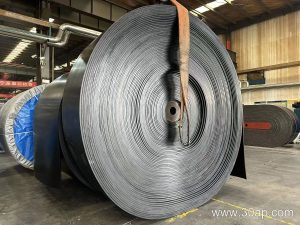
These supports appear wherever a conveyor belt moves bulk material. In a coal preparation plant, flame retardant conveyor belt and anti-static conveyor belt run on troughing brackets through transfer points. In an iron ore or copper ore operation, heavy-duty mining conveyor belt and abrasion resistant conveyor belt need robust brackets that hold their shape under load. A power plant coal yard, a port ship loading line, and a stone crushing plant all rely on the same basic support principle, even when the belt specification changes.
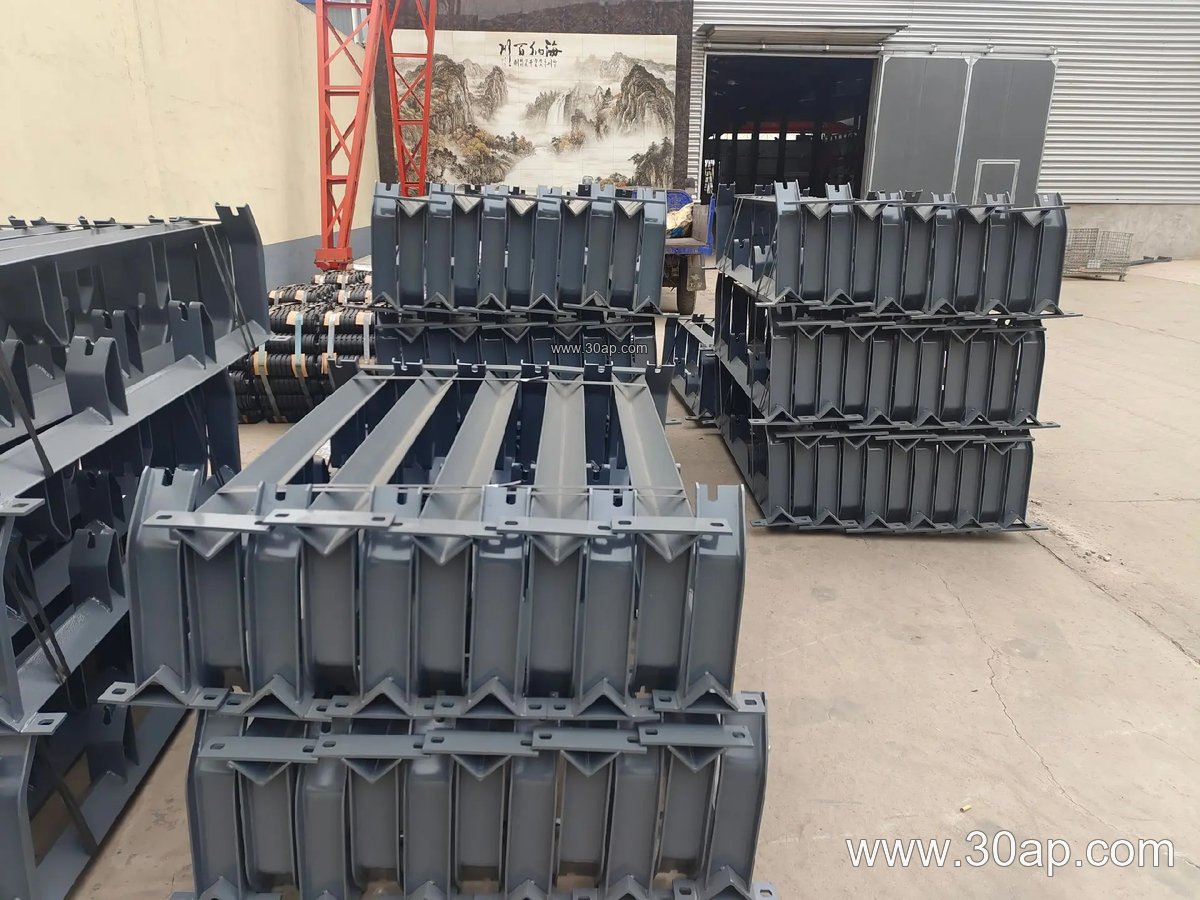
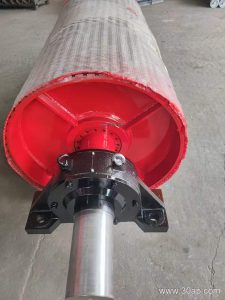
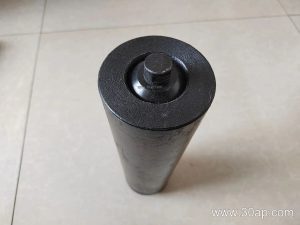
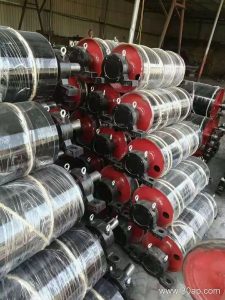
The bracket works together with the conveyor pulley at the drive and tail positions and with the idler roller along the run. A poorly matched bracket can cause the belt to mistrack, so the bracket, roller, and belt width should be selected as one system.
Common Reference Sizes
The values below are common reference data for discussion, not fixed combinations. A given belt width can usually accept more than one trough angle and roller diameter, depending on the conveyor design.
| Belt width | Trough angle | Roller diameter | Typical use |
|---|---|---|---|
| B500 | 20 or 30 degrees | Ø89 | Small aggregate lines |
| B650 | 30 degrees | Ø89 or Ø108 | Sand and gravel plants |
| B800 | 35 degrees | Ø108 | Cement and crushing circuits |
| B1000 | 35 or 45 degrees | Ø108 or Ø133 | Coal and ore transport |
| B1200 | 35 or 45 degrees | Ø133 | Heavy bulk material lines |
| B1400 | 45 degrees | Ø133 or Ø159 | Port and power plant duty |
| B1600 | 45 degrees | Ø159 | Large mining conveyors |
| B1800 | 45 degrees | Ø159 or Ø194 | High-capacity systems |
Forward-leaning brackets are commonly set at about 1.5 to 2 degrees. Adjustable brackets allow the trough angle to be changed within a range, which is useful during commissioning.
What Buyers Should Check Before Comparing Quotes
Ask for the bracket type, the belt width, the trough angle, the roller diameter, and the mounting hole spacing in writing. Confirm whether the price covers a single bracket or a set, and whether fasteners and surface treatment are included. For a coal mining conveyor belt or an underground coal mining conveyor belt installation, confirm that the bracket finish suits the environment. For a hot material line using heat resistant conveyor belt, check that the bracket design leaves room for thermal movement.
Price also reflects steel thickness and fabrication quality. A light bracket may cost less but flex under a heavy load, while an overbuilt bracket adds cost without benefit. Match the bracket to the belt and roller it carries, and the conveyor bracket price becomes easier to judge on value rather than on the lowest number.