What a Conveyor Vertical Roller Is
A conveyor vertical roller is a guide roller mounted vertically along the belt edge, usually on the loading and unloading sections of a conveyor. It keeps the belt from drifting sideways, holds the edge in position, and protects the belt from rubbing against the frame. On a coal mining conveyor belt line or a quarry conveyor belt, this small component often decides whether the belt tracks straight under heavy load.
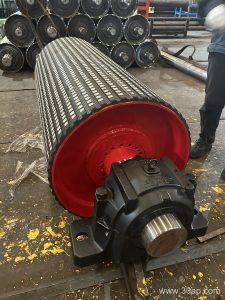
It is not a carrying roller and it is not a conveyor pulley. Drive, tail and bend pulleys transmit power and change belt direction; the vertical roller only guides. Its job is guidance and edge control, so it is selected by mounting position and belt path rather than by drive torque.
Construction and Typical Forms
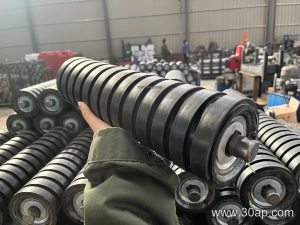
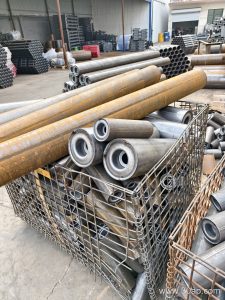
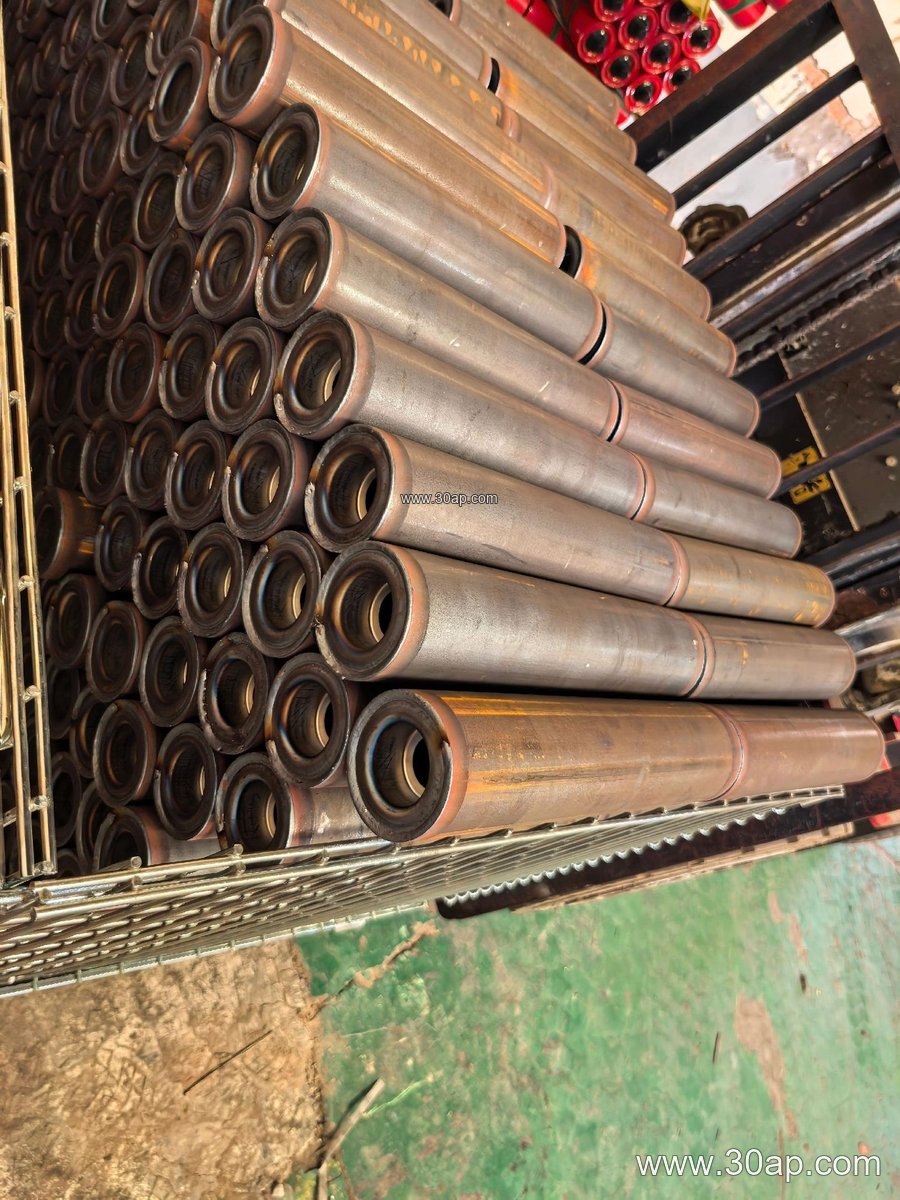
The body is normally a steel tube with a sealed bearing inside, fitted with a bracket that bolts to the conveyor frame. Common roller diameters in this family include Ø63, Ø76, Ø89, Ø102 and Ø108 mm, with larger sizes used on wide belts. Bearings such as 6204, 6205 or 6305 appear frequently, but a given bearing is not tied to one diameter.
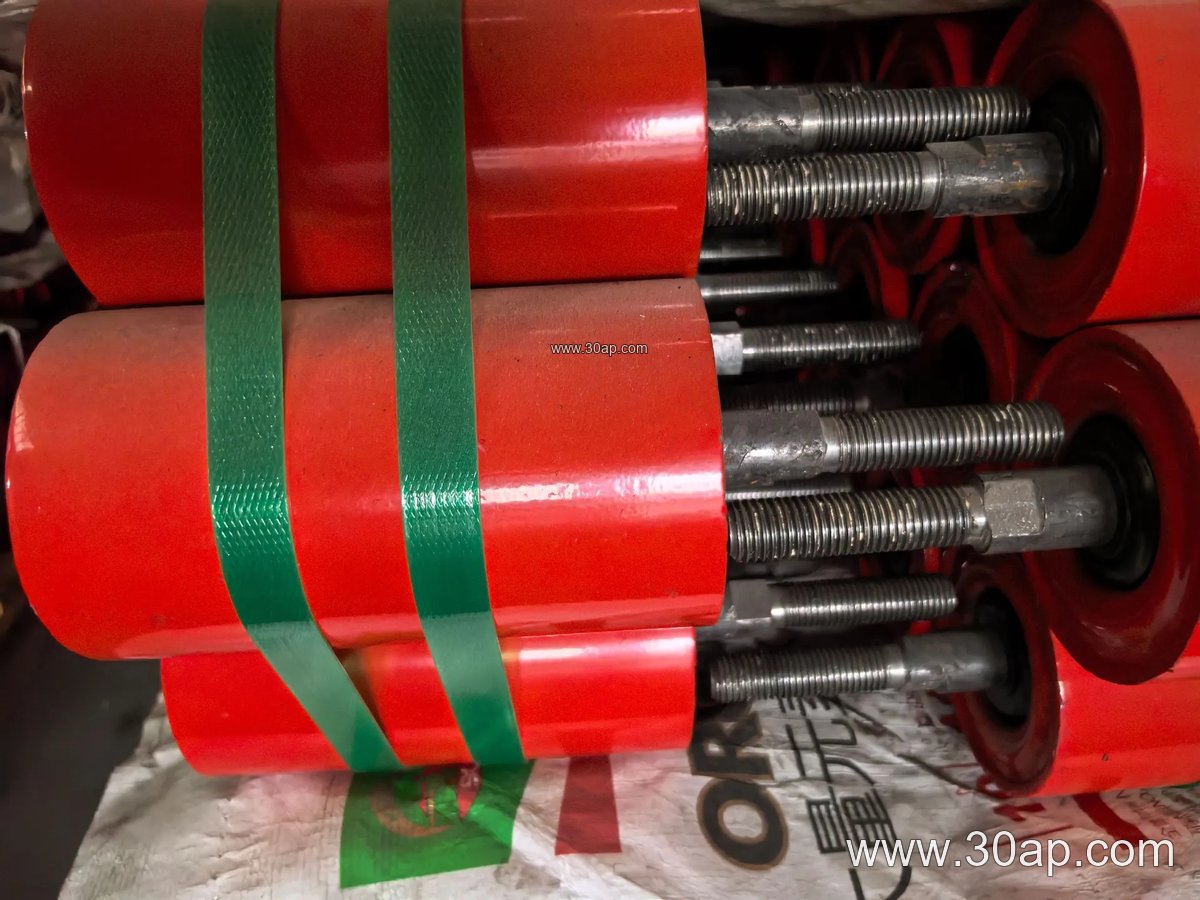
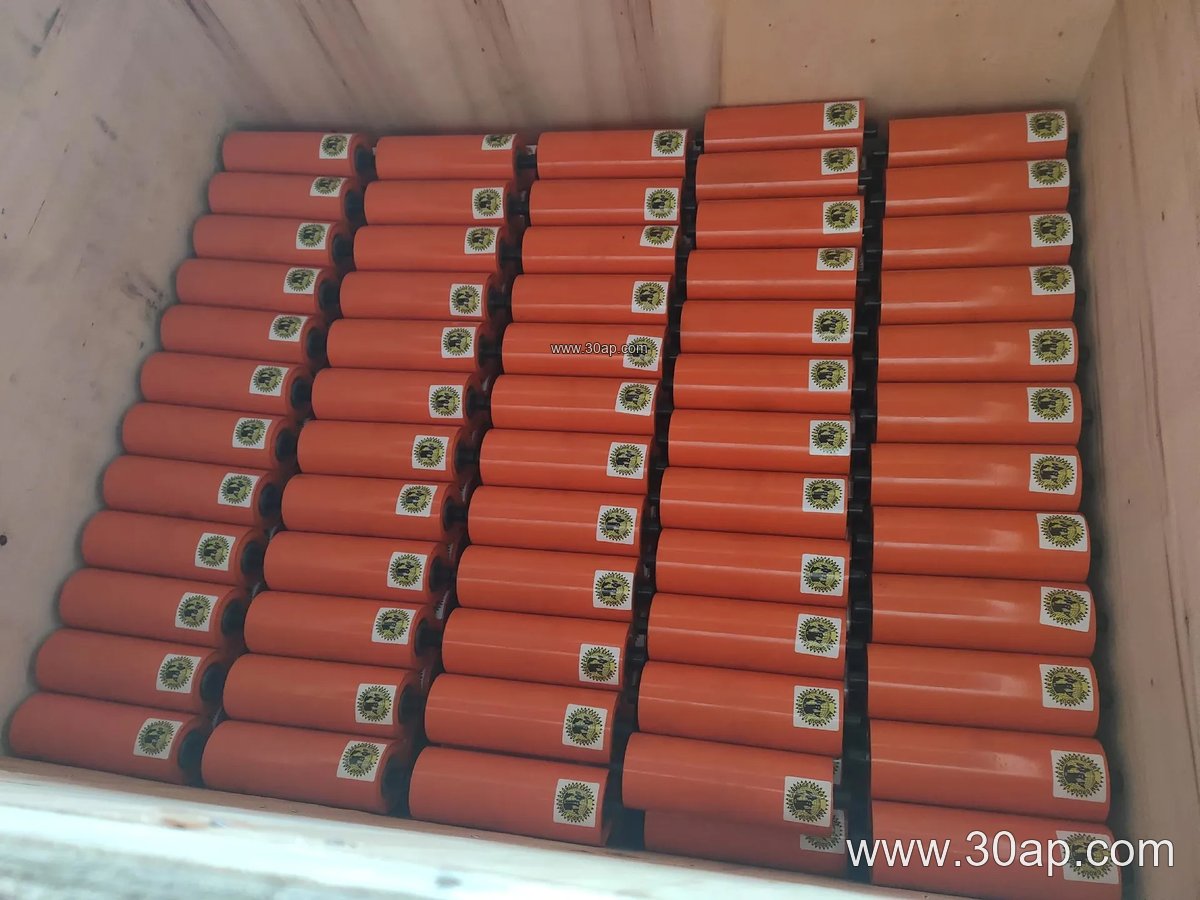
Surface options follow the duty. A plain steel surface suits clean, dry service. A rubber-covered or nylon sleeve reduces wear where the belt edge rubs hard, for example on an abrasion resistant conveyor belt in a crusher discharge area. Sealed designs are preferred in dust, and the bracket should allow height and angle adjustment so the roller can be aligned with the belt edge.
| Item | Common Range | Note |
|---|---|---|
| Roller diameter | Ø63 to Ø108 mm | Larger sizes for wider, heavier belts |
| Shaft diameter | 20 to 30 mm | Confirmed by design, not by belt width alone |
| Bearing | 6204, 6205, 6305 | Matched to load and sealing needs |
| Belt width served | B500 to B2000 | Position and quantity set by layout |
Where It Fits on the Conveyor
Vertical rollers are usually placed just before the loading point, at the transition from a flat section to a troughed section, and near transfer chutes. In a cement plant or power plant coal handling system, they help the belt enter the chute squarely. In a port or ship loading conveyor, they keep a wide belt centred on the structure.
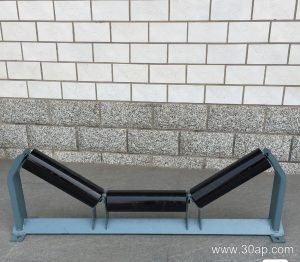
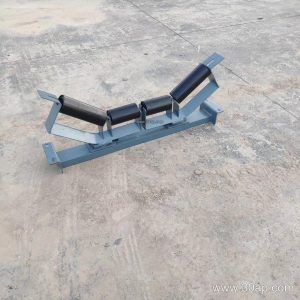
They also appear on the return side, where a belt may need edge guidance before entering a bend pulley. In these places they work together with the idler roller set and the conveyor bracket, not in place of them. A short comparison helps: a troughing idler supports the loaded belt from below, while the vertical roller touches the belt edge from the side. One carries, the other guides.
Selection Points for Buyers
- Confirm the mounting position and the belt edge line before choosing a size.
- Match the roller to the environment. A dusty coal yard calls for good sealing; a hot clinker area may call for heat resistant materials in the roller and bracket.
- Check the belt type. A steel cord conveyor belt and a multi-ply fabric core conveyor belt behave differently at the edge, so the contact pressure differs.
- Ask for the shaft and bearing specification as a pair, and confirm the bracket hole pattern.
- Consider belt speed and the number of guide points. Too few rollers allow drift; too many add friction.
For heavy-duty mining conveyor belt service, a rubber-sleeved vertical roller is often a practical choice because it absorbs edge contact and lasts longer. For food or clean bulk handling, a smooth, easy-to-clean surface is preferred.
Maintenance and Common Mistakes
Inspect the roller for seized bearings, flat spots and worn sleeves. A vertical roller that stops turning will wear the belt edge quickly, and on an EP conveyor belt or NN conveyor belt that wear can lead to edge fraying. Keep the roller aligned so it touches the belt lightly; excessive pressure is a frequent cause of premature failure.
Do not use a bend pulley or a tail pulley as a substitute for edge guidance, and do not replace a worn vertical roller with a random idler. Each part has its own function. A simple rule for maintenance teams: check alignment, check rotation, check the bracket bolts, then check the belt edge for signs of rubbing.
Whether the line handles iron ore, limestone, aggregate, grain or fertilizer, the conveyor vertical roller is a low-cost part with a large effect on belt life. Buyers who specify it by position, environment and belt type usually get longer service than those who pick by diameter alone. For related components such as the conveyor belt, idler roller and conveyor pulley, keep the same discipline and confirm the duty with the supplier.