What a 2400mm Conveyor Belt Is
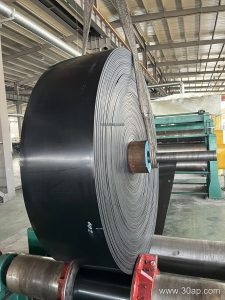
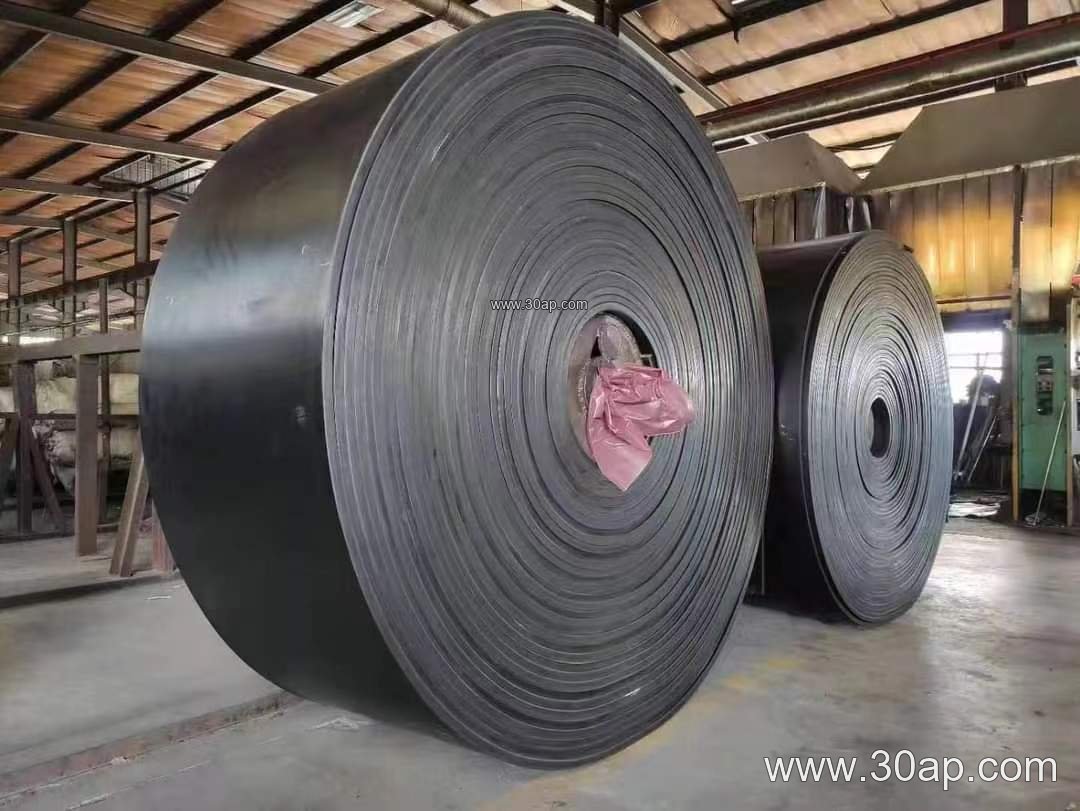
A 2400mm conveyor belt is an extra-wide belt built for high-capacity bulk transport. At this width, the belt is normally a heavy-duty fabric core or steel cord construction, because the loads and tensions involved are far beyond those of narrow package-handling belts. You will see this format in mines, coal preparation plants, cement works, power stations, quarries, and large port or ship-loading systems where a single stream must move a lot of material efficiently.
The same product is often described in the trade as a 2400mm wide conveyor belt or a 2.4m wide belt. Those are simply alternative ways of naming the same item, not different categories.
How the Belt Is Built
Construction follows the usual conveyor belt logic, scaled to a wider carcass. The core may be multi-ply fabric, EP (polyester-cotton), NN (nylon-nylon), or steel cord, depending on the duty. Rubber covers protect the carcass and provide grip; cover thickness and grade are selected for the material being carried. Edge construction matters more at this width, since wide belts are more sensitive to mistracking and edge damage.
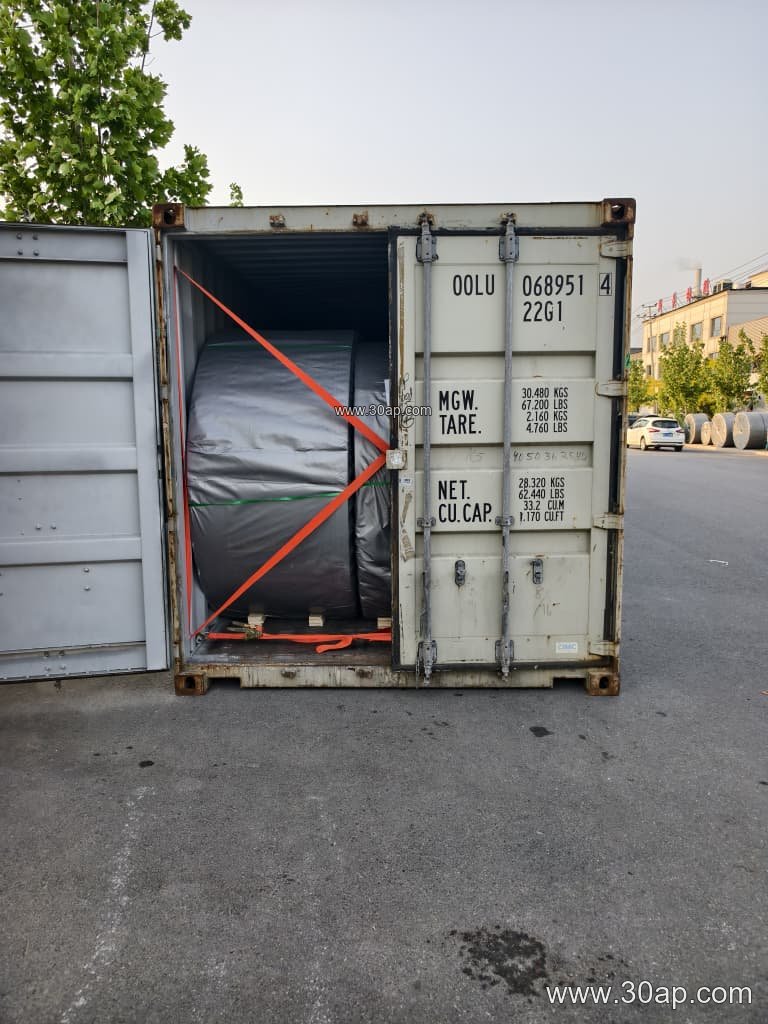
Typical reference values for wide heavy belts are listed below. These are common ranges, not fixed rules, and each project should be confirmed with the belt maker.
- Width: 2400mm (B2400) is the nominal figure; adjacent sizes such as 2000mm, 2200mm, and 2600mm exist for other duties.
- Fabric types: EP100 to EP500 and NN100 to NN400 are common for heavy fabric cores; steel cord grades such as ST1000 to ST2500 appear on long, high-tension routes.
- Cover thickness: 5+2mm, 6+2mm, and 8+3mm are typical for abrasive or impact-heavy service.
- Carcass layers: 2 to 6 plies in fabric designs.
Where It Fits in the Plant
Wide belts are usually found on main trunk conveyors rather than on small transfer lines. In a coal mining conveyor belt system, for example, a 2400mm unit may form the backbone between the mine and the stockyard, while narrower belts feed it. In a cement plant, the same width suits clinker and raw meal lines. Quarries and aggregate plants use it on primary crusher discharge and long overland runs, and ports apply it to ship loading and stockpile feed.
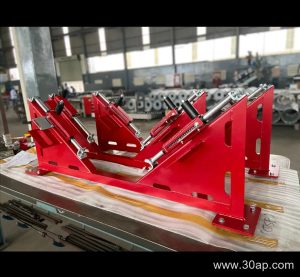
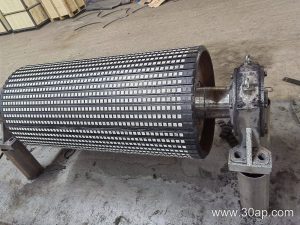
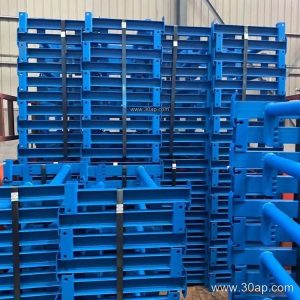
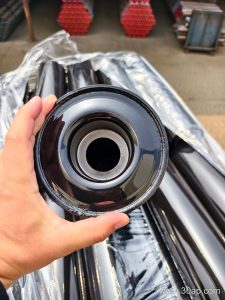
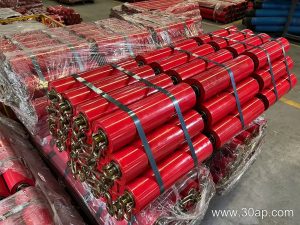
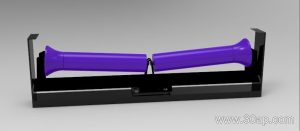
The belt does not work alone. It runs over a conveyor pulley at the head and tail, is supported by idler rollers along the carry and return sides, and is held in alignment by conveyor brackets and frames. Drive, tail, and bend pulleys each do a different job and are not interchangeable; the belt width must be matched to the pulley face and to the troughing arrangement, but no single belt width dictates one pulley diameter.
Surface Forms and Special Duties
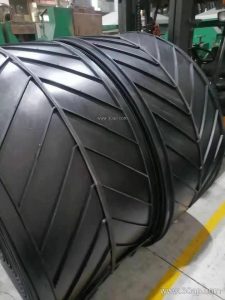
At this width, standard smooth covers are common, but application may call for a chevron conveyor belt to control slip on inclines, or a corrugated sidewall belt where material must be contained. Heat resistant, oil resistant, abrasion resistant, flame retardant, anti-static, and cold resistant grades are all available in wide formats. In underground coal work, PVG and PVC belts are frequently specified for fire safety. A pipe conveyor belt is a different concept and is mentioned here only for comparison, since it encloses the load rather than running flat.
Buyer Checklist
- Confirm the actual duty: tonnage, lump size, incline, and material temperature.
- Choose carcass type and grade from tension and impact, not from width alone.
- Check cover thickness and grade against wear and chemical exposure.
- Verify pulley face width, trough angle, and transition distances with the conveyor designer.
- Plan splicing: an endless conveyor belt is usually joined on site, and wide belts need proper press or vulcanizing equipment.
- Ask about edge protection and tracking aids, which matter most on extra-wide belts.
For more on matching belts with idlers, pulleys, and frames, see the technical notes at beltconveyorparts.com and review typical configurations at conveyoridler.net. A correctly specified 2400mm belt, paired with suitable rollers and pulleys, gives long, stable service in the toughest bulk handling environments.