What a Galvanized Idler Is and Where It Fits
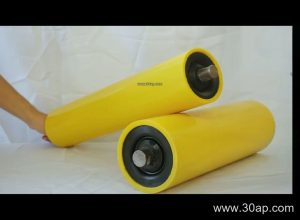
A galvanized idler is a conveyor idler roller whose steel shell and often its end caps have been coated with zinc to resist corrosion. On a belt conveyor, idlers form the carrying and return path beneath the conveyor belt, so their condition directly affects belt tracking, power draw, and uptime. The galvanized finish is especially useful in wet, humid, or mildly corrosive settings, such as a wash plant at a quarry, a port handling damp bulk material, or a coal preparation facility where moisture and fine dust combine.
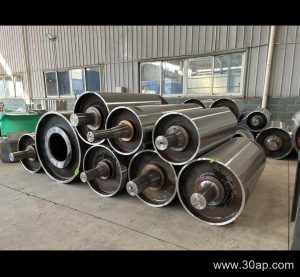
The same product is also called a galvanized idler roller or zinc-coated idler. It should not be confused with a drive pulley, tail pulley, or bend pulley, which are conveyor pulleys that transmit power or change belt direction rather than support the belt along its run.
How a Galvanized Idler Is Built
Construction starts with a steel tube shell, cut to the required face length and machined at the ends. Bearing housings are pressed in, sealed, and fitted with bearings selected for the load and speed of the conveyor. The zinc coating is applied to the finished shell or to components before assembly, depending on the manufacturer’s process. Good sealing matters as much as the coating: a galvanized surface that lets grit into the bearing will still fail early.
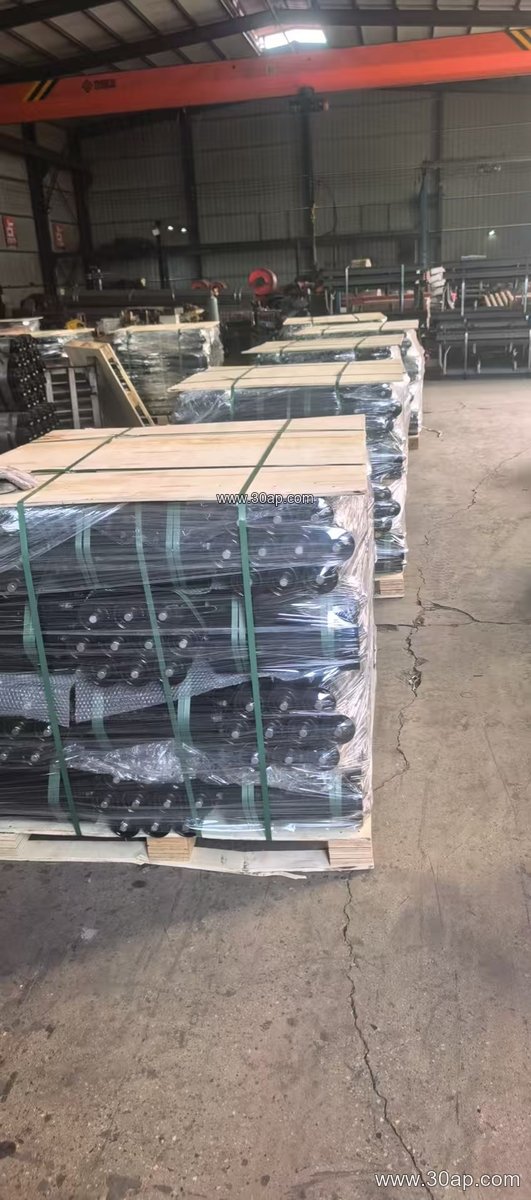
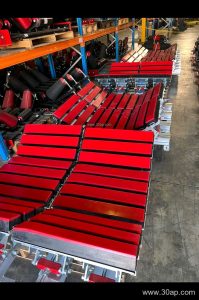
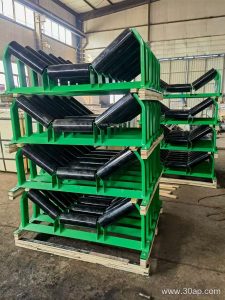
Common carrying configurations include single-roller, two-roll, and three-roll troughing sets. Trough angles are usually 20, 30, 35, or 45 degrees, and a slight forward tilt of about 1.5 to 2 degrees is sometimes used on training idlers to help center the belt. Return positions may use a flat roller, a V-return, or a spiral roller for sticky material.
Typical Sizes and Reference Data
Idler diameter is chosen from belt width, load, and speed rather than from any single rule. The table below lists common reference values; actual selection is confirmed by the conveyor designer. Roller length varies with belt width, trough angle, and roll position, and side rolls can differ from the center roll.
- Common roller diameters: Ø63, Ø76, Ø89, Ø102, Ø108, Ø127, Ø133, Ø159, Ø178, Ø194, Ø219 mm
- Common belt widths: B400, B500, B650, B800, B1000, B1200, B1400, B1600, B1800, B2000, B2200, B2400
- Common bearings: 6204, 6205, 6305, 6306, 6308, 6310
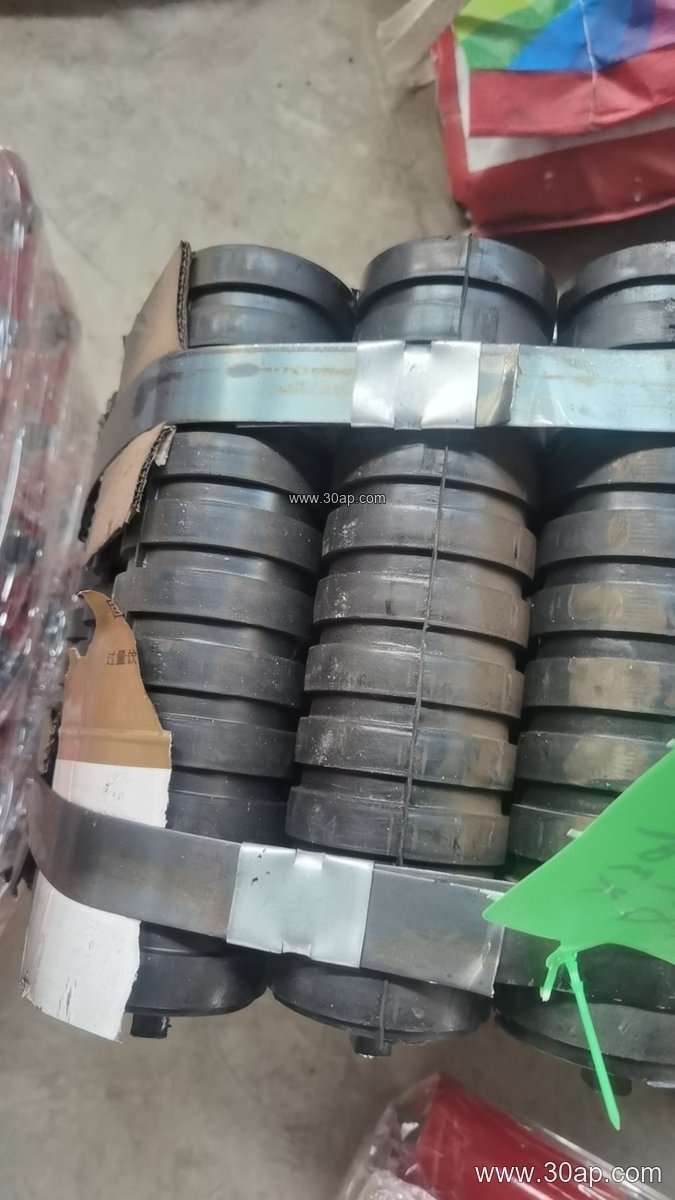
- Shell options: steel tube, nylon, ceramic, rubber ring (for impact positions)
As an example of how roll length scales, a three-roll troughing set commonly uses rolls around 200 mm for B500, 315 mm for B800, 380 mm for B1000, 465 mm for B1200, and 600 mm for B1600. These are illustrative only and are not fixed pairings with any belt width or diameter.
Where Galvanized Idlers Are Used
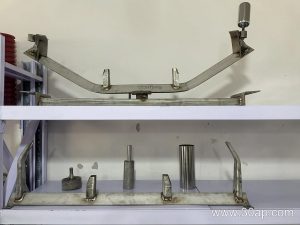
Corrosion resistance makes the galvanized idler a practical choice in a limestone quarry, a sand and gravel aggregate line, and a cement plant where dust and moisture are constant. In power plant coal handling and steel plant stockyards, the coating helps where washdown or humid air is present. The idler supports the belt on both the carrying and return sides, working alongside the conveyor bracket and frame that hold each station in place.
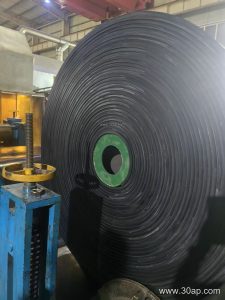
The belt itself also shapes the choice. A heavy-duty mining conveyor belt or an abrasion resistant conveyor belt carrying sharp ore may call for thicker shells and better seals, while a pipe conveyor belt or a corrugated sidewall conveyor belt imposes different load patterns on the idler set. In food or clean environments, a food grade conveyor belt is often paired with idlers that are easy to clean.
What Buyers Should Check Before Ordering
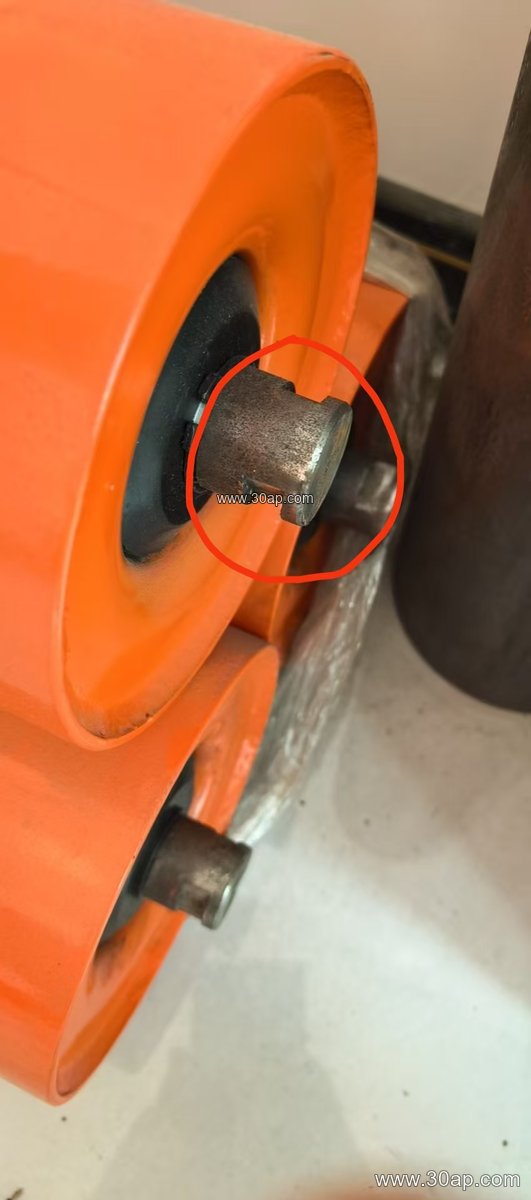
Start with the duty: belt width, belt speed, material weight, and whether the station is carrying, impact, or return. Confirm the roller diameter, face length, shaft size, and bearing number with the conveyor drawing rather than guessing from belt width alone. Ask how the zinc coating is applied and how end caps and seals are protected, since coating damage at the weld or cap is a common starting point for rust.
For impact zones, a rubber-ring impact idler may be a better fit than a plain galvanized roller, and for training sections a self-aligning idler may be needed; these are comparisons, not replacements for the main product. Finally, check that the galvanized idler matches the conveyor bracket spacing and fixing dimensions, and plan a spare policy so that a few failed rollers do not stop a whole transfer line.