What a Motor-Driven Pulley Does on a Conveyor
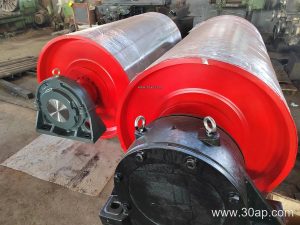
A motor-driven pulley is the head pulley of a belt conveyor that contains its own motor and gearbox inside the shell. Instead of a separate drive unit coupled to the shaft, the drum itself turns the belt and moves the load. In many plants the unit is simply called a drum motor or motorized pulley, and it performs the same duty as a conventional drive pulley while taking up far less space along the walkway.
The concept suits conveyors where a clean, enclosed drive is welcome. In a cement plant handling clinker dust, a motor-driven pulley keeps the gearing sealed away from abrasive airborne particles. At a power plant coal yard, the same arrangement reduces exposed rotating parts near the transfer points.
Construction Inside the Shell
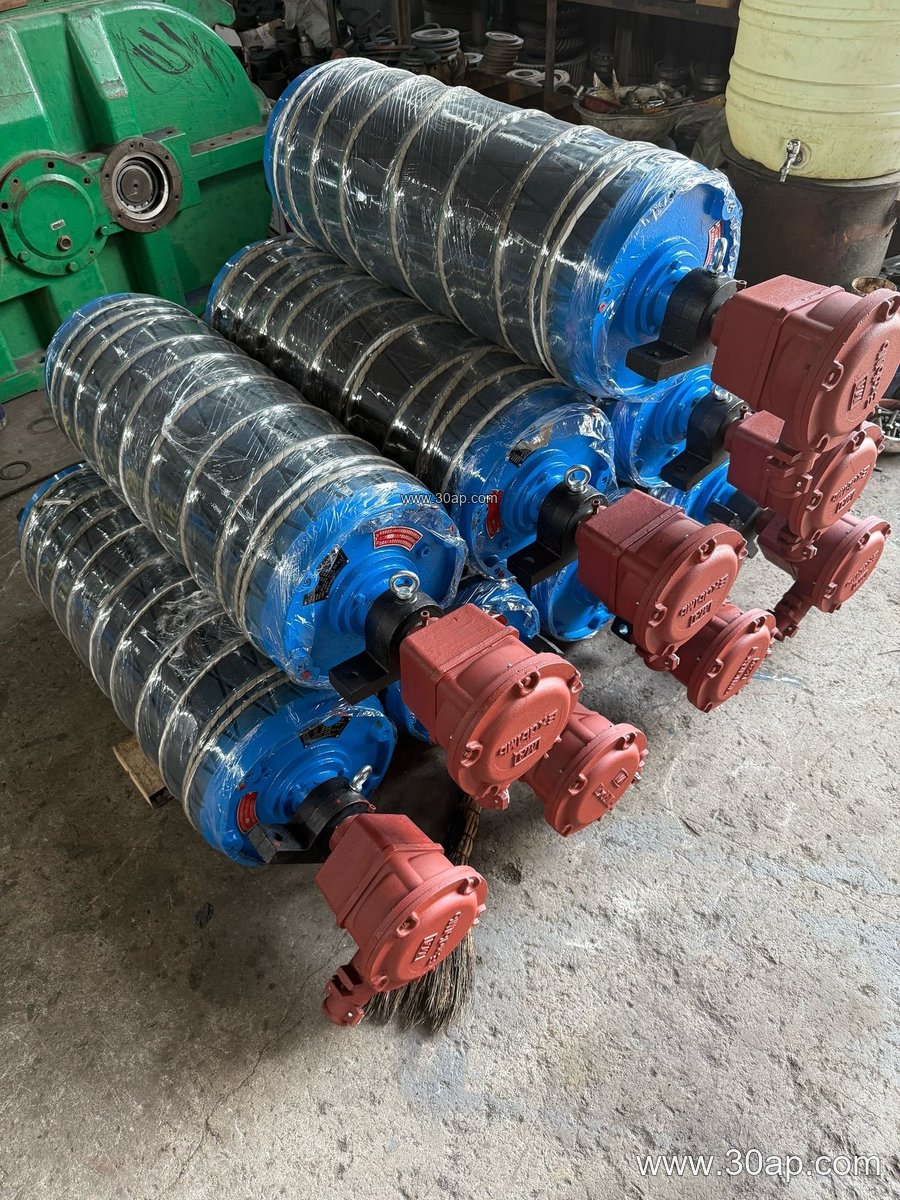
An electric motor, usually a squirrel-cage induction type, sits on the stationary shaft. A planetary or helical gear stage reduces speed and multiplies torque, and the rotating shell carries the belt. Bearings at each end support the shell, and seals protect the internals from dust and water. The terminal box is normally located at one shaft end, with the cable routed through the shaft or a gland.
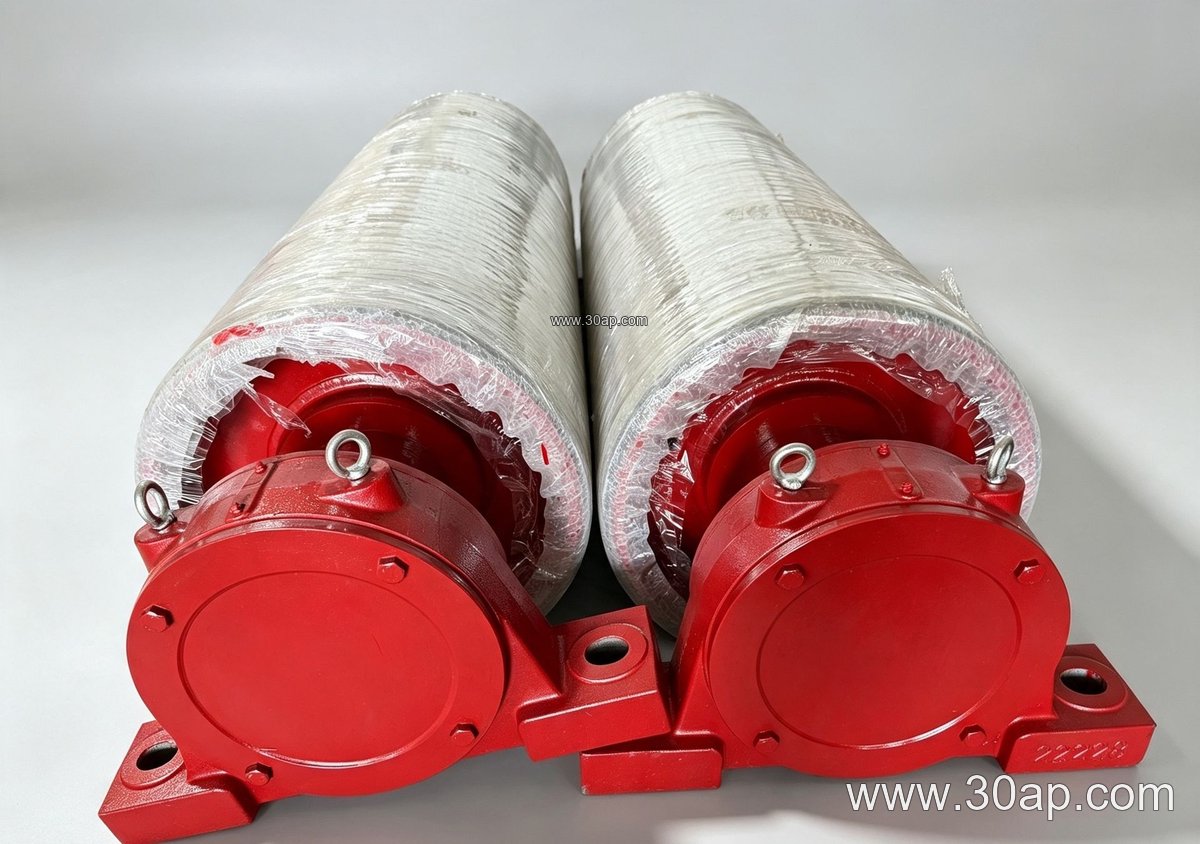
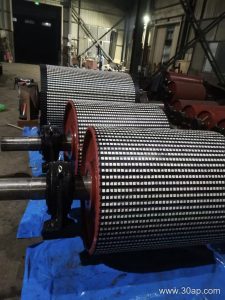
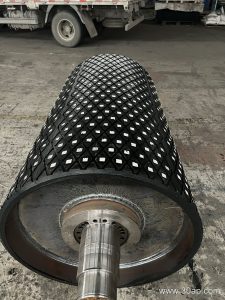
The shell is often fitted with lagging to raise friction. Plain, diamond-grooved, herringbone, ceramic and cold-bonded rubber covers are all available, with cover thickness commonly between 8 mm and 20 mm depending on grip and wear requirements. Because the drive is inside, the pulley diameter must be large enough to house the motor and gear stage, which is why motorized units tend to be larger in diameter than an equivalent external-drive head pulley.
Matching Diameter and Face Width to the Belt
Face width is normally a little wider than the belt so the belt can track without rubbing the end discs. The table below shows typical relationships; the values are reference examples, not fixed rules.
| Belt width | Typical pulley face width | Common diameter range |
|---|---|---|
| B500 | about 600 mm | Ø250 to Ø400 |
| B650 | about 750 mm | Ø315 to Ø500 |
| B800 | about 950 mm | Ø400 to Ø630 |
| B1000 | about 1150 mm | Ø500 to Ø800 |
| B1200 | about 1400 mm | Ø630 to Ø1000 |
| B1400 | about 1600 mm | Ø800 to Ø1250 |
A B1200 × Ø1000 unit is a common combination for a medium-length main haul, while a B800 × Ø500 unit fits a short transfer. A single belt width can pair with several diameters, and the choice depends on belt speed, wrap angle, torque and the space needed for the internal drive.
Choosing the Belt That Runs on It
The pulley and the belt work as a pair. A heavy-duty mining conveyor belt on a long overland route needs a large-diameter drum to limit bending stress in the carcass, while a short in-plant line may use a lighter fabric core belt. Consider the load: an abrasion resistant conveyor belt for crushed stone, a heat resistant conveyor belt near a kiln discharge, or a flame retardant conveyor belt in a coal handling gallery. For steep inclines, a chevron conveyor belt or a corrugated sidewall conveyor belt can be used, but the pulley face and the transition distance must allow the profiles to pass without pinching.
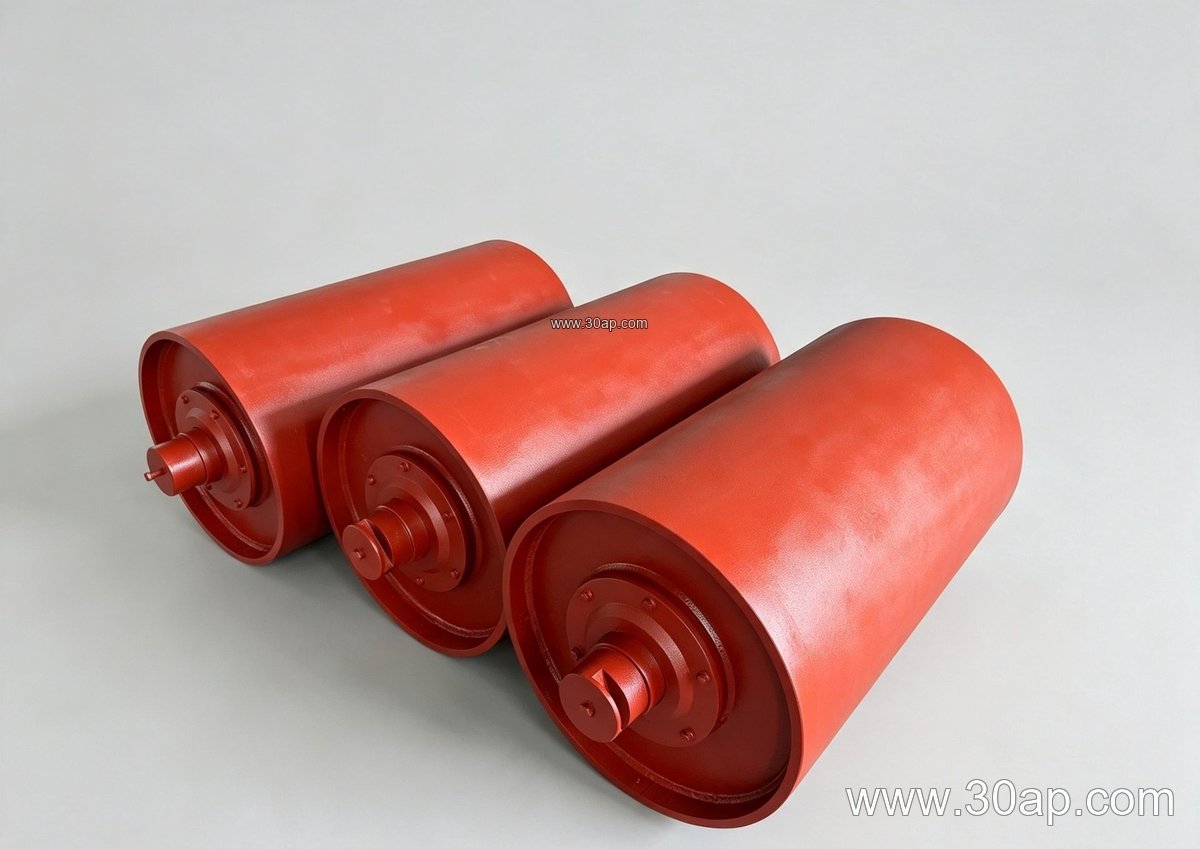
Belt tension also matters. Too little tension causes slip on the lagged face; too much loads the shaft and bearings. Tensioning is normally handled by a separate take-up or by a bend pulley on the return run, so the motor-driven pulley stays in its fixed position.
Where These Drums Fit in the Plant
Typical installations include quarry and sand aggregate lines feeding a crusher, coal preparation plants, limestone handling in cement works, and bulk terminals. In a tunnel or underground mine the enclosed drive is attractive because it removes exposed couplings from a confined walkway. In a food or grain silo, a washdown-rated sealed unit helps keep the drive clean. The same head position could otherwise be served by an exposed drive pulley with a gearbox and coupling, and that option remains valid where maintenance access is easy and space is not tight.
Buyer Checklist Before Ordering
- Confirm belt width, belt speed and required power; these set the diameter and the internal gear ratio.
- State the duty: continuous or intermittent, ambient temperature, dust and moisture level.
- Specify lagging type and cover thickness, for example 10 mm diamond rubber or 15 mm ceramic.
- Provide the shaft diameter required by the bracket and bearing housing, determined from torque and load rather than belt width alone.
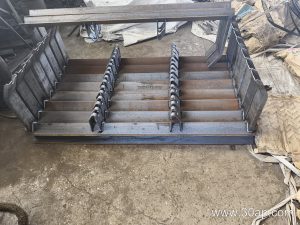
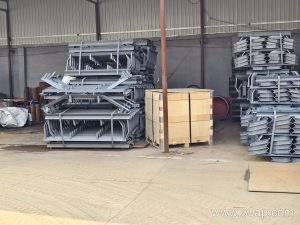
- Check that the conveyor bracket and take-up arrangement accept the unit, and that the cable route is clear.
- Plan lifting points and access for bearing replacement, since service means removing the shell.
Maintenance is modest: check lagging wear, listen for gear noise, and inspect seals at each shutdown. Keeping the drum aligned with the conveyor frame and the belt centred protects both the pulley and the conveyor belt over the long run.