What a Heavy-Duty Steel Conveyor Bracket Does
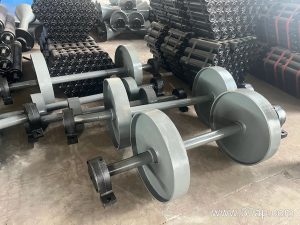
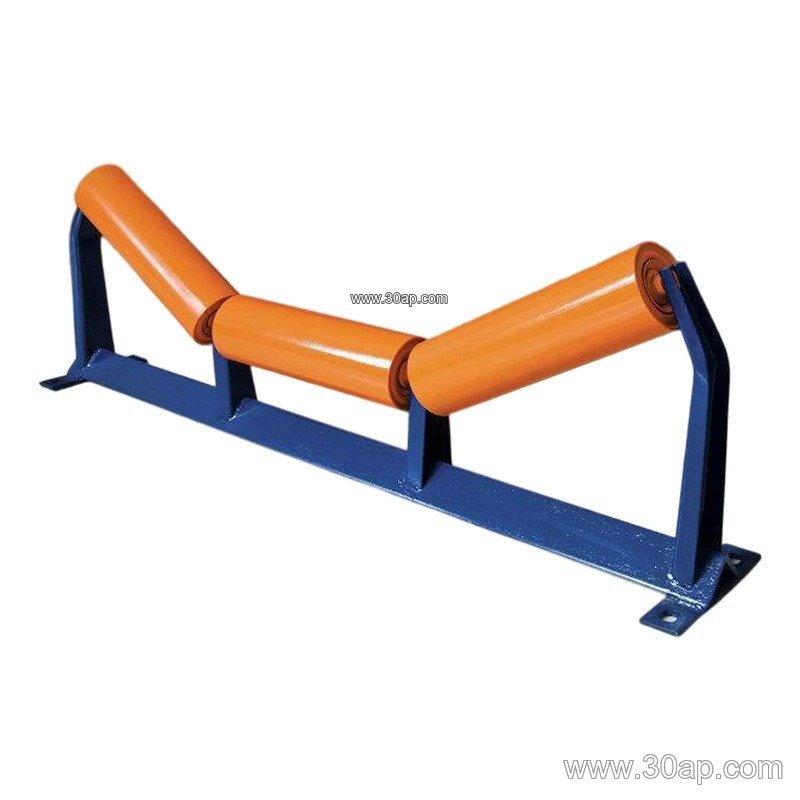
A heavy-duty steel conveyor bracket is the structural support that holds idler rollers in place along a conveyor system. It carries the weight of the loaded conveyor belt and the material being moved, keeping the belt profile stable from the loading point to the discharge. In quarries, coal preparation plants, cement works and power station coal yards, these brackets are often the first component to feel the stress of continuous operation. A well-built bracket keeps the idler roller aligned, which in turn protects the conveyor belt from edge damage and mistracking.
Construction and Materials
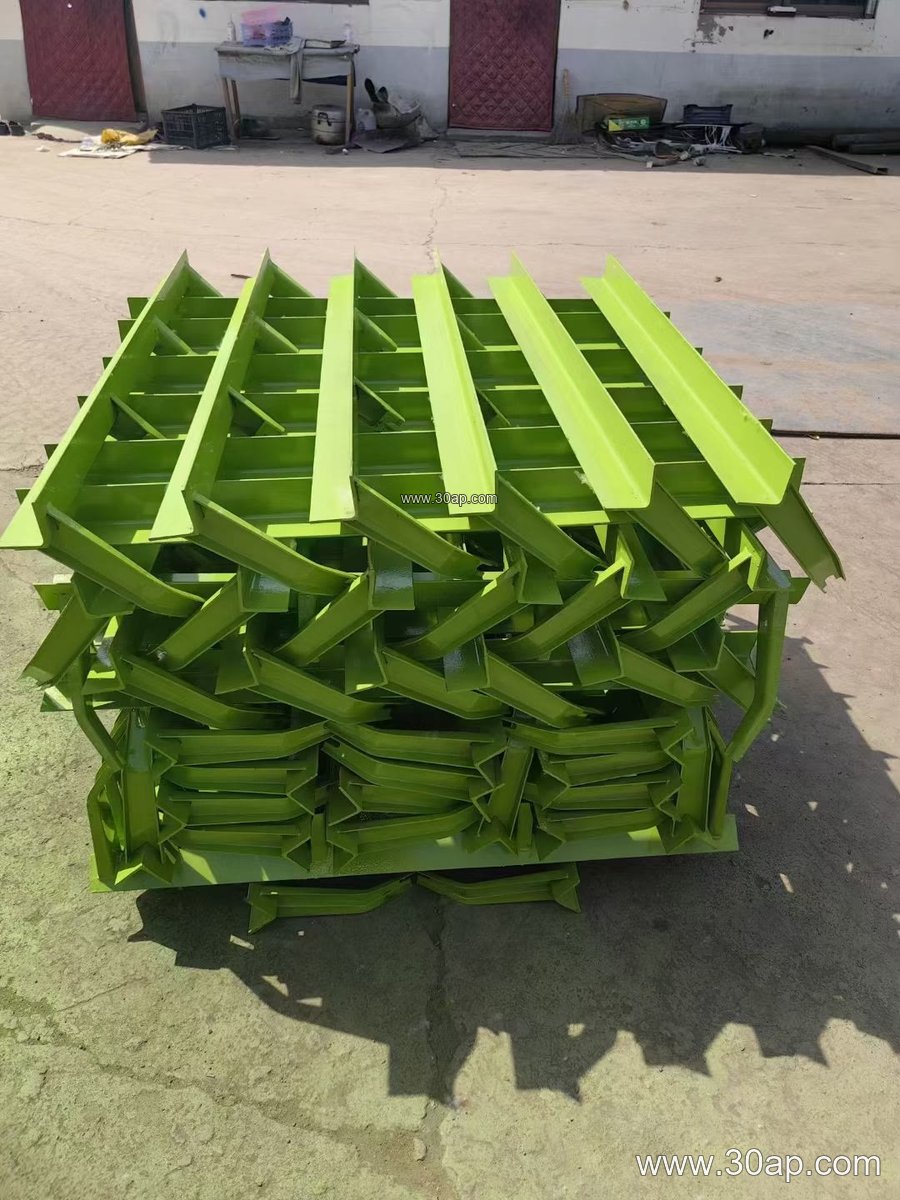
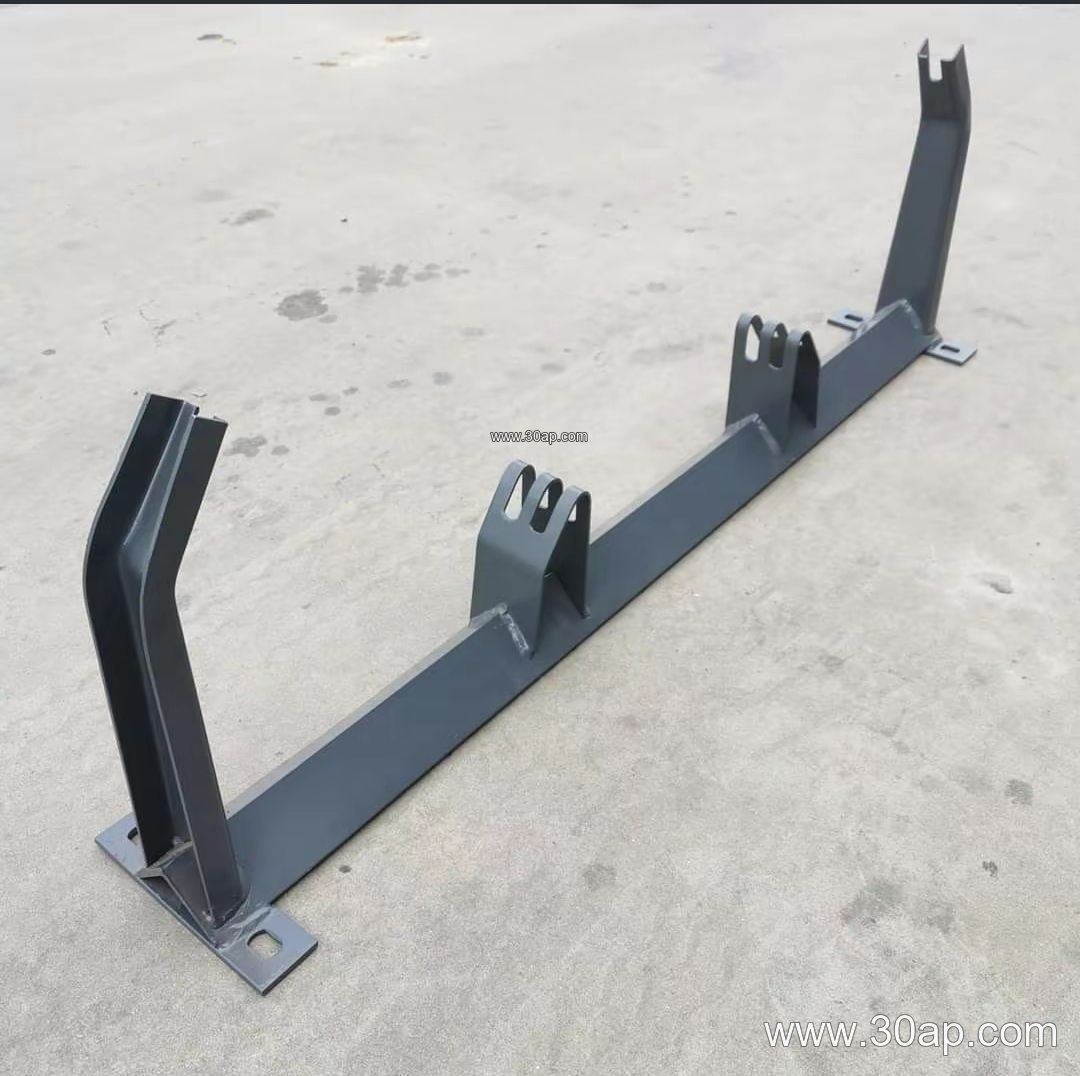
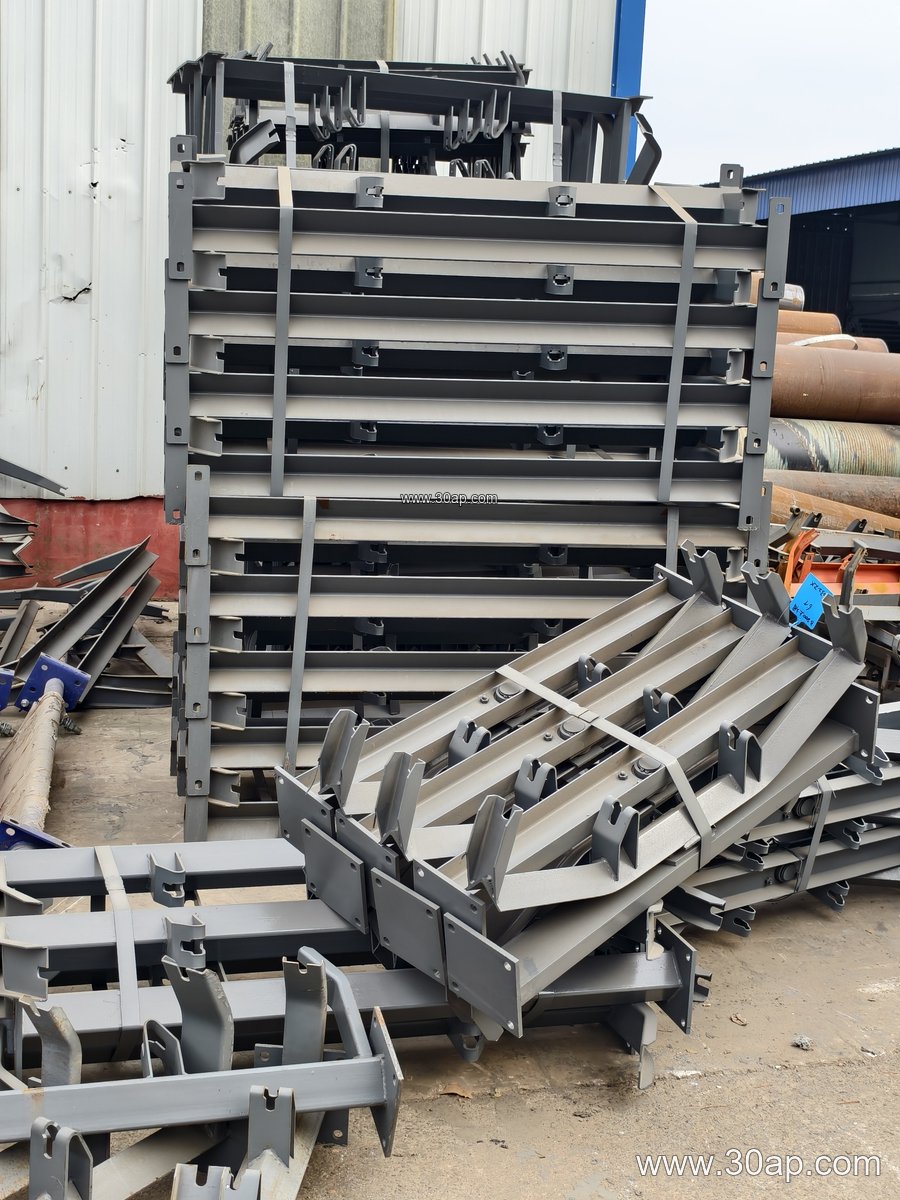
Most heavy-duty brackets are fabricated from angle steel, channel steel or folded steel plate. The gauge and profile are selected according to the belt width, the idler diameter and the load expected at that point in the conveyor. Welded joints are usually continuous or stitch-welded depending on the design, and mounting slots are drilled or punched to match the idler frame. For abrasive environments such as a sand and gravel line or an iron ore transfer point, thicker steel and galvanized or painted finishes help extend service life. The bracket must resist vibration, corrosion and occasional impact from oversized lumps.
Common Types and Where They Fit
Brackets are not one-size-fits-all. The troughing bracket supports the carrying side and sets the trough angle. A return bracket holds the belt on the return run, and a V-return bracket helps center the belt on the lower strand. Transition brackets ease the belt from flat to troughed profile near the tail pulley. Impact brackets with rubber cushions are used under crusher discharge points, while self-aligning brackets correct minor mistracking. Adjustable brackets allow the trough angle to be changed between common settings. Each type serves a specific position and should not be confused with drive, tail or bend pulleys, which perform entirely different functions.
Matching Belt Width, Trough Angle and Roller Diameter
Selection starts with the conveyor belt width and the required trough angle. Common belt widths include B500, B650, B800, B1000 and B1200, with wider belts such as B1400 and B1600 used in high-capacity trunk conveyors. Trough angles are typically 20, 30, 35 or 45 degrees. Roller diameters of Ø89, Ø108, Ø133 and Ø159 are widely used, and the bracket mounting height must suit the chosen roller. The table below shows representative combinations; actual mounting hole spacing and beam length are determined by the conveyor design.
| Belt Width | Typical Trough Angle | Common Roller Diameter | Typical Application |
|---|---|---|---|
| B500 | 20° / 30° | Ø89 | Small aggregate lines |
| B650 | 30° / 35° | Ø89 / Ø108 | Sand and gravel conveyors |
| B800 | 35° | Ø108 | Coal handling, cement plants |
| B1000 | 35° / 45° | Ø108 / Ø133 | Power plant coal yards |
| B1200 | 35° / 45° | Ø133 / Ø159 | Iron ore, heavy bulk terminals |
| B1400–B1600 | 35° / 45° | Ø159 / Ø194 | High-capacity trunk conveyors |
These are common reference values, not fixed rules. A B1000 belt, for example, can be paired with different trough angles and roller diameters depending on load and belt stiffness.
Where Heavy-Duty Brackets Are Used
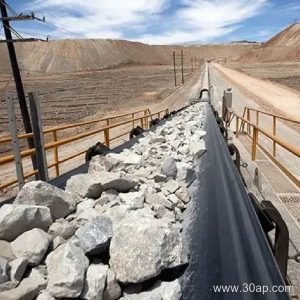
In a limestone quarry, heavy-duty steel conveyor brackets support the main haulage conveyor that moves blasted rock to the primary crusher. The brackets here must tolerate dust, moisture and occasional impact. In a coal-fired power plant, the same bracket family carries the coal conveyor belt from the stockyard to the boiler bunkers, often with flame retardant conveyor belt or fire resistant conveyor belt to meet site safety requirements. Other typical sites include cement plants, steel sinter lines and port ship-loading systems. The bracket works together with the idler roller, the conveyor pulley and the belt to keep the whole system running smoothly.
What Buyers Should Check
- Confirm the belt width and required trough angle before ordering; adjustable brackets offer flexibility but fixed brackets are simpler to maintain.
- Check that the mounting hole spacing matches the existing idler frames and roller shaft ends.
- Ask about steel thickness and surface treatment for the specific environment, especially in wet or corrosive plants.
- Consider the belt type in use, such as an abrasion resistant conveyor belt in a quarry or a heat resistant conveyor belt near a kiln, because belt stiffness affects how the bracket should support the trough.
- Plan for inspection: brackets that are easy to access and re-align reduce downtime.
For more information on matching brackets with conveyor belts and rollers, visit www.example.com/conveyor-bracket or www.example.com/heavy-duty-bracket. A properly specified heavy-duty steel conveyor bracket is a small part of the total conveyor cost but a major factor in uptime and belt life.