What a Conveyor Bracket Does on a Conveyor Line
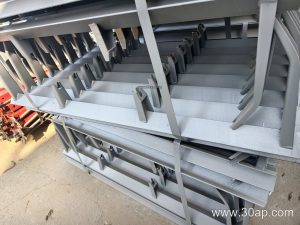
A conveyor bracket is the structural support that holds idler rollers in the correct position under or above a conveyor belt. It is not a small accessory in the usual sense. The bracket carries the belt load, keeps the idler spacing steady, and maintains the trough angle that shapes the belt into a material-carrying profile. In a quarry, a cement plant, or a power plant coal yard, a loose or misaligned bracket quickly shows up as belt wander, spillage, and uneven idler wear.
The product is also called a conveyor idler bracket or idler support bracket, and these names describe the same item. Different bracket types serve different positions, so a trough bracket, a return bracket, and a transition bracket should not be treated as one interchangeable part.
How the Bracket Is Built
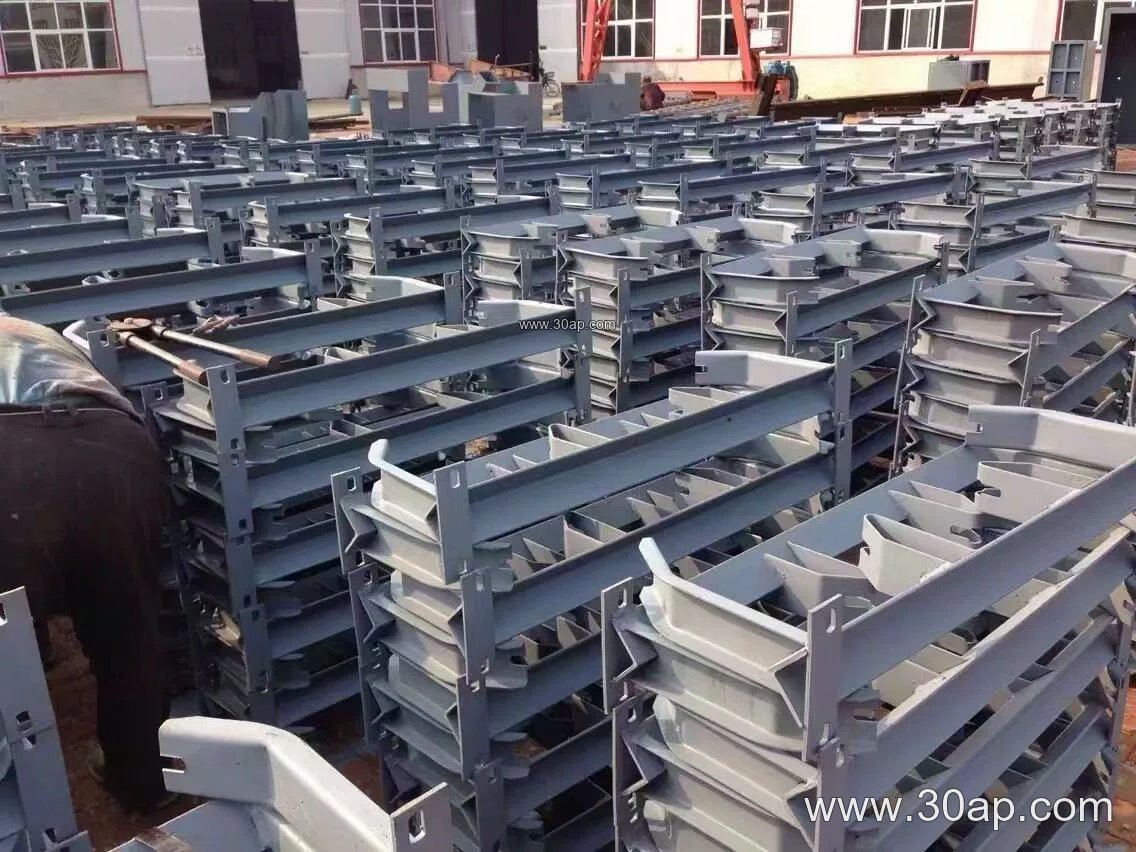
Most conveyor brackets are fabricated from angle steel, channel steel, or folded steel plate. The frame is cut, drilled, and welded, then finished with painting or galvanizing depending on the working environment. Important details include the mounting hole pattern, the slot position for the idler shaft, and the overall crossbeam length. These dimensions follow the belt width, trough angle, and idler diameter used in the design, so they are not fixed values across projects.
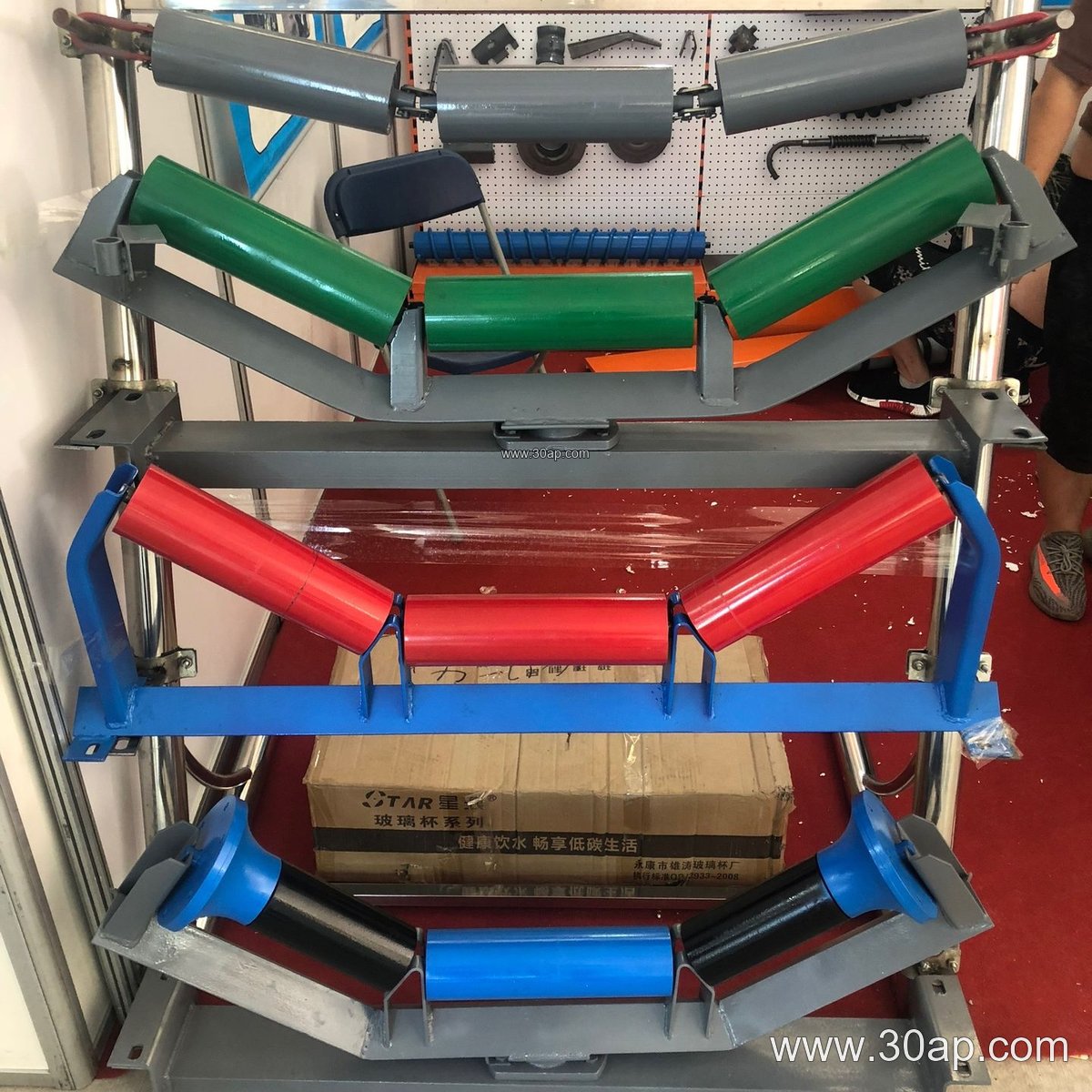
A well-made bracket has square mounting faces, clean welds, and hole spacing that matches the idler frame. On a 1200mm wide conveyor belt line, for example, the bracket crossbeam is longer and heavier than on a B650 unit, and the bolt pattern changes with the chosen trough angle.
Common Types and Where They Sit
- Trough brackets hold the three-idler carrying set at 20, 30, 35, or 45 degrees; 35 degrees is common in aggregate and ore transport.
- Transition brackets sit near the head and tail to ease the belt from flat to troughed.
- Return brackets support the lower run, often as a flat or V-shaped arrangement.
- Impact brackets are placed under loading points to carry buffered idlers.
- Self-aligning brackets allow slight movement to correct belt tracking.
- Adjustable brackets let maintenance staff change the trough angle within a set range.
Forward-leaning brackets, usually around 1.5 to 2 degrees, are used where training the belt is more important than pure support.
Typical Sizes in Reference Tables
The following values are common reference examples, not universal specifications. Final dimensions are confirmed by design drawing.
| Belt width | Trough angle | Idler diameter | Typical use |
|---|---|---|---|
| B500 | 20 degrees | Ø89 | Small aggregate lines |
| B650 | 30 degrees | Ø89 | Sand and gravel plants |
| B800 | 35 degrees | Ø108 | Cement and crushing circuits |
| B1000 | 35 degrees | Ø108 | Coal handling |
| B1200 | 45 degrees | Ø133 | Iron ore and heavy bulk |
| B1400 | 35 degrees | Ø159 | Port and stockyard conveyors |
| B1600 | 45 degrees | Ø159 | Large mining conveyors |
| B1800 to B2200 | 35 to 45 degrees | Ø194 | High-capacity trunk lines |
Where These Brackets Are Used
In a limestone quarry or a crushing and screening line, trough brackets keep the belt profile stable through dusty, high-impact conditions. In a power plant coal yard, flame retardant conveyor belt and anti-static belt constructions are common, and the bracket must resist vibration from constant start-stop operation. A cement plant uses similar frames on clinker and raw material lines, while a fertilizer or grain silo facility may prefer galvanized brackets for corrosion control.
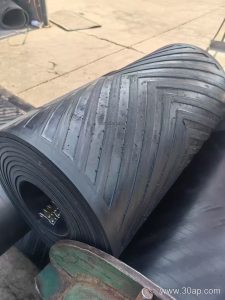
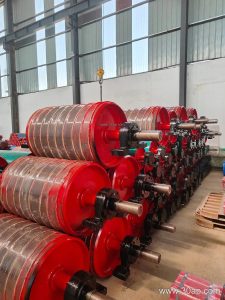
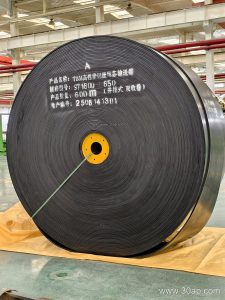
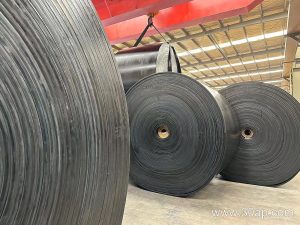
Bracket choice should also match the belt. A heavy-duty mining conveyor belt with steel cord reinforcement needs firm support spacing, while a chevron conveyor belt or corrugated sidewall belt may need modified bracket positions near the loading zone. The bracket works together with the conveyor pulley, idler roller, and belt, so alignment at installation matters as much as the part itself.
Buyer Checklist
- Confirm belt width, trough angle, and idler diameter before ordering.
- Ask for the mounting hole drawing, not just the model name.
- State the environment: wet, dusty, corrosive, or high temperature.
- Check material thickness and weld quality on samples.
- Keep spare brackets for transition and impact positions, which wear faster.
For matching conveyor components, buyers often review conveyor belt, idler roller, and conveyor pulley data together with the bracket drawing. A bracket that fits the frame and the idler shaft will always outperform a generic part chosen by belt width alone.