What an Idler Bracket Does on a Conveyor
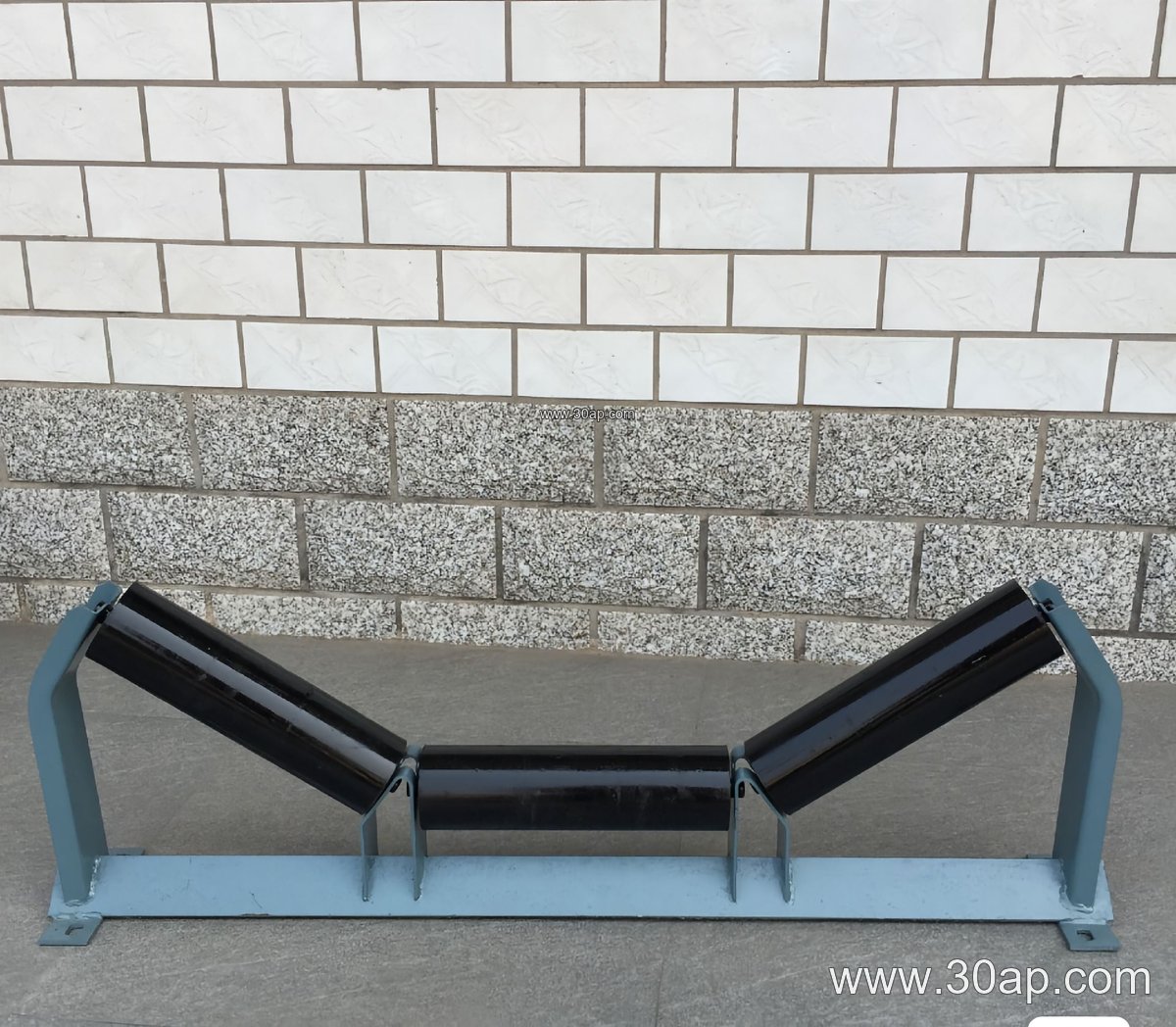
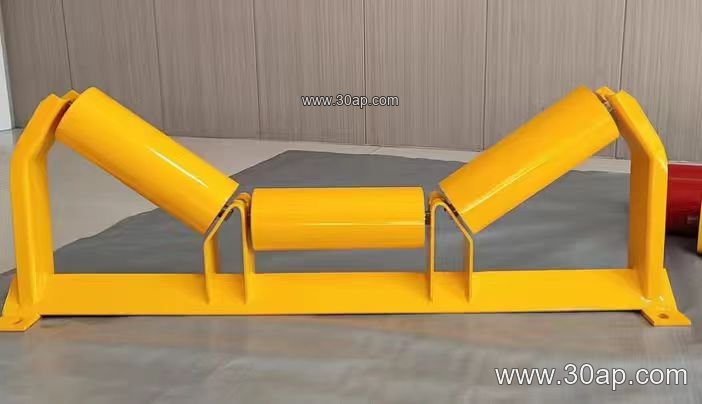
An idler bracket is the support component that holds conveyor idler rollers at the correct position and angle along the conveyor frame. In a typical troughing arrangement, the bracket carries the centre roller and the two side rollers, setting the trough angle that keeps bulk material centred on the belt. On the return side, a similar bracket supports the return rollers under the belt. Because the bracket fixes both the roller spacing and the roller orientation, it directly affects belt tracking, load distribution and the service life of the idler roller itself.
In a quarry, a cement plant or a power plant coal yard, a loose or misaligned bracket often shows up first as belt wander or as uneven wear on one side of the conveyor belt. That is why maintenance teams treat the bracket as a structural part of the conveyor line, not as a minor accessory.
How the Bracket Is Built
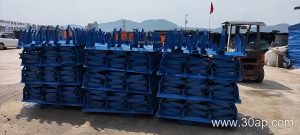
Most brackets are fabricated from angle steel, channel steel or folded steel plate, then drilled for the idler shaft and bolted or welded to the conveyor frame. A well-made unit keeps the mounting holes aligned so the rollers sit square to the belt centreline. Common forms include:
- Troughing brackets for the carrying side, usually with a fixed trough angle
- Transition brackets near the head and tail, where the belt changes shape
- Return brackets and V-return brackets for the lower run
- Impact brackets under loading points, paired with impact rollers
- Self-aligning brackets that allow slight movement to correct belt drift
- Adjustable brackets that can be set to different trough angles
Surface treatment matters in wet or dusty conditions. Galvanised or painted finishes are common, and the choice usually follows the environment rather than the bracket design itself.
Matching Bracket, Roller and Belt Width
Bracket dimensions are tied to belt width, trough angle and roller diameter, but there is no single fixed combination. A B800 conveyor may run a 30 degree or 35 degree trough with Ø108 rollers, while a B1200 line in a crushing circuit often uses 35 degree or 45 degree troughing with Ø133 rollers. Heavier lines with wide belts may use Ø159 or Ø194 rollers. The table below shows common reference ranges; final values are set by the conveyor design.
| Belt width | Typical trough angle | Common roller diameter |
|---|---|---|
| B500 / B650 | 20 degree to 30 degree | Ø89 / Ø108 |
| B800 / B1000 | 30 degree to 35 degree | Ø108 / Ø133 |
| B1200 / B1400 | 35 degree to 45 degree | Ø133 / Ø159 |
| B1600 / B1800 | 35 degree to 45 degree | Ø159 / Ø194 |
| B2000 and above | By design | Ø194 or larger |
Installation hole spacing and crossbeam length change with belt width and trough angle, so brackets are not interchangeable between frame sizes. Forward-leaning brackets, which tilt the side rollers by roughly 1.5 to 2 degrees, are a separate design choice used for belt training and should not be confused with adjustable brackets.
Where These Brackets Are Used
In a limestone mine or stone crushing line, troughing brackets carry the belt through the loading and transfer points, while impact brackets absorb the drop from the crusher. In a coal handling system at a power plant, flame retardant conveyor belt and anti-static conveyor belt are common, and the brackets must hold roller alignment across long inclined runs. Port terminals handling iron ore or aggregate rely on heavy-duty brackets that keep the belt stable under high tonnage, often together with a steel cord conveyor belt or a high abrasion resistant conveyor belt on the carrying side.
Other settings include cement plants moving clinker, fertiliser plants, grain silos and tunnel spoil removal. In each case the bracket type follows the belt path: troughing on the carry side, return or V-return underneath, and transition brackets where the belt opens or closes.
What Buyers Should Check Before Ordering
First, confirm the belt width and the trough angle required by the conveyor design, then confirm the roller diameter the bracket must accept. Second, check the frame interface: bolt hole pattern, crossbeam length and mounting height. Third, match the material and finish to the site, since a washdown area and a dry coal yard have different needs. Fourth, decide whether fixed or adjustable brackets suit the line; adjustable units help where the trough angle may need tuning after commissioning.
Spare parts planning also matters. Keeping a small stock of the most wearing bracket types reduces downtime when a roller seizes and damages its support. For related conveyor components, buyers can review options at www.example.com/conveyor-bracket and compare roller and belt specifications at www.example.com/idler-roller.
Maintenance Notes
Check bracket bolts at the same interval as roller inspection, since vibration loosens fasteners over time. Look for bent arms after a belt jam or a fallen lump of rock, and replace distorted brackets rather than straightening them repeatedly. Keeping brackets aligned protects the conveyor belt, the idler roller and the conveyor pulley from uneven loading, which is cheaper than replacing any of them.