What a Mining Conveyor Pulley Does
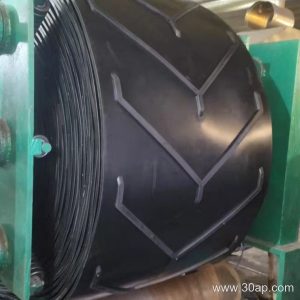
A mining conveyor pulley is the rotating drum that drives, tensions, or redirects a conveyor belt in a bulk handling system. In a quarry, a coal preparation plant, or a cement clinker line, the pulley is the point where belt tension and motor torque meet the belt surface. The belt itself may be an abrasion resistant conveyor belt or a heavy-duty mining conveyor belt, but the pulley has to grip it, support it, and keep it tracking. Without a properly specified pulley, even a well-built Steel Cord Conveyor Belt will slip, mistrack, or wear unevenly.
It is useful to separate the main types by duty. The drive pulley (also called the head pulley) transmits power to the belt. The tail pulley turns at the loading end and helps control belt tension. The bend pulley changes belt direction without driving. Drive, tail, and bend pulleys are different components with different loads, and they are not interchangeable names. A tension pulley and a snub pulley have their own jobs as well.
How the Drum Is Built
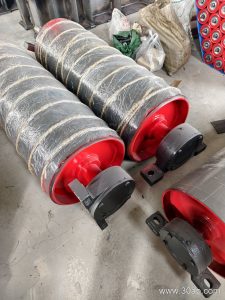
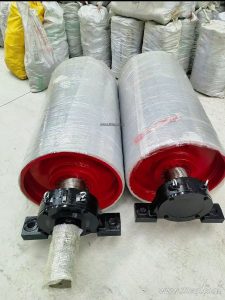
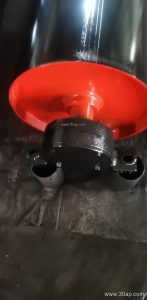
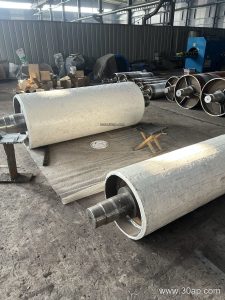
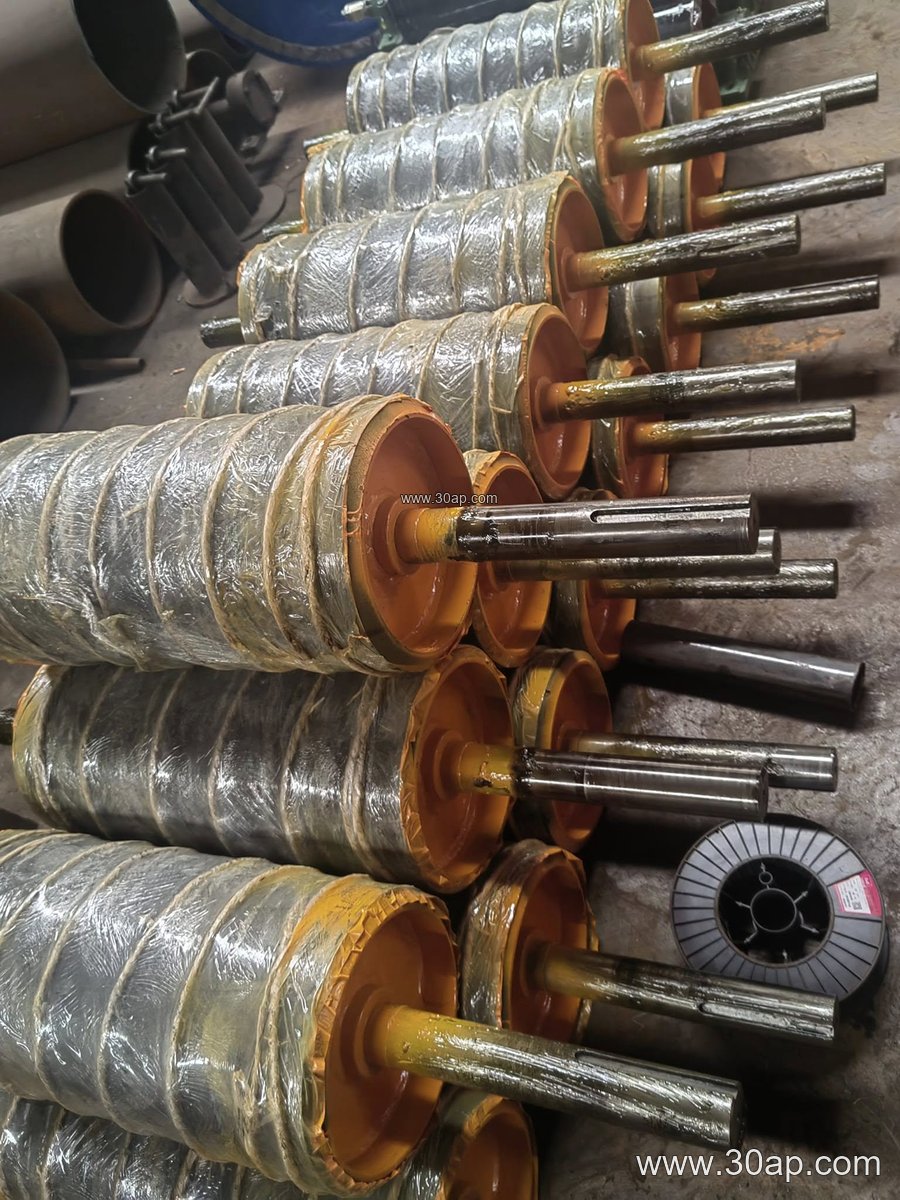
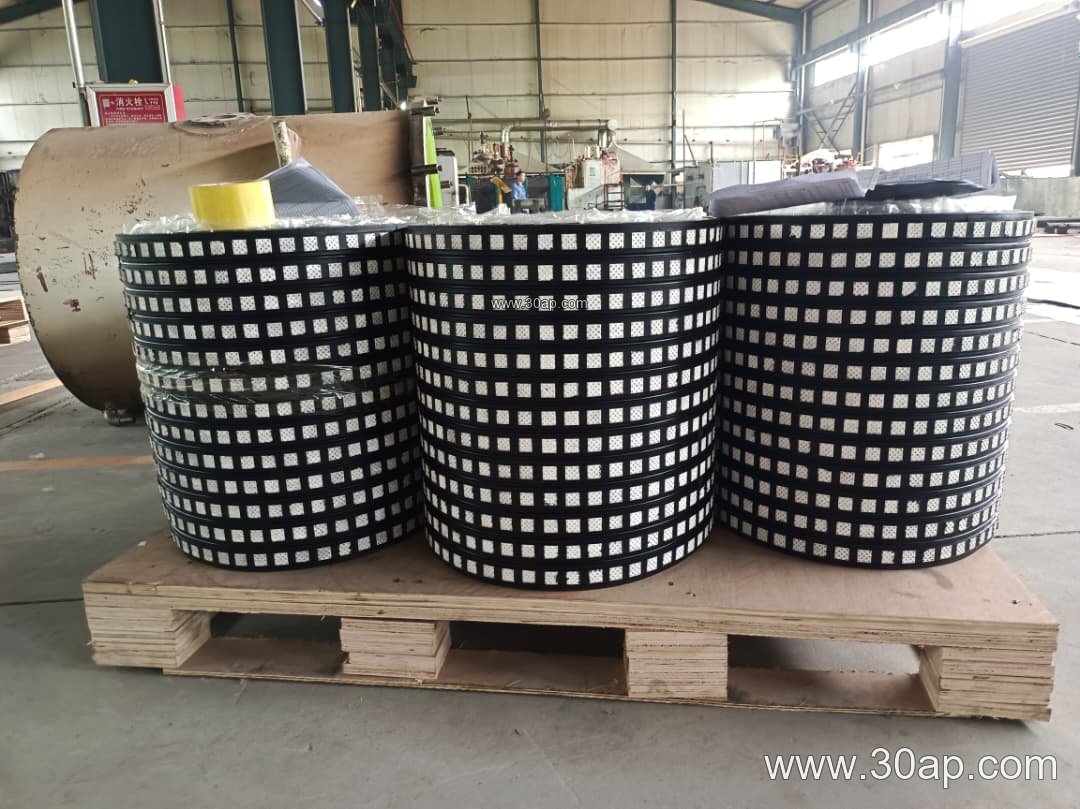
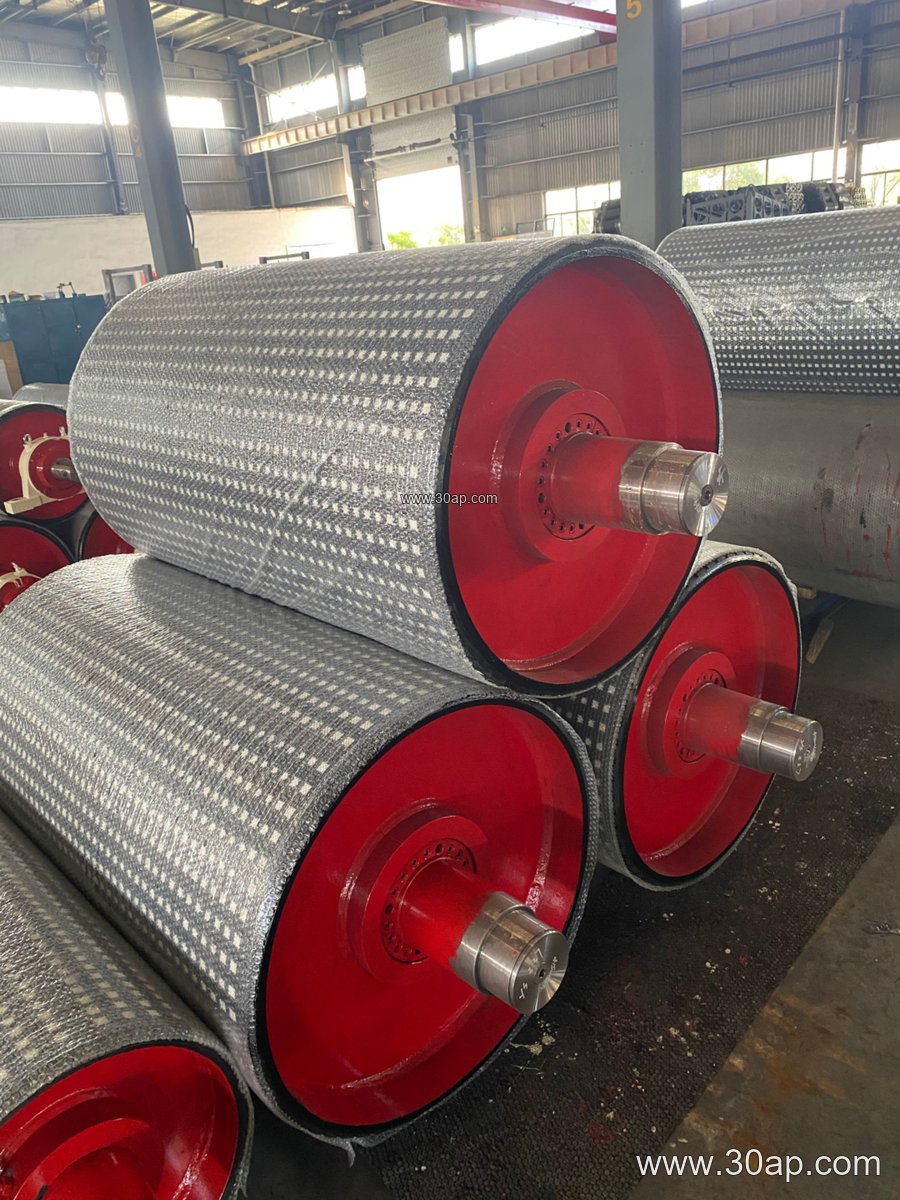
Most mining conveyor pulleys use a welded steel shell with end discs, a shaft, and hub assemblies. The shell is machined to a true diameter, then covered with a lagging surface. Common surface forms include plain steel, hot-vulcanized rubber, cold-bonded rubber, diamond grooved lagging, herringbone lagging, and ceramic lagging. Lagging thickness is often 8, 10, 12, 15, or 20 mm depending on the duty.
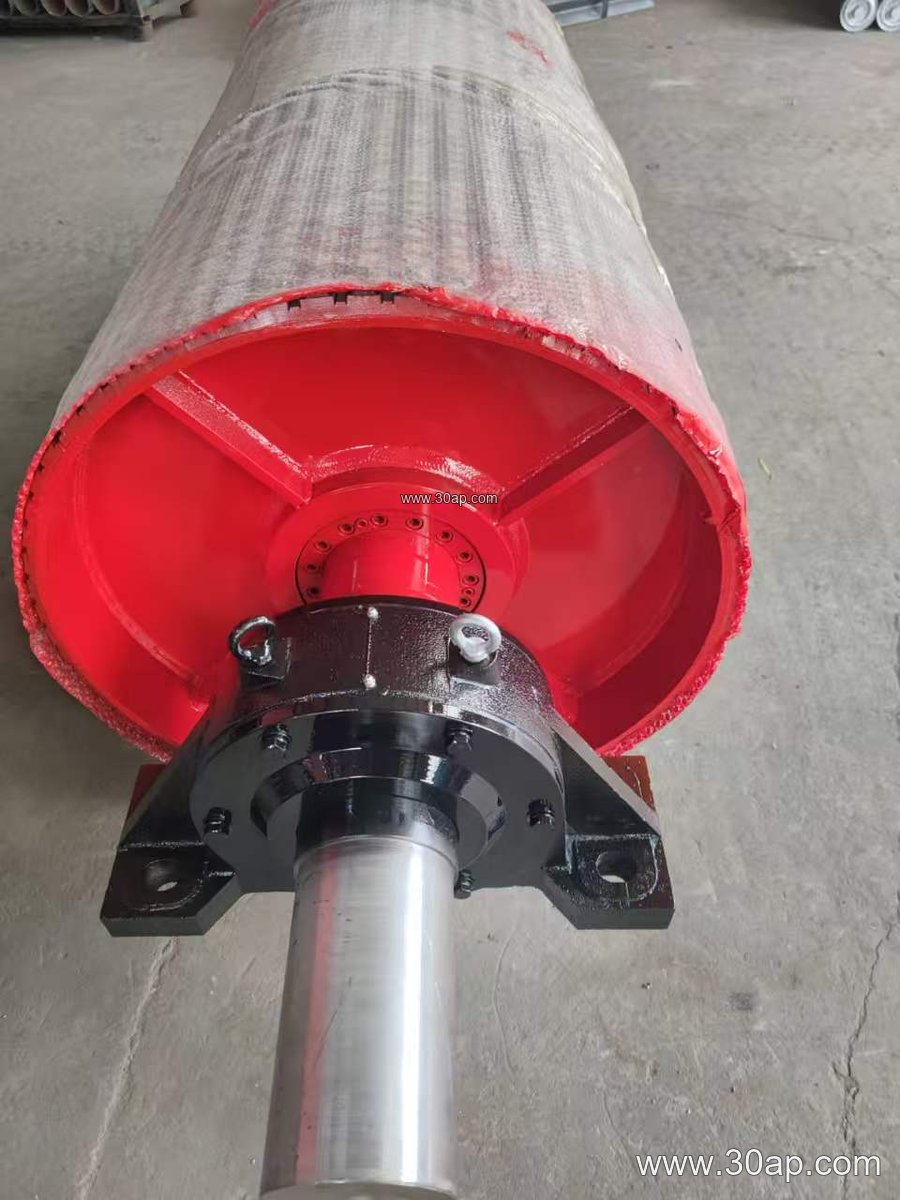
The shaft is sized by torque and bearing load, not by belt width alone. Typical shaft diameters run from Ø50 to Ø200, and the exact value comes from the drive calculation. Bearing housings and the conveyor bracket are matched to the shaft and to the frame, so the pulley, bracket, and take-up arrangement should be reviewed as one assembly.
Matching Diameter and Face Width to the Belt
The pulley face is normally a little wider than the belt. For reference, a B800 belt is often paired with a roughly 950 mm face, and a B1200 belt with roughly 1400 mm. Diameter is chosen from belt tension, wrap angle, and the belt’s minimum pulley diameter requirement, so one belt width can work with several pulley diameters. The table below shows common reference combinations, not fixed rules.
| Belt width | Typical pulley face | Example diameter | Typical lagging |
|---|---|---|---|
| B650 | about 750 mm | Ø400 to Ø500 | 10 mm rubber |
| B800 | about 950 mm | Ø500 to Ø630 | 10 to 12 mm diamond |
| B1000 | about 1150 mm | Ø630 to Ø800 | 12 to 15 mm rubber |
| B1200 | about 1400 mm | Ø800 to Ø1000 | 15 mm diamond or ceramic |
| B1400 | about 1600 mm | Ø1000 to Ø1250 | 15 to 20 mm ceramic |
| B1800 | about 2000 mm | Ø1250 to Ø1600 | 20 mm ceramic |
These values are reference data. A B1200 × Ø1000 drive pulley and a B1400 × Ø800 bend pulley are both realistic, because the duty differs. Do not assume a fixed shaft diameter from belt width; the shaft follows the load case.
Where It Is Used
Mining conveyor pulleys appear in iron ore and copper ore handling, limestone quarries, coal washing plants, and power plant coal yards. In a crushing and screening circuit, the head pulley on the crusher discharge belt often carries a rubber lagging to reduce slip under shock loading. In a cement plant, heat resistant conveyor belts may run over pulleys fitted with heat-tolerant lagging. Underground coal mining conveyors usually call for flame retardant belt and fire resistant belt constructions, and the pulley lagging should be selected with the same fire-safety intent.
Port bulk terminals and ship loading conveyors use larger drums, sometimes Ø1250 or Ø1600, to limit belt bending stress on high-tension Steel Cord Conveyor Belt installations. In a sand and aggregate line, a smaller Ø400 or Ø500 tail pulley with plain or lightly lagged surface is often enough.
What a Buyer Should Check
- Confirm the pulley’s role: drive, tail, bend, tension, or snub. Each has a different load profile.
- State the belt type and tension, whether EP Conveyor Belt, NN Conveyor Belt, or steel cord, because minimum pulley diameter depends on the carcass.
- Specify lagging form and thickness for the material. Abrasive rock calls for thick rubber or ceramic; oily or wet conditions may need a different compound.
- Provide the shaft load, not just the belt width, so the shaft and bearings are sized correctly.
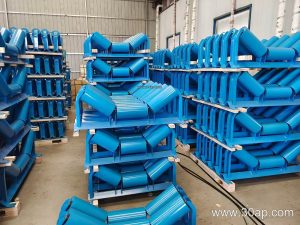
- Check the interface with the conveyor bracket and take-up frame before ordering.
- Ask for the balancing grade and runout tolerance if the pulley will run at high speed.
Maintenance matters too. Worn lagging reduces grip and can cause belt slip, while a seized bearing can score the shaft. Keep the pulley aligned with the idler roller line, inspect lagging wear at each shutdown, and re-tension the belt only to the manufacturer’s recommendation. For more on matching belts, pulleys, and frames, see beltconveyorparts.com and review the pulley and conveyor bracket range alongside the belt specification.