What a Belt Conveyor Drive Pulley Does
The drive pulley is the powered drum at the head of a conveyor that converts motor torque into belt motion. It grips the conveyor belt through friction and pulls the loaded strand forward, while the tail pulley and bend pulleys simply redirect or tension the belt. Because the drive pulley carries the highest torque in the system, its shell, shaft, bearings and lagging must be matched to the duty rather than picked from a catalog by belt width alone.
In a quarry or aggregate line, this drum is often the difference between steady output and constant belt slip. The same holds in a cement plant clinker circuit or a power plant coal handling gallery.
How the Drum Is Built
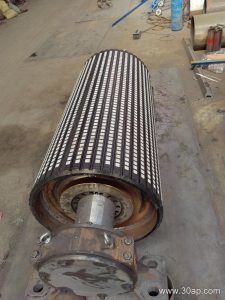
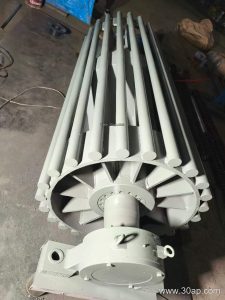
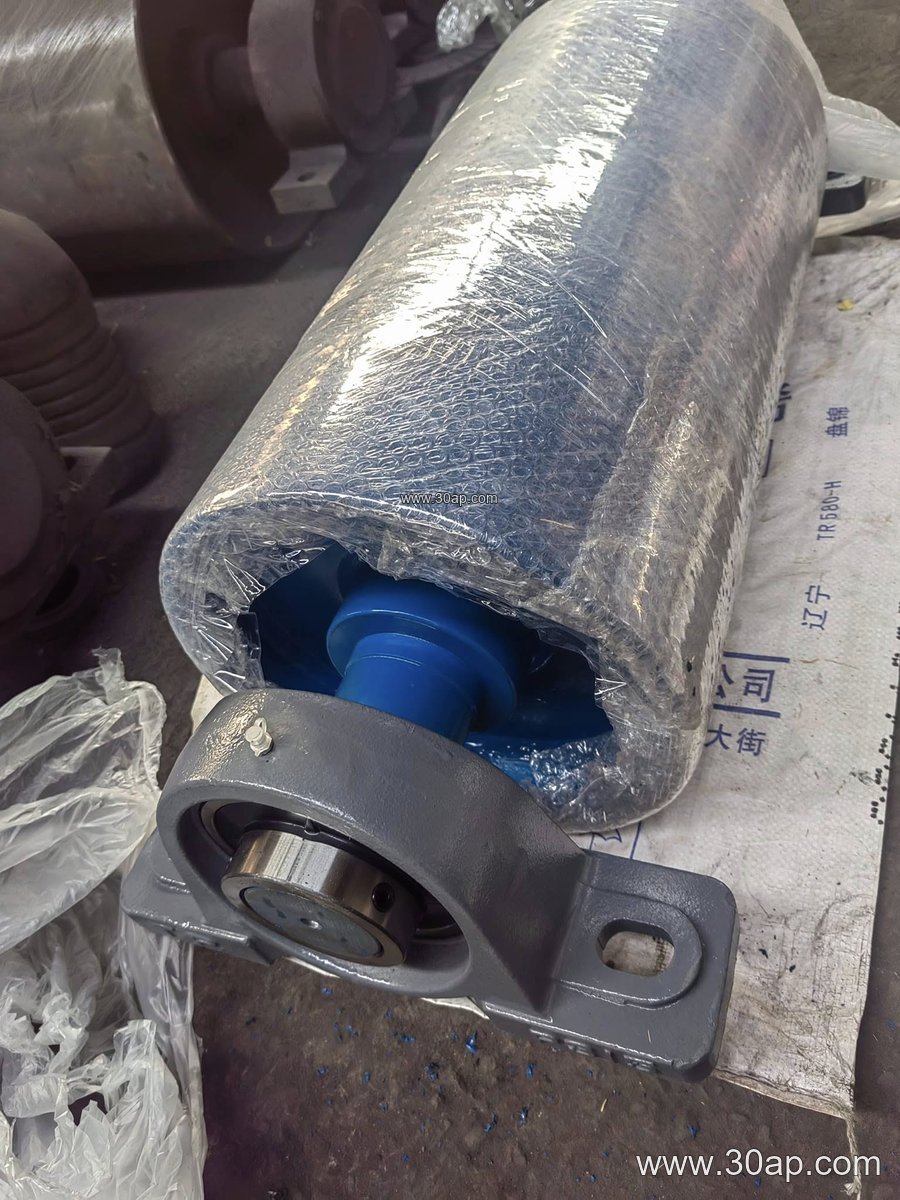
A typical belt conveyor drive pulley consists of a rolled steel shell, a shaft, end discs or hubs, and a lagging surface. The shell is machined for balance and concentricity, the shaft is sized by torque and radial load, and the bearings are carried in pillow blocks or a split housing mounted on the conveyor bracket. Larger units may use a keyless locking assembly to simplify installation.
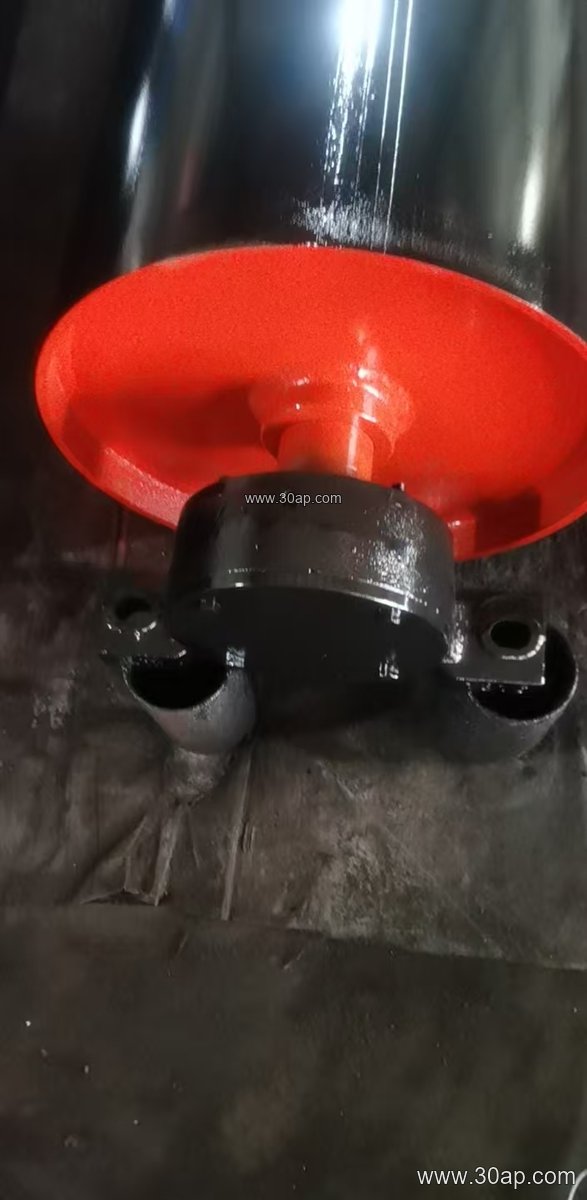
Surface finish matters as much as structure. Plain, cast rubber, cold-bonded rubber, hot-vulcanized rubber, diamond, herringbone and ceramic lagging are all common, with lagging thickness often in the 8 to 20 mm range. Diamond or herringbone patterns help shed water and fines, while ceramic tiles suit abrasive duty.
Typical Sizes and Reference Data
Diameters are usually chosen from a range that fits the belt thickness, wrap angle and tension. Common drum diameters include Ø200, Ø250, Ø315, Ø400, Ø500, Ø630, Ø800, Ø1000 and Ø1250 mm, with larger sizes for heavy-duty mining conveyors. Face width normally exceeds belt width so the belt is fully supported.
| Belt width | Typical pulley face width | Example combination |
|---|---|---|
| B400 | about 500 mm | B400 x Ø315 |
| B500 | about 600 mm | B500 x Ø400 |
| B650 | about 750 mm | B650 x Ø500 |
| B800 | about 950 mm | B800 x Ø500 |
| B1000 | about 1150 mm | B1000 x Ø630 |
| B1200 | about 1400 mm | B1200 x Ø1000 |
| B1400 | about 1600 mm | B1400 x Ø800 |
| B1600 | about 1800 mm | B1600 x Ø1000 |
| B1800 | about 2000 mm | B1800 x Ø1250 |
Shaft diameters commonly fall between Ø50 and Ø200 mm depending on torque and load, not on belt width directly. A B1200 belt might run on a Ø1000 drum in one plant and a different diameter in another, so the design calculation always wins.
Where It Is Installed
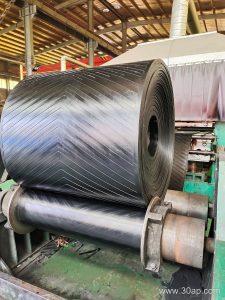
The drive pulley sits at the discharge end of the conveyor, which is why it is sometimes called the head pulley. In a ship loading line or port bulk terminal, it is the last drum the belt touches before the material drops. In an underground coal mining conveyor, flame retardant conveyor belt and anti-static conveyor belt work with a lagged drum to keep grip in damp conditions. A crusher conveyor belt in a stone crushing plant often needs an abrasion resistant conveyor belt and a ceramic-lagged drive pulley to survive sharp rock fines.
Other positions use different roles. A bend pulley changes belt direction, a take-up pulley maintains tension, and a tail pulley returns the belt, but none of them replaces the drive function. Confusing these names leads to the wrong spare part being ordered.
What a Buyer Should Check
- Confirm the required torque and belt tension, then let the supplier size the shell and shaft.
- Match lagging to the material: rubber for general bulk, ceramic for high abrasion, diamond for wet or dusty service.
- Check the conveyor bracket and bearing housing dimensions before ordering.
- Confirm belt width and face width, plus the pulley diameter that fits the belt splice and wrap angle.
- For heavy-duty mining conveyor belt duty, ask for the shaft and bearing calculation rather than a nominal list.
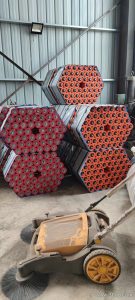
The drive pulley is a small part of the conveyor but a large part of its reliability. A correctly specified drum protects the conveyor belt, the idler roller set and the whole structure from unnecessary wear.