What a Chemical Resistant Conveyor Belt Does
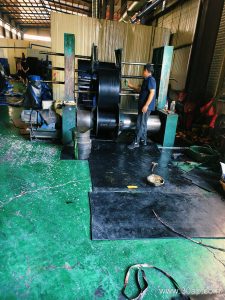
A chemical resistant conveyor belt is a fabric-reinforced rubber belt designed to carry materials that would attack standard rubber covers. In fertilizer plants, chemical processing areas, mineral washing circuits, and coastal bulk terminals, spillage and carryback often include acidic or alkaline residues. A belt built for this duty uses a cover compound that resists swelling, cracking, and surface breakdown, so the belt keeps its shape and cleaning behavior over a longer service window. The same belt family is sometimes described as an acid resistant conveyor belt or an alkali resistant belt, depending on which chemical group the cover is formulated for. It is still a rubber conveyor belt at its core, not a replacement for heat resistant or oil resistant grades unless the compound is specifically balanced for those exposures.
Construction and Cover Options
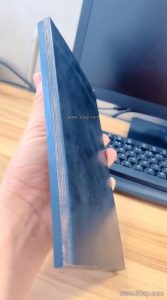
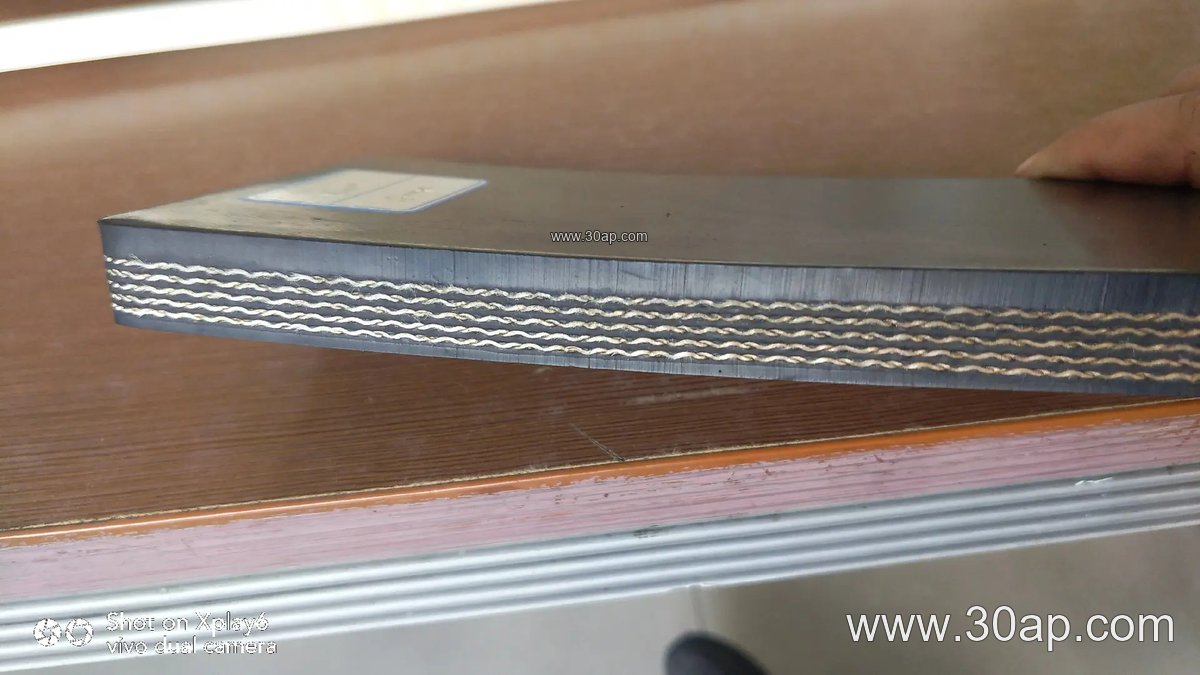
The carcass is usually a multi-ply fabric core, with EP conveyor belt or NN conveyor belt plies carrying the tension. For very long runs or high tonnage, a steel cord conveyor belt may be selected instead, but the cover compound still determines chemical resistance. Cover thickness is often quoted in pairs such as 4+2 mm, 5+2 mm, or 6+2 mm, meaning top cover plus bottom cover. The top cover faces the corrosive load; the bottom cover runs over idler rollers and conveyor pulleys, so both surfaces need to suit the environment. Buyers should confirm the chemical family, concentration, temperature, and whether the exposure is continuous splash or occasional spillage. A cover that performs well against dilute acid may not suit strong alkali or solvent-bearing material.
Where It Fits in the Plant
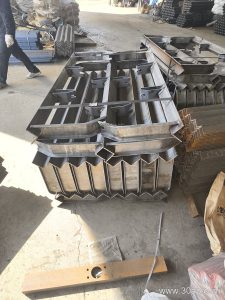
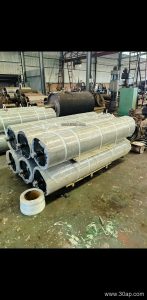
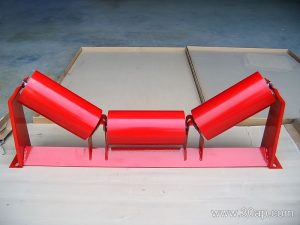
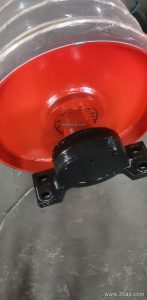
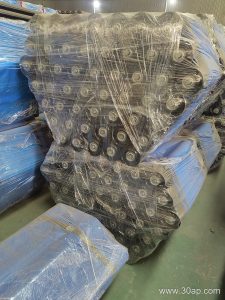
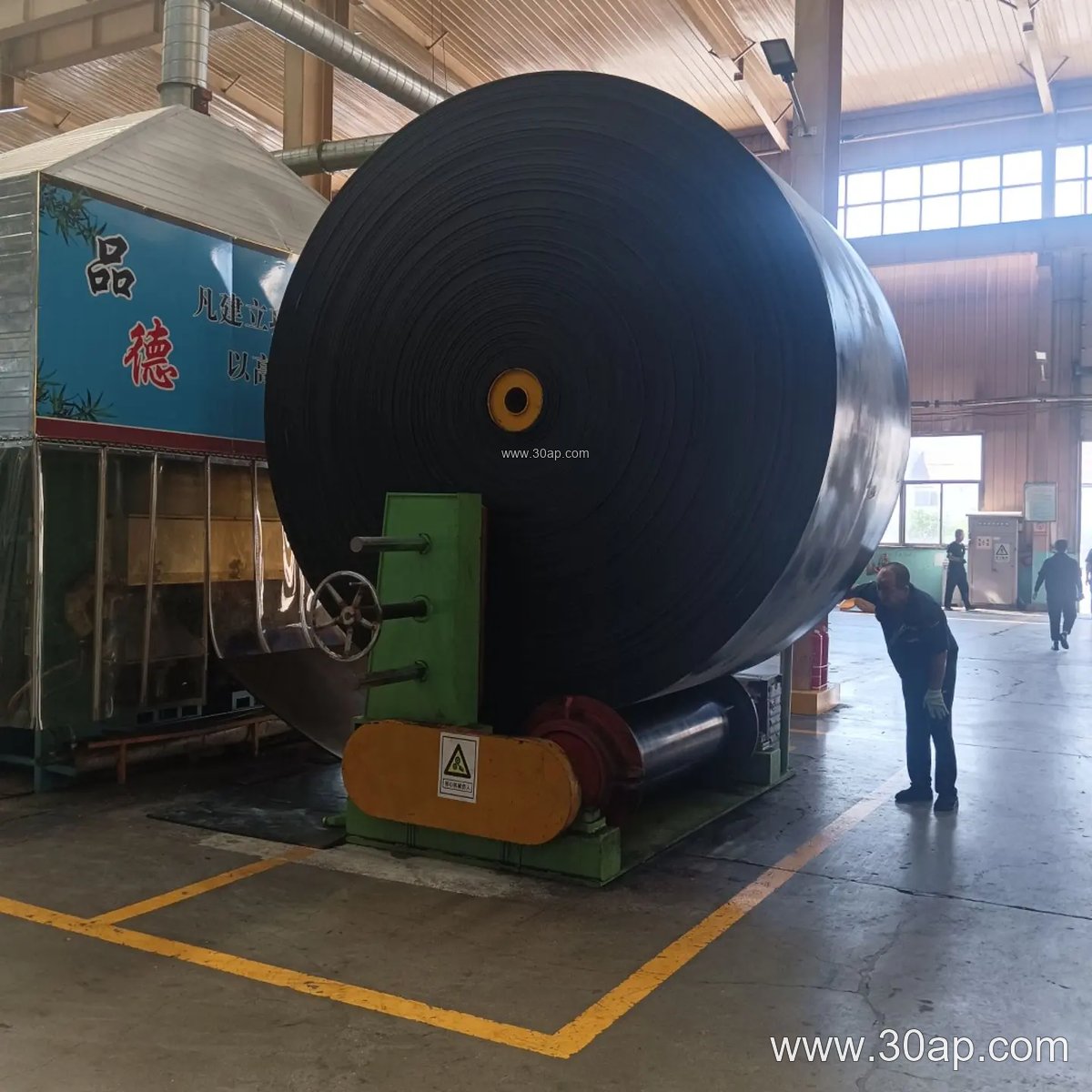
These belts appear in phosphate and potash handling, chemical fertilizer granulation lines, salt and soda ash transport, and acidic ore leaching areas. In a cement plant, they may be used where raw material or bypass dust has a corrosive component; in a power plant, they can appear in flue gas desulfurization limestone and gypsum circuits. Quarry and aggregate operations sometimes specify a chemical resistant cover where wash water and clay create aggressive conditions. The belt works alongside conveyor idler rollers, conveyor pulleys, and conveyor brackets, and the whole conveyor should be reviewed, not just the belt. Drive pulleys, tail pulleys, and bend pulleys each affect tracking and tension, so a belt change should include a check of pulley lagging and roller condition.
Common Reference Data
The values below are typical reference points, not fixed supply promises. Final construction is confirmed by design and by the actual chemical exposure.
| Item | Common reference |
|---|---|
| Belt type | EP conveyor belt, NN conveyor belt, steel cord conveyor belt |
| Strength grades | EP200, EP315, EP400, EP500, EP630, EP800, EP1000 |
| Belt width | B500, B650, B800, B1000, B1200, B1400, B1600 |
| Cover thickness | 3+1.5 mm, 4+2 mm, 5+2 mm, 6+2 mm, 8+3 mm |
| Carcass plies | Usually 2 to 6 plies, depending on tension |
| Surface form | Smooth cover; chevron conveyor belt or skirted conveyor belt only when the route requires it |
Selection Notes for Buyers
- Match the cover compound to the specific chemical, not just to a general acid or alkali label.
- Check both top and bottom cover thickness; carryback can expose the pulley side to the same corrosive material.
- Confirm belt width against the existing conveyor frame, idler roller spacing, and pulley face width rather than assuming one width fits all.
- If the material is also abrasive, consider whether an abrasion resistant conveyor belt with chemical resistance is the better balance.
- For underground or enclosed areas, review flame retardant and anti-static requirements separately from chemical resistance.
- Ask for the cover compound data and a splice recommendation; an endless conveyor belt joint must suit the same chemical environment.
Maintenance and Service Life
Chemical attack often shows first at edges, splice areas, and cover seams. Regular inspection should include cover hardness, cracking, and swelling, plus the condition of conveyor pulleys and idler rollers. Spillage should be cleaned promptly, because standing corrosive material on the bottom cover accelerates deterioration. Where wash-down is routine, confirm that the cleaning method and water chemistry are compatible with the belt compound. A belt that is correctly matched to the duty, properly tensioned, and kept aligned on its pulleys will generally deliver more predictable service than one chosen on price alone.