What a Ceramic Lagged Pulley Does
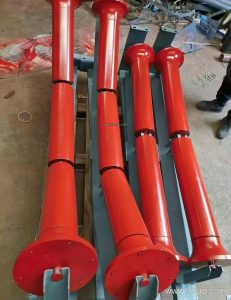
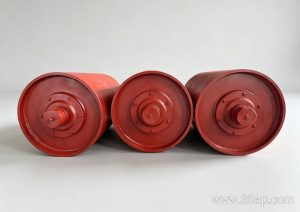
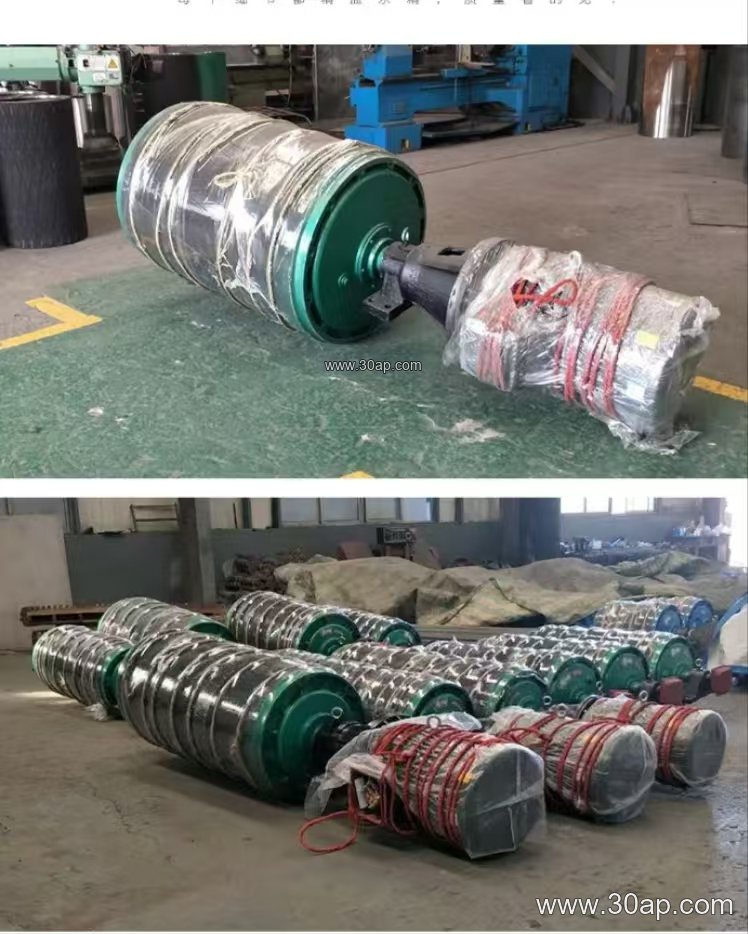
A wear-resistant ceramic lagged pulley is a conveyor pulley whose shell is covered with ceramic tiles set in a rubber or polymer backing. The ceramic surface grips the conveyor belt far better than bare steel, and it keeps that grip for a long time in places where ordinary rubber lagging would wear smooth or tear away. In a quarry, a limestone mine, or a crushing and screening line, the drive pulley is the component that has to turn the belt without slipping, and ceramic lagging is one way to protect that job.
People sometimes call this product a ceramic-coated pulley or a ceramic rubber lagged drum. Those are accurate equivalents for the same item. It is still a conveyor pulley, and it belongs to the drive position or another high-traction position, not to the tail or bend duty described below.
How the Ceramic Layer Is Built
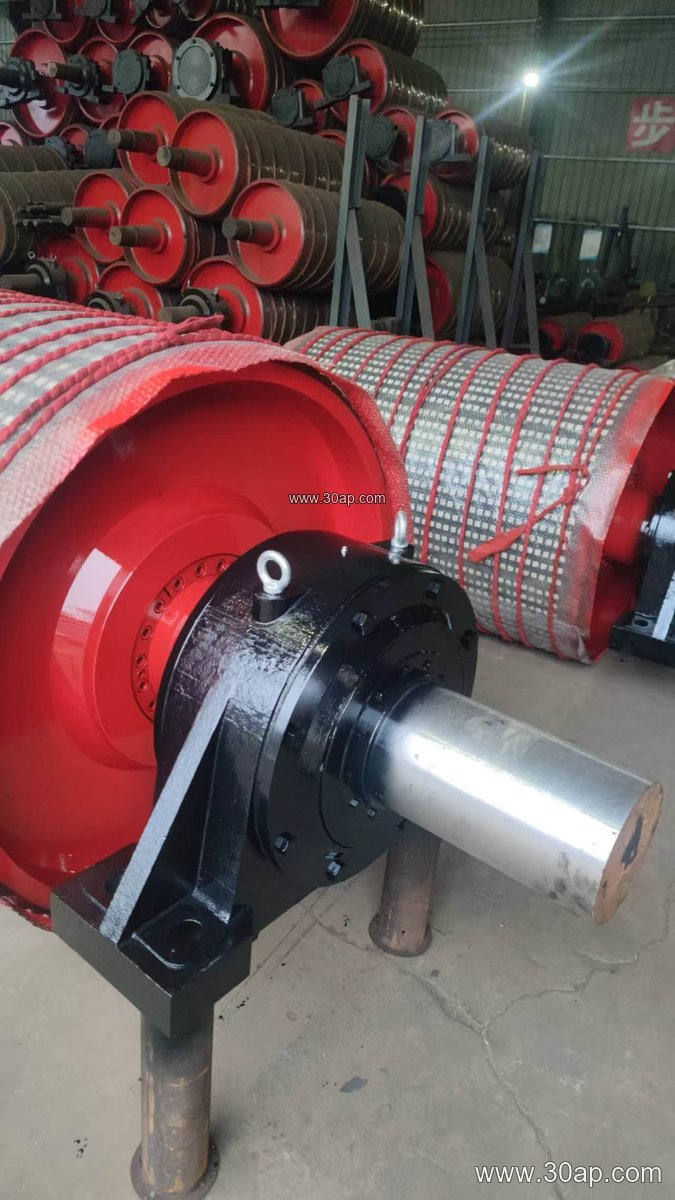
The shell is usually machined steel, sometimes with a welded hub and a shaft sized by torque and load. The lagging is applied in one of two common ways. In one, ceramic tiles with raised studs or dimples are bonded into a rubber sheet that is then vulcanized or cold-bonded to the shell. In the other, tiles are set directly into a poured or molded polymer layer. Tiles are normally arranged in a staggered pattern so that water, fines, and dust can escape through the gaps instead of building up under the belt.
Typical lagging thickness is 8, 10, 12, 15, or 20 mm, with the ceramic pieces occupying part of that thickness. The tile pattern matters as much as the material. A studded or diamond-oriented ceramic face gives good wet grip, while a plain ceramic face may suit drier duty. Buyers should ask for the tile size, the bond system, and the hardness of the ceramic, because these details separate a durable pulley from a short-lived one.
Where It Fits on the Conveyor
The strongest case for ceramic lagging is the drive pulley, especially on inclined conveyors or in wet and muddy conditions. A coal washing plant, a power plant coal yard, and a port bulk terminal all deal with moisture that makes plain steel slippery. The same applies to a cement plant clinker line where dust and heat are present, or to an iron ore and copper ore operation where abrasive fines work into every gap.
Do not confuse the drive pulley with a tail pulley or a bend pulley. A tail pulley mainly guides and tensions the belt, and a bend pulley changes belt direction; neither carries the same traction load. A wear-resistant ceramic lagged pulley may occasionally be used at a tension or snub position when slip is a concern, but that is a design decision, not a general rule. The conveyor pulley at the head end does the pulling, and that is where ceramic pays back.
Sizes and Matching to the Belt
Ceramic lagged pulleys are made across the common belt width range. The table below shows typical shell face widths, which are usually wider than the belt to keep the belt centered.
| Belt width | Typical pulley face width | Common diameter range |
|---|---|---|
| B400 | about 500 mm | Ø200 to Ø400 |
| B650 | about 750 mm | Ø250 to Ø500 |
| B800 | about 950 mm | Ø315 to Ø630 |
| B1000 | about 1150 mm | Ø400 to Ø800 |
| B1200 | about 1400 mm | Ø500 to Ø1000 |
| B1400 | about 1600 mm | Ø630 to Ø1250 |
| B1800 | about 2000 mm | Ø800 to Ø1600 |
These figures are reference values, not fixed pairings. A B1200 belt may run on a Ø1000 drive pulley in one plant and a Ø800 pulley in another, depending on belt tension, wrap angle, and the space available. Shaft diameter is set by torque and bearing load; common sizes run from Ø50 up to Ø200, but the correct value comes from the drive calculation, never from belt width alone.
Working With the Rest of the System
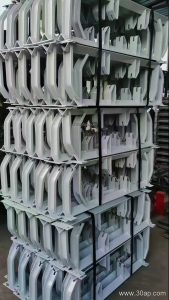
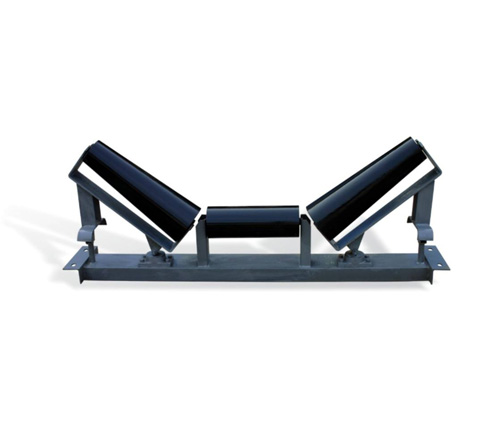
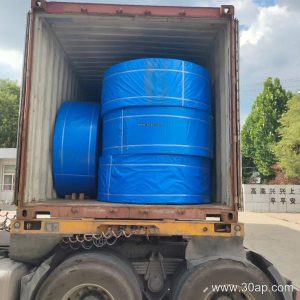
The pulley does not act alone. A heavy-duty mining conveyor belt, an abrasion resistant conveyor belt, or a steel cord conveyor belt all behave differently on the same lagging. A stiff steel cord belt needs a larger diameter to limit bending stress, while a fabric core belt such as an EP conveyor belt or NN conveyor belt can often run on a smaller drum. The conveyor bracket and the conveyor idler roller set the belt path, and misalignment there will wear the lagging edges long before the ceramic face is spent.
Check that the belt tracking is correct, that the skirt rubber does not rub the shell, and that the ceramic tiles are not chipped during installation. A chipped tile can lift and damage the belt cover.
Buyer Checklist
- Confirm the duty position: drive, head, or another traction point. State it clearly in the inquiry.
- Give belt width, belt type, belt speed, and the calculated tension, so the supplier can size the shell and shaft.
- Specify lagging thickness and tile pattern, and ask how the tiles are bonded.
- Ask for the balancing grade and the surface finish of the shaft ends.
- Plan inspection: look for missing tiles, glazing, and rubber undercut at the tile edges.
A ceramic lagged drum costs more than a plain rubber lagged one, but in a wet, abrasive, high-tension drive it can outlast several replacement laggings. The right choice is the one matched to the belt, the load, and the environment, not the largest or the thickest unit on the list.