What an 800mm Conveyor Belt Is
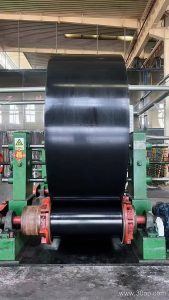
An 800mm conveyor belt is a belt with an 800 mm (B800) width, a size widely used in bulk handling systems where moderate tonnage and stable tracking matter. It sits between narrower belts and the larger 1000 mm and 1200 mm sizes, so it fits many crushing, screening and transport lines without demanding an oversized frame. Depending on the duty, the belt may be a rubber conveyor belt, an EP conveyor belt, an NN conveyor belt, a steel cord conveyor belt, or a special construction such as a chevron or corrugated sidewall belt.
The width alone does not define the belt. Buyers also need to specify carcass type, strength grade, cover rubber thickness and any surface or edge features. An 800mm conveyor belt for a quarry conveyor is not automatically the same product as one for a cement plant or a coal mining conveyor.
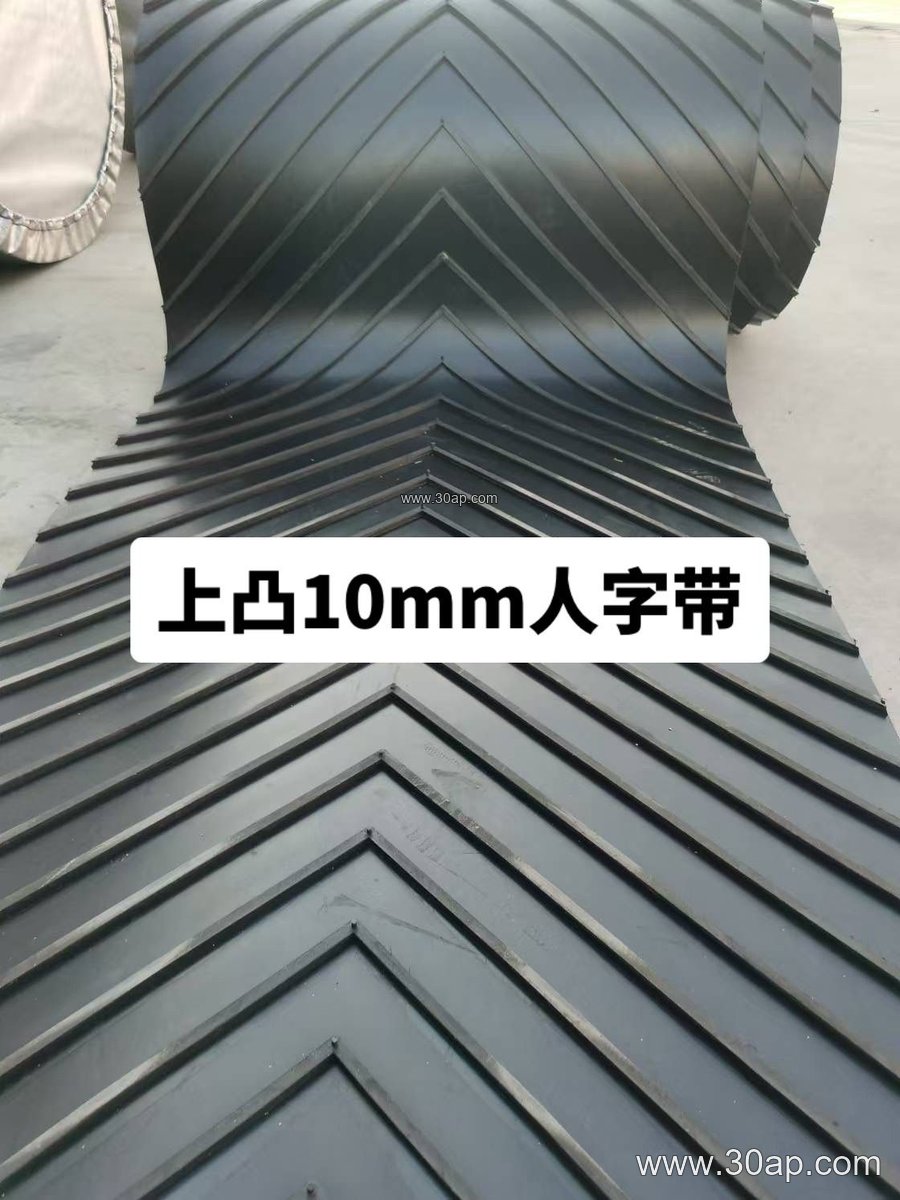
Construction and Common Specifications
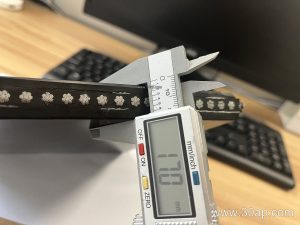
The carcass carries the tension. Fabric Core Conveyor Belt constructions use multiple plies of EP or nylon fabric, while a Steel Cord Conveyor Belt uses steel cables for high strength and long center distances. Cover compounds address abrasion, heat, oil, flame, cold or static. Typical reference values are shown below; final values are set by design and may differ between manufacturers.
| Parameter | Common Reference Range |
|---|---|
| Belt width | B800 (800 mm) |
| Fabric carcass | 2 to 6 plies, EP or NN |
| Strength grades (EP) | EP200, EP315, EP400, EP500, EP630, EP800, EP1000, EP1250 |
| Cover thickness | 3+1.5, 4+2, 5+2, 6+2, 8+3 mm |
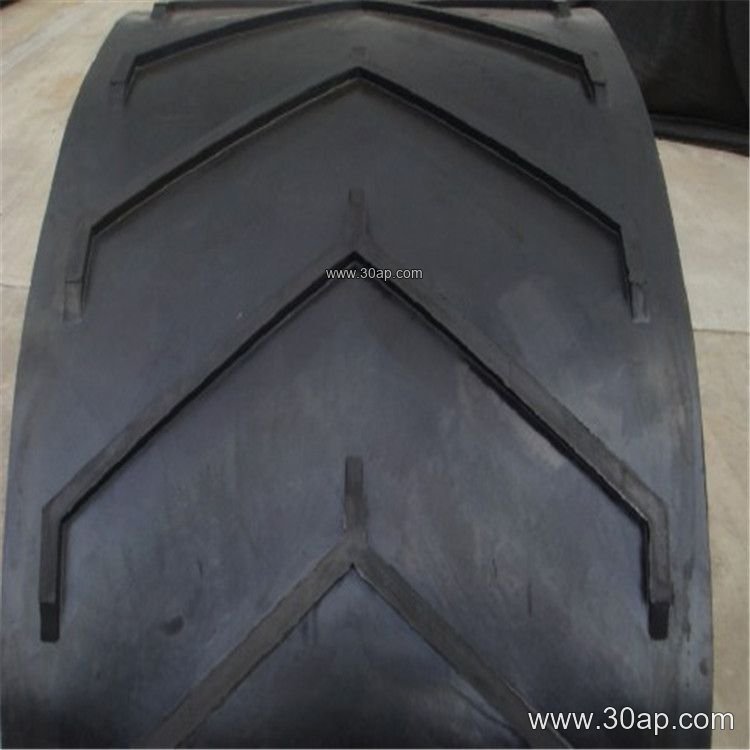
| Special forms | Chevron, skirted, corrugated sidewall, pipe |
For abrasive rock and ore, an Abrasion Resistant Conveyor Belt with a thicker top cover is common. In power plants and cement kiln areas, a Heat Resistant Conveyor Belt may be needed. Underground coal mining often calls for a Flame Retardant Conveyor Belt or PVG construction, while cold climates may require a Cold Resistant Conveyor Belt.
Where the 800mm Width Fits
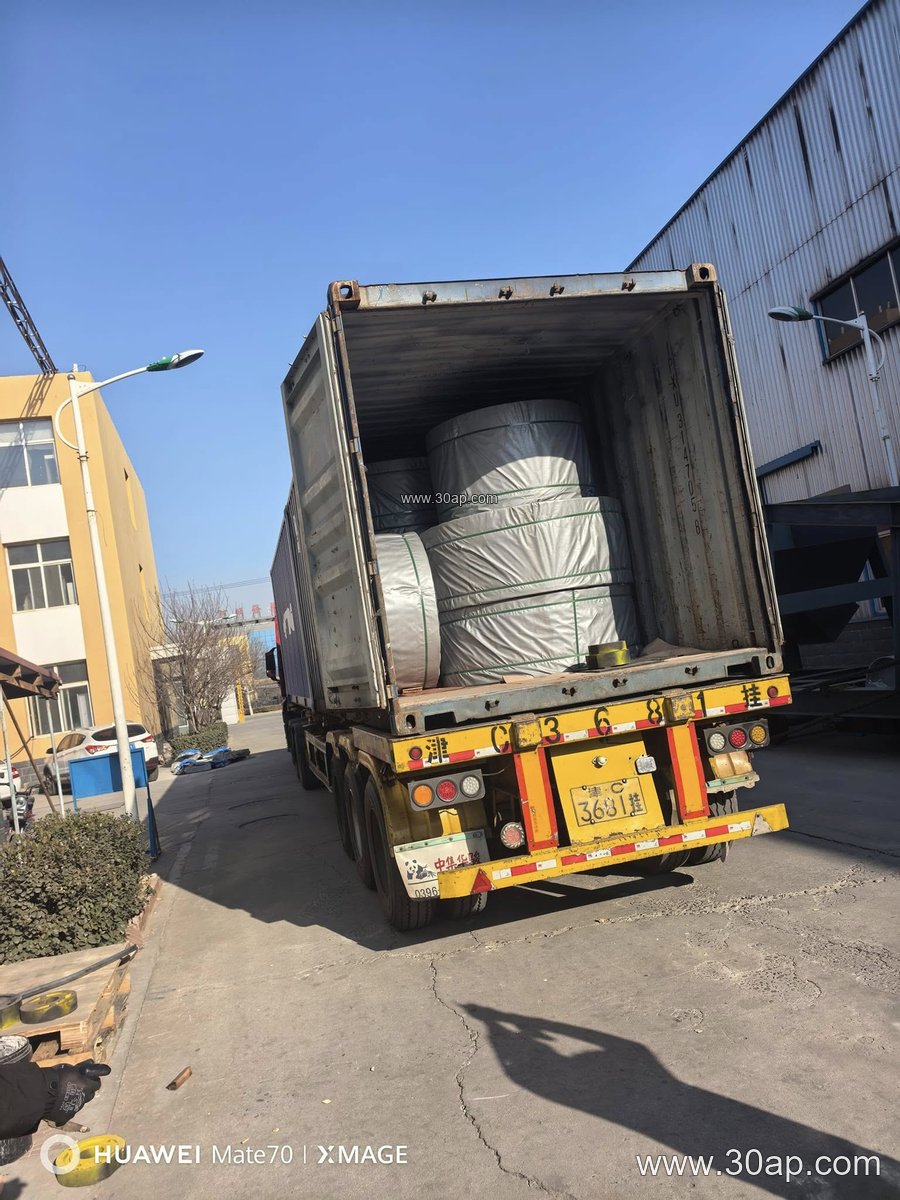
B800 belts appear in stone crushing plants feeding screens, in sand and gravel yards, in cement plants moving clinker and raw meal, in power plant coal handling, and in ports and ship loading lines where a compact belt is enough. They also suit recycling and construction waste sorting. In mining, an 800mm conveyor belt can serve as a drift or gallery belt, though heavier main lines may use a Heavy-Duty Mining Conveyor Belt or a wider size.
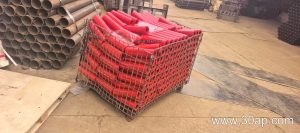
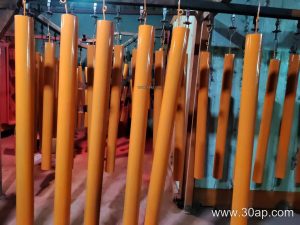
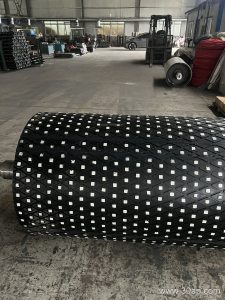
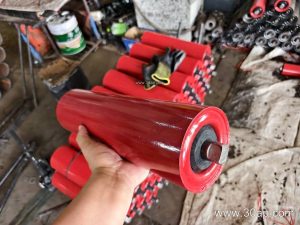
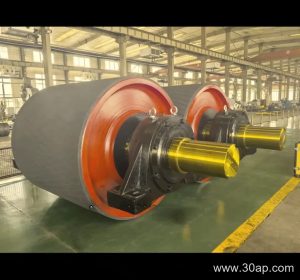
The belt works with conveyor pulleys, idler rollers and conveyor brackets. Drive, tail and bend pulleys each have a distinct role and are not interchangeable; the same applies to carrying idlers, impact idlers and return rollers. Matching an 800 mm belt to a pulley diameter is a design decision based on tension, wrap angle and carcass flexibility, not a fixed rule from width alone.
Buyer Checklist
- State the material, lump size, capacity and incline so the belt width and surface form can be checked.
- Choose carcass and grade: EP1000 or EP1250 for general heavy duty, NN for flexibility, steel cord for long runs.
- Confirm cover thickness and compound: abrasion, heat, oil, flame or anti-static.
- Specify edge condition and whether an Endless Conveyor Belt is required for the installation.
- Check pulley diameters, trough angle and idler spacing with the conveyor designer.
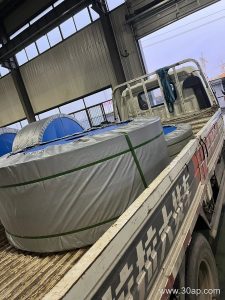
- Plan splicing, storage and inspection so the belt keeps tracking straight.
An 800mm conveyor belt is a practical middle size for many bulk material conveyor systems. Correct selection depends on the full conveyor layout, not on the belt width or a single strength number. For related components such as conveyor pulleys and idler rollers, confirm dimensions against the same design drawing before ordering.