What a Turning Pulley Does
A turning pulley is the drum that changes the direction of a conveyor belt, guiding it from one run to the next without driving the belt itself. In many conveying layouts, the turning pulley sits at a bend, a transition, or a return point where the belt must be routed back toward the head or tension station. It is often grouped with bend pulleys and snub pulleys, but it should not be confused with the drive pulley, which transmits power, or the tail pulley, which supports the loading end. Each position on a conveyor has its own duty, and the turning pulley is valued for smooth belt guidance and low rolling resistance rather than torque transfer.
Construction and Surface Options
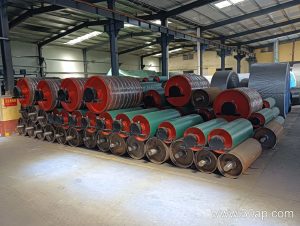
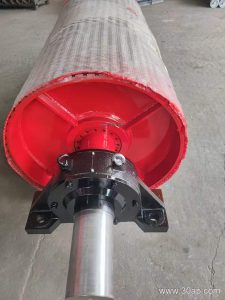
The drum is normally built from a rolled steel shell with welded end discs and a through shaft. Common shell diameters include Ø200, Ø250, Ø315, Ø400, Ø500, Ø630, Ø800, Ø1000 and larger sizes depending on belt tension and space. Shaft diameters such as Ø50, Ø60, Ø80, Ø100, Ø120 and Ø160 are selected by torque and bearing load, not by belt width alone. Bearings are usually mounted in plummer blocks or a conveyor bracket at each end.
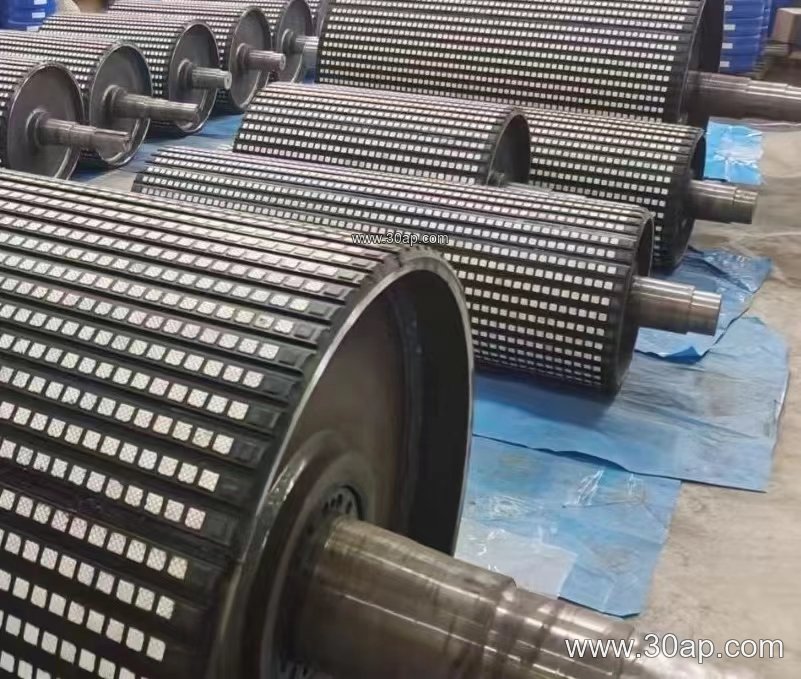
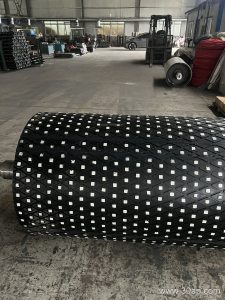
Surface treatment matters for grip and belt life. A plain face suits light contact, while rubber lagging improves traction on the return side. Buyers can request cold-bonded rubber, hot-vulcanized rubber, diamond lagging or ceramic lagging, with lagging thickness often 8, 10, 12, 15 or 20 mm. The face width is usually a little wider than the belt, for example B800 with roughly 950 mm face, B1000 with about 1150 mm, or B1200 with about 1400 mm. A B1200 x Ø1000 turning pulley is a common style of size description in project drawings, but it is a design reference rather than a fixed rule.
Where It Fits in a Conveyor Line
In a quarry or sand and aggregate plant, a turning pulley may redirect the belt around a transfer tower so material can reach a screening deck. In a coal handling system at a power plant, it helps route the belt through a compact gallery. Cement plants and lime kilns use them on clinker and raw meal lines where space is tight. The pulley works together with the conveyor belt, idler rollers and support frame, so alignment and pulley squareness affect tracking across the whole line.
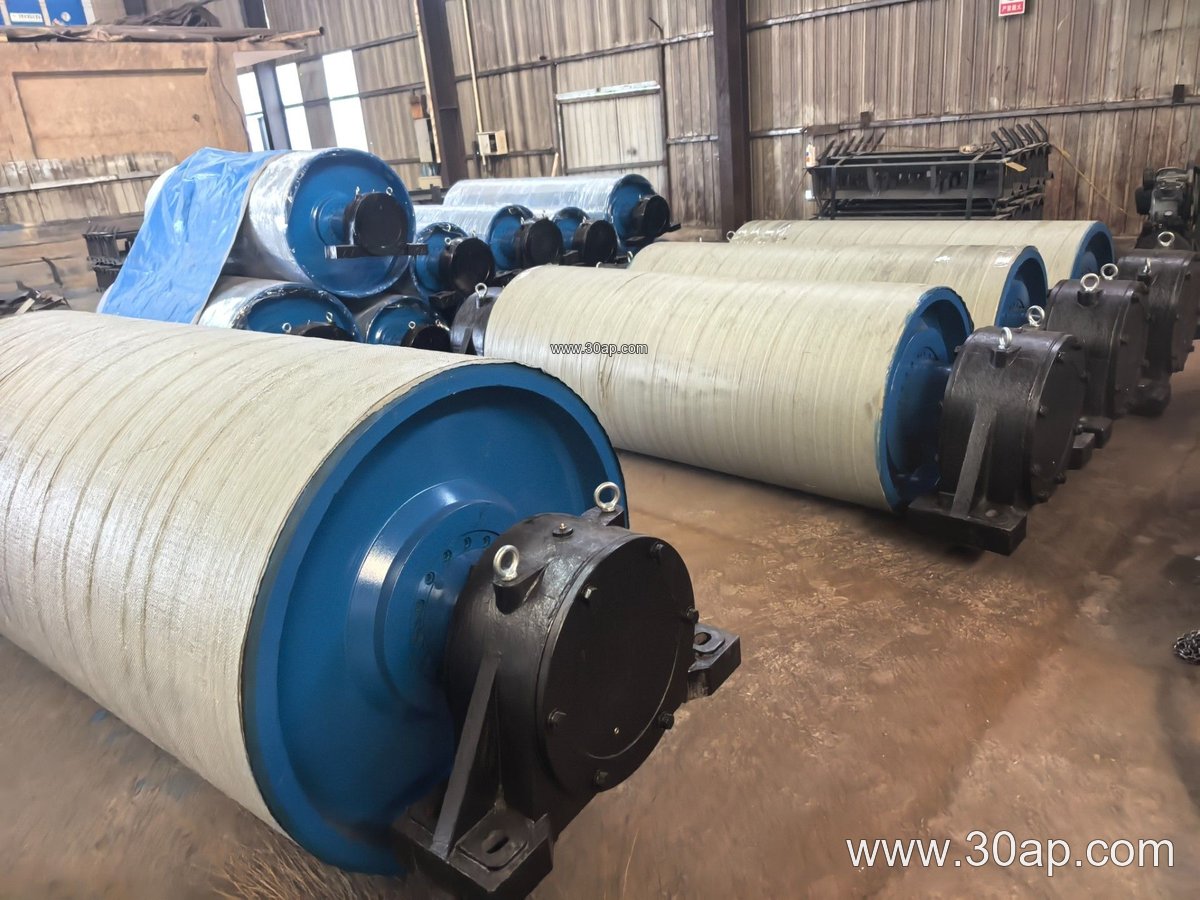
At a copper or iron ore mine, a heavier drum with wear-resistant lagging may be chosen to handle abrasive dust and occasional spillage. In a fertilizer or grain silo, a smooth-faced turning pulley helps protect the belt and reduces build-up. Where the belt carries hot material, a heat resistant conveyor belt and a suitable pulley surface should be reviewed together, since trapped heat can shorten lagging life.
Selection Notes for Buyers
Start with belt width, belt tension and the wrap angle at the bend. Then confirm the shaft diameter and bearing size with the conveyor designer, because a wide belt does not automatically dictate a specific shaft size. Check the face width, lagging type and lagging thickness against the belt cover and the material being carried. For abrasive conditions, an abrasion resistant conveyor belt paired with ceramic or thick rubber lagging is often considered; for oily or sticky cargo, an oil resistant conveyor belt and a clean pulley face may help.
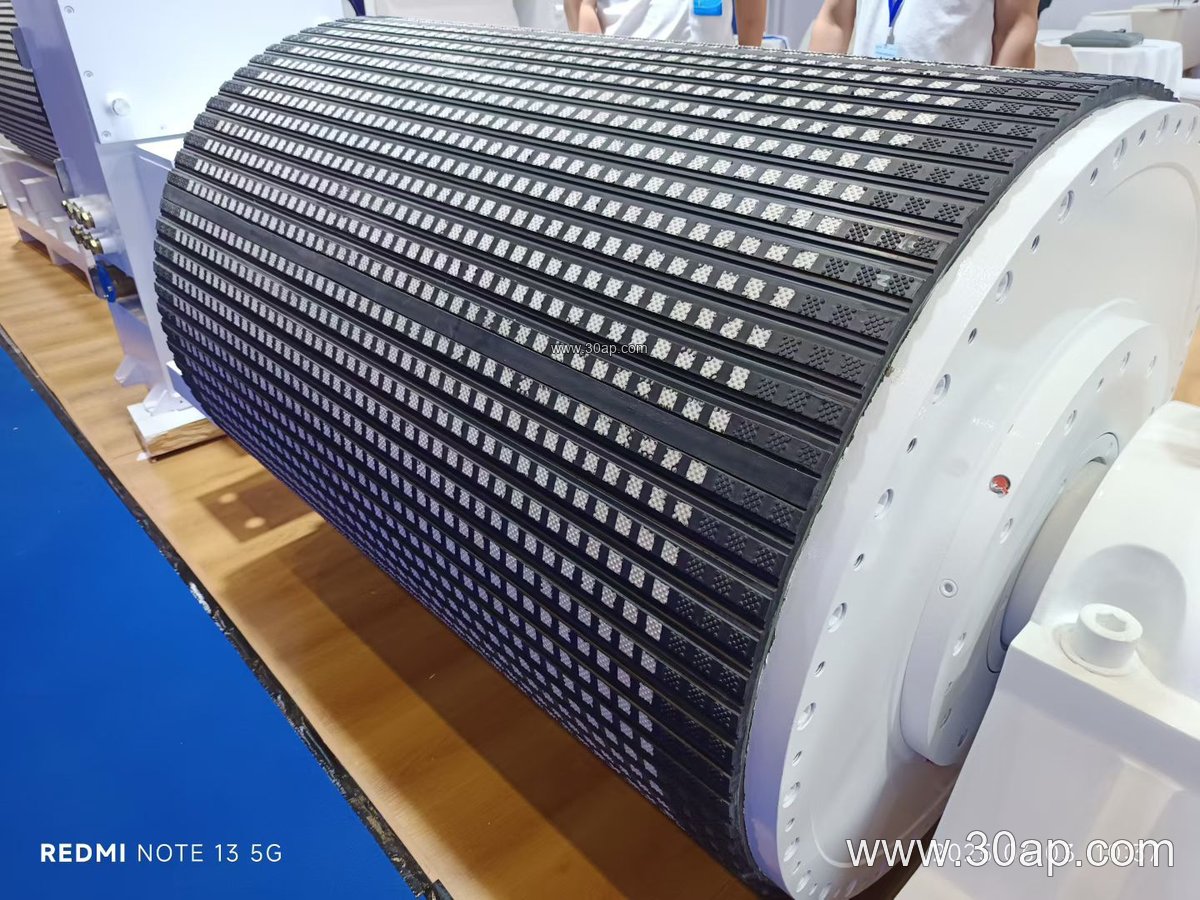
Ask suppliers for the shell thickness, welding detail, balancing grade and bearing brand, and confirm whether the pulley is supplied with a conveyor bracket or plummer block. If the belt is a steel cord conveyor belt or a high strength conveyor belt running at high tension, the turning pulley should be reviewed as part of the whole tension and tracking system. Spare parts such as lagging sheets and bearing housings should match the original drawing.
Installation and Maintenance
Mount the turning pulley square to the belt centerline and check that it is level across the frame. Keep the belt cleaner and idler roller surfaces in good condition, because material carryback can build up on the drum face and cause belt misalignment. Inspect lagging for cuts, glazing or loose edges, and check bearing temperature and lubrication at regular intervals. On a coal mining conveyor belt or an underground mining conveyor belt, flame retardant conveyor belt and fire resistant conveyor belt specifications should be matched with the pulley surface and the surrounding enclosure.
Record the pulley size, lagging type and shaft diameter in the maintenance file so replacement parts can be ordered without guesswork. A well-matched turning pulley keeps the belt path stable and reduces unnecessary wear on both the belt and the frame.