What a 650mm Conveyor Belt Is
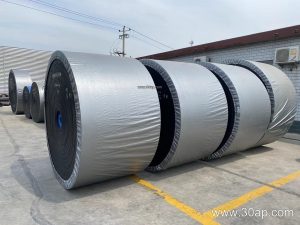
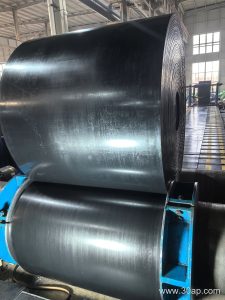
A 650mm conveyor belt is a belt with an approximate 650 mm width, often written as B650 in specifications and tenders. It sits in the middle of the common size range, wider than a 500mm or 600mm belt and narrower than an 800mm unit, which makes it a practical choice for medium-capacity lines handling bulk material. In a typical conveyor frame, the belt runs over idler rollers on the carrying side, wraps around a drive pulley at the head and a tail pulley at the end, and is held by conveyor brackets that keep the structure aligned. This belt width is a dimensional reference, not a rule about which pulley, shaft, or roller must be used.
The 650mm belt width appears across many belt constructions, including Rubber Conveyor Belt, EP Conveyor Belt, NN Conveyor Belt, and Steel Cord Conveyor Belt options. The width alone does not define the belt; carcass type, cover grade, and ply count do most of the work in matching the belt to the duty.
Construction and Common Specifications
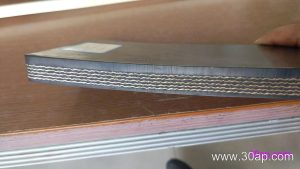
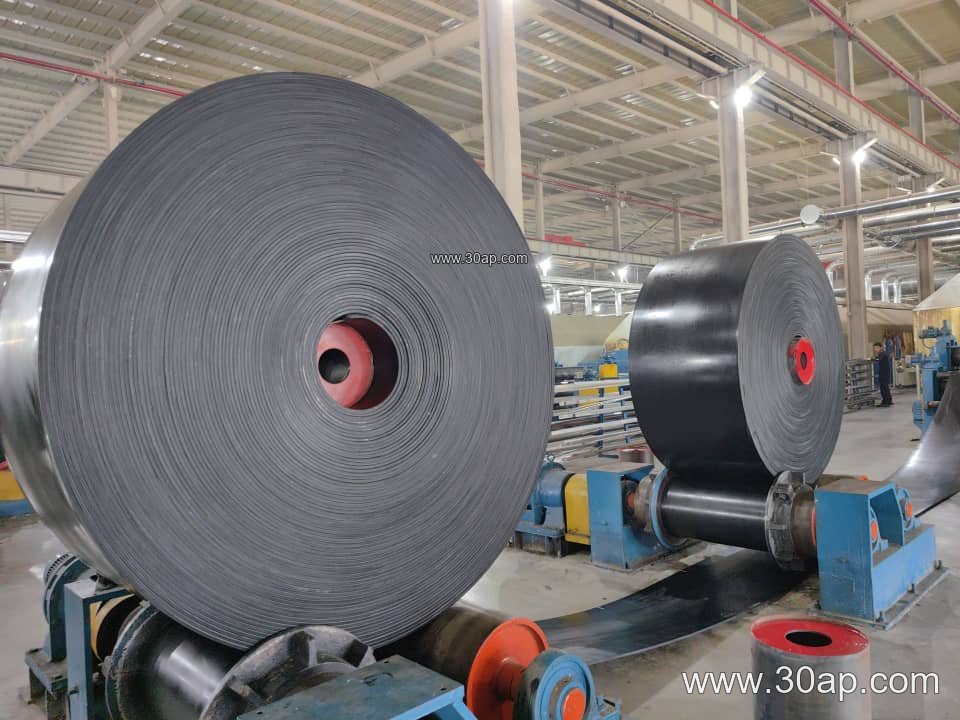
A fabric-core belt usually combines a multi-ply carcass with top and bottom rubber covers. EP fabric and NN fabric are the most common carcass choices for this width, while steel cord constructions are more typical in high-tension, long-run duty. Cover thickness is usually given as top plus bottom, for example 4+2 mm or 5+2 mm, and the carcass may be 2 to 6 plies depending on load and pulley arrangement.
| Parameter | Common reference values | Notes |
|---|---|---|
| Belt width | B650 (approx. 650 mm) | Dimensional reference only |
| Fabric carcass grades | EP200, EP315, EP400, EP500, EP630, EP800 | Other grades may be available |
| NN grades | NN100, NN200, NN300, NN400 | Selected by tension demand |
| Cover thickness | 3+1.5, 4+2, 5+2, 6+2, 8+3 mm | Depends on abrasion and impact |
| Ply count | 2 to 6 | By design and load |
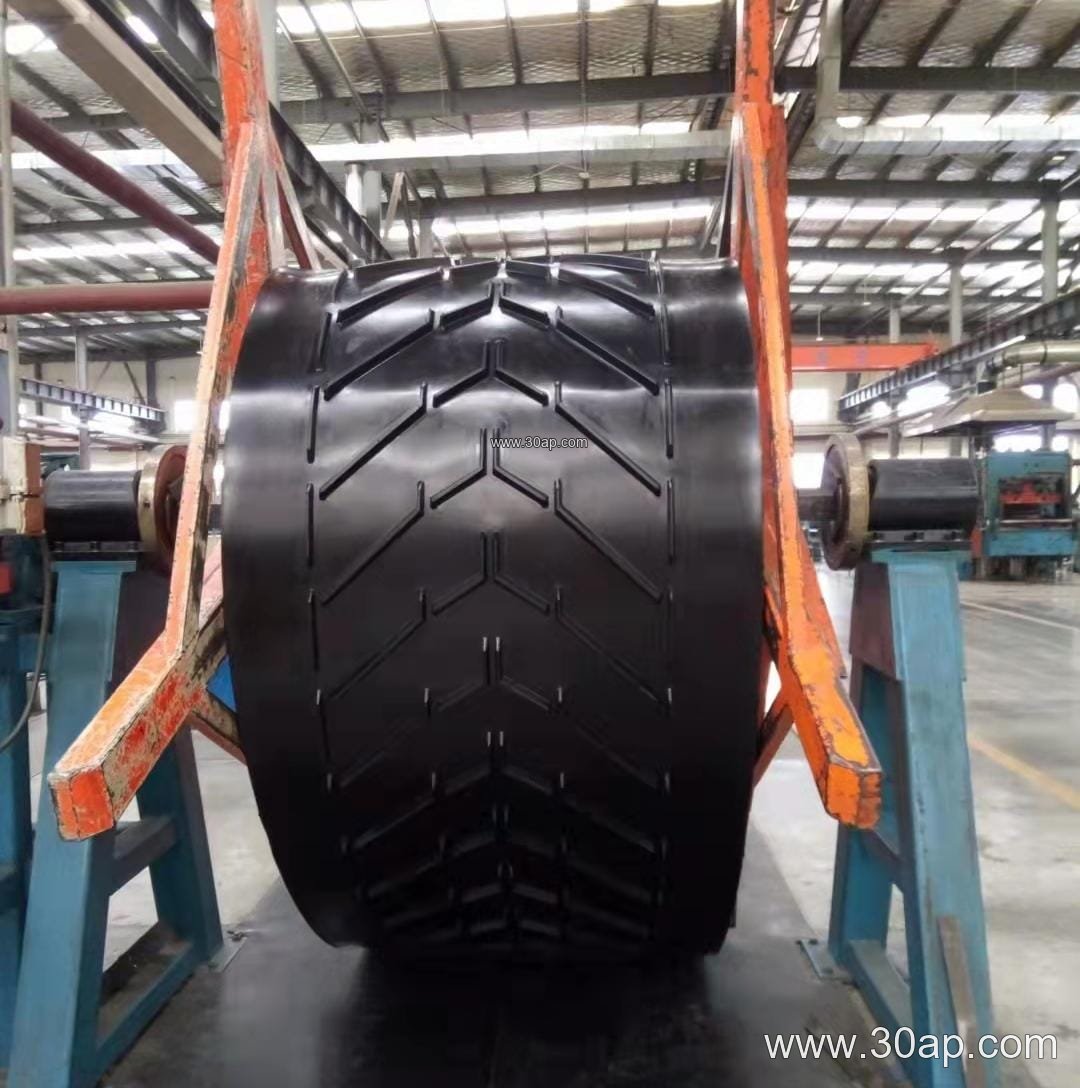
| Surface forms | Smooth, chevron, skirted, corrugated sidewall | Chosen for slope or containment |
For a 650mm Conveyor Belt, the belt edge and splice quality matter as much as the headline grade. A properly stepped splice keeps the belt tracking straight over the idler roller set and reduces edge wear at the tail pulley.
Where This Belt Width Fits
The 650mm width is often used in quarry, aggregate, cement, and sand making plant circuits where a moderate tonnage is moved between crushers, screens, and stockpiles. It also appears in power plant coal handling, recycling lines, and smaller transfer points in mining operations. In these settings, an Abrasion Resistant Conveyor Belt is a frequent pick for sharp stone, while a Heat Resistant Conveyor Belt may be needed near clinker or hot ash, and a Flame Retardant Conveyor Belt is often considered for underground coal mining conveyors.
Where the route climbs steeply, a Chevron Conveyor Belt or a Corrugated Sidewall Conveyor Belt can hold material on the incline better than a smooth belt. For dusty or static-sensitive areas, an Anti-Static Conveyor Belt may be specified. The same 650 mm width can carry any of these constructions, so the application decides the cover and carcass rather than the width.
Selection Points for Buyers
- Confirm the actual duty: material type, lump size, tonnage per hour, and incline angle.
- Match carcass grade to the required tension and the drive pulley and tail pulley arrangement; do not assume the width fixes the pulley diameter.
- Choose cover thickness and grade for abrasion, heat, oil, or flame exposure as the site requires.
- Check that idler roller spacing, trough angle, and conveyor bracket layout suit the belt width and load.
- Ask for the splice method and edge treatment, since these affect tracking and service life.
A 650mm belt is a working size, not a universal answer. Buyers comparing it with a 600mm Conveyor Belt or an 800mm Conveyor Belt should weigh capacity, frame width, and existing pulley sizes together. For more on belt, idler roller, and conveyor pulley matching, see the technical pages at conveyorbeltingpro.com, where belt selection guidance is organized by application.
Maintenance Notes
Keep the belt centered on the tail pulley and check the idler roller alignment after any splice. Worn edges on a 650mm Conveyor Belt often point to mistracking rather than a belt defect. Inspect covers for cuts and exposed carcass, especially in crusher conveyor and ore conveyor service, and replace damaged sections before moisture reaches the fabric. Store spare belts flat and away from direct sunlight to protect the rubber.