What Idler Processing Covers
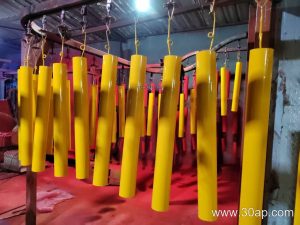
Idler processing is the manufacturing and assembly work that turns raw tube, shaft, bearing, and seal components into a finished conveyor idler roller ready to carry a moving belt. In a quarry, a coal washing plant, or a cement clinker line, the idler is a small part of the total investment but a large part of daily friction, noise, and maintenance attention. Good processing keeps the roller round, balanced, sealed, and free turning so the belt runs straight and the drive does not waste power.
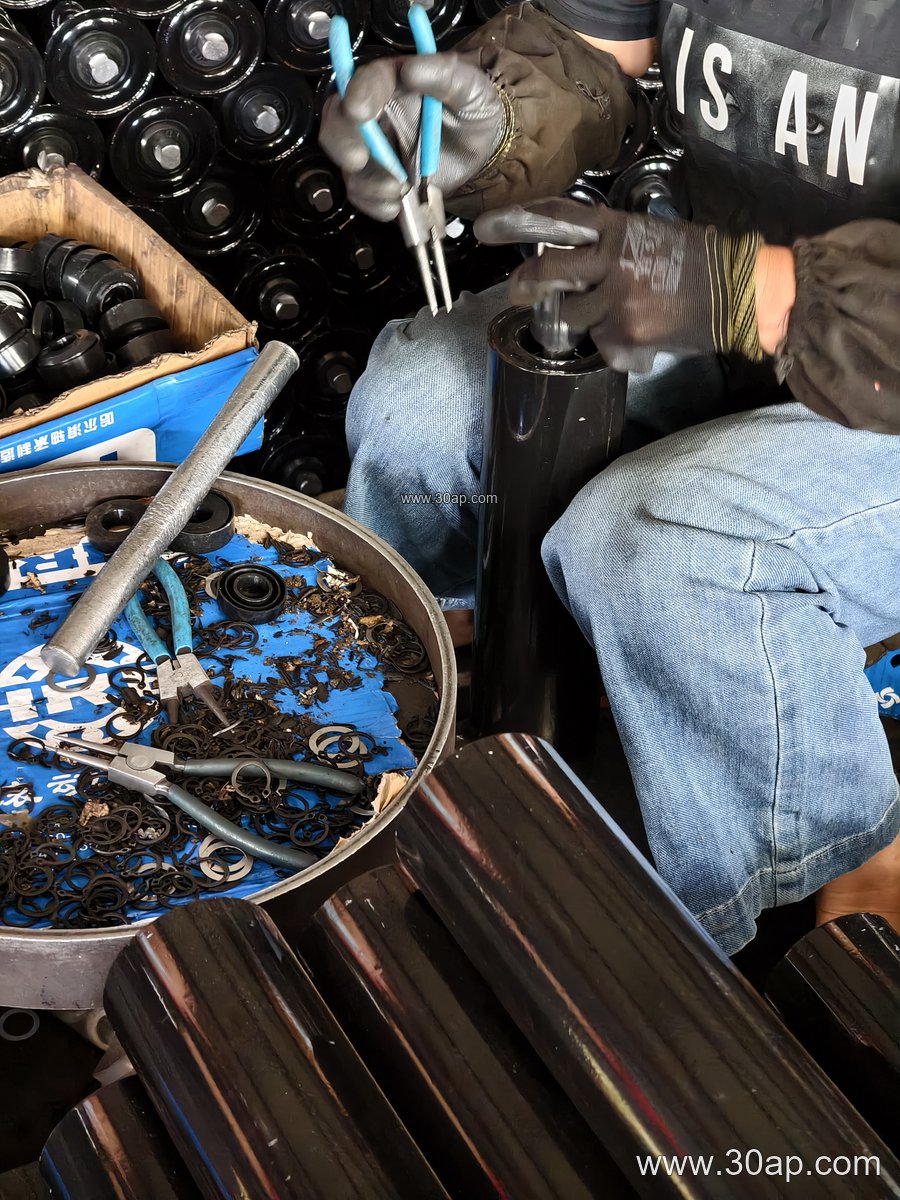
The work usually begins with cutting and machining the steel tube to the required roller length, then preparing the shaft ends. Bearing housings are pressed or welded in place, bearings are fitted, and seals are installed before grease is added and the end caps are closed. After assembly, each roller should be checked for runout, rotational resistance, and axial play. These steps matter in every industry, from a sand and gravel line to a power plant coal yard.
Core Components and Processing Steps
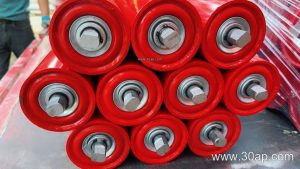
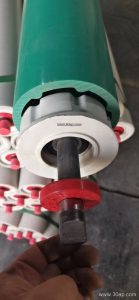
A typical idler roller is built from a steel tube shell, a through shaft, two bearing assemblies, a labyrinth or contact seal, and end caps. Some rollers use nylon, ceramic, or rubber rings on the shell for special duties. Processing quality depends on tube straightness, weld cleanliness, bearing seat accuracy, and seal fit. A roller that is out of round will vibrate and wear the belt edge.
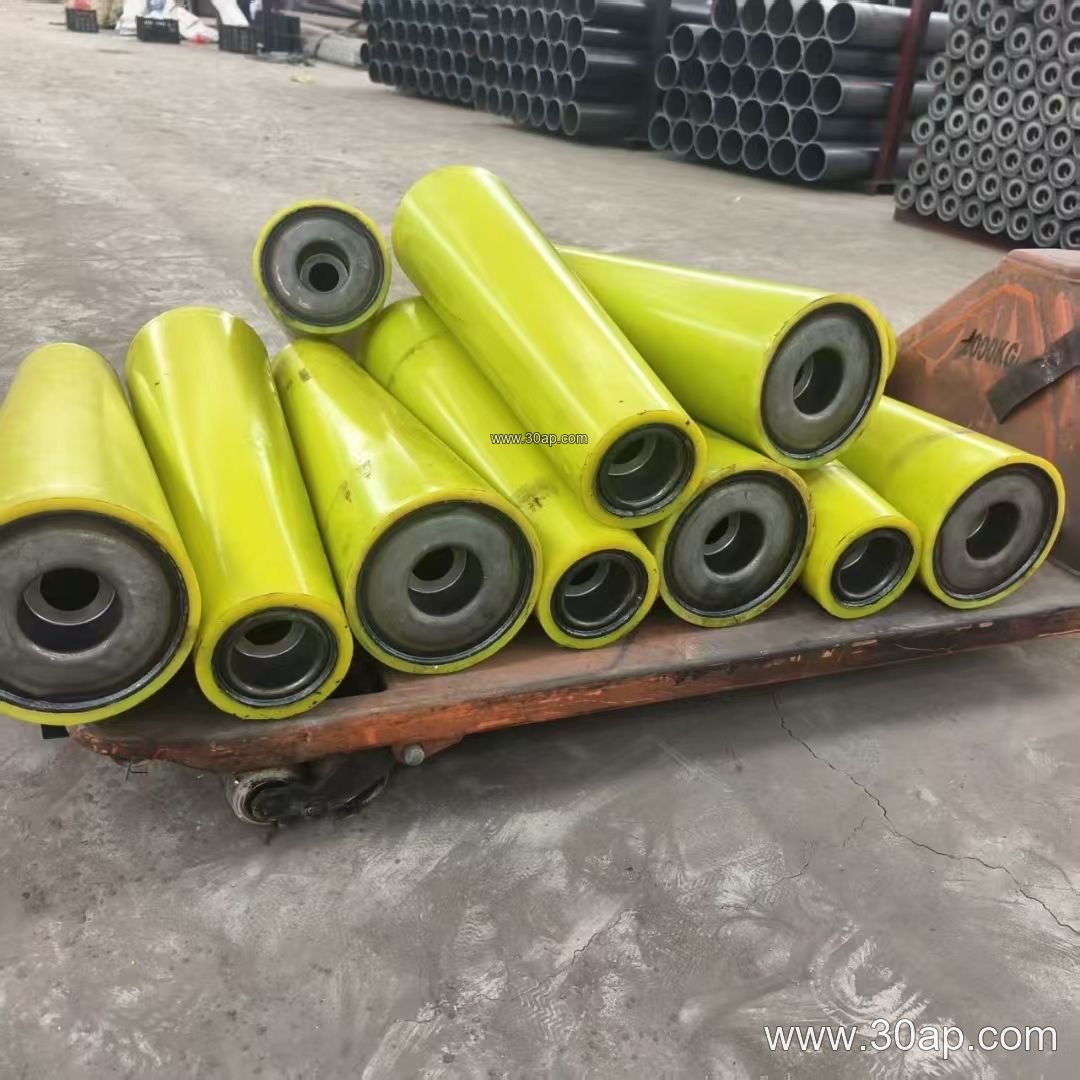
- Tube cutting and end facing to control overall length.
- Bearing seat machining or pressing to keep the shaft concentric.
- Seal and cap assembly to keep dust and water out.
- Grease filling and rotation testing before packing.
Common roller diameters include Ø63, Ø76, Ø89, Ø102, Ø108, Ø127, Ø133, Ø159, Ø178, Ø194, and Ø219 mm. Bearing sizes such as 6204, 6205, 6305, 6306, 6308, and 6310 appear across these diameters, but the match is decided by load, speed, and seal design rather than by diameter alone.
Where Idler Processing Matters Most
In a limestone quarry or an iron ore beneficiation plant, impact and abrasive dust punish every moving part. A crusher discharge conveyor may use impact rollers under the loading point, while the long haul section uses three-roll troughing sets. In a coal washing plant, sealed rollers reduce slurry ingress. In a cement plant, heat and fine powder call for careful grease selection. The same processing discipline applies whether the belt is a heavy-duty mining conveyor belt or a lighter aggregate conveyor belt.
Idler processing also affects belt tracking. A misaligned roller in a troughing set can push a fabric core conveyor belt or a steel cord conveyor belt sideways. That is why training idlers and forward-tilted rolls are often specified together with standard carrying idlers, especially on long overland lines and in port ship loading systems.
Sizes and Configurations Buyers Should Confirm
Roller length changes with belt width, trough angle, and roll arrangement. The table below shows common examples for three-roll troughing sets; side rolls and center rolls may differ, and final values are determined by design.
| Belt Width | Common Roll Length Example | Typical Trough Angle |
|---|---|---|
| B500 | 200 mm | 20 to 35 degrees |
| B650 | 250 mm | 20 to 35 degrees |
| B800 | 315 mm | 30 to 35 degrees |
| B1000 | 380 mm | 30 to 35 degrees |
| B1200 | 465 mm | 30 to 45 degrees |
| B1400 | 530 mm | 30 to 45 degrees |
| B1600 | 600 mm | 35 to 45 degrees |
| B1800 | 670 mm | 35 to 45 degrees |
| B2000 | 750 mm | 35 to 45 degrees |
Other choices include single-roll, two-roll, and three-roll troughing sets; return rollers such as flat and V-type; and impact rollers with rubber rings. A 20 degree trough suits some fine materials, while a 45 degree trough helps contain a wider load. Forward tilt of about 1.5 to 2 degrees is used for training, not as a universal setting.
Buyer Checklist for Idler Processing
Before ordering, confirm the belt width, the roller diameter, the shaft end type, the bracket spacing, and the environment. A dusty coal mining conveyor belt line needs strong sealing; a heat resistant conveyor belt section may need heat-tolerant grease and careful clearance. Ask how the roller is balanced and tested, and whether the seal is labyrinth, contact, or combined. For a food grade conveyor belt or a chemical plant, check material compatibility of the shell coating.
Also compare the idler with its neighbors in the system: a conveyor pulley at the drive or tail has a different job from a carrying roller, and a bend pulley is not a substitute for a troughing idler. Matching roller processing to the belt type, whether an EP conveyor belt, an NN conveyor belt, or a flame retardant conveyor belt, helps avoid premature wear and belt mistracking.