What a 1500mm Wide Conveyor Belt Is
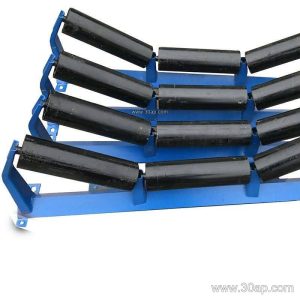
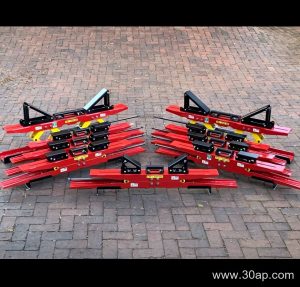
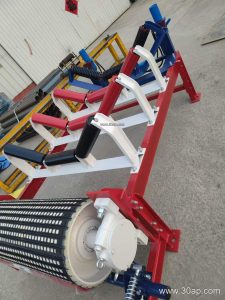
A 1500mm wide conveyor belt is a heavy-duty bulk material handling belt built to a nominal width of 1.5 meters. It sits in the wide-belt class, above common 1200mm and 1400mm sizes and below 1800mm and 2000mm widths. Plants choose this width when a single stream must carry high tonnage without excessive belt speed, or when lump size and burden depth call for a broader carrying surface. The belt is not a standalone item; it works with conveyor pulleys, idler rollers, and conveyor brackets sized for the same frame, and the whole system should be designed together.
In Chinese and international project documents, the same product may appear as a 1500mm wide conveyor belt or B1500 conveyor belt. Both names describe the same 1.5-meter belt width.
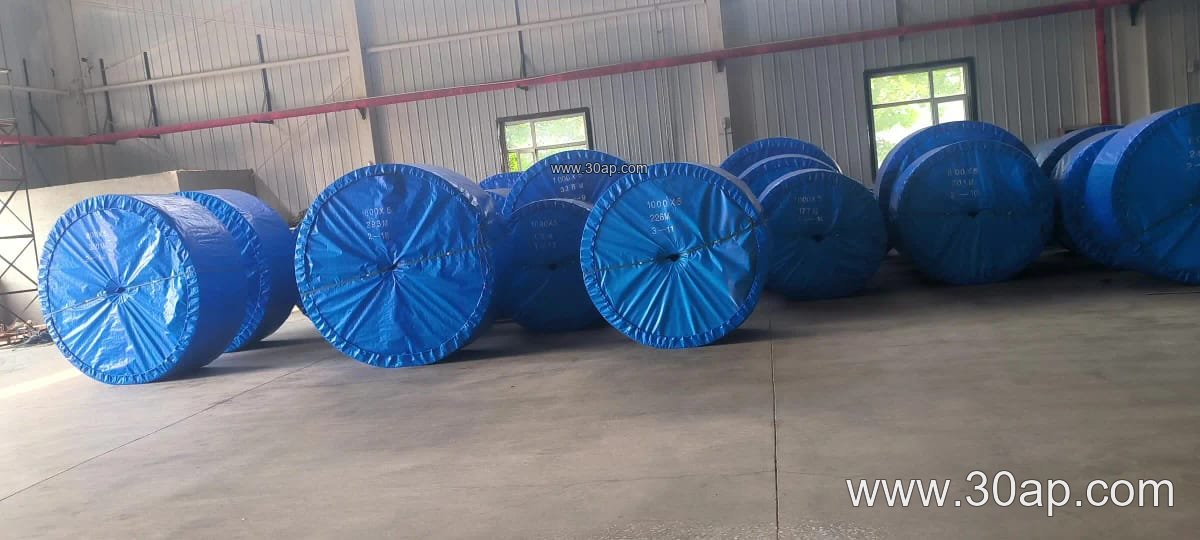
Construction and Common Specifications
The carcass and cover compound determine how a 1500mm wide conveyor belt performs. Fabric-core designs such as EP conveyor belt and NN conveyor belt are common in aggregate, cement, and general bulk handling, while steel cord conveyor belt constructions suit long runs and high tension. Cover grade should match the cargo and environment: abrasion resistant conveyor belt for crushed rock, heat resistant conveyor belt for clinker or sinter, oil resistant conveyor belt for oily scrap or grains, flame retardant conveyor belt for coal mining conveyor belt systems, and cold resistant conveyor belt for outdoor winter operation.
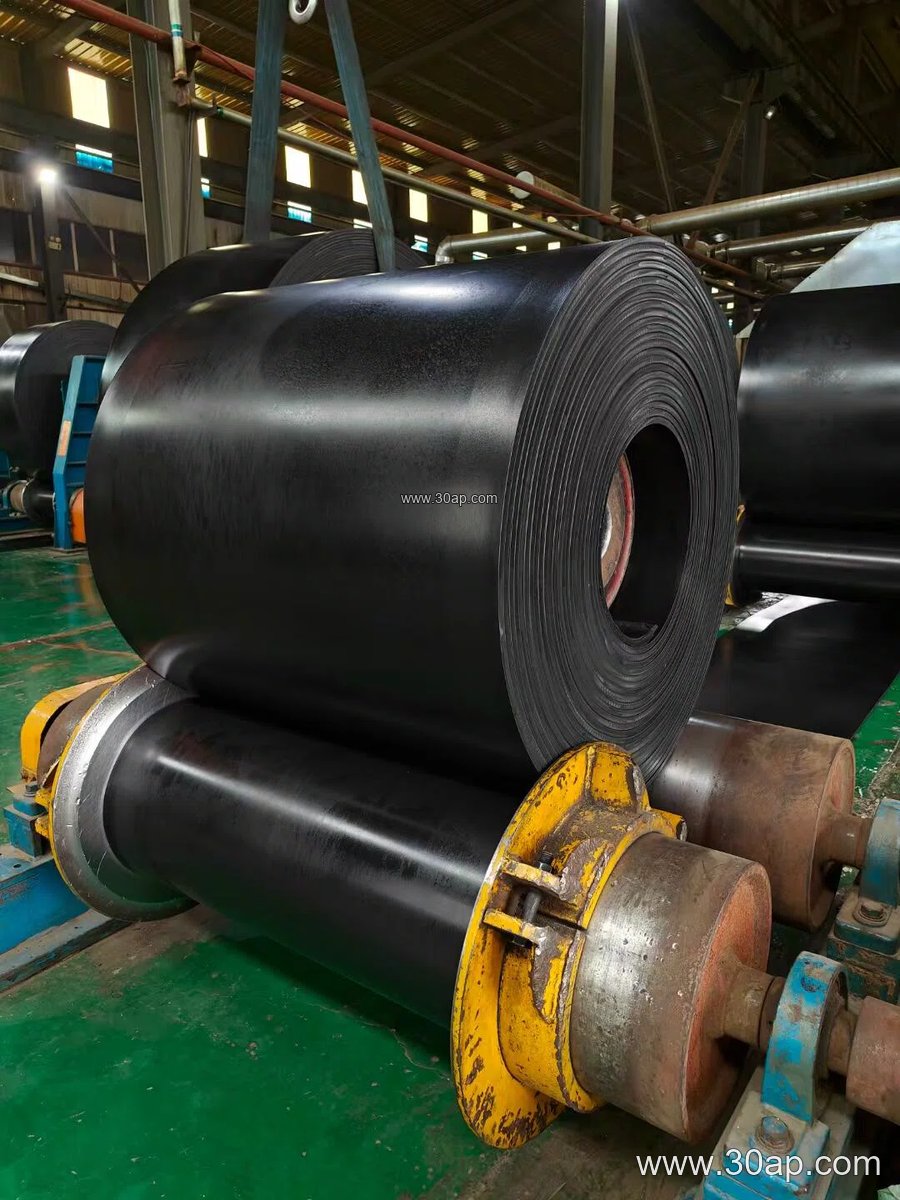
Typical reference values for a belt of this width are listed below. These are common ranges, not fixed rules, and final values are confirmed by design.
| Parameter | Common reference values |
|---|---|
| Belt width | 1500mm (B1500) |
| Carcass type | EP fabric core, NN fabric core, steel cord |
| Strength grades (EP) | EP200, EP315, EP400, EP500, EP630, EP800, EP1000, EP1250 |
| Strength grades (steel cord) | ST1000, ST1250, ST1600, ST2000 |
| Fabric plies | 2 to 6 plies, depending on grade |
| Cover thickness | 4+2mm, 5+2mm, 6+2mm, 8+3mm |
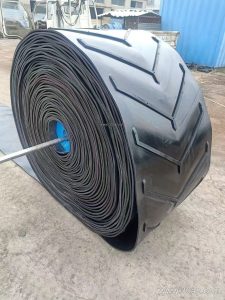
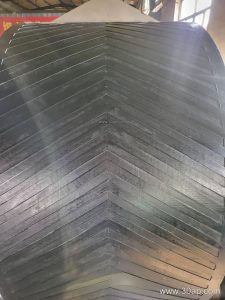
| Special forms | Chevron conveyor belt, corrugated sidewall, skirted edge |
Surface options matter on inclines. A chevron conveyor belt or a corrugated sidewall conveyor belt can retain material on slopes where a smooth belt would allow rollback. For enclosed routes, a pipe conveyor belt is a different product form and should not be treated as a substitute for an open 1500mm belt.
Where the Width Fits in Real Plants
Mining conveyor belt duty is the classic use: primary crushed ore, waste rock, and overburden on high-capacity trunk lines. A 1500mm wide conveyor belt also appears in cement plant raw meal and clinker transport, power plant coal yards, port ship loading conveyors, and large quarry conveyor belt or crusher conveyor belt discharge lines. In sand making plant and stone crushing circuits, the wider belt reduces material depth and spillage at transfer points when the chute is built to match.
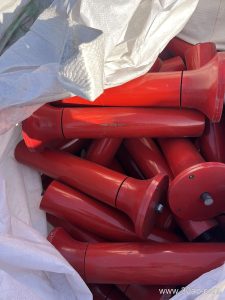
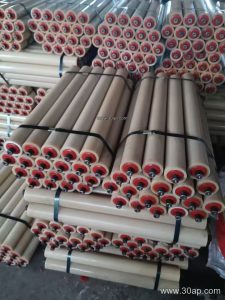
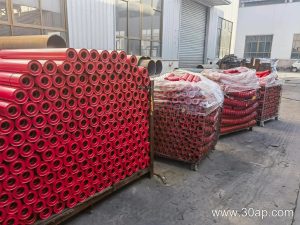
Underground mining conveyor belt and underground coal mining conveyor belt layouts may use flame retardant and anti-static grades; PVC and PVG conveyor belt constructions are also seen in coal service, though the required grade must follow the local design and approval basis. Whatever the industry, the belt should be matched with correctly sized conveyor pulley drums, troughing idler roller sets, and robust conveyor bracket assemblies, because an undersized frame will shorten belt life regardless of cover quality.
Buyer Checklist Before Ordering
- Confirm the actual carrying width, edge condition, and whether a skirted or sidewall profile is needed.
- State the material, lump size, temperature, moisture, and oil or chemical exposure so the cover grade is correct.
- Provide the conveyor layout, slope, and expected tension so the carcass grade and ply count can be selected.
- Ask for the belt weight per meter and minimum pulley diameter recommendation from the manufacturer, and check these against your drive pulley, tail pulley, and bend pulley design.
- Decide on splice type; an endless conveyor belt supplied vulcanized can reduce joint maintenance on critical lines.
- For coal or dusty service, confirm flame retardant and anti-static properties in writing as part of the order specification.
Width alone does not dictate pulley or shaft size, so avoid assuming a fixed drum diameter from the 1500mm figure. Final selection should follow the conveyor design, and the belt, pulleys, idlers, and brackets should be reviewed as one system for reliable service in mines, cement works, power stations, and aggregate yards.