What the Fixed Conveyor Bracket Does
A fixed conveyor bracket is the stationary support that holds idler rollers at a set position along a conveyor frame. Unlike an adjustable bracket, it does not change its trough angle or mounting height after installation, so the belt path stays consistent from shift to shift. In a quarry, a cement plant or a power plant coal yard, this consistency is what keeps a loaded conveyor belt tracking evenly and reduces spillage at transfer points. The bracket is a small part of the whole conveyor, but it sets the geometry that the belt and rollers work within.
Construction and Common Forms
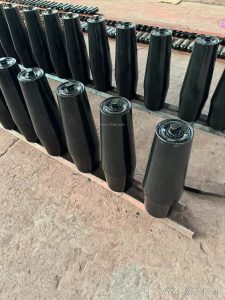
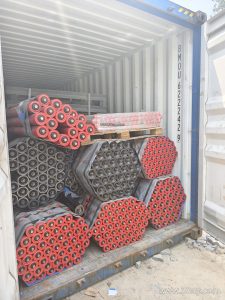
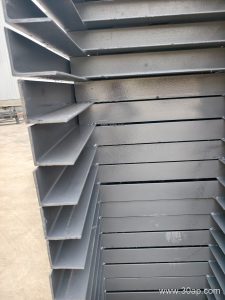
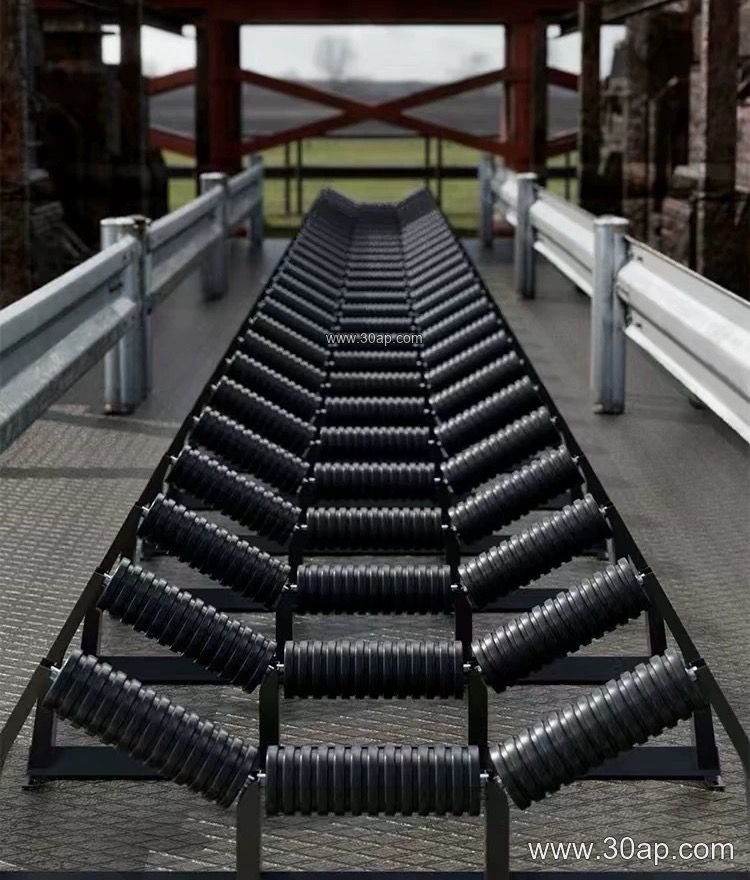
Most fixed brackets are fabricated from angle steel, channel steel or folded steel plate, then drilled or punched for the roller shaft. A typical troughing bracket carries three rollers in a fixed V or U arrangement, with the side rollers set at a chosen trough angle. Return brackets hold a single flat roller under the belt, and V-type return brackets use two rollers to help center the belt on the return run.
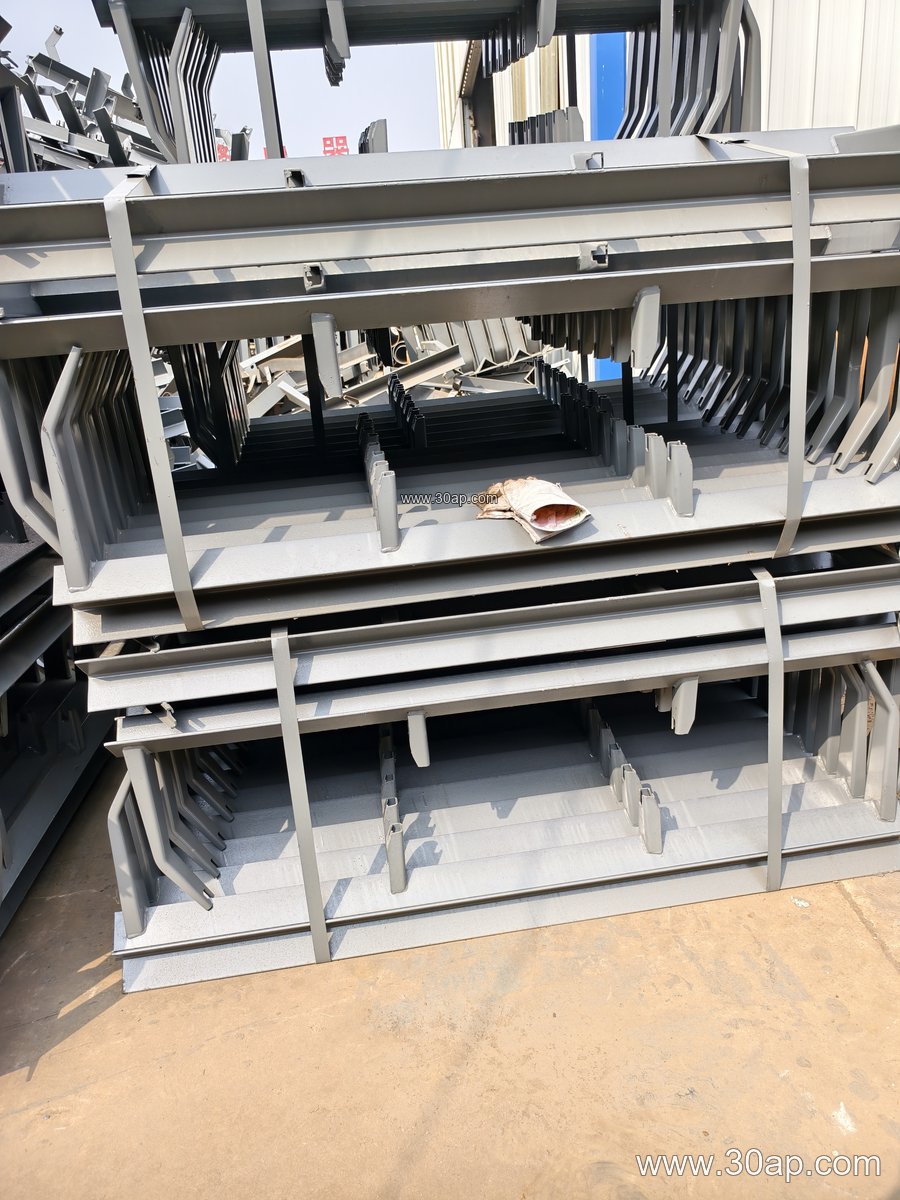
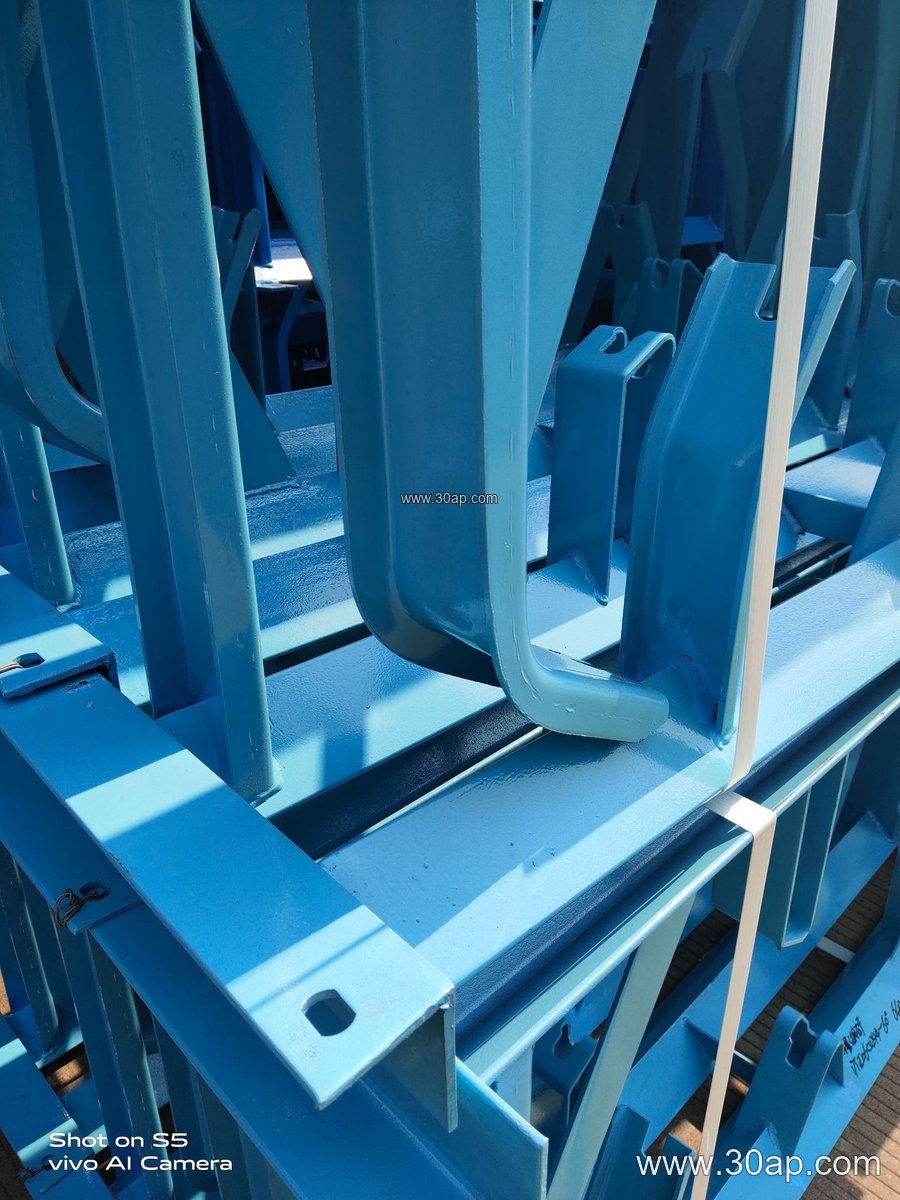
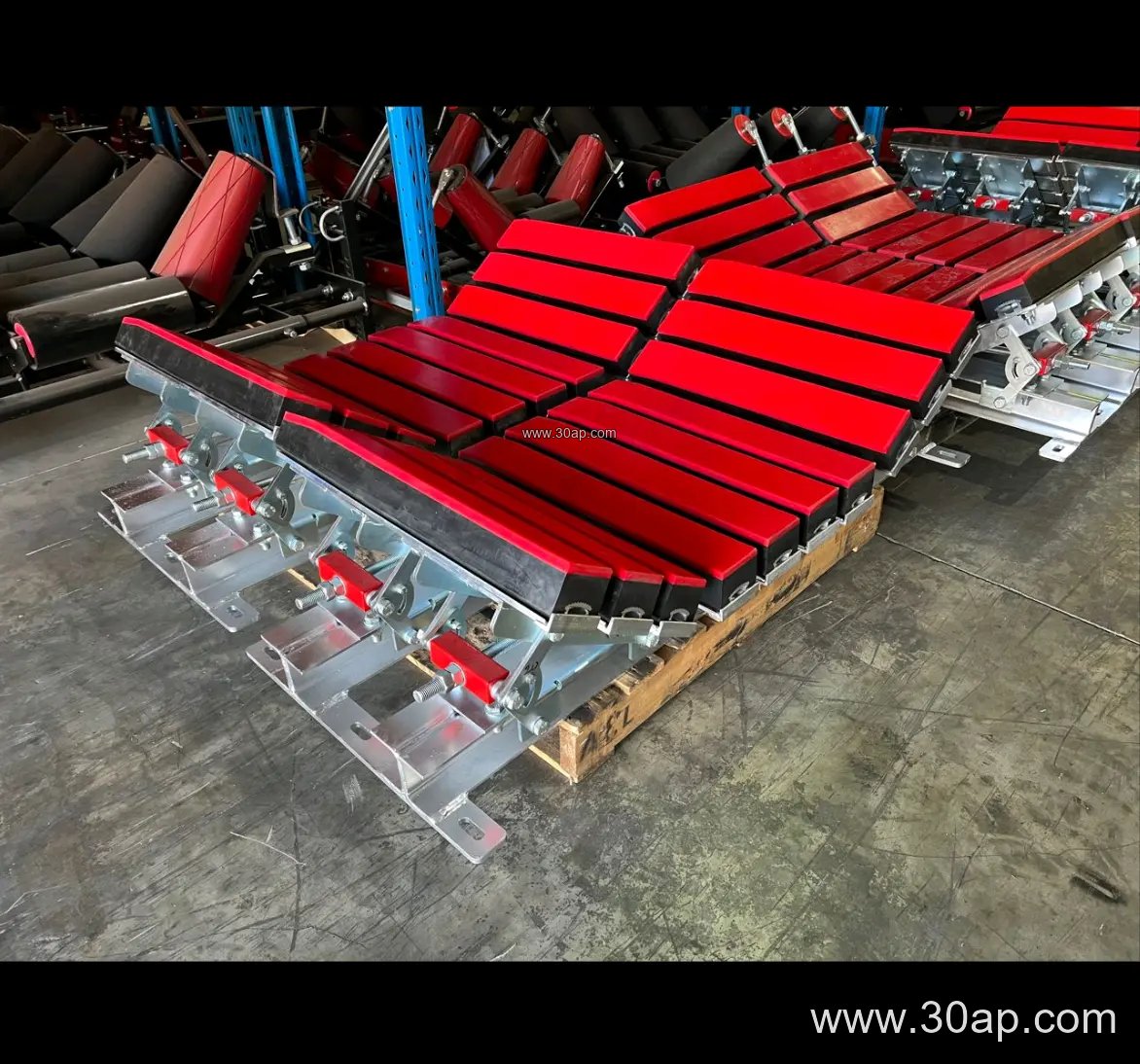
Fixed brackets appear in several forms, including troughing, upper trough, transition, return, flat return, V-return, impact, self-aligning and forward-leaning designs. The forward-leaning type usually sets the side rollers at about 1.5 to 2 degrees ahead of the belt direction to encourage centering. Materials and plate thickness are usually selected by the designer according to load and environment, not by a single rule.
Matching the Bracket to Belt Width and Roller Diameter
Belt width and roller diameter guide the bracket layout, but they do not lock a conveyor into one combination. A B800 frame might run at 35 degrees with Ø108 rollers, while a B1200 line could use 45 degrees and Ø133 rollers. Wider belts such as B1400 or B1800 usually call for heavier brackets and larger roller diameters, yet the final choice depends on load, belt speed and frame design. Installation hole spacing and crossbeam length change with belt width and trough angle, so these are design values rather than fixed numbers.
| Reference item | Common options |
|---|---|
| Belt width | B500, B650, B800, B1000, B1200, B1400, B1600, B1800, B2000, B2200 |
| Trough angle | 20°, 30°, 35°, 45° (adjustable brackets can move between these) |
| Roller diameter | Ø89, Ø108, Ø133, Ø159, Ø194 |
| Fabrication material | Angle steel, channel steel, folded steel plate |
These are reference ranges, not verified universal specifications. Final dimensions should be confirmed against the conveyor drawing.
Where Fixed Brackets Fit in Service
Fixed brackets are common on long straight runs where the belt profile should not drift. In a limestone mine or a sand and gravel line, fixed troughing brackets support the carrying side while return brackets keep the empty belt off the frame. At a crusher discharge, impact brackets with resilient rollers absorb shock before the belt settles onto standard fixed brackets. On a coal mining conveyor, flame retardant and anti-static properties matter for the belt, while the bracket itself must resist dust, moisture and vibration. A copper ore or iron ore line may use heavy-duty brackets to handle dense, abrasive material.
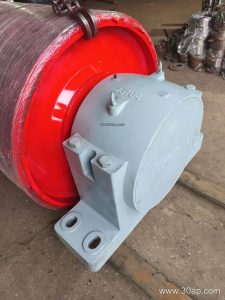
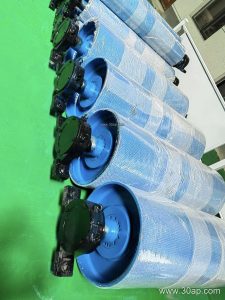
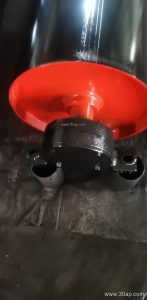
Fixed brackets also work alongside conveyor pulleys at the head and tail. The drive pulley pulls the belt, the tail pulley returns it, and the bend pulley changes direction, but none of these replaces the bracket’s role in supporting the belt between them. A worn or loose bracket can cause the belt to sag, misalign or rub, so inspection of mounting bolts and roller seats is part of routine maintenance.
Buyer Checklist
- Confirm belt width, trough angle and roller diameter from the conveyor drawing, not from a catalog alone.
- State the material being carried, since abrasive ore, cement dust and coal all place different demands on the frame.
- Check whether the location needs a fixed bracket or an adjustable type for future angle changes.
- Ask for hole spacing and crossbeam length as project-specific values.
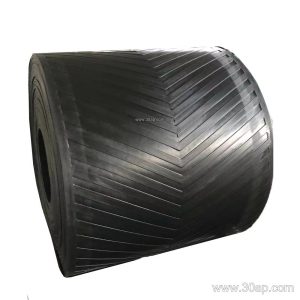
- Match the bracket to the belt type in use, whether that is an EP conveyor belt, a steel cord conveyor belt or a heat resistant conveyor belt.
For more on conveyor components and belt selection, visit https://www.example.com/conveyor-bracket and https://www.example.com/conveyor-pulley. A correctly specified fixed conveyor bracket is a simple part, but it keeps the belt, idler roller and frame working as one system.