What the Ø133 Conveyor Idler Is
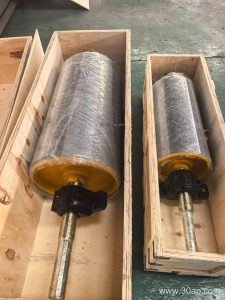
The Ø133 conveyor idler is a carrying or return roller built around a 133 mm outside diameter shell. In many belt conveyor systems this diameter sits in the middle-heavy range, so it is often chosen where a 102 mm or 108 mm roller would be too small for the load and where a 159 mm roller would add unnecessary height and weight. The idler is the rotating part that supports the conveyor belt, keeps it tracking, and reduces friction between the belt and the frame. It is not a conveyor pulley; drive, tail and bend pulleys do different work at the ends or bends of the conveyor, and they are not interchangeable with idlers.
Because the roller diameter affects bearing speed, shell stiffness and the gap under the belt, the 133 mm size is frequently seen on medium to wide belts in bulk handling. The same product can also be called a 133 mm diameter idler roller or a Ø133 carrying idler, depending on whether it is described by size or by duty.
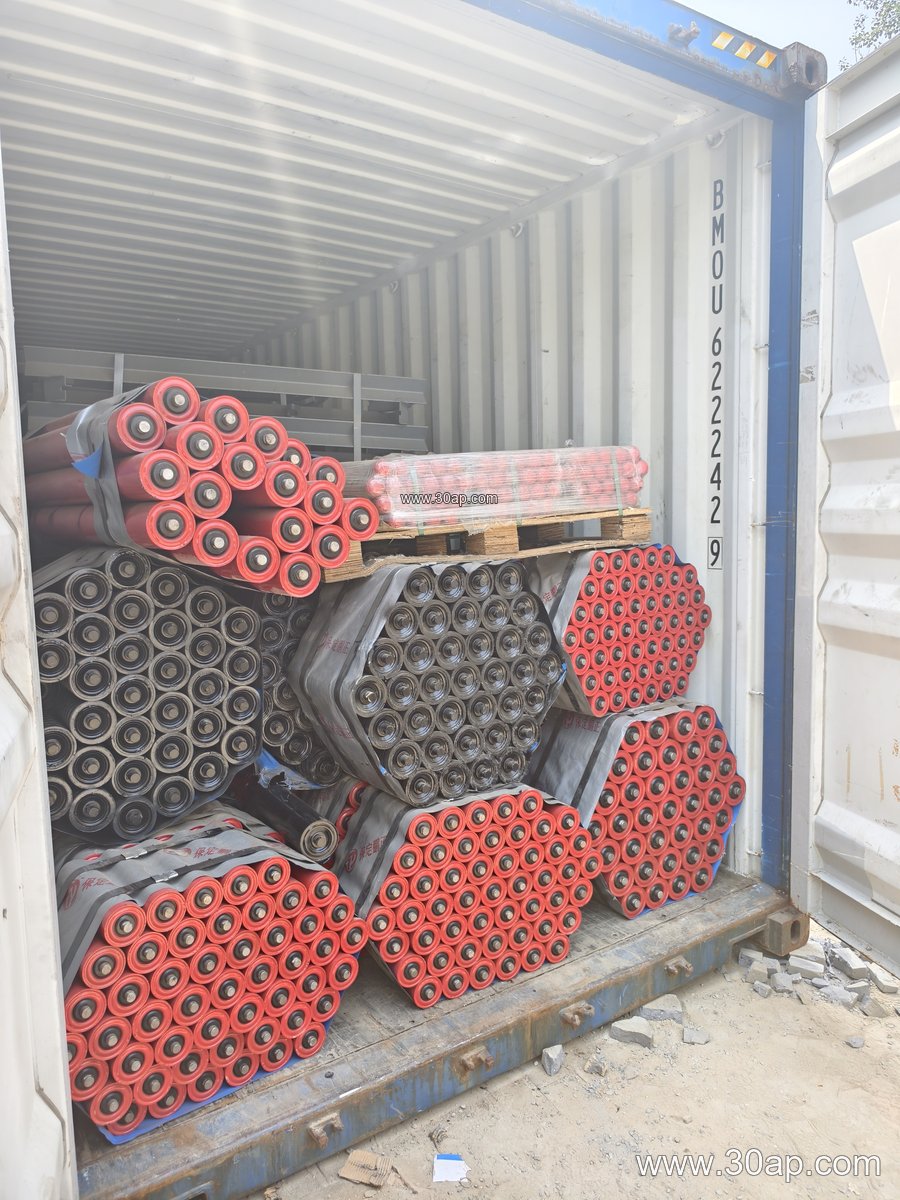
Construction and Common Variants
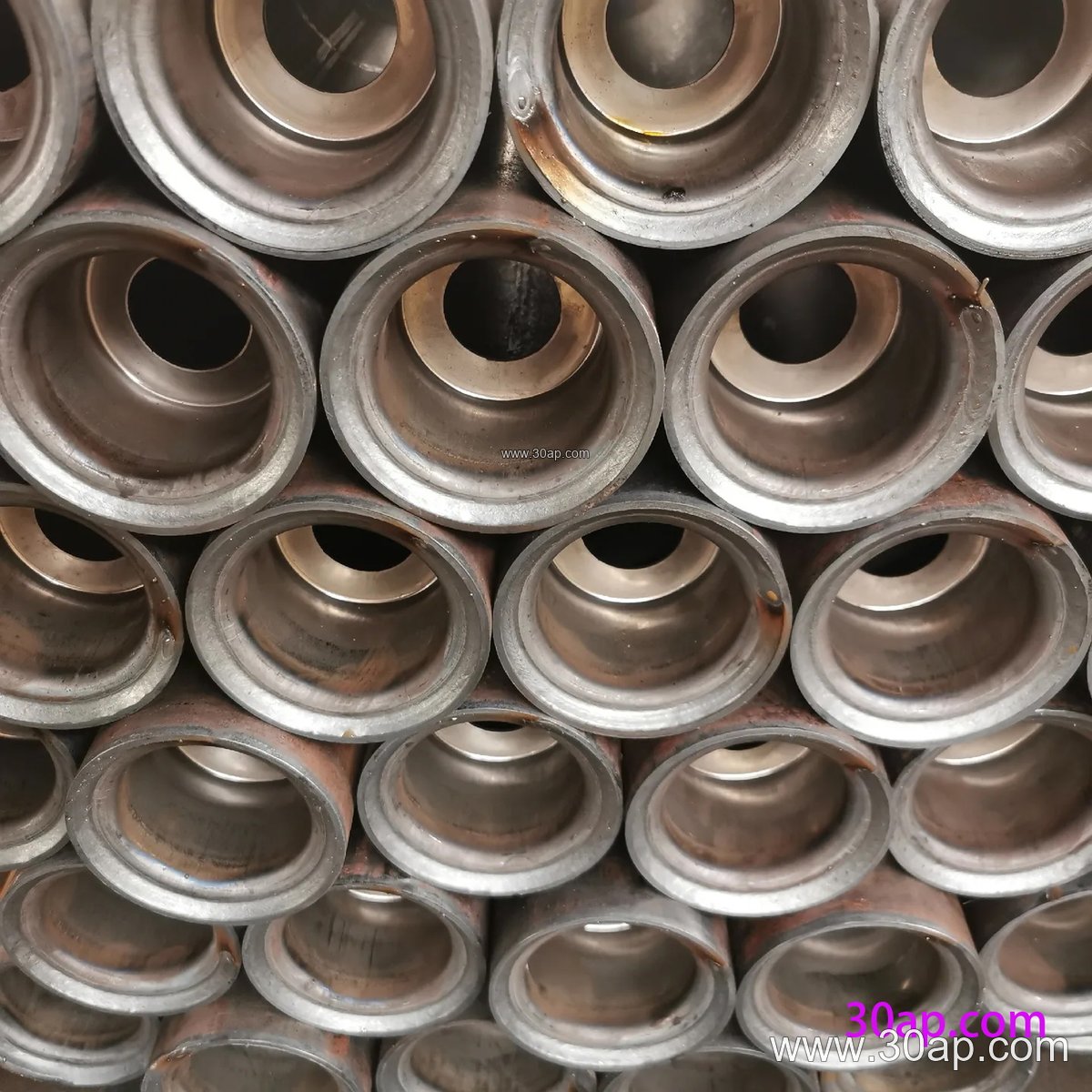
A typical Ø133 idler uses a steel tube shell, welded end discs, a shaft, bearing housings and a sealing arrangement. Roller surface options include plain steel, nylon, ceramic and rubber rings. The rubber ring version is a缓冲托辊 (impact idler) used at transfer points, while a plain steel shell suits ordinary carrying runs.
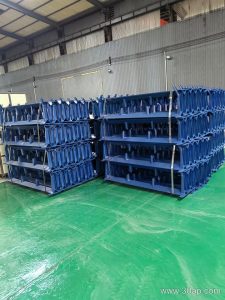
Common idler types in this diameter include troughing idlers, transition idlers, return rollers, V-return rollers, impact idlers and self-aligning idlers. A troughing set may be single-roll, two-roll or three-roll, with trough angles of 20, 30, 35 or 45 degrees. Forward tilt of about 1.5 to 2 degrees is used on some training and aligning designs. Bearings such as 6205, 6305, 6306, 6308 and 6310 appear across the range; no single bearing is tied to one shell diameter, so the bearing size should be confirmed from the idler drawing.
Reference data for planning
The table below shows common reference values, not fixed supply promises. Roller length changes with belt width, trough angle and idler arrangement, and side rollers may differ from the centre roller.
| Item | Common reference |
|---|---|
| Shell diameter | Ø133 mm |
| Belt widths often matched | B800, B1000, B1200, B1400, B1600 |
| Three-roll troughing roller length examples | 315 mm at B800, 380 mm at B1000, 465 mm at B1200, 530 mm at B1400, 600 mm at B1600 |
| Trough angles | 20°, 30°, 35°, 45° |
| Roller surface | Steel, nylon, ceramic, rubber ring |
| Bearing examples | 6205, 6305, 6306, 6308, 6310 |
Where It Fits in the Conveyor
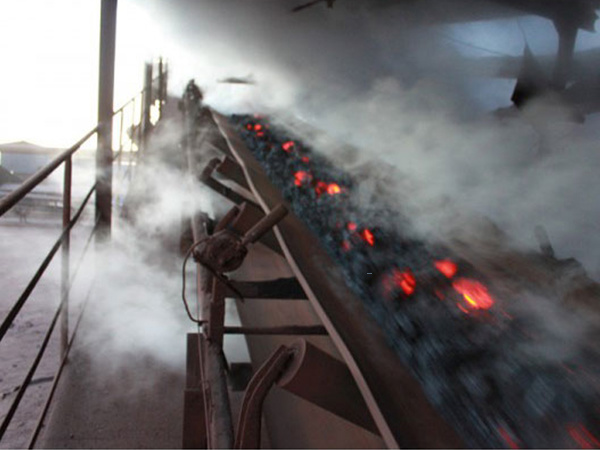
On a stone crushing line, a Ø133 troughing idler often carries the crushed aggregate after the crusher discharge, where the belt is wide and the load is consistent. In a cement plant, the same diameter may appear on clinker or raw material belts, while a coal handling system in a power plant may use it on the main coal conveyor. A quarry conveyor and an iron ore conveyor are also typical users, and the idler should be matched to the belt, the material and the environment rather than chosen by diameter alone.
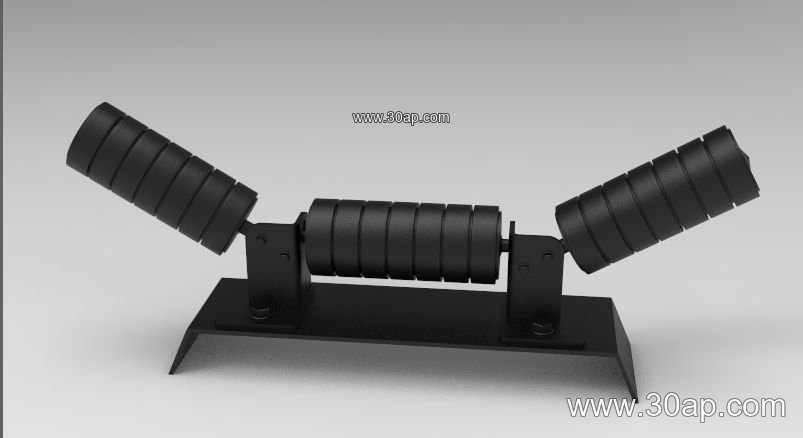
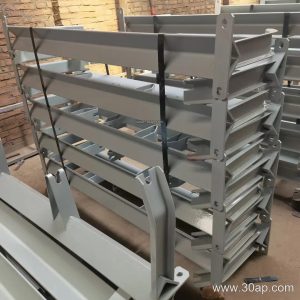
Impact positions are different. At a transfer chute, a rubber-ring impact idler absorbs fall energy, and a Ø133 unit can be used there if the frame height and belt width allow. Return runs may use a flat return idler or a V-return idler in the same diameter. The conveyor bracket and frame must match the idler shaft and fixing centres.
Belt choice interacts with idler choice. A heavy-duty mining conveyor belt, an abrasion resistant conveyor belt or a flame retardant conveyor belt for underground coal mining may call for a robust idler with good sealing. A pipe conveyor belt, a corrugated sidewall conveyor belt or a chevron conveyor belt has its own support and training needs, so the idler layout should follow the conveyor design. Fabric core belts such as EP conveyor belt and NN conveyor belt are common on medium-duty lines, while steel cord conveyor belt is used on long, high-tension routes.
Buyer Checklist
- Confirm the shell diameter, shaft diameter and fixing dimensions from a drawing; do not infer shaft size from belt width alone.
- State the belt width, trough angle and idler arrangement so roller lengths can be checked.
- Choose the surface form by duty: steel for normal carrying, rubber rings for impact, ceramic or nylon where wear or build-up is a concern.
- Check bearing size, seal type and lubrication against the operating environment, especially in dusty quarry or coal handling service.
- Verify that the conveyor bracket and frame accept the idler without modification.
For a reliable order, provide the conveyor layout, belt specification and the position of each idler. A Ø133 conveyor idler can serve many bulk material duties, but the correct shell, bearing, seal and length still depend on the individual conveyor design.