What the Tail Pulley Does
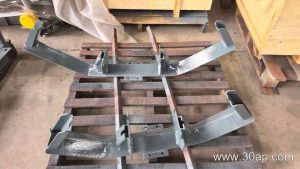
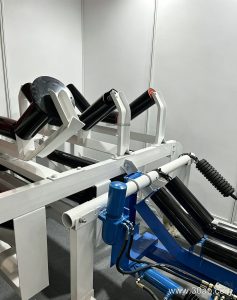
The tail pulley sits at the return end of a conveyor, opposite the drive. Its main job is to keep the conveyor belt tracking correctly and to provide a smooth transition as the belt loops back. Unlike a drive pulley, which transmits power, or a bend pulley, which changes belt direction, the tail pulley mainly guides and supports the belt at the far end. It is often used with a take-up system to maintain tension, especially in long overland or underground mining conveyors. In a quarry or aggregate line, the tail pulley is usually the last component before the belt returns to the loading zone. It works closely with the idler roller and conveyor bracket to keep the belt aligned and reduce spillage.
Construction and Key Components
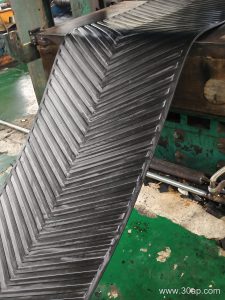
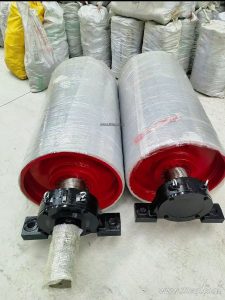
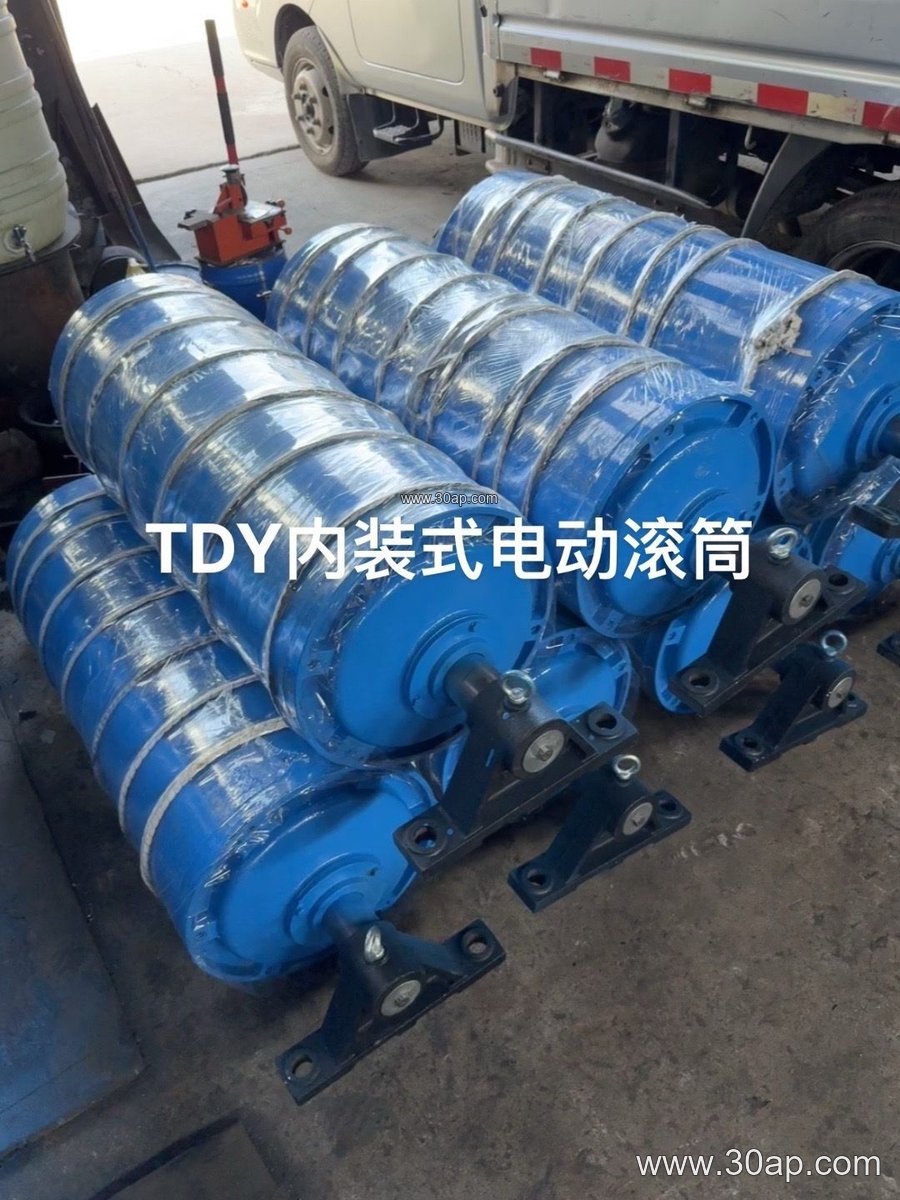
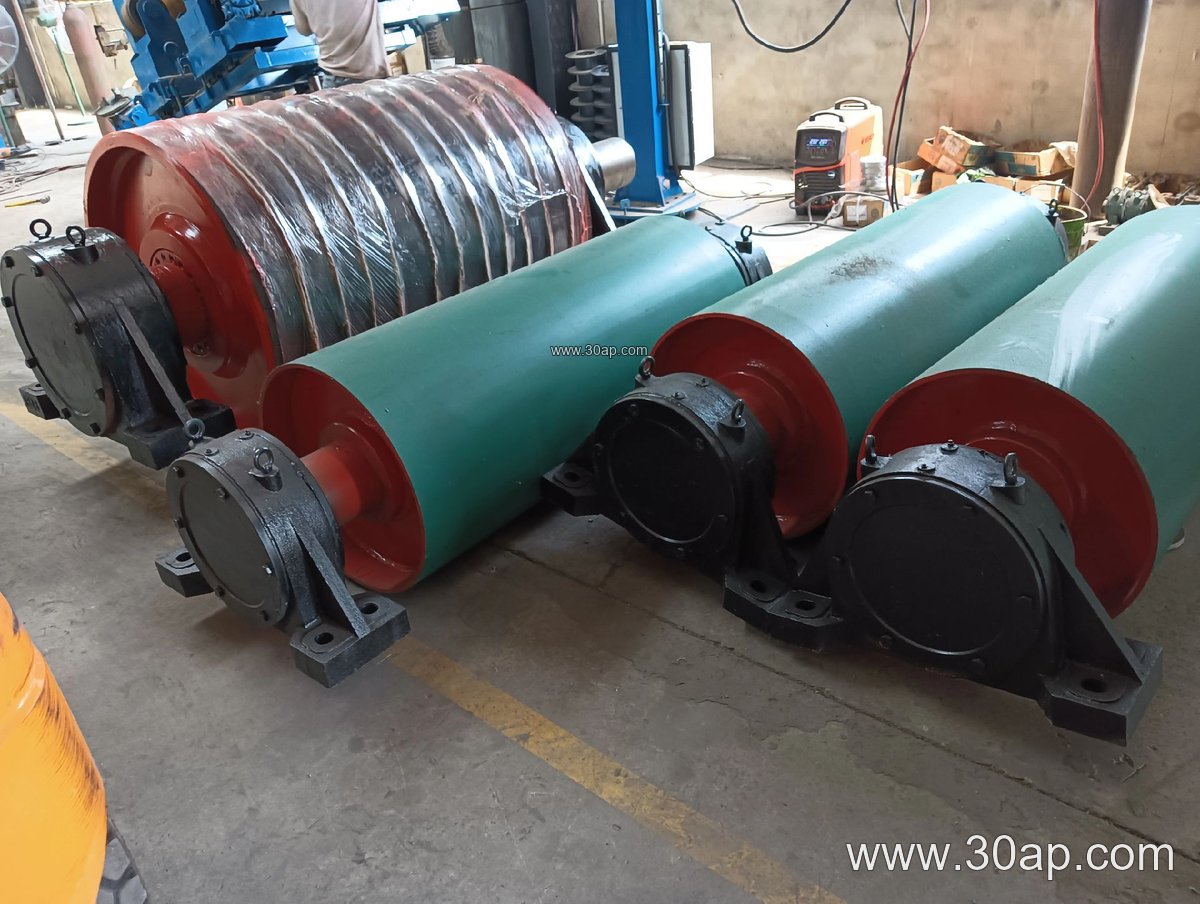
A typical tail pulley is built around a steel drum with a shaft, bearings, and a lagging surface. The drum shell is usually machined or rolled from steel plate, and the shaft is sized by torque and load, not by belt width alone. Common shaft diameters include Ø50, Ø60, Ø70, Ø80, Ø90, Ø100, Ø120, Ø140, Ø160, Ø180, and Ø200 mm. Bearings are housed in pillow blocks or flanged housings, and the pulley is mounted on the conveyor bracket. The surface may be plain, or covered with rubber lagging for grip and wear protection. Lagging types include flat rubber, diamond pattern, herringbone, and ceramic. Thickness often ranges from 8 to 20 mm, with 10 mm and 12 mm being common in bulk material handling.
Where It Fits in the Conveyor Layout
In a typical conveyor, the tail pulley is located at the feed end, where material is loaded onto the belt. In a coal mining conveyor or a power plant coal handling system, the tail pulley often works with a take-up pulley to maintain belt tension. In a cement plant, it may be part of a clinker or limestone transport line. In a port or ship loading conveyor, the tail pulley helps guide the belt through the return run. It is not a substitute for a drive pulley or a bend pulley; each has a distinct role. A bend pulley changes direction, while a tail pulley mainly supports and guides the belt at the end of the conveyor. When selecting a tail pulley, consider the belt width, the load, and the environment. For example, a B800 conveyor may use a pulley with a face width around 950 mm, while a B1200 conveyor may use a face width around 1400 mm. These are common references, not fixed rules.
Common Sizes and Surface Options
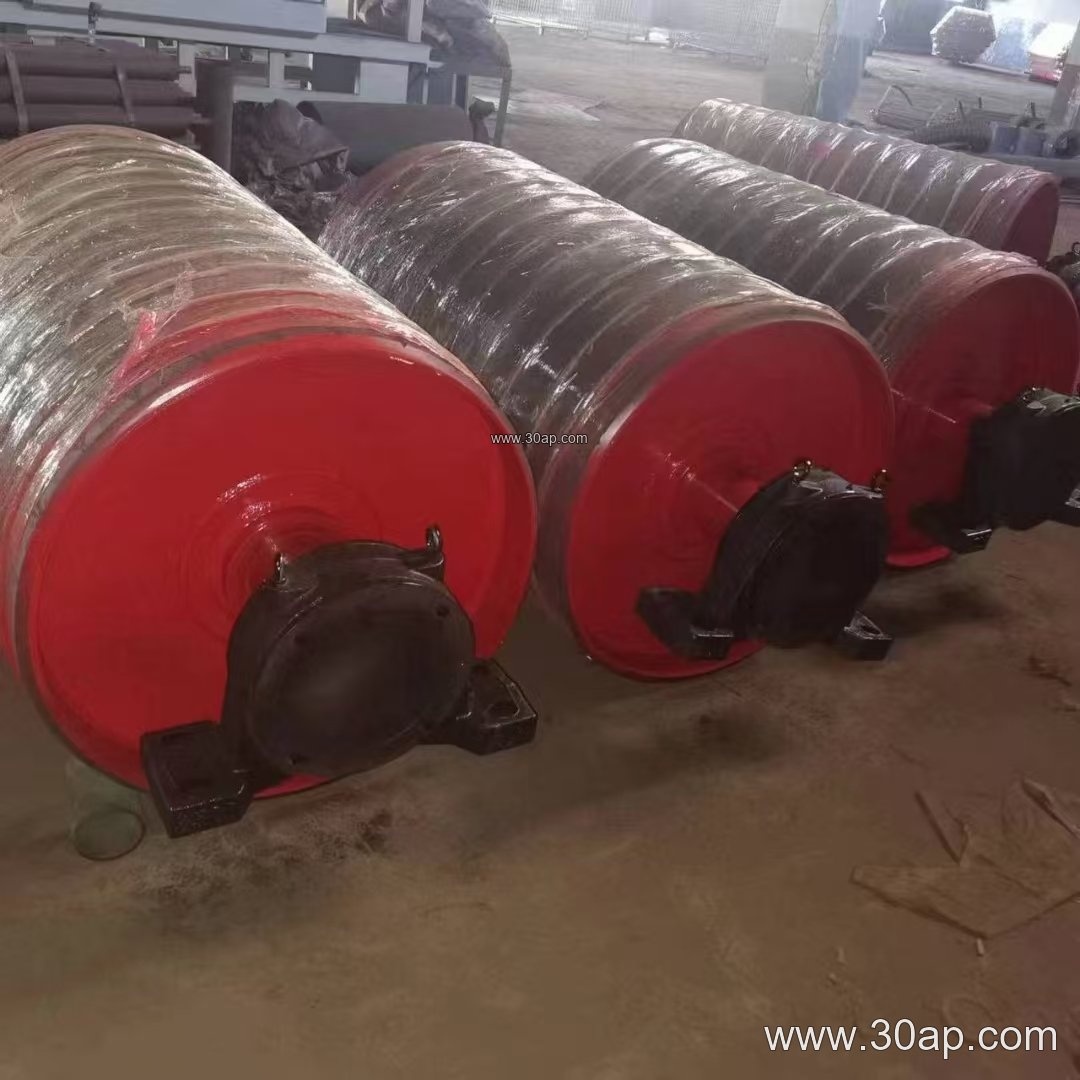
Tail pulleys are available in many diameters and face widths. The table below shows typical combinations, but the final choice depends on belt tension, shaft load, and space. The face width is usually slightly wider than the belt to allow for misalignment. For instance, a B650 belt often matches a 750 mm face width, and a B1000 belt often matches a 1150 mm face width. Diameters commonly range from Ø200 to Ø1800 mm. Larger diameters are used in heavy-duty mining conveyors to reduce belt stress and improve tracking. Surface lagging can be plain, rubber, or ceramic. Rubber lagging improves friction and protects the drum from wear, especially in abrasive conditions like iron ore or copper ore handling. Ceramic lagging is used where high grip is needed, such as in inclined conveyors. The lagging thickness is often 8, 10, 12, 15, or 20 mm.
| Belt Width (mm) | Common Face Width (mm) | Typical Diameter Range (mm) |
|---|---|---|
| B400 | 500 | Ø200–Ø400 |
| B500 | 600 | Ø250–Ø500 |
| B650 | 750 | Ø315–Ø630 |
| B800 | 950 | Ø400–Ø800 |
| B1000 | 1150 | Ø500–Ø1000 |
| B1200 | 1400 | Ø630–Ø1250 |
| B1400 | 1600 | Ø800–Ø1400 |
| B1600 | 1800 | Ø1000–Ø1600 |
| B1800 | 2000 | Ø1250–Ø1800 |
These values are for reference only. Always confirm with the conveyor design. For example, a B1200 × Ø1000 tail pulley may be suitable for a medium-duty application, while a B1400 × Ø800 may be used in a tighter space. The shaft diameter is determined by the torque and bending load, not by the belt width alone. A common mistake is to assume a fixed shaft size for a given belt width; that can lead to premature bearing failure.
Buying and Maintenance Tips
When choosing a tail pulley, start with the belt width and the required face width. Then consider the belt tension and the take-up system. If the conveyor uses a screw take-up, the tail pulley may be mounted on a sliding frame. If it uses a gravity take-up, the tail pulley may be part of a tension carriage. Check the bearing type and sealing to match the environment. In a coal mining conveyor, flame retardant and anti-static properties may be required for the belt, but the pulley itself should be robust against dust and moisture. In a food or grain facility, avoid open bearings that can trap debris. Regular maintenance includes checking lagging wear, bearing temperature, and alignment. Worn lagging can cause belt slippage and tracking problems. Replace lagging when the thickness drops below the recommended limit. Keep the pulley clean and ensure the conveyor bracket is secure. For high-abrasion applications, such as a crusher conveyor or a quarry conveyor, consider ceramic lagging or thicker rubber. For high-temperature environments, like a cement plant cooler discharge, use heat-resistant lagging if available. Always follow the manufacturer’s instructions for installation and torque.
Related Equipment and Final Notes
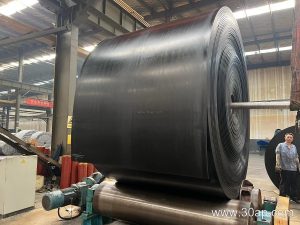
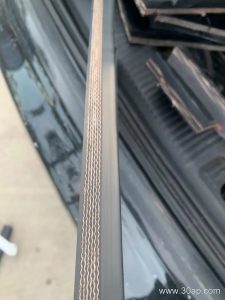
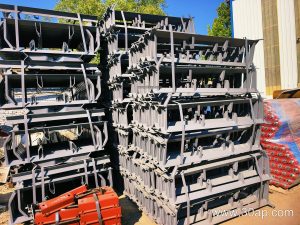
The tail pulley works with the conveyor belt, idler roller, and conveyor bracket to keep the system running. It is not interchangeable with a drive pulley or a bend pulley. In a mining conveyor or a bulk material conveyor, the tail pulley is a critical but often overlooked component. Proper selection and maintenance can extend belt life and reduce downtime. For more information on conveyor pulleys and related components, visit https://www.example.com/tail-pulley. Remember that sizes and types vary by application, so consult a qualified engineer before ordering.