What a Belt Conveyor Drive Pulley Does
The belt conveyor drive pulley is the powered drum at the head of a conveyor that grips the belt and pulls the entire load. Often called the head pulley or drive drum, it transfers torque from the gearbox to the conveyor belt through friction between the drum surface and the belt cover. In a quarry, cement plant, or coal mining operation, this component sets the pace for the whole line. Without reliable traction at the drive pulley, even a high-quality EP conveyor belt or steel cord conveyor belt cannot move material efficiently.
Unlike a tail pulley, which only redirects the belt, the drive pulley is connected to the motor and must handle the full running tension. A bend pulley changes belt direction without driving, and a take-up pulley maintains tension. These roles are not interchangeable, so specifying the correct drive pulley for the head end is critical. Whether the conveyor handles limestone in a cement plant or ore in a copper mine, the drive pulley remains the power transmission point.
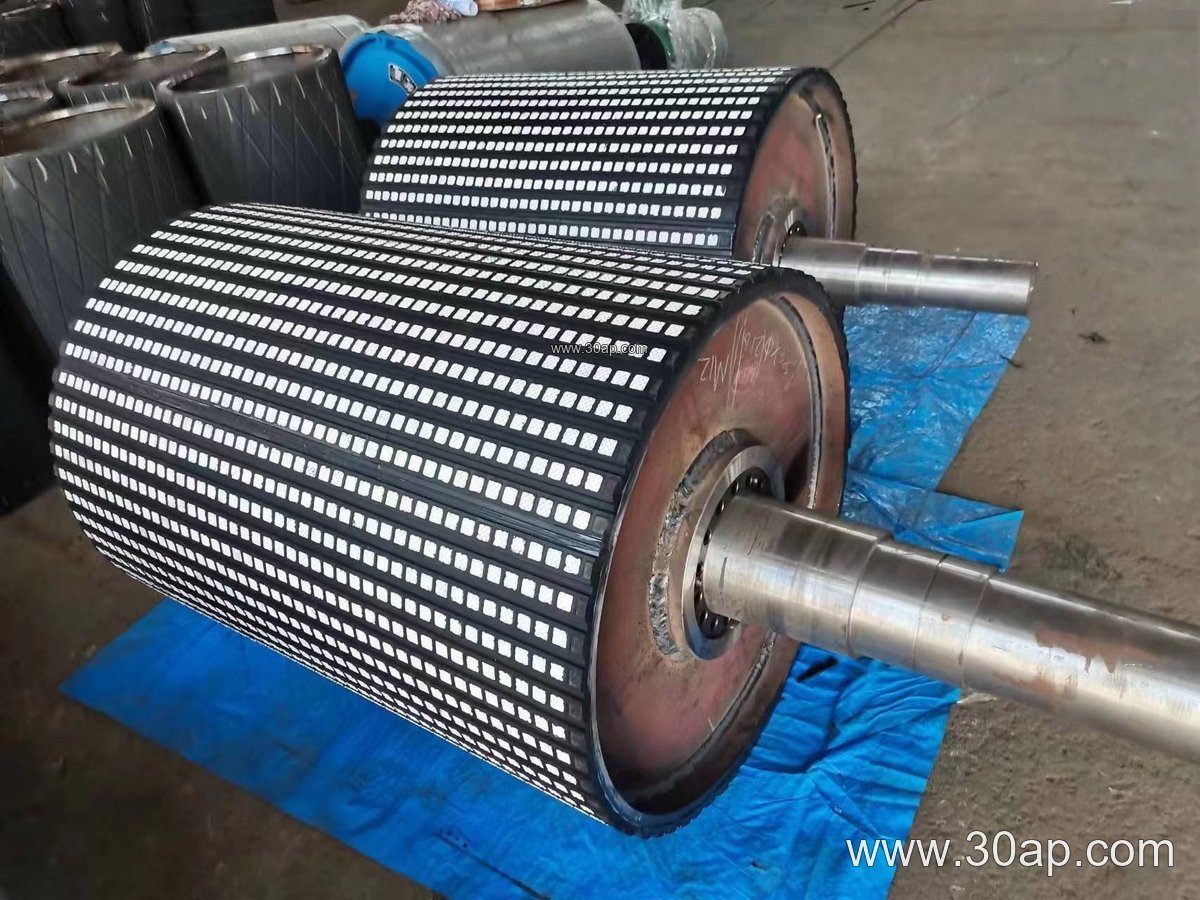
Construction and Surface Options
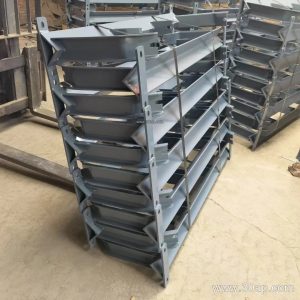
A typical belt conveyor drive pulley consists of a steel shell, end discs, a shaft, and bearing housings mounted in conveyor brackets. The shell is often machined and covered with rubber lagging to increase friction and protect the belt. Common surface forms include plain, cast rubber, cold-bonded rubber, hot vulcanized rubber, diamond lagging, herringbone lagging, and ceramic lagging. Lagging thickness usually ranges from 8 mm to 20 mm depending on the duty. For abrasive conditions such as a sand making plant or iron ore terminal, ceramic or diamond lagging helps extend service life. In underground coal mining, flame retardant conveyor belt and anti-static conveyor belt work together with a properly lagged drive pulley to meet safety expectations. The shaft diameter is determined by torque and load, with common sizes including Ø50, Ø60, Ø70, Ø80, Ø90, Ø100, Ø120, Ø140, Ø160, Ø180, and Ø200. Belt width does not dictate a single shaft size; each conveyor is designed as a system.
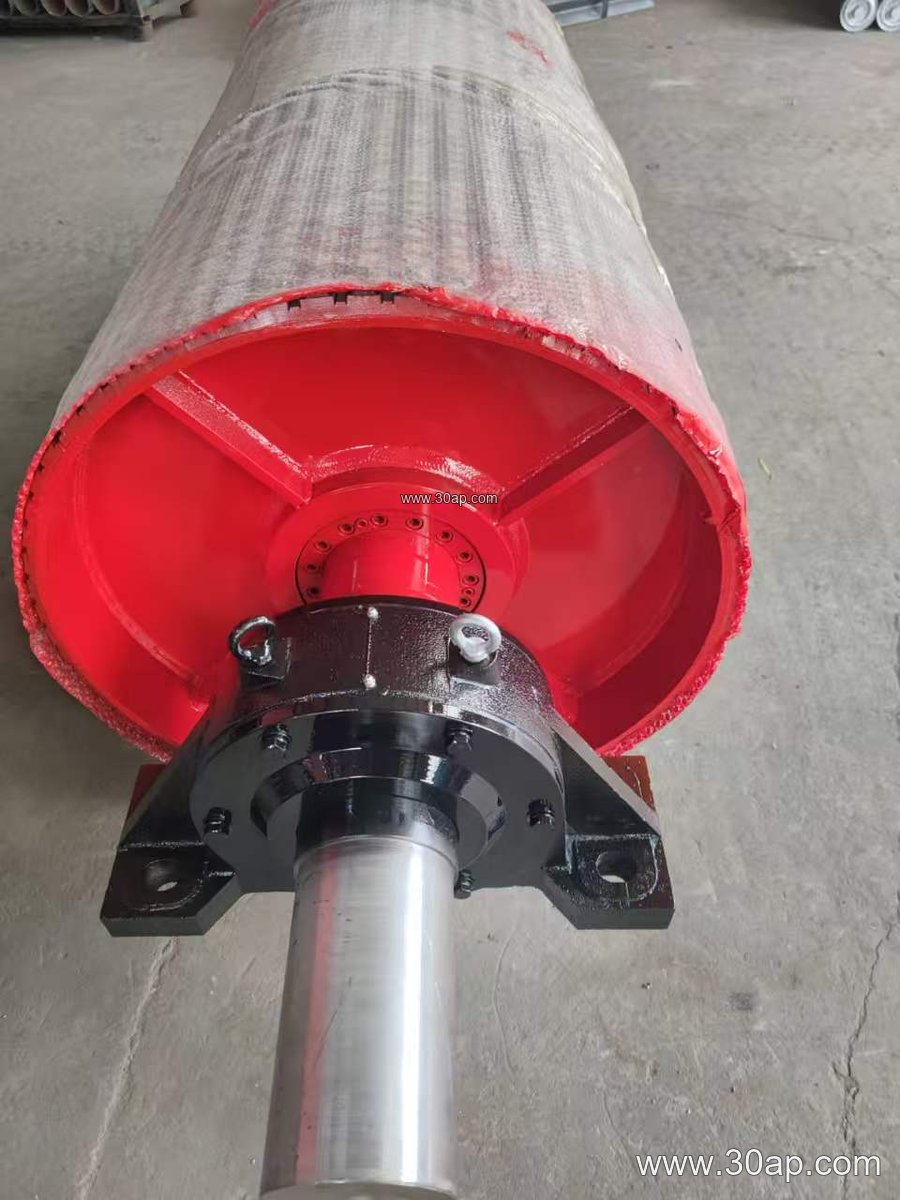
Common Drive Pulley Reference Dimensions
The values below are typical references, not a fixed selection rule. Final sizes are confirmed by the conveyor designer.
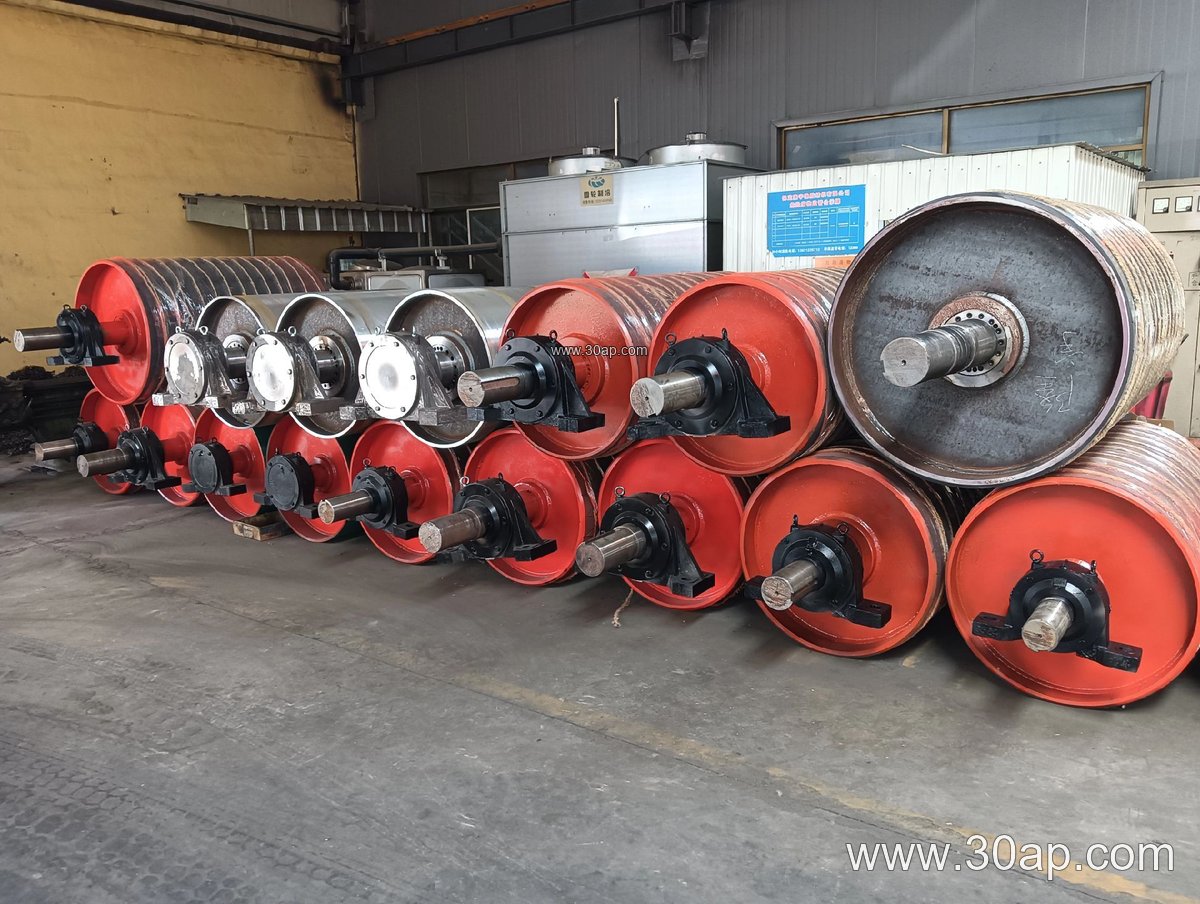
- B400 with Ø200 to Ø315, shell width about 500 mm
- B500 with Ø250 to Ø400, shell width about 600 mm
- B650 with Ø315 to Ø500, shell width about 750 mm
- B800 with Ø400 to Ø630, shell width about 950 mm
- B1000 with Ø500 to Ø800, shell width about 1150 mm
- B1200 with Ø630 to Ø1000, shell width about 1400 mm
- B1400 with Ø800 to Ø1250, shell width about 1600 mm
- B1600 with Ø1000 to Ø1400, shell width about 1800 mm
- B1800 with Ø1250 to Ø1600, shell width about 2000 mm
- B2000 with Ø1400 to Ø1800, shell width about 2200 mm
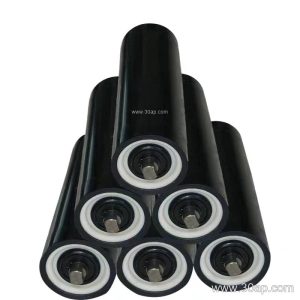
These combinations are examples only. A B1200 belt may work with a Ø1000 drive pulley in one project and a different diameter in another, depending on belt speed and tension. Always match the drive pulley to the conveyor belt type, such as NN conveyor belt, EP conveyor belt, or steel cord conveyor belt, and to the idler roller layout.
Where It Fits in Different Industries
In a coal preparation plant, the drive pulley at the head end often runs with flame retardant conveyor belt and abrasion resistant conveyor belt to handle wet, gritty coal. In a cement plant, heat resistant conveyor belt may carry clinker while the drive pulley is lagged for grip under dusty conditions. Port bulk terminals use large diameter drive pulleys on ship loading conveyors, often paired with steel cord conveyor belt for long distances. Aggregate operations and crusher conveyor belts rely on robust drive pulleys with diamond lagging to prevent slip during startup. In each case, the drive pulley is selected alongside conveyor brackets, idler rollers, and the belt specification. For example, an EP1000 1200mm conveyor belt may require a drive pulley with a shell width around 1400 mm and a diameter chosen for the required belt speed, not simply copied from a table.
Buyer Checklist for a Drive Pulley
When specifying a belt conveyor drive pulley, start with the belt width and belt type, then confirm the required diameter for belt speed and tension. Check the lagging material against the conveyed material: oil resistant conveyor belt needs compatible lagging, while a high abrasion resistant conveyor belt in a gold mining operation may call for ceramic lagging. Confirm shaft diameter from the actual torque calculation, not from a rule of thumb. Verify that the bearing size and conveyor bracket dimensions fit the existing frame. Ask for the pulley drawing showing shell width, shaft extension, keyway, and lagging thickness. For a quarry conveyor belt or heavy-duty mining conveyor belt, consider a larger diameter to reduce belt bending stress. Remember that a drive pulley, tail pulley, and bend pulley each have a distinct job, so never substitute one for another in a specification. Use the belt conveyor drive pulley as the anchor of the head end, and let the conveyor belt, idler roller, and conveyor bracket work as a matched system.