What Is an Ore Conveyor Belt
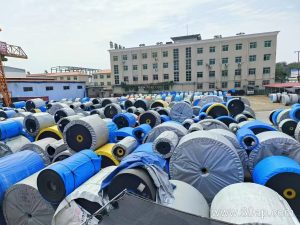
An ore conveyor belt is the heavy-duty carrying medium in a continuous haulage system designed to move crushed or raw ore from loading points to processing plants, stockpiles, or ship loaders. Unlike a general-purpose conveyor belt, an ore conveyor belt must tolerate sharp edges, dense lumps, abrasive dust, and frequent impact at transfer chutes. It is often specified as a heavy-duty mining conveyor belt or a high abrasion resistant conveyor belt to match the demanding nature of mineral transport.
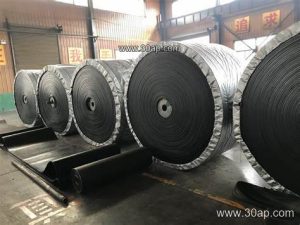
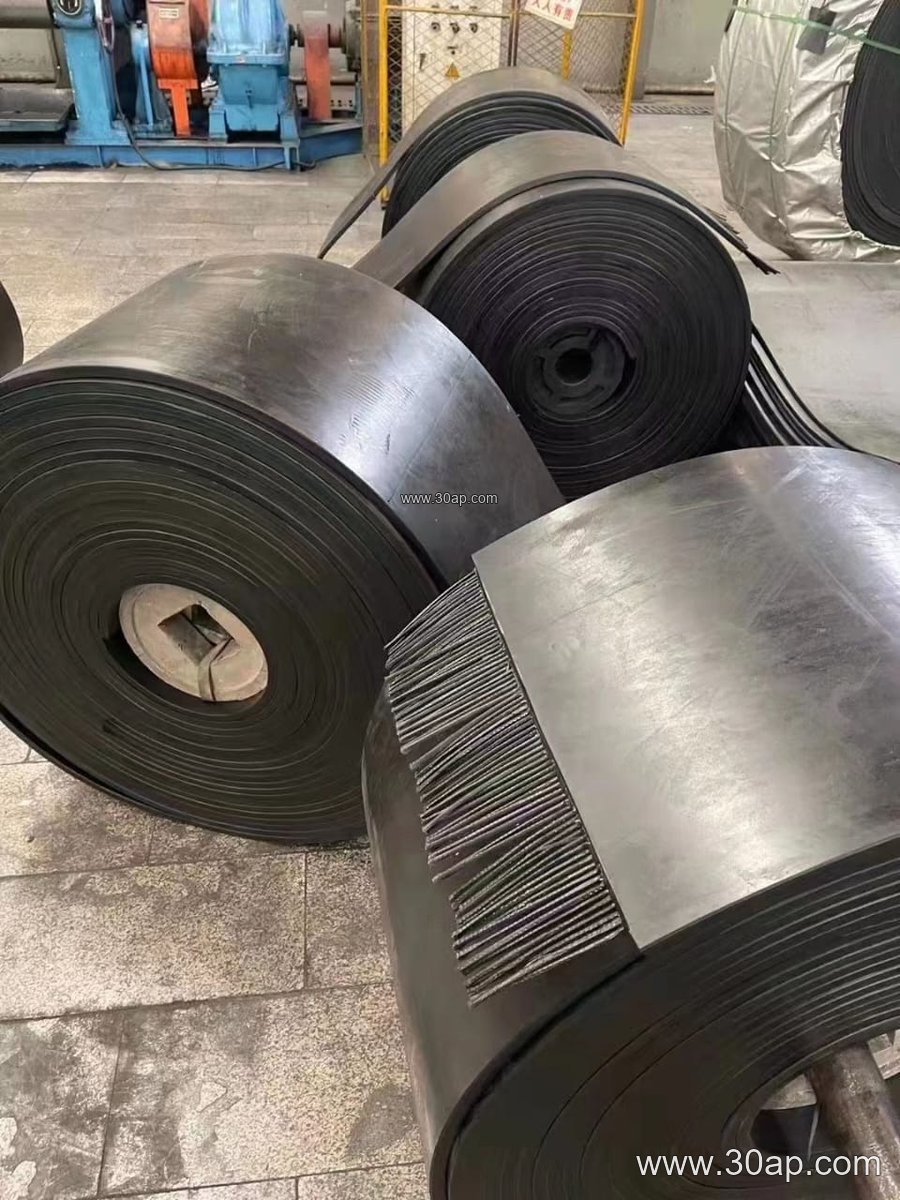
The belt itself is a composite structure: a tension-bearing carcass, top and bottom rubber covers, and sometimes special edge or surface features. The carcass may be fabric (EP conveyor belt or NN conveyor belt) or steel cord (steel cord conveyor belt), and the cover compound is selected for the specific ore and site conditions.
Construction and Key Components
A typical ore conveyor belt combines several layers. The carcass provides strength and resistance to stretch. EP conveyor belt (polyester-nylon) and NN conveyor belt (nylon-nylon) are common fabric core options for medium to high tension applications. For very high tension and long distances, a steel cord conveyor belt is often used. The cover rubber protects the carcass from abrasion, impact, and environmental attack. Cover thickness and quality are critical: a high abrasion resistant conveyor belt grade helps extend service life in iron ore, copper ore, and quarry operations.
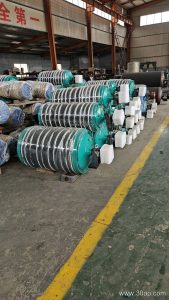
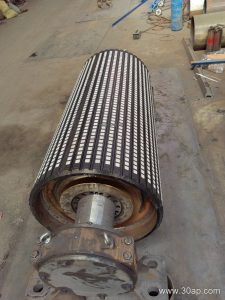
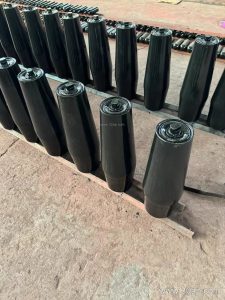
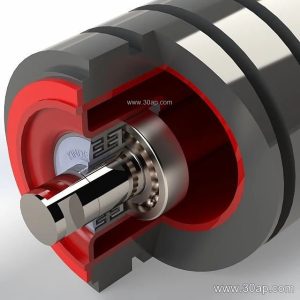
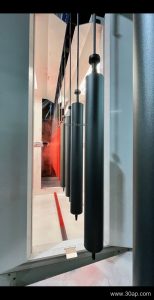
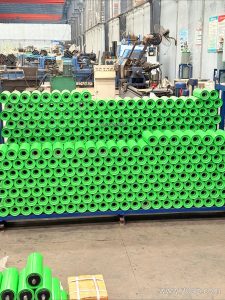
In addition to the belt, the conveyor system relies on idler rollers, conveyor pulleys, and conveyor brackets. The drive pulley, tail pulley, and bend pulley each perform distinct roles and are not interchangeable. Drive pulleys transmit power, tail pulleys redirect the belt, and bend pulleys change its path. Proper alignment and maintenance of these components directly affect belt life.
Common Belt Types and Constructions
| Type | Typical Strength Range | Common Widths | Notes |
|---|---|---|---|
| EP conveyor belt | EP200 to EP2000 | B500–B2000 | Good fatigue resistance, widely used in mining and aggregate |
| NN conveyor belt | NN100–NN400 | B500–B1400 | High elasticity, suitable for impact loads |
| Steel cord conveyor belt | ST1000–ST3150 | B800–B2000 | High tensile strength for long overland conveyors |
| PVG conveyor belt | PVG800, PVG800S | B800–B1200 | Flame retardant, often used underground |
| Chevron conveyor belt | Fabric or steel cord | B500–B1200 | Cleated surface for inclined haulage |
| Corrugated sidewall conveyor belt | Fabric core | B500–B1200 | Sidewalls prevent spillage on steep inclines |
Cover compounds can be selected for heat resistance, oil resistance, flame retardance, cold resistance, or anti-static properties. For example, a heat resistant conveyor belt may be needed when handling hot sinter or clinker, while a flame retardant conveyor belt is common in coal mining conveyor belt systems. An abrasion resistant conveyor belt is a baseline requirement for most ore applications.
Where Ore Conveyor Belts Are Used
These belts appear across many industries. In mining, they carry iron ore, copper ore, gold ore, and coal. A coal mining conveyor belt often requires flame retardant and anti-static properties, especially in underground mining conveyor belt applications. In cement plants, limestone and clinker are moved on heavy-duty belts, sometimes with heat resistant covers. Power plants use them for coal and ash handling. Quarries and aggregate operations rely on quarry conveyor belts and crusher conveyor belts to link crushing, screening, and stockpiling. Ports and ship loading facilities use wide belts—such as 1200mm, 1400mm, or 1800mm wide conveyor belt—to achieve high throughput.
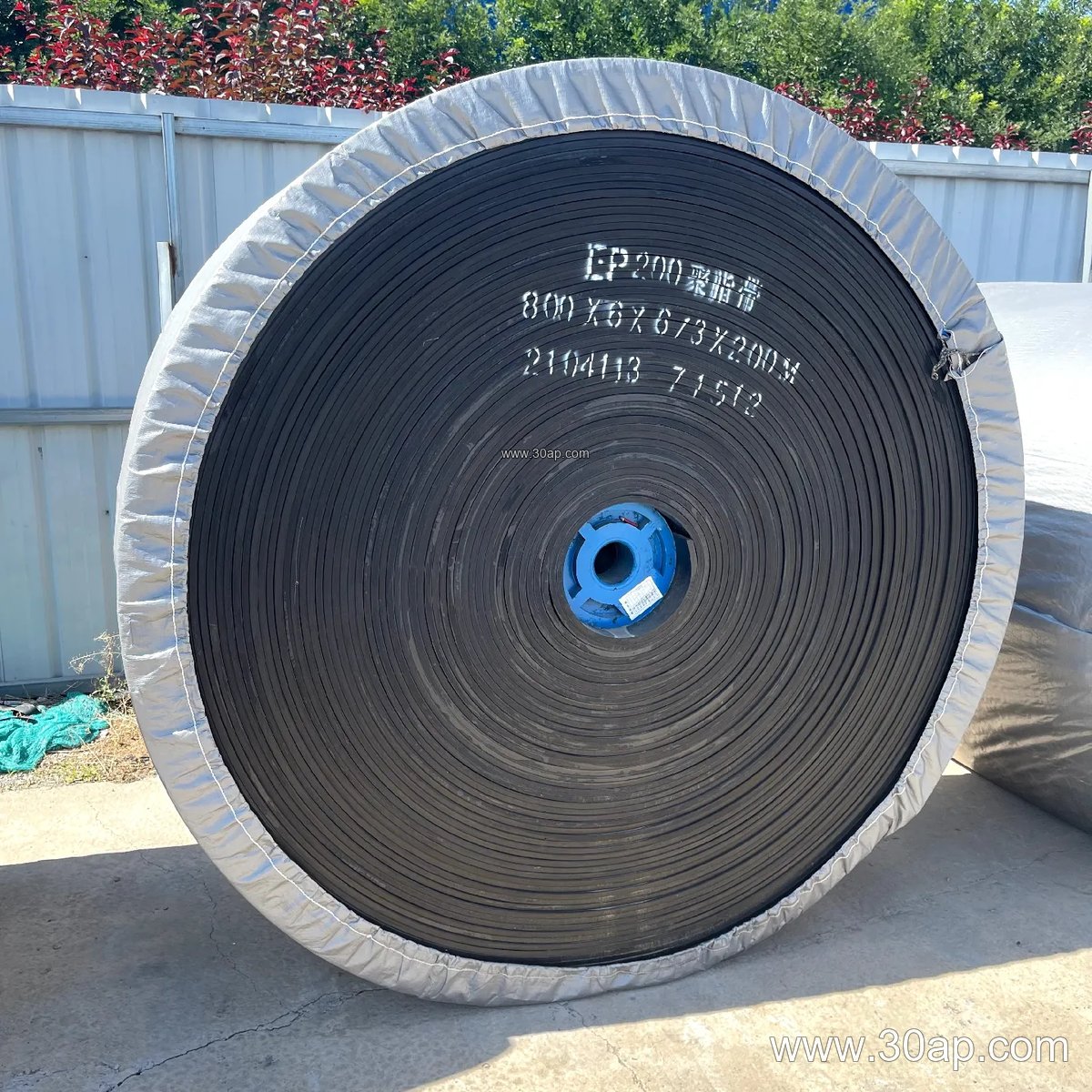
Other variants include the pipe conveyor belt, which encloses the material to prevent spillage and dust, and the endless conveyor belt, which is spliced on site for continuous operation. Skirted conveyor belts and corrugated sidewall belts are chosen where material containment is important.
Selection and Sizing Notes
Buyers should consider the ore characteristics (lump size, density, moisture, temperature, and chemical exposure), the conveyor layout (length, lift, incline), and the required capacity. Belt width and strength must be matched to the load and the pulley diameters. There is no single belt width that dictates one pulley diameter; the drive pulley, tail pulley, and bend pulley sizes are determined by the conveyor design, belt tension, and shaft loads. Similarly, shaft diameters must be calculated from actual load conditions, not guessed from belt width.
Fabric core belts are often specified with multi-ply constructions (e.g., 2 to 6 plies) and cover gauges such as 4+2 mm or 6+2 mm. Steel cord belts are rated by ST number. Always request the manufacturer’s data for the specific product, as constructions and dimensions vary.
Maintenance and Buyer Checklist
- Check belt tracking and adjust idler rollers and pulleys regularly.
- Inspect splice integrity, especially for endless conveyor belts.
- Monitor cover wear and replace belts before the carcass is exposed.
- Ensure flame retardant and anti-static properties are maintained in underground coal mining conveyor belt applications.
- Keep conveyor brackets and pulleys aligned to prevent edge damage.
When sourcing an ore conveyor belt, ask for the carcass type, strength grade, cover compound, cover thickness, and available widths. For more information on conveyor belts, idler rollers, and pulleys, visit our site at www.example.com/ore-conveyor-belt or explore related pages on conveyor components.