What a Self-Centering Idler Does
A self-centering idler is a carrying or return roller assembly designed to correct small belt misalignments as the conveyor runs. Instead of sitting square to the frame like a plain troughing idler, this roller set steers the belt back toward the centerline when it starts to drift. In a quarry, a coal preparation plant, or a power station coal yard, that correction protects the belt edges, the frame, and the load profile. The same component is often called a self-aligning idler or training idler, and those names refer to the same product.
Its job is not to replace a conveyor pulley. Drive, tail, and bend pulleys transmit power and change belt direction; a training idler only influences tracking along the carrying or return run.
How the Assembly Is Built
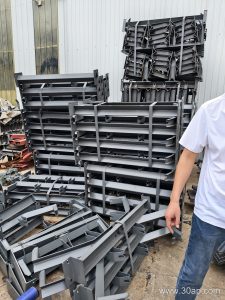
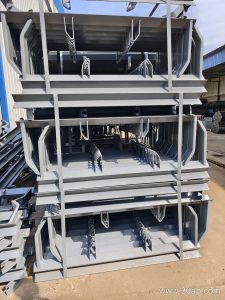
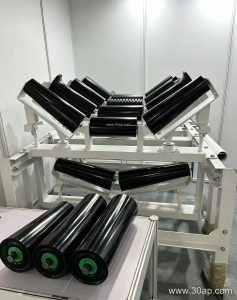
The working parts are usually arranged in a two- or three-roller trough set, mounted on a pivoting base or a swivel frame. A vertical pivot axis lets the whole set rotate slightly when the belt pushes harder on one side. Friction or tapered end rollers then generate a small steering force that nudges the belt back to center. Many designs add a forward tilt of about 1.5 to 2 degrees on the side rollers, which improves self-correction without needing external power.
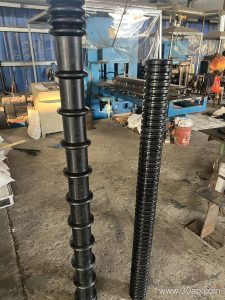
Common roll diameters include Ø89, Ø108, Ø127, Ø133, and Ø159 mm, with larger sizes used on heavy conveyors. Roll surfaces may be steel tube, nylon, ceramic, or rubber rings. Bearings such as 6204, 6205, 6305, 6306, 6308, and 6310 appear across the range, matched to load and shaft design rather than to one fixed roll size. Sealing matters in dusty service, because grit that reaches the bearing shortens roller life.
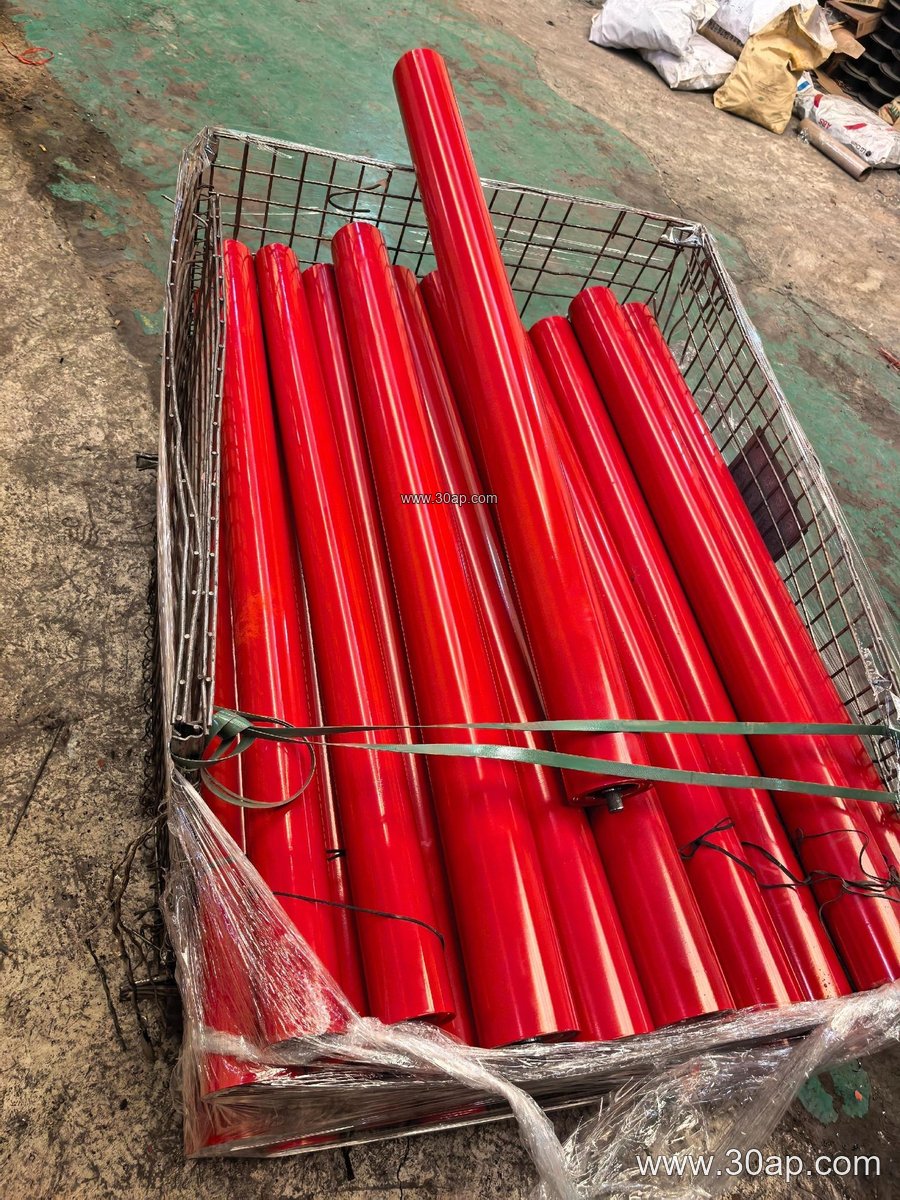
Where It Fits on the Conveyor
Training idlers are typically installed at intervals along the carrying side, and shorter versions are used on the return strand. They are most useful where belts are long, where loading is off-center, or where structure settlement causes drift. In a limestone mine feeding a crusher, a self-aligning set ahead of the transfer point keeps the belt centered before material lands. In a cement plant or aggregate line, return-side training rollers help control the empty belt between pulleys.
They work alongside the conveyor belt, conveyor pulley, idler roller, and conveyor bracket, but each has a distinct role. A worn or badly loaded belt may still need skirt rubber, a chevron profile, or a revised chute, so tracking hardware should be seen as one part of the alignment solution.
Matching Roller Length and Belt Width
Roll length follows belt width, trough angle, and the number of rolls in the set. The values below are common examples, not fixed pairings; side rolls and center rolls can differ, and final dimensions are set by the conveyor design.
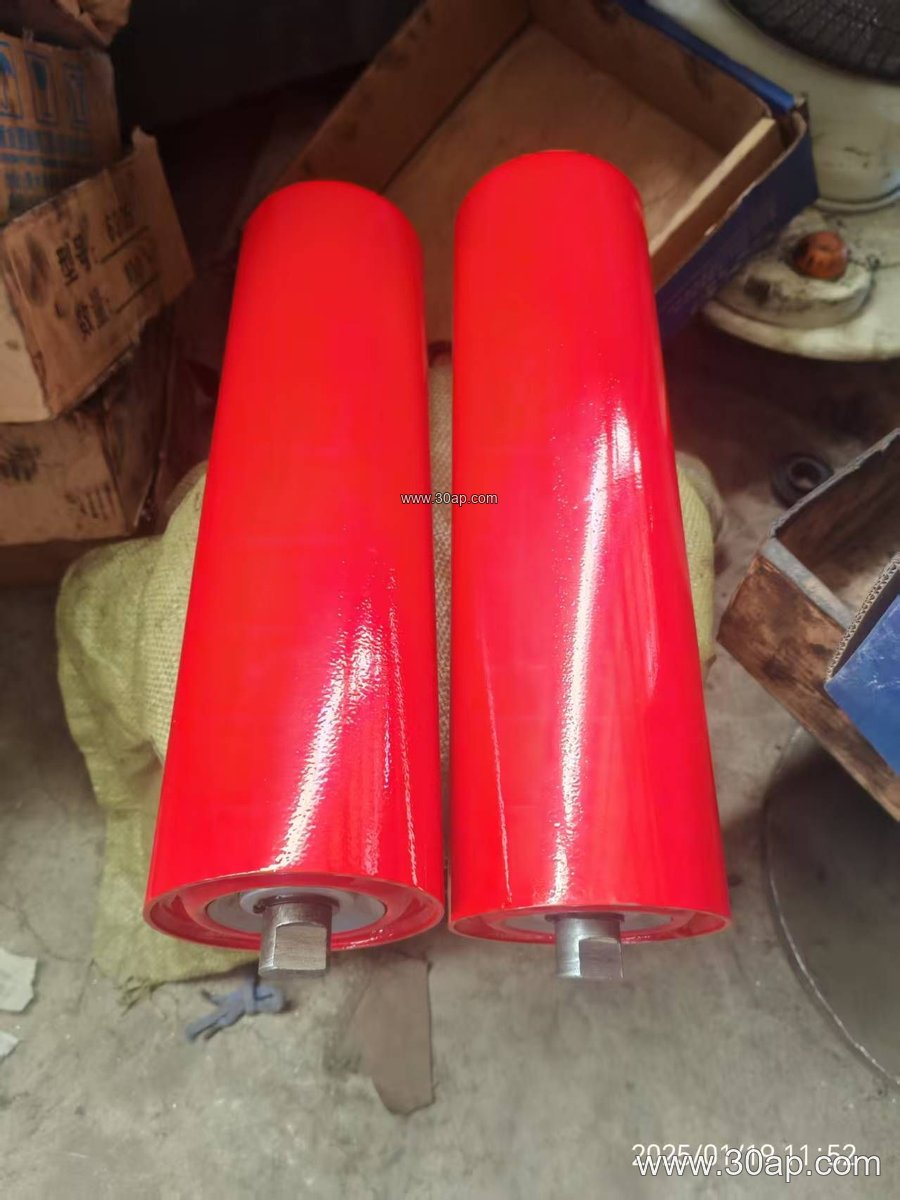
- B500 belt: about 200 mm roll length in a three-roll trough
- B650 belt: about 250 mm
- B800 belt: about 315 mm
- B1000 belt: about 380 mm
- B1200 belt: about 465 mm
- B1400 belt: about 530 mm
- B1600 belt: about 600 mm
- B1800 belt: about 670 mm
- B2000 belt: about 750 mm
Trough angles of 20, 30, 35, and 45 degrees are common. A wider belt does not dictate one shaft diameter, and a given belt width can be served by more than one pulley or roller size.
Buyer Checklist
Before ordering, confirm belt width, trough angle, roll diameter, and whether the unit is for the carrying or return side. Check the mounting bracket pattern and the available space around the frame. Ask how the seal handles dust and water, and whether the roller surface suits the material. For abrasive ore or high-abrasion service, a rubber-ring or ceramic surface may last longer; for sticky material, consider how buildup affects steering.
Also review the belt itself. A heavy-duty mining conveyor belt, an abrasion resistant conveyor belt, or a flame retardant conveyor belt for underground coal mining each places different demands on tracking hardware. Record inspection intervals and check for seized rollers, tilted frames, and off-center loading, because a training idler corrects drift only while it turns freely.
For related conveyor components and belt options, see www.beltconveyorparts.com self-centering idler and www.beltconveyorparts.com conveyor roller.