What a 600mm Conveyor Belt Is
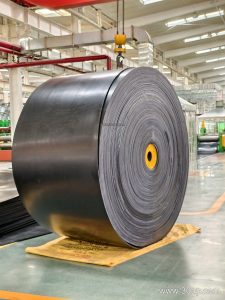
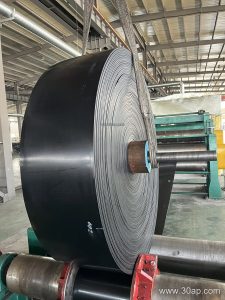
A 600mm conveyor belt is a belt with a nominal width of 600 millimeters, used on small to medium belt conveyors where the material load and the frame width suit this middle-range size. In many plants it sits between narrower 500mm belts and the widely used 650mm and 800mm sizes, so it is often chosen when a line needs more capacity than a 500mm belt can give but does not justify a wider structure. The product may be supplied as an EP conveyor belt, an NN conveyor belt, a multi-ply fabric core belt, or a steel cord belt, depending on the duty.
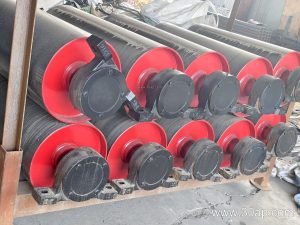
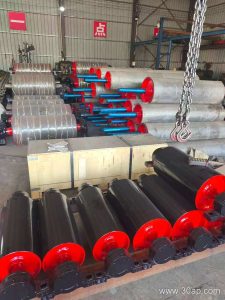
The width is only one part of the specification. A buyer comparing quotations should also check the carcass type, the number of plies, the cover rubber grade and thickness, the splice method, and the pulley and idler arrangement on the conveyor. A 600mm belt is not tied to one pulley diameter; drive pulleys, tail pulleys and bend pulleys are selected from the belt tension, the carcass and the arc of contact, and they are separate components with separate duties.
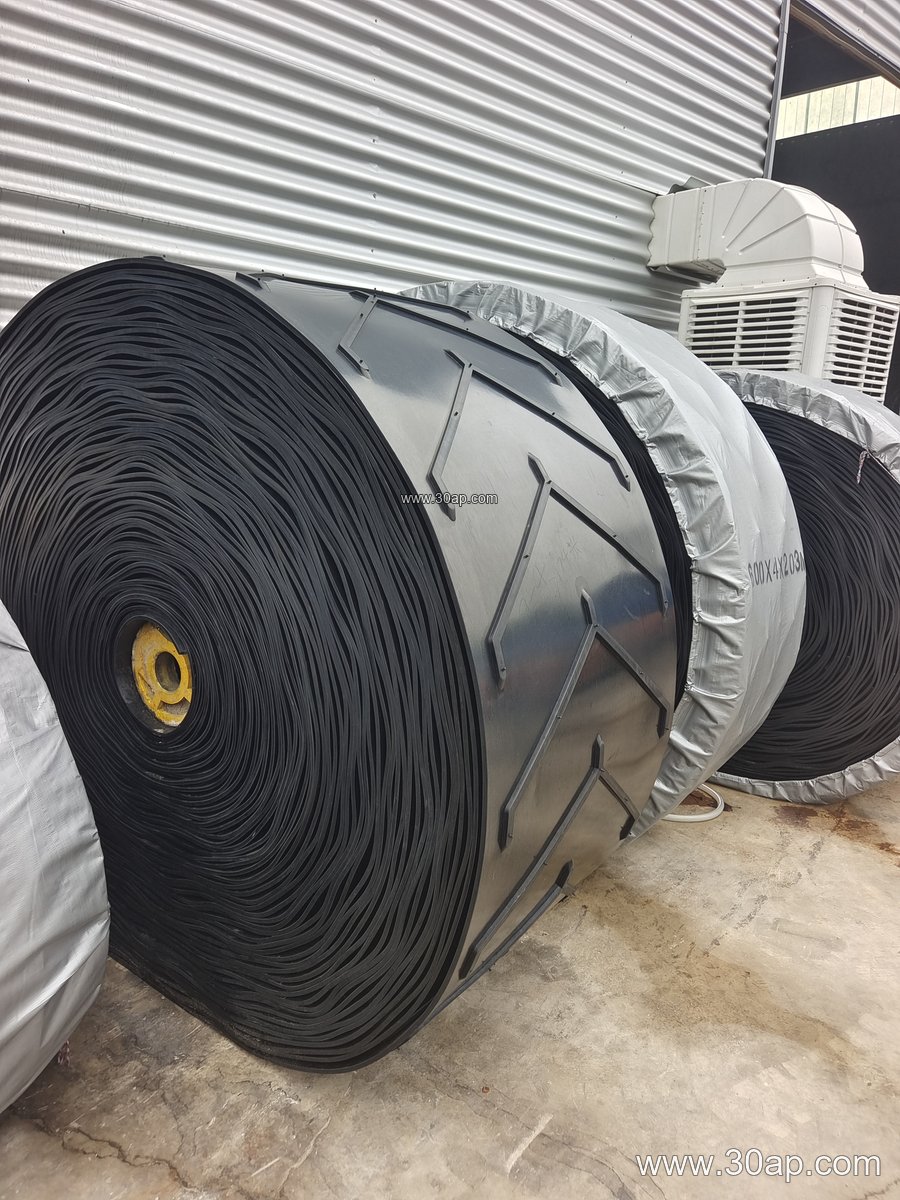
Construction and Common Specifications
Most 600mm belts are built from a fabric carcass with rubber covers on both faces. EP fabric (polyester warp, nylon weft) is common because it stretches little and holds splices well; NN fabric is also used where higher elongation is acceptable. Heavier duties may call for steel cord construction, though that is more typical of wider belts. Cover compounds are chosen for the cargo: abrasion resistant for sand and stone, heat resistant near clinker or sinter, flame retardant and anti-static for underground coal mining, oil resistant for oily scrap, and cold resistant for outdoor winter work.
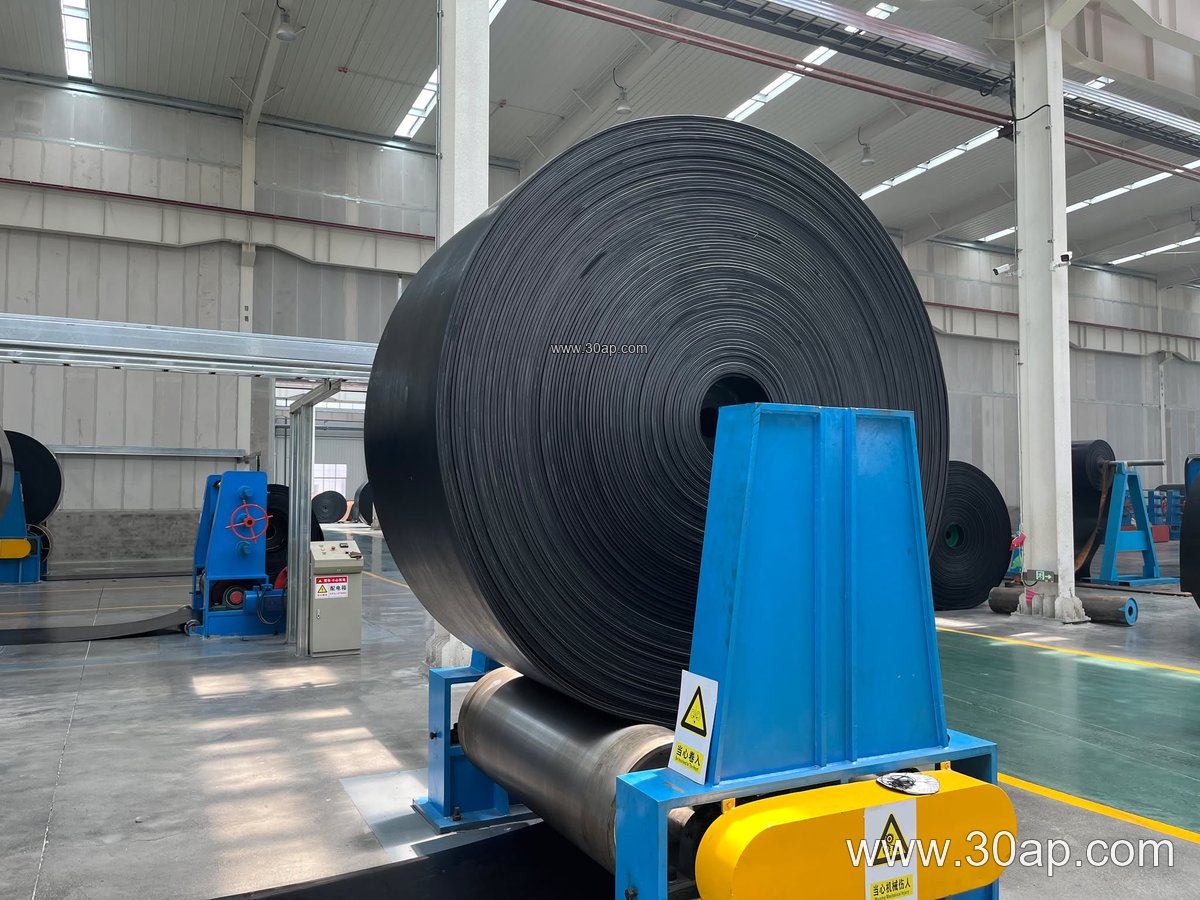
The table below shows typical reference values. Actual figures are set by the manufacturer and by the conveyor design, so treat them as a starting point rather than a fixed rule.
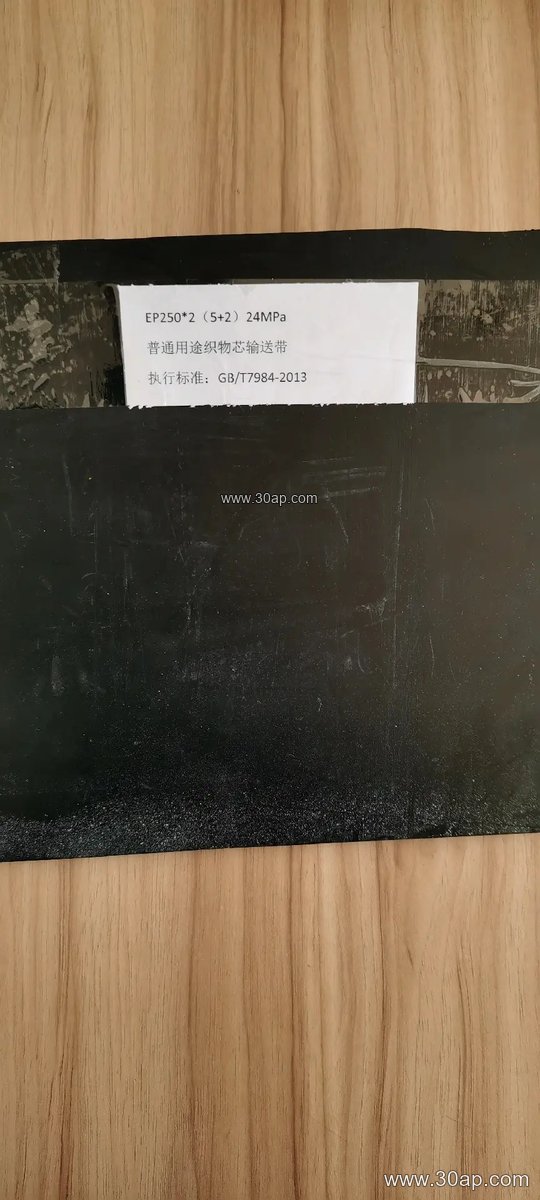
- Nominal width: 600 mm (B600)
- Common carcass grades: EP200, EP315, EP400, EP500, EP630, EP800
- NN grades sometimes offered: NN100, NN200, NN300
- Typical ply count: 2 to 6 layers
- Common cover thickness: 3+1.5 mm, 4+2 mm, 5+2 mm, 6+2 mm
- Surface forms: plain, chevron, skirted, corrugated sidewall
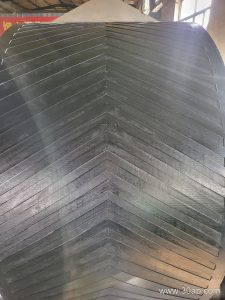
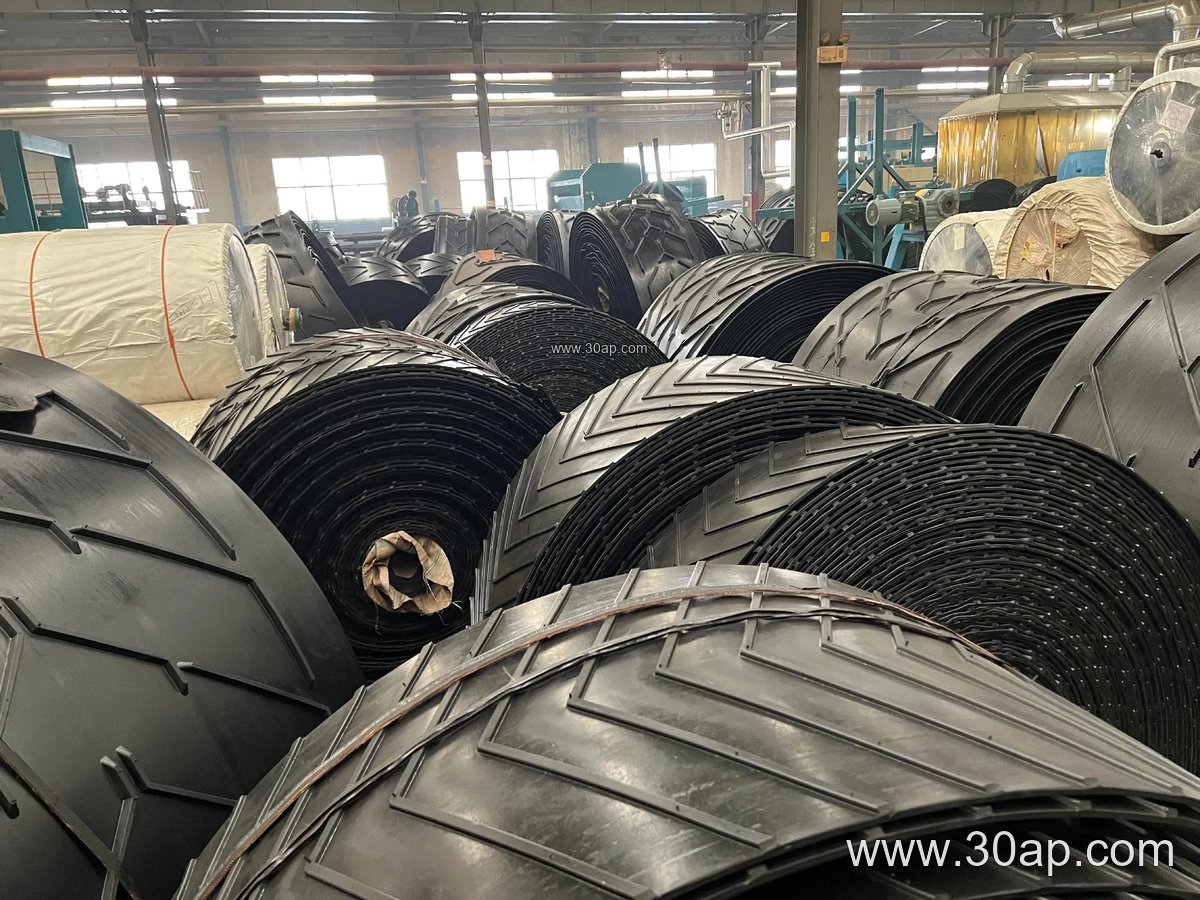
Special forms change the belt’s role rather than its width. A chevron conveyor belt adds cleats to stop material rolling back on an incline; a corrugated sidewall belt with skirts carries more material in a narrower frame. These are options within the same 600mm family, not replacements for a plain belt on a flat run.
Where It Fits in the Plant
In a quarry or aggregate plant, a 600mm belt often serves as a transfer belt under a screen or feeding a secondary crusher. In a cement plant it may carry limestone, gypsum or clinker on a short-to-medium run. In a coal preparation plant or underground coal mining conveyor, flame retardant and anti-static grades are usual, sometimes as PVG or PVC solid-woven belt where fire safety rules call for it. Power plants use these belts on coal and ash lines, and sand and gravel yards use them on stockpile and reclaim conveyors.
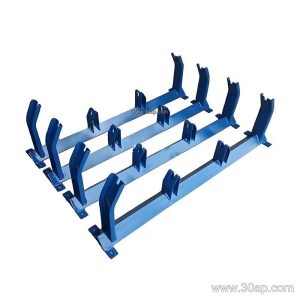
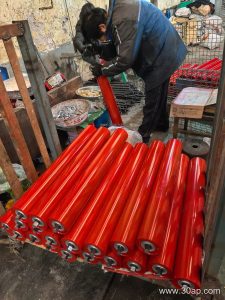
The belt works with the rest of the conveyor: troughing idler rollers shape it into a trough, a drive pulley pulls it, a tail pulley returns it, and bend pulleys steer it around curves. Conveyor brackets hold the idlers and pulleys in line. If the frame was designed for a 650mm belt, a 600mm belt can often run on it, but the buyer should confirm the pulley face width and the idler spacing before ordering.
Buyer Checklist
Before ordering, confirm the material, lump size, tonnage per hour, incline angle, and the ambient conditions. State the carcass grade and ply count, the cover grade and thickness, and whether an endless conveyor belt is required or a spliced belt is acceptable. Ask how the belt will be joined and whether the supplier will vulcanize the splice on site. Check that the pulley diameters and the take-up travel suit the belt’s elongation.
For maintenance, keep the belt tracking straight, inspect the idler rollers for seizure, and check the pulley lagging for wear. A belt running off-center wears its edges quickly, and a seized idler can cut a cover in a short time. Spare belt should match the original specification so the splice and the running characteristics stay consistent. Buyers who need a specific grade can request details from the supplier and compare the data sheet against the conveyor design rather than relying on the width alone.