What a Custom Idler Really Means
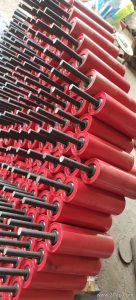
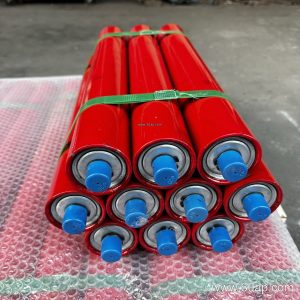
A custom idler is a carrying or return roller made to match a specific conveyor rather than picked from a short catalog list. The housing length, shaft ends, bearing seat, roll diameter and surface treatment are chosen for the belt width, the trough angle and the load profile at that point in the line. In practice, a custom idler roller is often the practical answer when a standard roller fits the shaft but not the frame, or fits the frame but not the material being carried.
This is different from buying a stock roller and forcing it into place. A made-to-order unit starts from the installation drawing: where the bracket sits, how much room the belt needs, and what the roller must survive each shift.
How the Roller Is Put Together
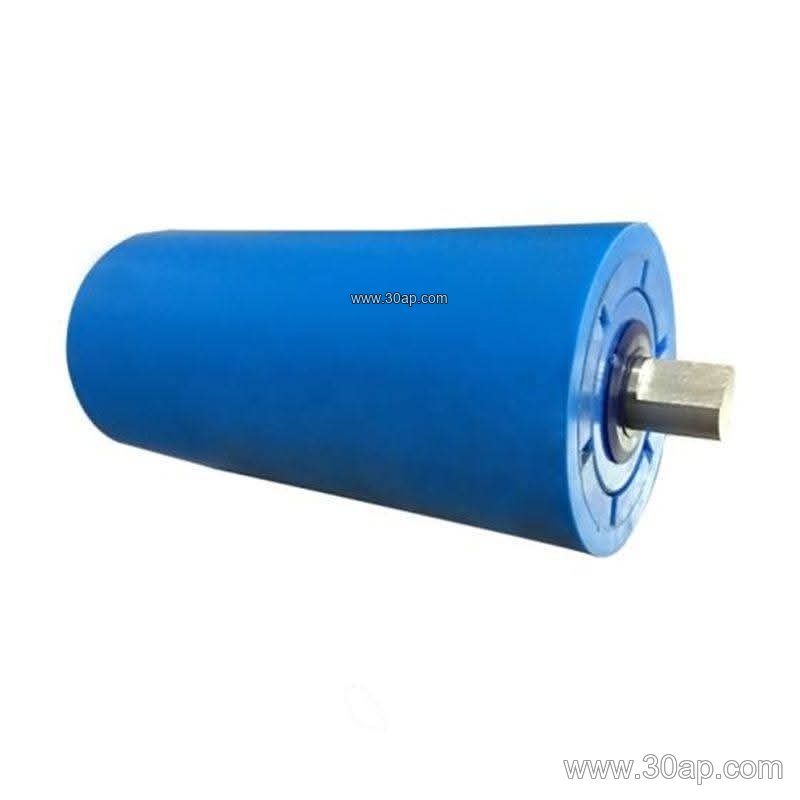
The main parts are straightforward, but each one can be adjusted. The shell is usually steel tube, and the surface may stay bare or carry a rubber ring, nylon sleeve or ceramic tile. Inside, the bearing housing and seal arrangement decide how long the roller lasts in dust and moisture.
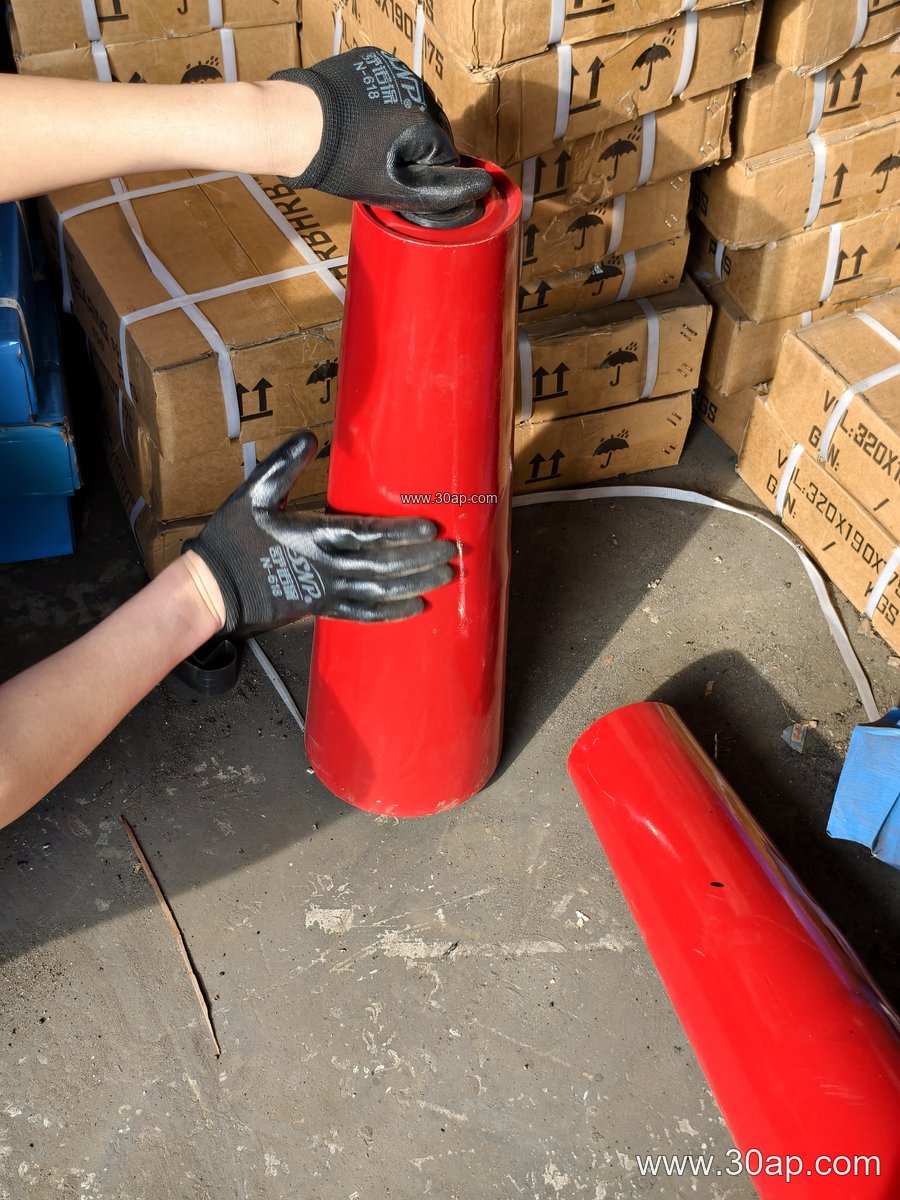
- Shell – tube diameter, wall thickness and roller face length set to the frame
- Shaft – flat ends, threaded ends or special fixings for the conveyor bracket
- Bearings – common sizes include 6204, 6205, 6305, 6306, 6308 and 6310, matched to load and speed rather than to one shell size
- Seals – labyrinth, contact or combined designs for dusty and wet service
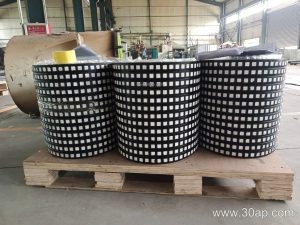
- Surface – plain steel, rubber rings for impact, or ceramic for sticky, abrasive material
Roller length follows belt width and trough form. For a three-roll trough set, common roller lengths are around 200 mm at B500, 250 mm at B650, 315 mm at B800, 380 mm at B1000, 465 mm at B1200, 530 mm at B1400, 600 mm at B1600, 670 mm at B1800 and 750 mm at B2000. These are reference examples only; side rollers and centre rollers may differ, and the final figure comes from the design.
Matching Diameter, Trough Angle and Belt Width
Diameter and trough angle work together. Common roller diameters run from Ø63 and Ø76 on small belts up to Ø159, Ø178, Ø194 and Ø219 on heavy duty lines. Trough angles of 20, 30, 35 and 45 degrees change how the belt sits and how much material it can hold, so the idler set has to match the belt’s trained shape.
| Reference item | Common range | Note |
|---|---|---|
| Roller diameter | Ø63 to Ø219 | Chosen by load, belt speed and frame height |
| Belt width | B400 to B2400 | Roller length follows width and trough form |
| Trough angle | 20°, 30°, 35°, 45° | Affects belt shape and material containment |
| Bearing | 6204 to 6310 | Selected by duty, not by a fixed pairing |
There is no rule that one belt width can only take one roller diameter, and no fixed shaft size can be read from belt width alone. A 1000 mm belt may run on different roller diameters depending on tonnage, speed and the frame already in place.
Where Custom Idlers Earn Their Place
Quarries and aggregate lines often need impact rollers under the crusher discharge, where a standard shell dents too quickly. A cement plant may ask for sealed rollers on a dusty clinker run. A coal handling system or power plant coal yard needs rollers that suit a flame retardant conveyor belt and a frame that cannot be modified. Port bulk terminals and iron ore terminals work with long transfer points where a few non-standard lengths keep the whole line running.
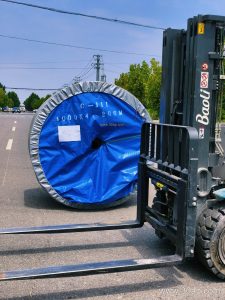
On the return side, the same approach applies to a V-return or flat return roller, and on the carrying side to a three-roll trough set with a transition roller near the head. If the belt is a heavy-duty mining conveyor belt or a steel cord conveyor belt, the roller load is higher and the shell and bearing choice should reflect that.
What a Buyer Should Send
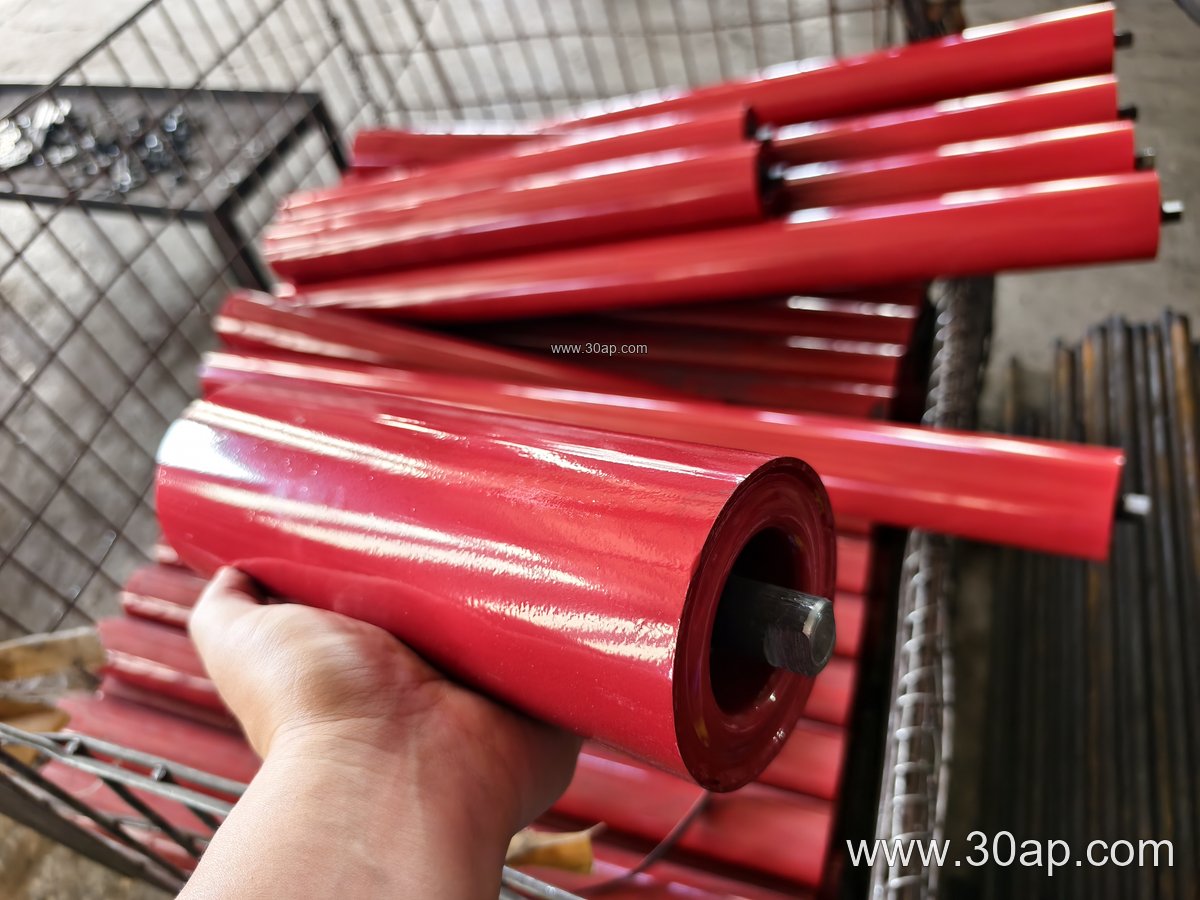
A clear inquiry saves a round of drawings. Useful details include the belt width, the trough angle, the roller position, the bracket or frame drawing, the shaft end type, the expected material and any environmental factors such as heat, oil or fine dust. Photos of the existing installation help more than a description alone.
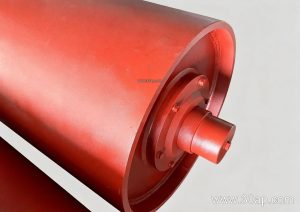
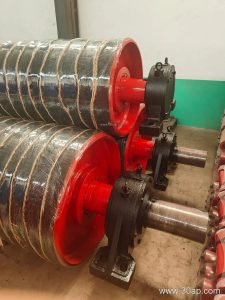
It also helps to say whether the roller must work with an existing conveyor pulley centre distance, or whether the whole frame can be adjusted. Buyers in sand and gravel plants, stone crushing lines and concrete mixing stations often discover that one changed dimension on the bracket is cheaper than rebuilding the frame.
Selection and Maintenance Notes
Choose the roller surface for the job. Rubber rings absorb impact at transfer points; ceramic or nylon surfaces help where fines stick and wear the shell. Sealed bearings are worth the small extra cost in wash-down areas and in tunnels where moisture is constant.
- Check that the roller turns freely before installation
- Align the frame so the belt does not run against the roller ends
- Inspect seals and bearing play on a regular schedule
- Replace a seized roller early to protect the belt edge
A well-specified custom idler keeps the belt tracking cleanly and reduces downtime. For more conveyor components, including the conveyor belt, conveyor pulley, idler roller and conveyor bracket that work alongside these rollers, review the full conveyor range at xinrishengconveyor.com and confirm dimensions against your own drawings.