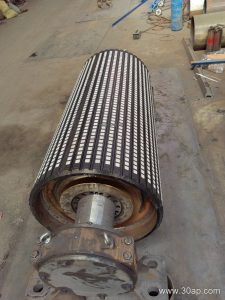
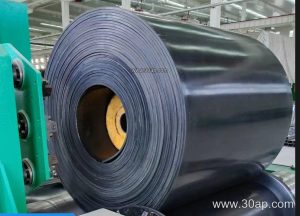
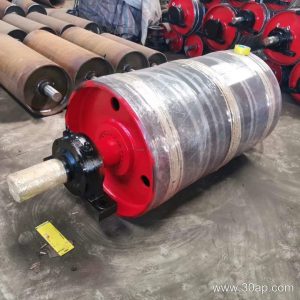
What a High Strength Conveyor Belt Is
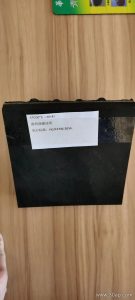
A High Strength Conveyor Belt is a heavy-duty belt engineered to carry high tension loads over long distances without excessive stretch or fatigue. In practice, the term usually points to a belt with a strong fabric carcass or steel cord reinforcement, combined with tough cover rubber. Buyers in mining, cement, power plants, quarries, ports, and sand and gravel yards often specify this class of belt when ordinary belting would demand frequent replacement.
The same product is also described as a high-tensile conveyor belt or heavy-duty conveyor belt. These are equivalent names for the same category, not different products. The exact construction should always be confirmed against the application data.
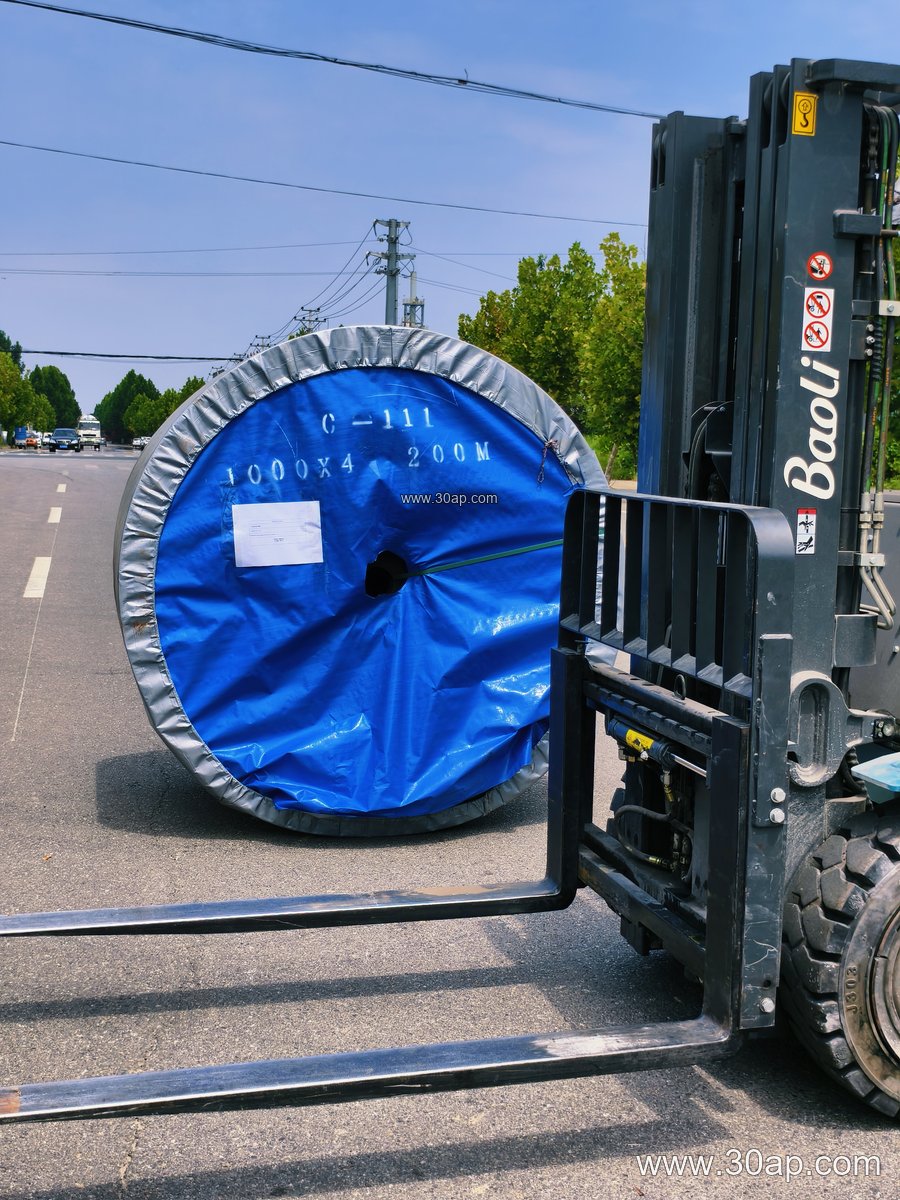
How the Belt Is Built
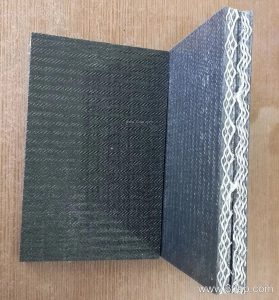
Strength comes mainly from the carcass. Fabric-core designs use multiple plies of EP or NN fabric, while steel cord designs use brass-plated cords embedded in rubber. Cover compounds protect the carcass from abrasion, heat, oil, or flames depending on the duty.
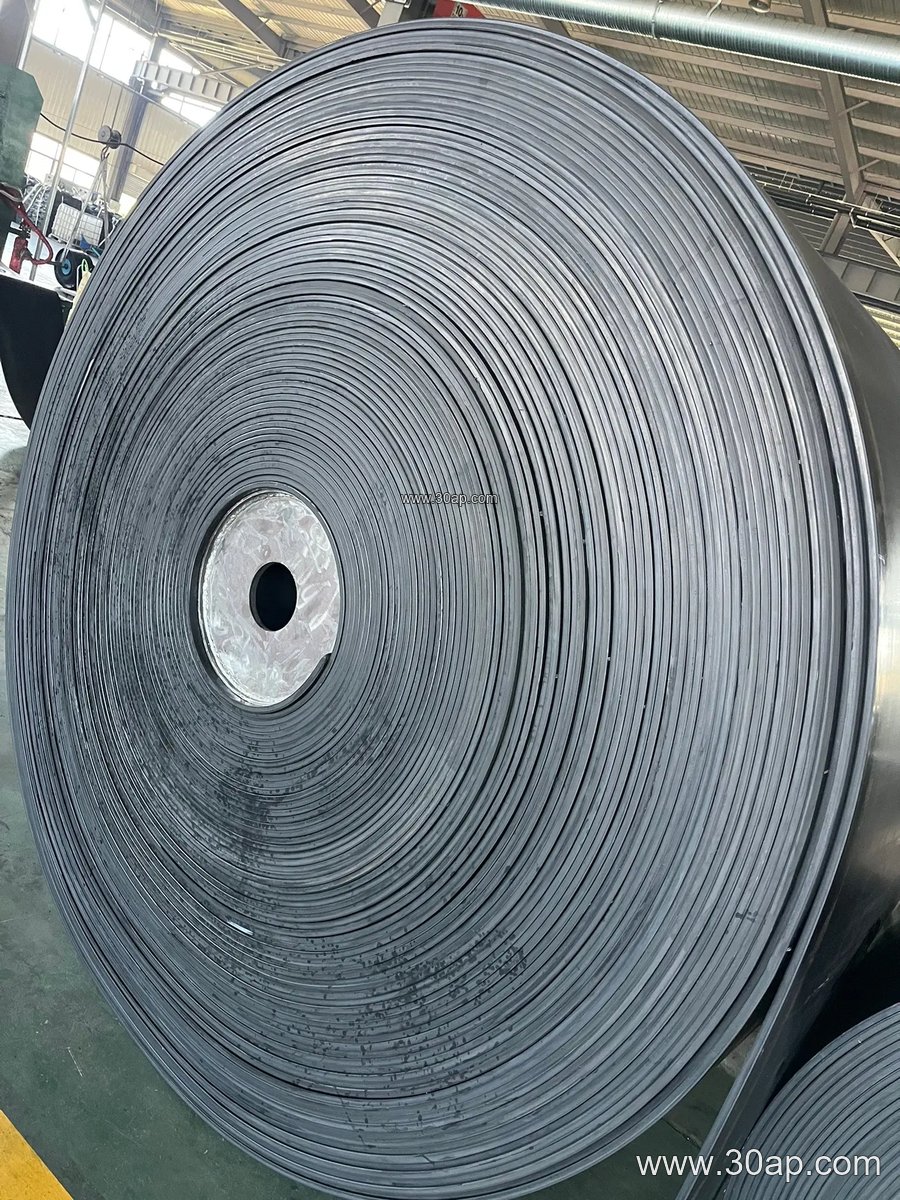
- EP fabric carcass: good fatigue resistance and low elongation, common in long overland conveyors
- NN nylon carcass: high tensile strength and excellent impact absorption
- Steel cord carcass: maximum strength for very long runs and high tonnage
- Cover rubber: abrasion resistant, heat resistant, flame retardant, oil resistant, or cold resistant grades
A typical heavy-duty structure may use 2 to 6 fabric plies with cover thickness such as 4+2 mm, 5+2 mm, or 6+2 mm, though final values are determined by design. A high abrasion resistant conveyor belt for iron ore or copper ore will usually carry a thicker top cover than a belt handling light aggregate.
Common Strength Grades and Widths
Fabric belts are often rated by tensile strength per ply. Common EP grades include EP200, EP400, EP630, EP1000, and EP1250, while NN belts appear as NN200, NN300, and NN400. Steel cord belts use ST ratings such as ST1000, ST1600, and ST2500. These are reference grades; actual selection depends on tension, load, and safety factors.
| Parameter | Typical Range | Notes |
|---|---|---|
| Belt width | B500 to B2000 | Wider belts suit high tonnage; pulley and idler roller matching is by design |
| Fabric plies | 2 to 6 | More plies add strength but increase weight |
| Cover thickness | 3+1.5 to 8+3 mm | Thicker covers resist abrasion and impact |
| Strength grade | EP200 to EP2000, ST1000 to ST3150 | Confirm with the conveyor designer |
Widths such as 800mm, 1000mm, 1200mm, 1400mm, and 1600mm are common in cement and coal mining conveyor systems. The belt width does not fix a single pulley diameter; drive, tail, and bend pulleys are sized separately according to tension and wrap angle.
Where It Works
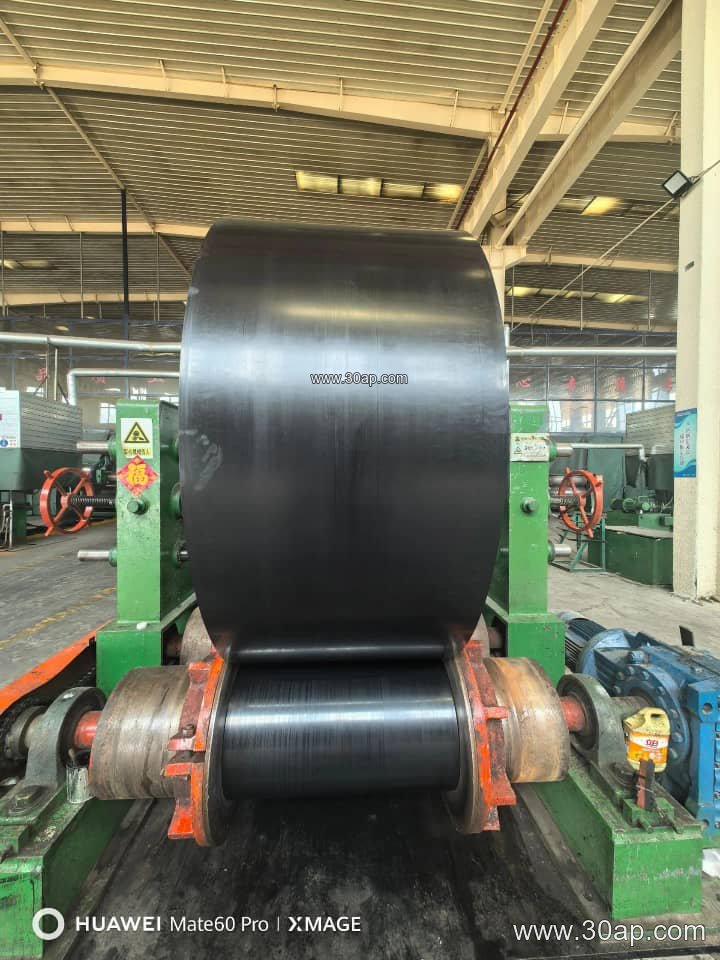
Heavy-duty mining conveyor belt service is the classic application. Underground coal mining conveyor belts must often combine flame retardant and anti-static properties, while a quarry conveyor belt or crusher conveyor belt handles sharp rock with an abrasion resistant cover. Power plant conveyor belts move coal and limestone, and port conveyor belts handle ship loading at high capacity.
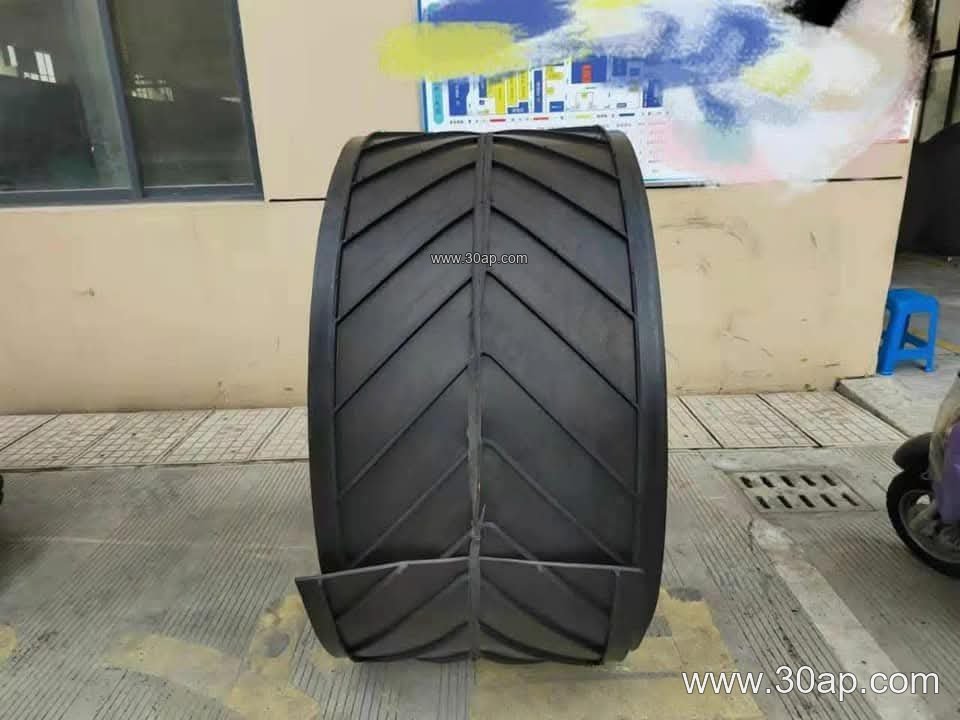
Special duties call for specific covers: heat resistant conveyor belt for cement clinker, oil resistant conveyor belt for recycled material, cold resistant conveyor belt for freezing yards, and food grade conveyor belt where hygiene matters. Chevron, skirted, corrugated sidewall, and pipe conveyor belt designs solve incline, spillage, and environmental problems, but they are separate constructions and should not be treated as direct substitutes.
What Buyers Should Check
- Confirm the required tensile grade and safety factor with the conveyor designer
- Match the cover compound to abrasion, heat, oil, or flame exposure
- Check minimum pulley diameters and transition distances for the carcass
- Review splice method, since a high strength belt often needs a vulcanized joint
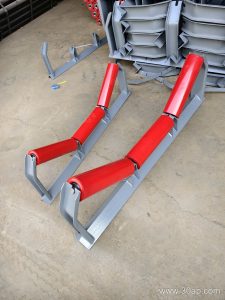
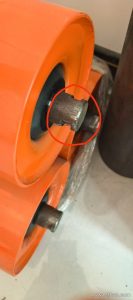
- Keep spare idler roller and conveyor pulley data on file for maintenance planning
For a long overland line, an EP1000 or EP1250 belt with a 6+2 mm cover may be appropriate, while a short transfer point might use EP400. In all cases, record the belt specification, width, and cover grade so replacement belts match the original design.