What an Acid Resistant Conveyor Belt Does
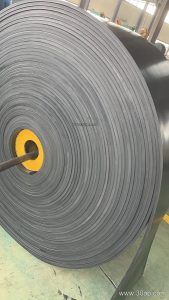
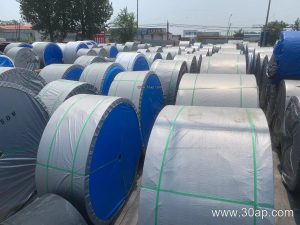
An Acid Resistant Conveyor Belt is a fabric-reinforced rubber belt built to carry material that would attack a standard belt surface. In fertilizer plants, chemical processing areas, battery recycling lines, and even some ore handling circuits, spillage and residue can be mildly to strongly acidic. A belt with a properly compounded cover slows the swelling, cracking, and cover loss that ordinary rubber would suffer. The same product is also sold as an acid and alkali resistant conveyor belt, and the two names refer to the same belt family. It should not be confused with general-purpose chemical duty belts that are aimed mainly at oils or solvents.
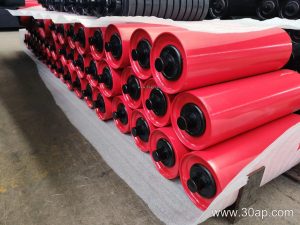
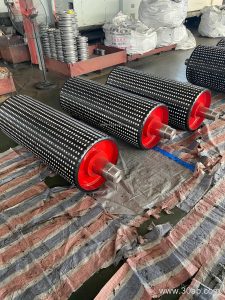
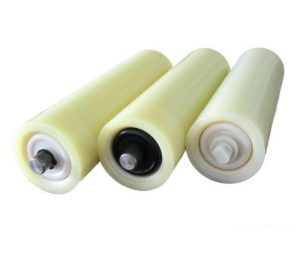
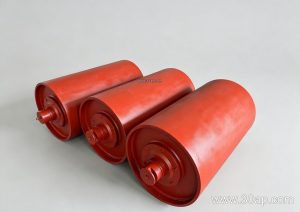
The keyword here is protection of the rubber cover, not the whole machine. Conveyor pulleys, idler rollers, and frames still need their own corrosion protection, since acid mist and wash water reach them too.
How the Belt Is Built
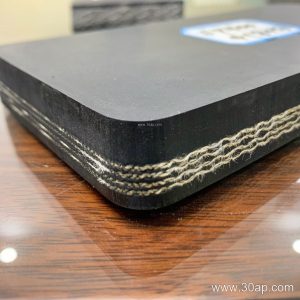
Construction follows the usual fabric belt pattern, with the cover compound changed. A typical build has:
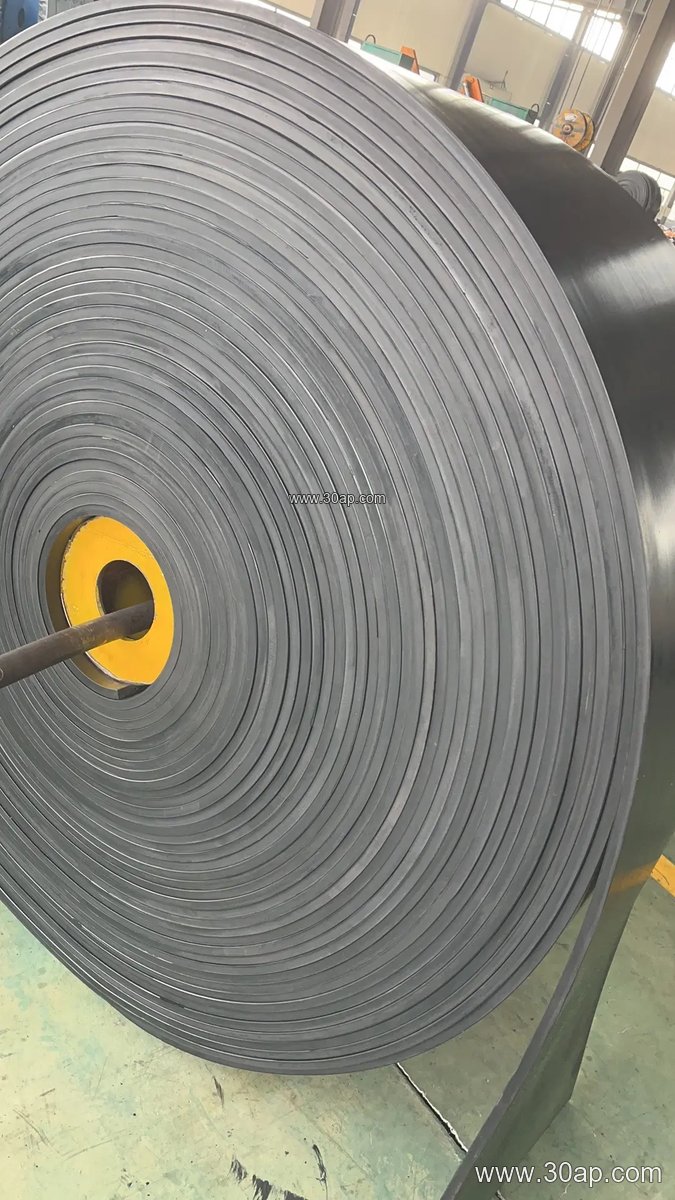
- Carcass: two to six plies of EP or NN fabric, or a steel cord core for very long hauls and high tension.
- Cover: an acid-resistant rubber compound on the carrying side, with a thinner protective layer underneath.
- Edges: cut and sealed edges, or molded edges on some designs.
Acid resistance is a cover property. The carcass still determines strength. That is why an acid-resistant belt may also be an EP conveyor belt or an NN conveyor belt underneath, and why strength figures such as EP200, EP400, or EP630 are quoted alongside the chemical rating. A buyer should ask for both pieces of information, not just the word “acid resistant.”
Where It Fits
These belts appear where acidic bulk material touches the belt surface:
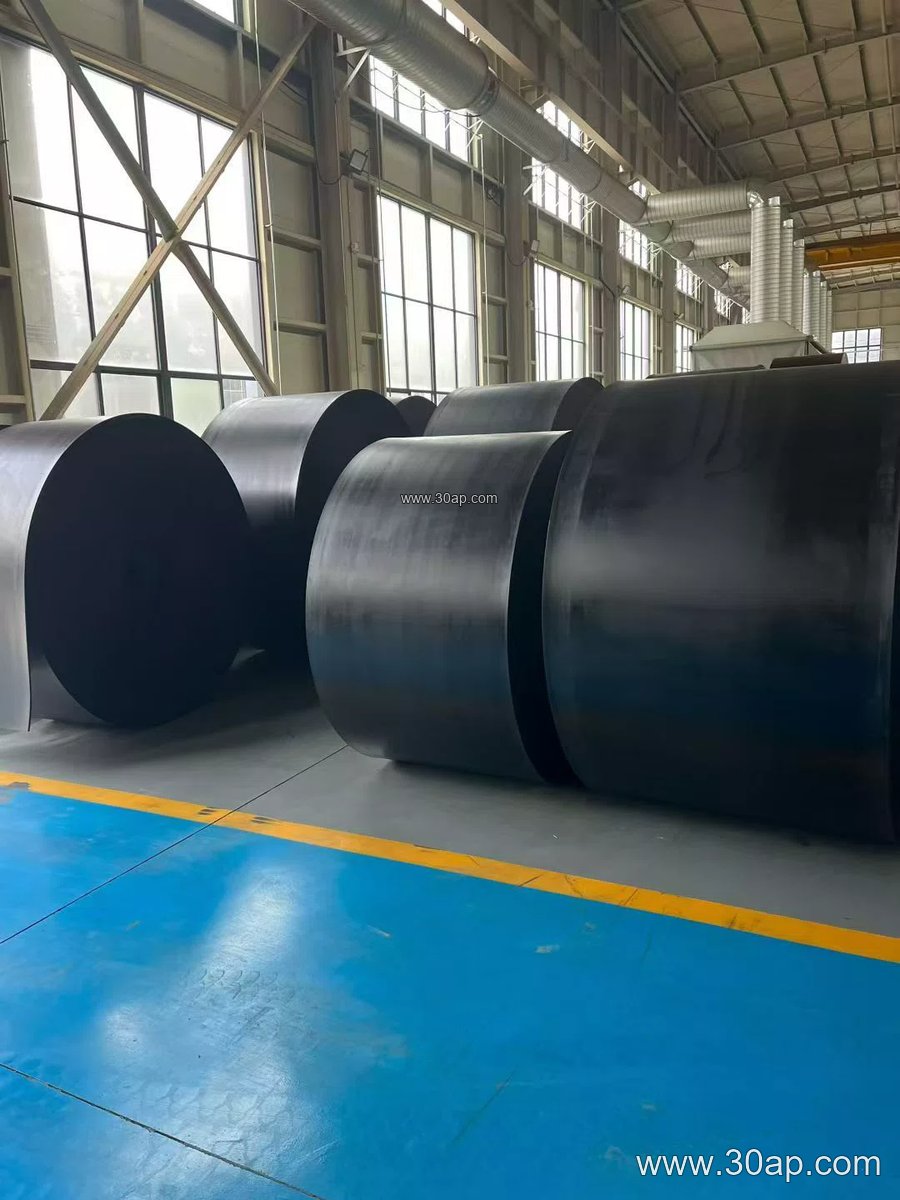
- Fertilizer and phosphate handling in chemical plants
- Battery and electronic scrap recycling lines
- Certain ore and tailings streams in mining and mineral processing
- Acid-contaminated sand, aggregate, and sludge in treatment areas
- Food and beverage plants using mild acid washdowns
In a coal mine or cement plant, acid resistance is usually not the deciding factor; there, a flame retardant conveyor belt or a heat resistant conveyor belt is chosen for fire or temperature duty. Acid resistance matters most where the material itself is corrosive, and it is often combined with abrasion resistance when the load is also sharp and heavy.
Specifications Buyers Commonly Ask About
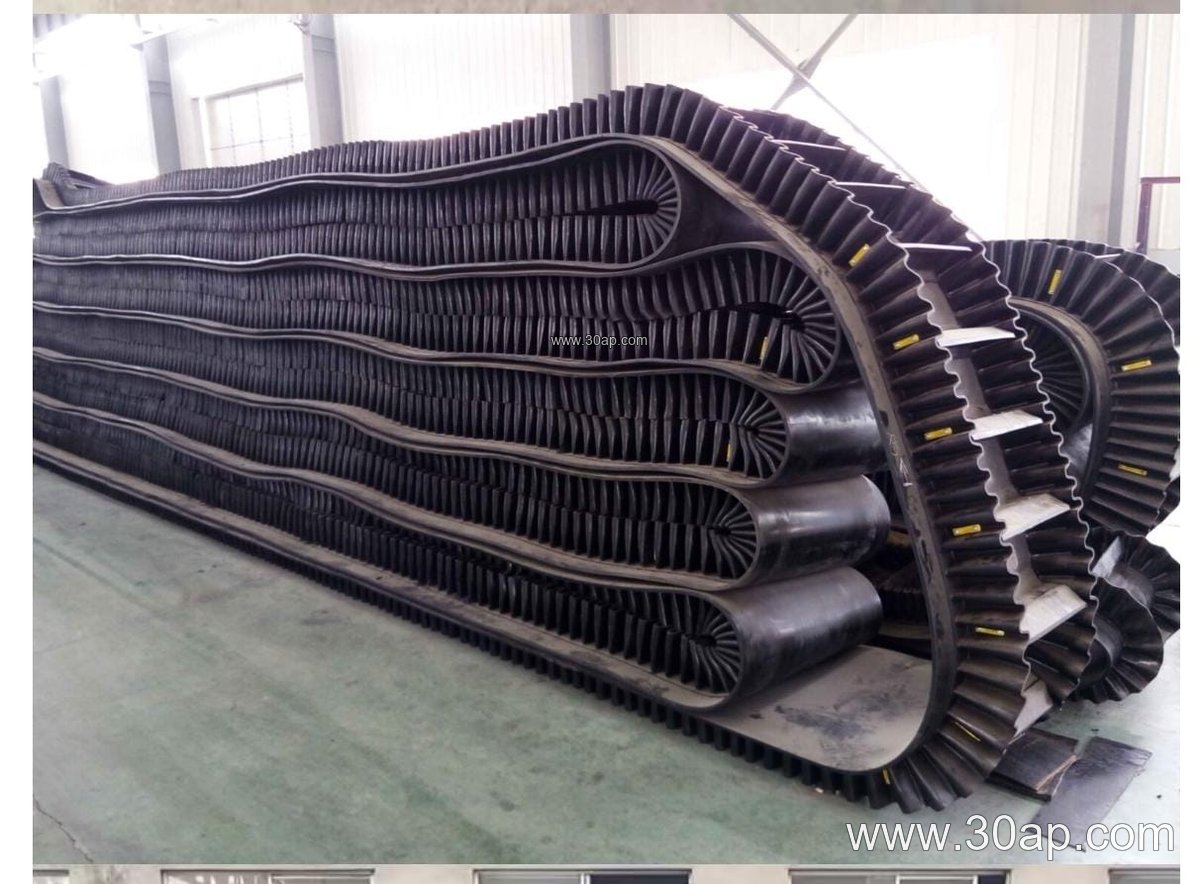
There is no single fixed size. The table below lists reference ranges that appear in ordinary product literature; final values are set by the belt designer and the manufacturer.
| Item | Common reference range |
|---|---|
| Belt width | B500, B650, B800, B1000, B1200, B1400, B1600, B1800 |
| Fabric strength grade | EP200, EP315, EP400, EP500, EP630, EP800, EP1000 |
| Cover thickness | 3+1.5 mm, 4+2 mm, 5+2 mm, 6+2 mm, 8+3 mm |
| Carcass plies | 2 to 6 layers, depending on load |
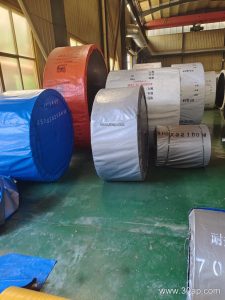
A 1000mm or 1200mm belt is common on medium-duty chemical lines, while wider belts such as 1400mm, 1600mm, or 1800mm appear on high-capacity bulk material conveyor systems. Width and strength should be matched to the conveyor design, not copied from a catalogue.
Selection and Care Notes
Start with the actual chemical. Ask what acid, at what concentration, and at what temperature. A belt that resists dilute acid at ambient temperature may not suit hot or concentrated process liquors. Check whether the load is also abrasive, oily, or hot, because that may push the choice toward a combined cover rather than a purely acid-resistant one.
On the mechanical side, confirm the bend pulley and tail pulley diameters allow the belt to flex without edge cracking, and keep idler roller spacing close enough to avoid sagging in wet, heavy material. Wash-down water should drain away rather than pool on the belt. Store spare rolls away from sunlight and chemical fumes.
Inspect covers for swelling, softening, or small cracks during routine checks. Early cover damage is much cheaper to deal with than a carcass failure, and it is the clearest sign that the belt compound is being asked to handle more than it was designed for.