What a Coal Mine Belt Conveyor Pulley Does Underground
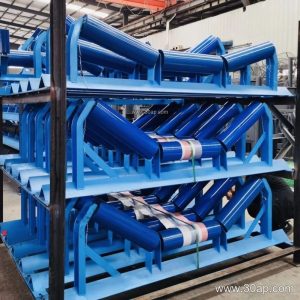
In a coal mine, the belt conveyor is the lifeline that moves raw coal from the face to the surface. At the heart of that system sits the coal mine belt conveyor pulley, a robust cylindrical component that transmits power, maintains belt tension, and guides the conveyor belt along its path. Unlike a simple idler roller that only supports the belt, this pulley is a driven or tensioning element, engineered to withstand constant abrasion, heavy loads, and often hazardous underground conditions. You will find these pulleys in drift conveyors, incline shafts, and main haulage belts where reliability is non-negotiable.
Construction and Key Components
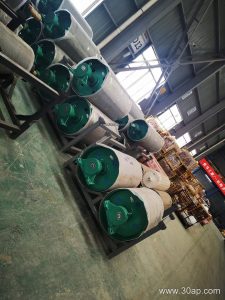
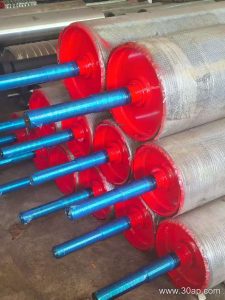
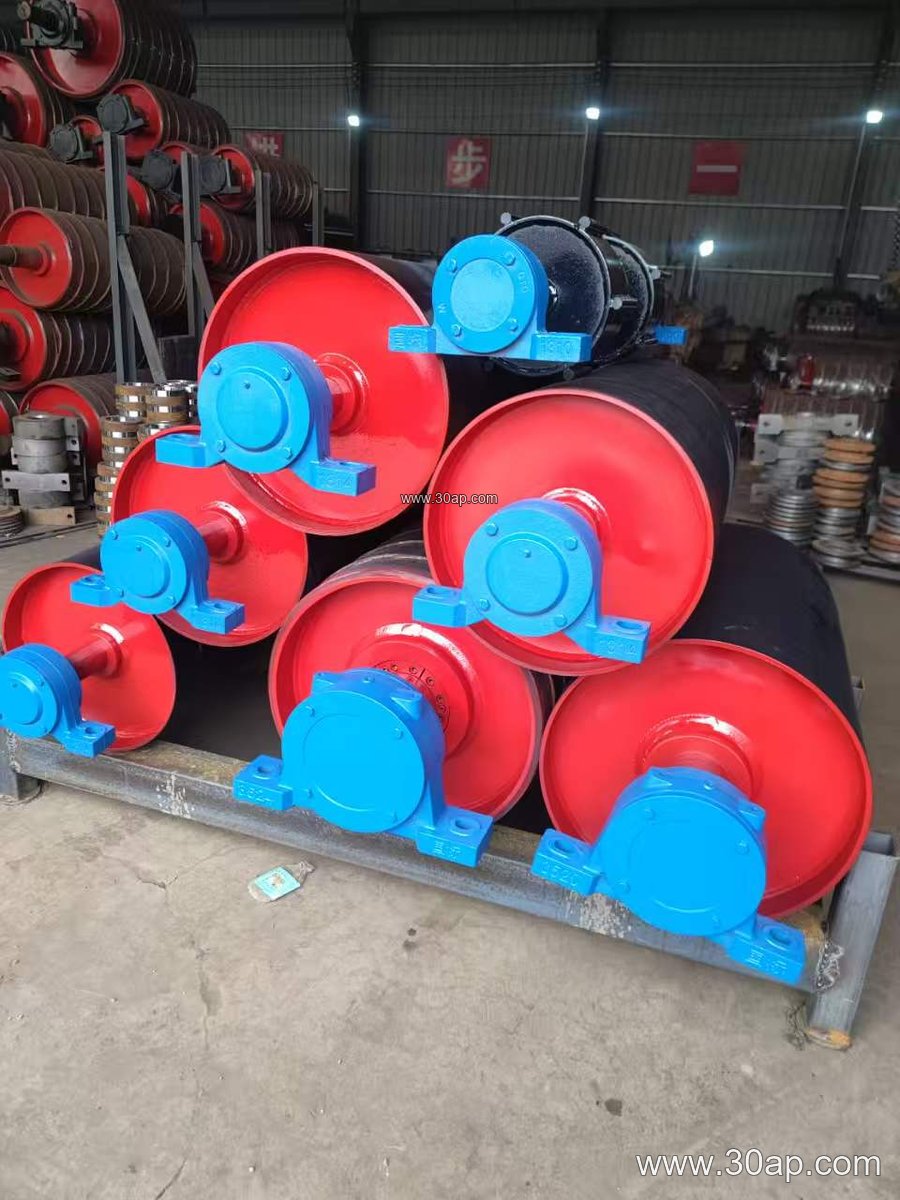
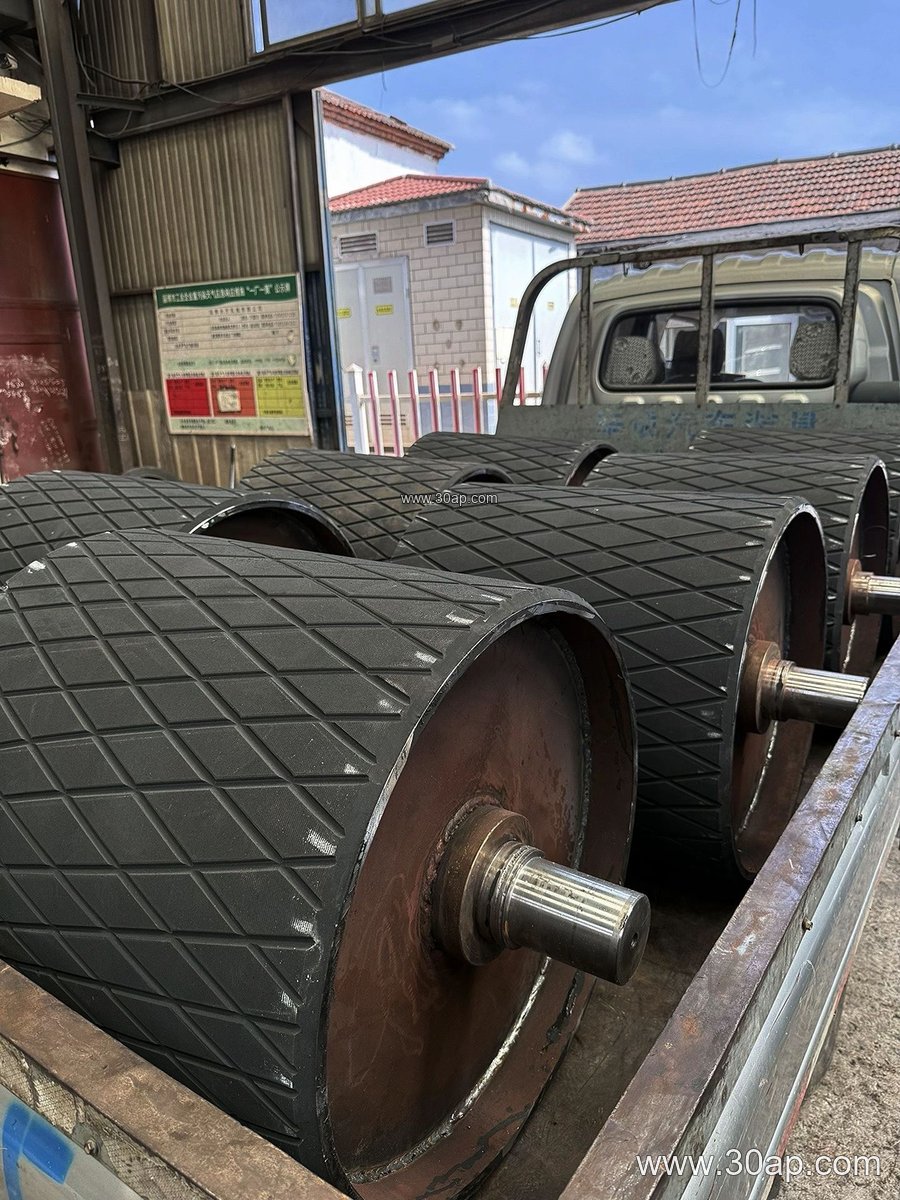
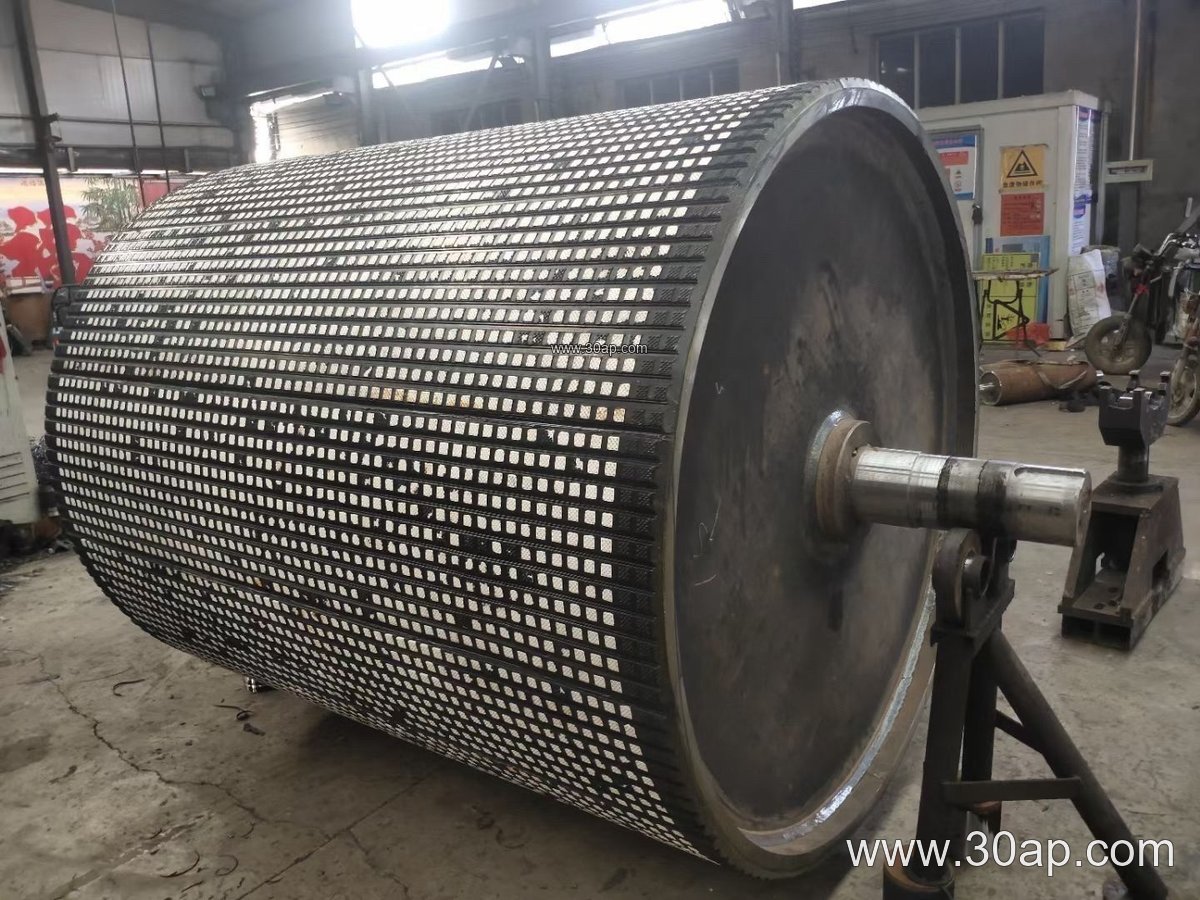
A typical coal mine belt conveyor pulley is built around a steel drum shell, with shafts extending from both ends. The shell is usually machined to a slight crown to help the belt track centrally. End discs are welded to the shell, and the shaft is keyed or shrink-fitted into the hub. Bearing housings are mounted on the shaft ends, often with labyrinth seals to keep out coal dust and water. Surface treatment varies: plain steel for light duty, or rubber lagging applied by cold bonding, hot vulcanizing, or ceramic tiles for high-traction applications. The lagging thickness commonly ranges from 8 mm to 20 mm, depending on the desired friction and wear life.
Common Pulley Types in Coal Mining
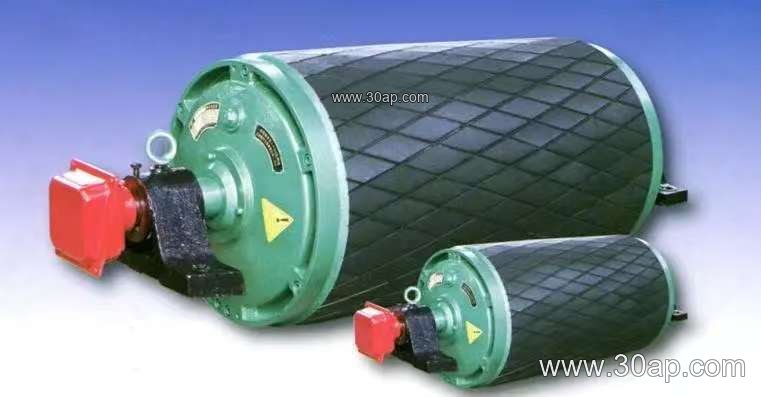
While the drive pulley (also called head pulley) powers the belt, other subtypes serve different roles. The tail pulley at the loading end redirects the returning belt; bend pulleys change the belt path around tensioning devices; take-up pulleys maintain consistent tension. These are not interchangeable—each position demands specific design features. For instance, a drive pulley needs a lagged surface for grip, whereas a bend pulley may be plain. In some compact setups, a motorized pulley (electric drum) integrates the drive inside the shell, but that is a distinct variant.
Where It Is Used Across Industries
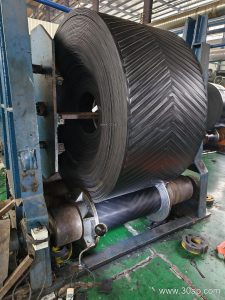
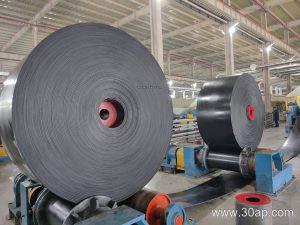
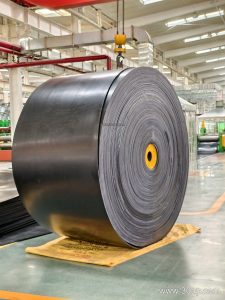
Beyond coal mines, this pulley type appears in limestone quarries, iron ore concentrators, and power plant coal handling systems. In a cement plant, it drives clinker conveyors; in a port terminal, it handles bulk cargo. The working environment dictates the specification: underground coal mining conveyors require flame retardant and anti-static properties, often matched with PVG or PVC conveyor belts. Above ground, abrasion resistant conveyor belts and steel cord conveyor belts may be paired with heavy-duty pulleys. For dusty, high-impact points, a impact resistant conveyor belt works alongside a pulley with reinforced lagging. The pulley itself does not carry the material, but its performance directly affects belt life and energy consumption.
Sizing and Selection Factors
Choosing the right coal mine belt conveyor pulley involves matching belt width, pulley diameter, shaft size, and surface profile. Belt widths from B400 to B2400 are common; the pulley face width typically exceeds the belt width by 50–100 mm to allow for misalignment. Diameter selection depends on belt tension, speed, and the required wrap angle—not on belt width alone. For example, a B800 system might use a Ø500 drive pulley, while a B1200 conveyor could employ a Ø1000 pulley, but these are not fixed rules. Shaft diameter is determined by torque and radial load, with common sizes including Ø80, Ø100, Ø120, and Ø160. Surface options include diamond lagging for wet conditions, herringbone lagging for bidirectional belts, and ceramic lagging for extreme abrasion.
| Belt Width (mm) | Typical Pulley Face Width (mm) | Common Diameter Range (mm) |
|---|---|---|
| B500 | 600 | Ø250–Ø400 |
| B800 | 950 | Ø400–Ø630 |
| B1000 | 1150 | Ø500–Ø800 |
| B1200 | 1400 | Ø630–Ø1000 |
| B1400 | 1600 | Ø800–Ø1250 |
| B1600 | 1800 | Ø1000–Ø1400 |
These values are indicative; actual selection must consider the conveyor design, belt type (e.g., EP conveyor belt, NN conveyor belt, steel cord conveyor belt), and operational duty. A high-strength conveyor belt may require a larger shaft and bearing assembly.
Buyer Checklist and Maintenance Tips
- Verify the pulley diameter and face width against the conveyor belt width and troughing angle.
- Confirm lagging type and thickness for the environment—rubber for general use, ceramic for high abrasion, and flame retardant grades for underground coal mining.
- Check shaft material and keyway dimensions; do not assume a standard shaft size from belt width alone.
- Ensure bearing seals suit dust and moisture levels; consider regreasing intervals.
- Inspect pulley alignment and belt tracking regularly; misalignment accelerates lagging wear and belt edge damage.
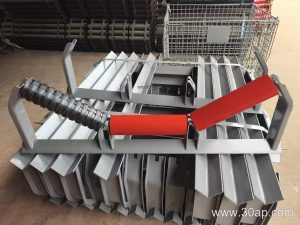
- For replacement, match the pulley’s mounting brackets and conveyor bracket interface to avoid downtime.
Regular inspection of the coal mine belt conveyor pulley—especially the lagging and bearings—prevents unplanned stoppages. In a quarry or coal preparation plant, a worn pulley can cause belt slippage, increasing energy costs and risking spillage. By understanding the pulley’s role and specifying it correctly, operators keep the entire conveyor system running smoothly, from the primary crusher to the stockpile.