What a Dual Drive Pulley Is
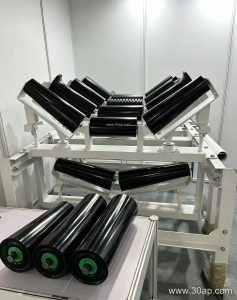
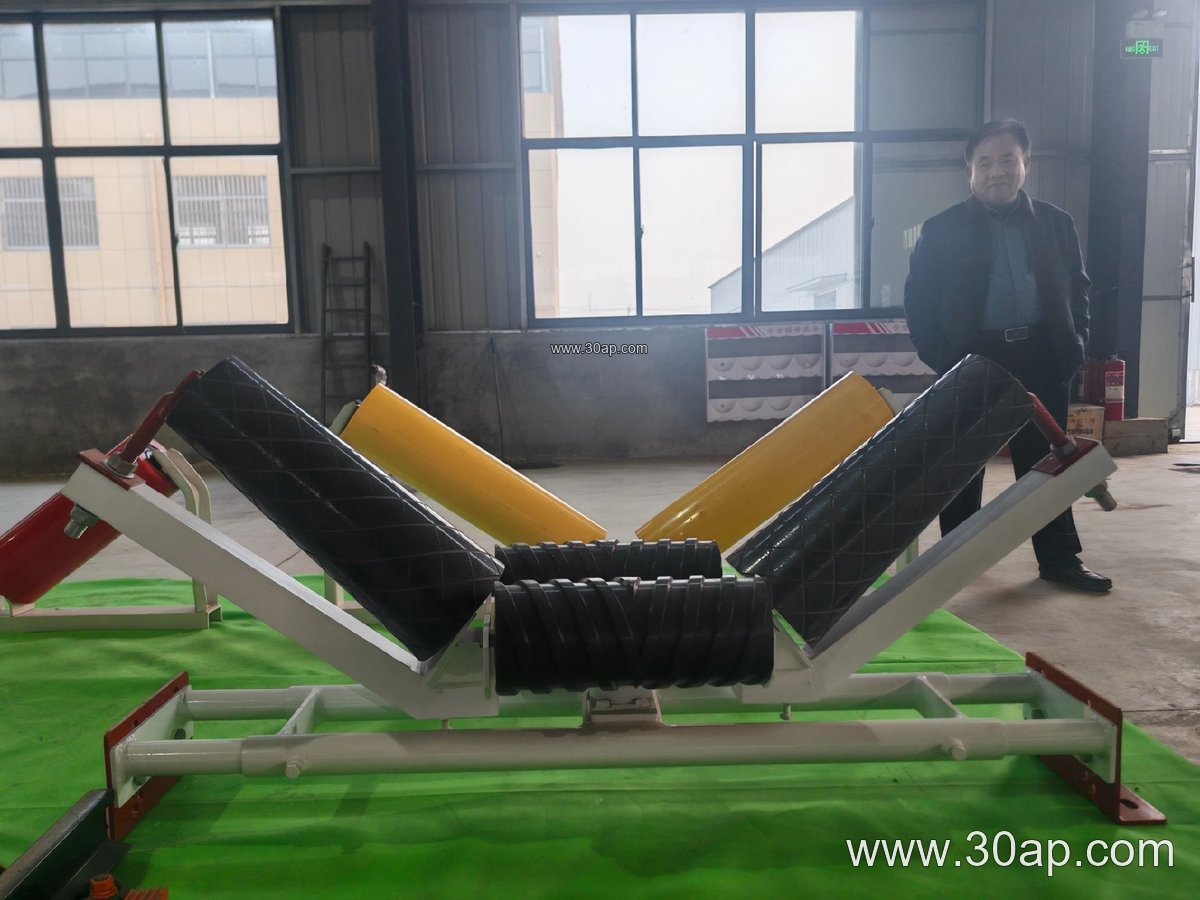
A dual drive pulley is a conveyor pulley that transmits torque to the conveyor belt through two separate drive points, typically one at each end of the pulley shaft or through a split drive arrangement. This configuration is often used when a single drive station would be too large or when the conveyor needs extra traction without over-tensioning the belt. In many bulk material handling systems, the dual drive pulley works alongside a conveyor belt, idler roller, and conveyor bracket to keep the line running smoothly.
Unlike a tail pulley or a bend pulley, which mainly guide or tension the belt, the dual drive pulley is a active component that delivers power. It is not interchangeable with a tail pulley or a bend pulley, and it should be selected as a distinct drive unit. The dual drive pulley is also known as a dual-drive conveyor pulley, and this equivalent name refers to the same product.
Construction and Surface Options
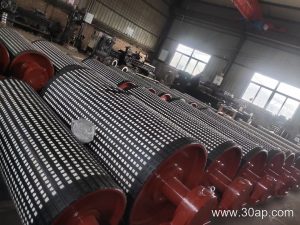
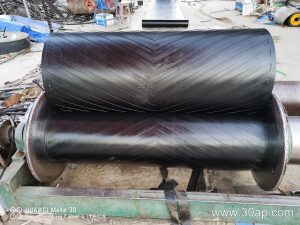
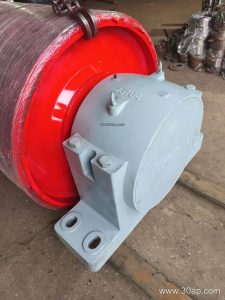
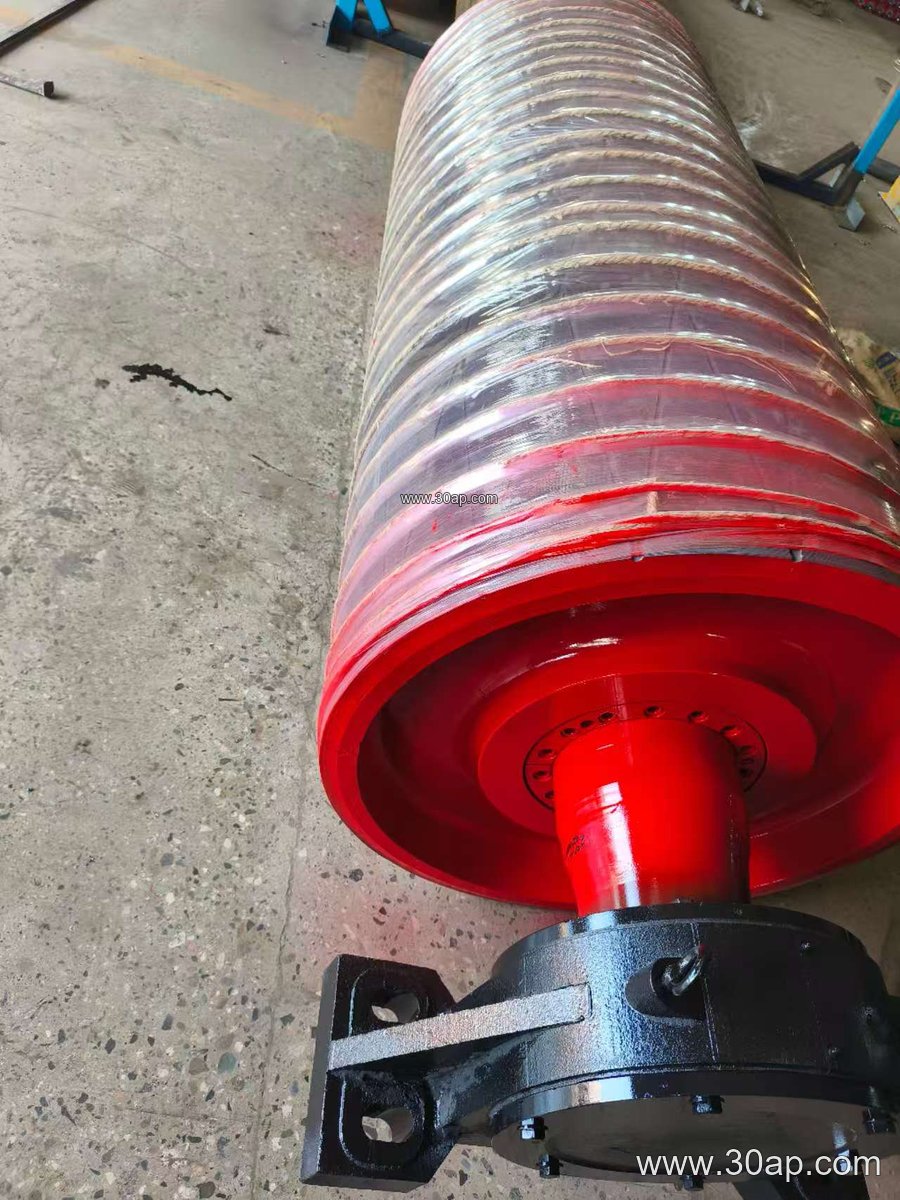
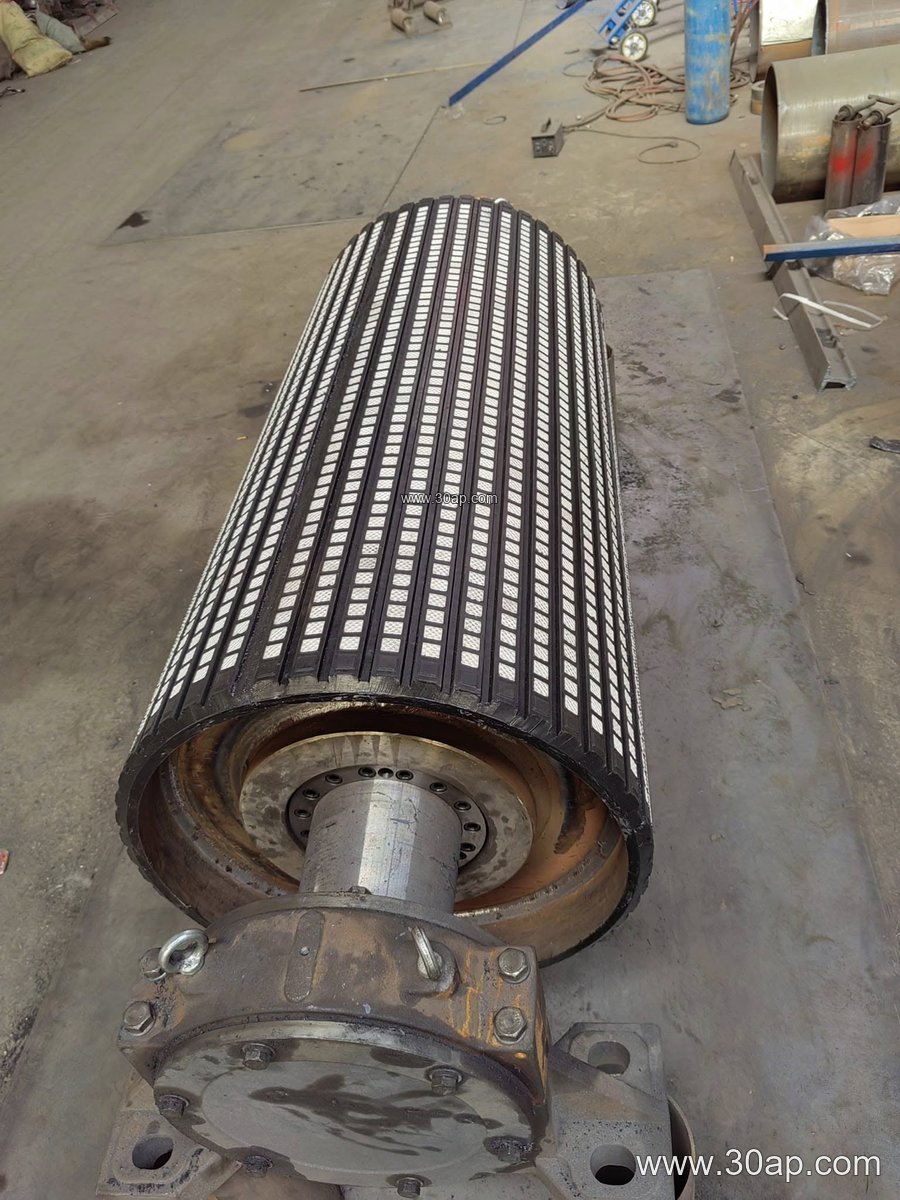
The dual drive pulley is built around a heavy-duty cylindrical shell, a shaft, and two hub assemblies that connect the shell to the shaft. The shell is usually machined to accept a lagging surface, which improves grip and reduces belt slip. Common surface forms include plain, rubber lagging, diamond lagging, and ceramic lagging. Lagging thickness often ranges from 8 mm to 20 mm, depending on the duty.
Because the dual drive pulley often operates in harsh conditions, the lagging may be selected for abrasion resistance, oil resistance, or flame retardancy. In coal mining and underground mining conveyors, a flame retardant conveyor belt is frequently paired with a dual drive pulley that has been specified for safe operation. The pulley shell width is usually slightly wider than the belt width; for example, a B1200 belt may use a pulley face width around 1400 mm, while a B800 belt may use about 950 mm. These are common references, not fixed rules.
Where It Is Used
The dual drive pulley is found in quarry conveyor lines, limestone mines, iron ore plants, copper ore operations, and aggregate conveyor systems. It also appears in cement plant clinker handling, power plant coal conveying, and port bulk material loading. In these settings, the dual drive pulley helps move heavy loads over long distances without requiring an oversized single drive.
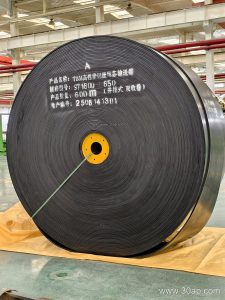
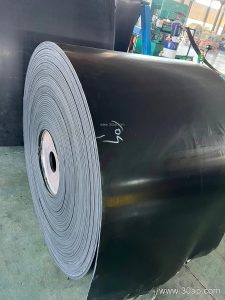
For a crusher conveyor belt or a rock conveyor belt, the dual drive pulley can provide the extra traction needed during start-up and under load. It is also useful on a pipe conveyor belt or a corrugated sidewall conveyor belt where belt tracking and tension control are critical. When the conveyor uses a steel cord conveyor belt, the dual drive pulley must be sized to handle the higher tension and torque. Similarly, an EP conveyor belt or a multi-ply fabric core conveyor belt may require a dual drive pulley with a specific lagging pattern to prevent slip.
Key Parameters and Selection Notes
Buyers should consider belt width, pulley diameter, shaft diameter, lagging type, and bearing size. The table below shows common reference combinations, but final dimensions are determined by the conveyor design and load calculations.
| Belt Width | Pulley Face Width (approx.) | Common Diameter Range | Shaft Diameter (reference) |
|---|---|---|---|
| B800 | 950 mm | Ø500–Ø800 | Ø80–Ø120 |
| B1000 | 1150 mm | Ø630–Ø1000 | Ø100–Ø140 |
| B1200 | 1400 mm | Ø800–Ø1250 | Ø120–Ø160 |
| B1400 | 1600 mm | Ø800–Ø1400 | Ø140–Ø180 |
| B1600 | 1800 mm | Ø1000–Ø1600 | Ø160–Ø200 |
Shaft diameter is not derived from belt width alone; it depends on torque, load, and the drive arrangement. A dual drive pulley for a B1200 conveyor may use a Ø1000 mm diameter with a Ø140 mm shaft, but this is an example, not a universal specification.
Maintenance and Buyer Checklist
Regular inspection of lagging wear, shaft alignment, and bearing condition helps extend the service life of a dual drive pulley. Check for belt slip and uneven wear, which may indicate incorrect lagging or tension. When replacing a drive pulley, confirm the belt type, such as abrasion resistant conveyor belt or heat resistant conveyor belt, and match the lagging compound accordingly. Ensure the pulley is compatible with the existing conveyor bracket and idler roller layout. For more information on conveyor pulleys and related components, visit shuanghuanconveyorbelt.com and shuanghuanconveyorbelt.com/conveyor-pulley.
Summary
The dual drive pulley is a robust traction solution for demanding belt conveyors in mining, cement, power, and port applications. By understanding its construction, surface options, and sizing references, buyers can select a dual drive pulley that matches their conveyor belt and operating conditions. Always confirm dimensions with the conveyor designer rather than relying on generic tables.