What a Multi-Ply Fabric Core Conveyor Belt Is
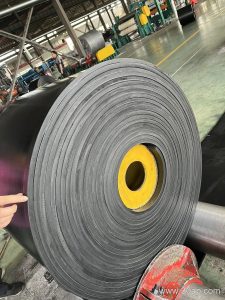
A Multi-Ply Fabric Core Conveyor Belt is a heavy-duty rubber belt built around several layers of woven fabric, usually EP (polyester-cotton) or NN (nylon-nylon) canvas, bonded together with rubber skim layers and protected by top and bottom cover rubber. The plies carry the tension, while the covers take the abrasion, impact and environmental attack. In everyday plant language this product is also called a multi-ply fabric conveyor belt or a Fabric Core Conveyor Belt, and EP and NN versions are the two most common constructions.
The number of plies is chosen to match the required strength, not simply to add thickness. A two-ply belt may suit a short aggregate transfer, while four to six plies are common on long overland lines or high-capacity primary crushing circuits. Because the carcass is fabric rather than steel cable, the belt is flexible, tolerates smaller pulley diameters reasonably well, and can be spliced on site with vulcanized or mechanical joints.
How the Belt Is Built
Each fabric ply is calendered with rubber compound, stacked to the design ply count, and consolidated under heat and pressure. Cover rubber is then applied to the load side and pulley side. Cover thickness is often written as a pair, for example 4+2 mm or 6+2 mm, meaning top cover plus bottom cover. The rubber grade is selected for the duty: abrasion resistant for quarry and sand making plant service, heat resistant near cement kilns or sintering lines, oil resistant for recycled material handling, flame retardant for coal mining conveyor systems, and anti-static where dust ignition is a concern.
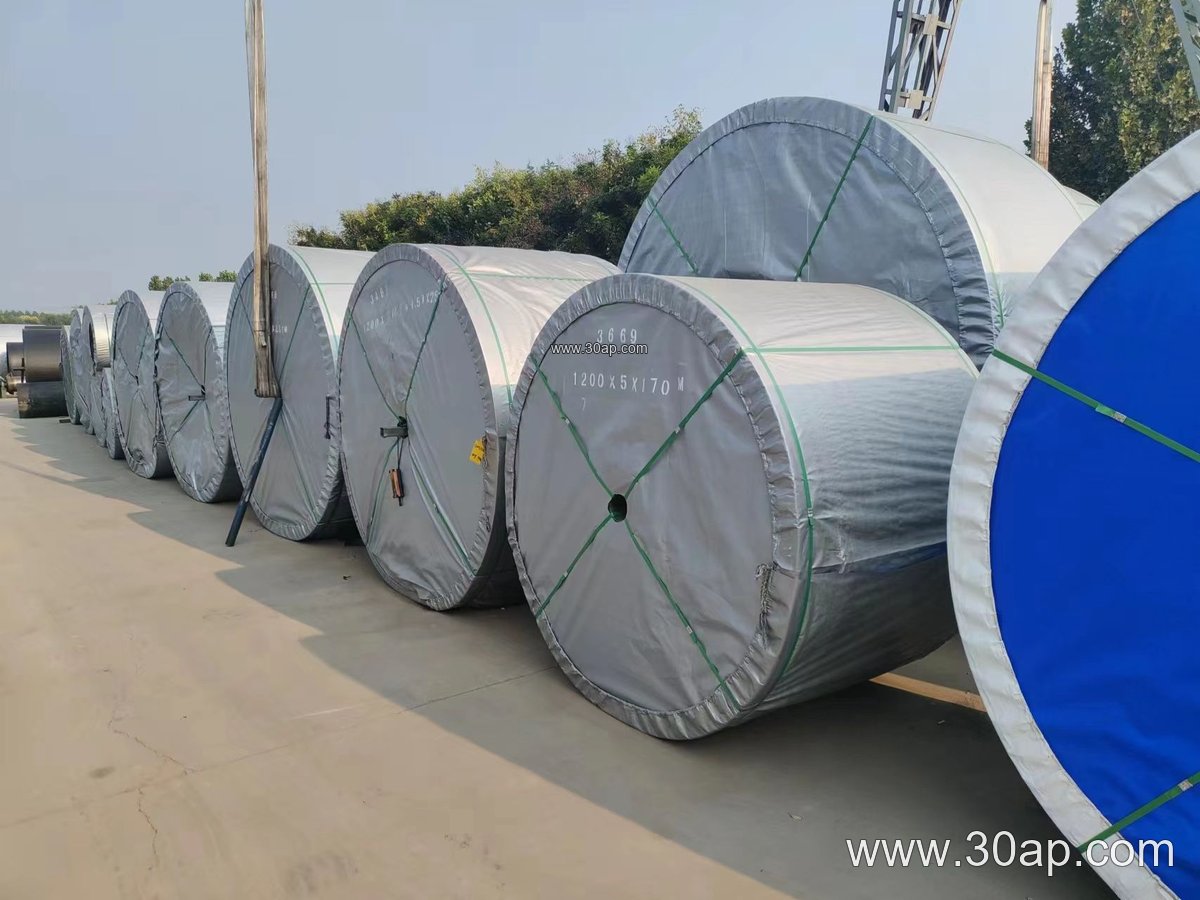
Edge construction matters as much as the ply count. Cut edges are common for general bulk material conveyor belt duty, while moulded edges reduce fraying in wet or highly abrasive service. For steep inclines, a Chevron Conveyor Belt or Corrugated Sidewall Conveyor Belt may be considered, but these are different belt designs and not substitutes for a flat multi-ply carcass.
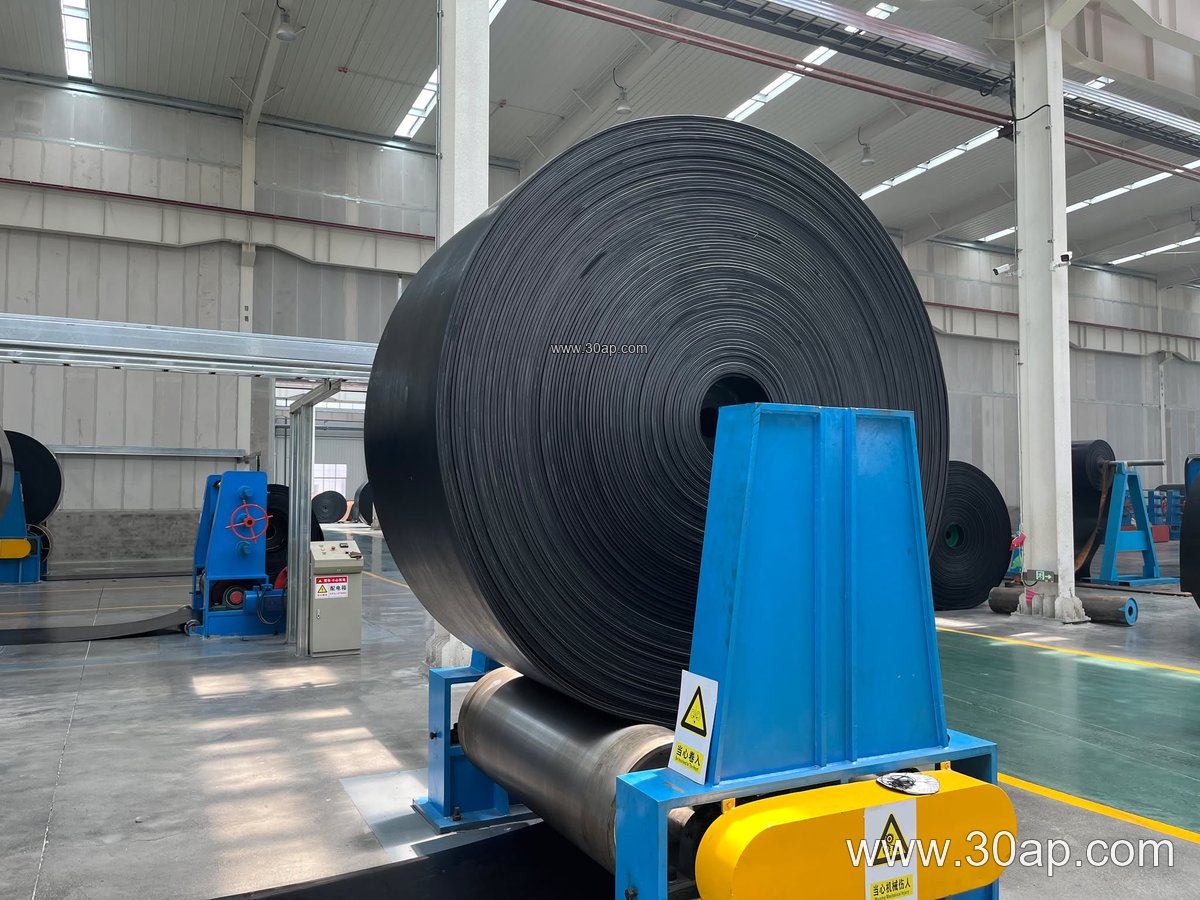
Typical Strength and Size Ranges
The table below shows common reference values. Actual construction is confirmed by the belt designer for each conveyor.
- EP series: EP200, EP315, EP400, EP500, EP630, EP800, EP1000, EP1250, EP1600, EP2000
- NN series: NN100, NN200, NN300, NN400 and higher grades by design
- Common widths: B500, B650, B800, B1000, B1200, B1400, B1600, B1800, B2000
- Cover thickness examples: 3+1.5 mm, 4+2 mm, 5+2 mm, 6+2 mm, 8+3 mm
- Carcass plies: usually 2 to 6 layers
Strength class and width are independent choices. A wider belt does not automatically require a particular pulley diameter, and shaft size must be calculated from the actual load and pulley design, never guessed from belt width alone.
Where It Fits in the Plant
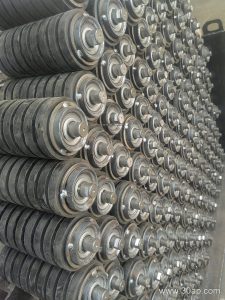
Mining, coal preparation, cement, power generation, steel plants, ports and sand and gravel operations all rely on this belt type for continuous bulk transport. It handles crushed rock, ore, clinker, limestone, coal and aggregate on troughed conveyors supported by idler rollers and driven through head and tail pulleys. Underground coal mining conveyor systems often specify flame retardant grades, while iron ore and copper ore circuits lean toward high abrasion resistant covers.
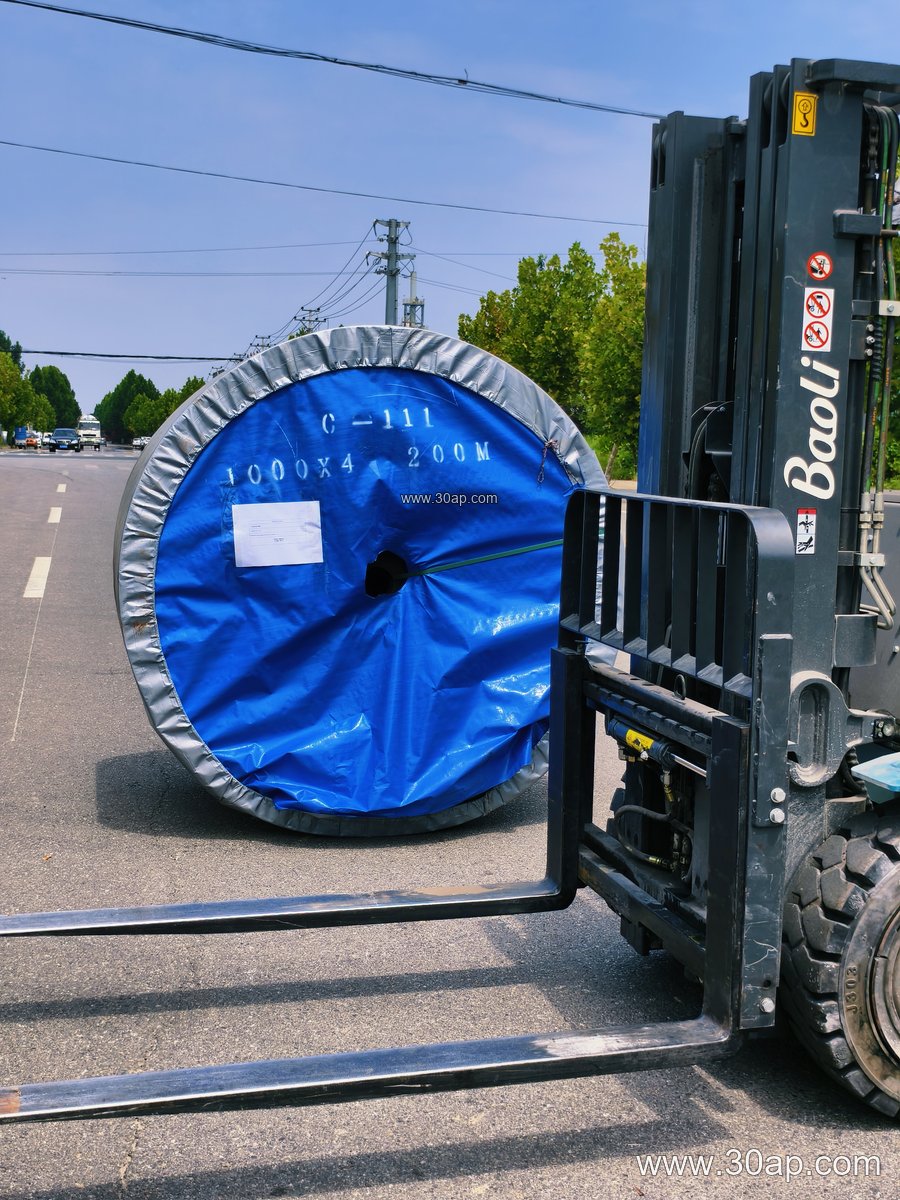
Because the carcass is flexible, a multi-ply fabric belt also works well on conveyors with relatively tight transitions, mobile crushing plants and shuttle or load-out conveyors. Where the route is very long and tension demand is extreme, a Steel Cord Conveyor Belt may be the better fit, but it is a separate product category with different splicing and pulley requirements.
What Buyers Should Confirm
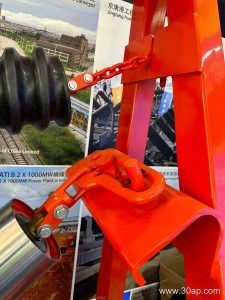
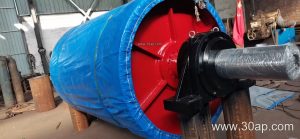
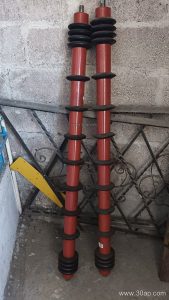
Before ordering, clarify the material being carried, lump size, belt speed, incline angle, ambient and material temperature, and whether the belt will run in a tunnel or enclosed gallery. Confirm the required tensile grade, ply count, cover thickness and rubber grade, plus the splicing method and whether an Endless Conveyor Belt is preferred for a fixed drive. Check that the conveyor pulley, idler roller and conveyor bracket layout matches the belt thickness and trough depth.
Ask for the carcass fabric type, adhesion values and edge treatment in writing. Keep spare belt and joint materials matched to the installed specification. With correct grade selection and routine inspection of covers, edges and splices, a Multi-Ply Fabric Core Conveyor Belt delivers dependable service across demanding industrial duty.