What a Coal Conveyor Idler Does on the Line
A coal conveyor idler is the rotating roller that supports the conveyor belt and the coal load along the carrying and return sides of a conveyor. On a coal mining conveyor belt, these rollers keep the belt in a stable trough, reduce sag between frames, and limit friction so the drive can move material efficiently. In a wash plant or a power plant coal yard, the same component quietly determines how often maintenance crews must stop the line. The idler roller itself looks simple, but its bearing, seal, and shell quality decide whether it survives dust, moisture, and continuous load.
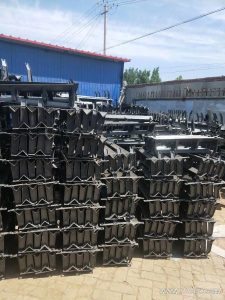
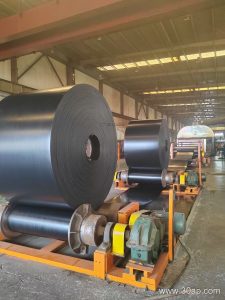
Related equipment works together with the idlers: the conveyor belt, the conveyor pulley at the head and tail, and the conveyor bracket that fixes each idler set to the frame. Drive, tail, and bend pulleys are separate components with their own duties, so they are not interchangeable with idlers. A coal conveyor idler is judged by how well it carries the belt, not by how it performs as a pulley.
How a Coal Conveyor Idler Is Built
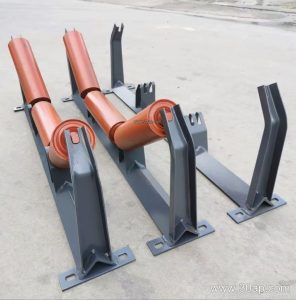
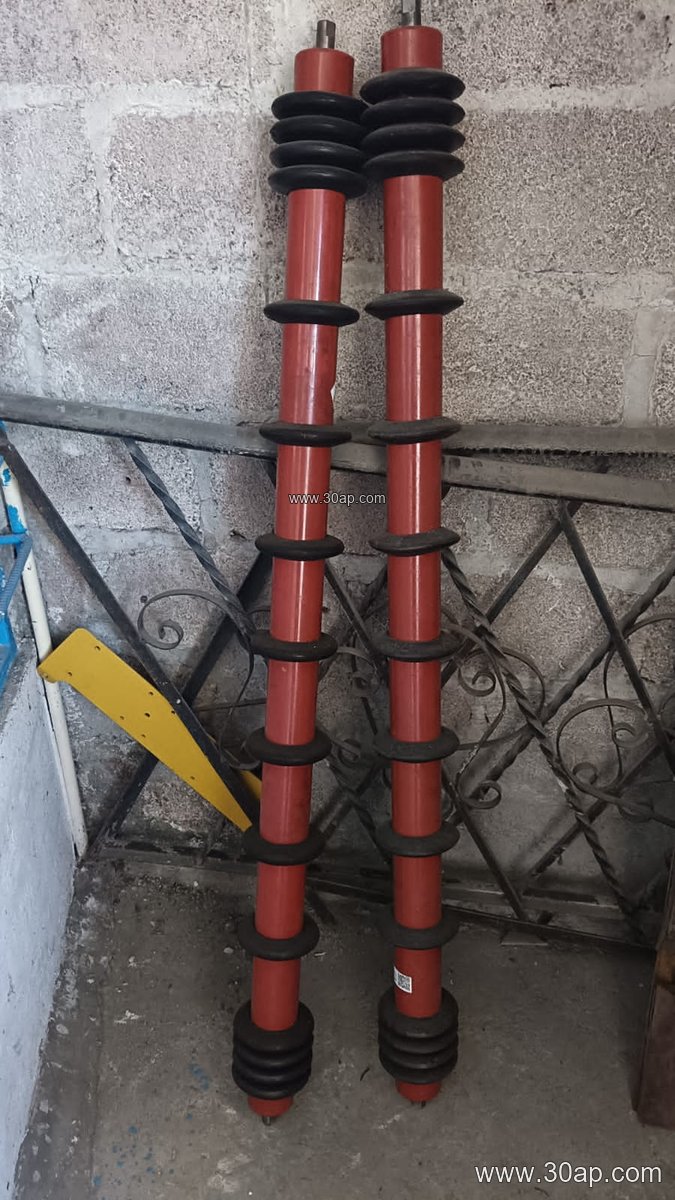
Most units use a steel tube shell, a through shaft, and one bearing at each end. The bearing sits in a housing with a labyrinth or contact seal that keeps coal dust and water away from the grease. Common bearing sizes include 6204, 6205, 6305, 6306, 6308, and 6310, and the correct match depends on load and roller diameter rather than on belt width alone. Shell surfaces may be plain steel, nylon, ceramic, or rubber rings. Rubber rings are common on impact idlers under a transfer chute, while ceramic or nylon covers are chosen where sticking and wear are concerns.
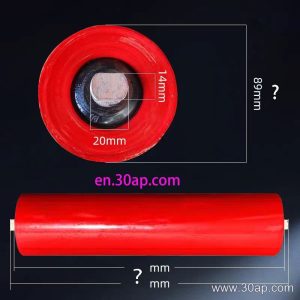
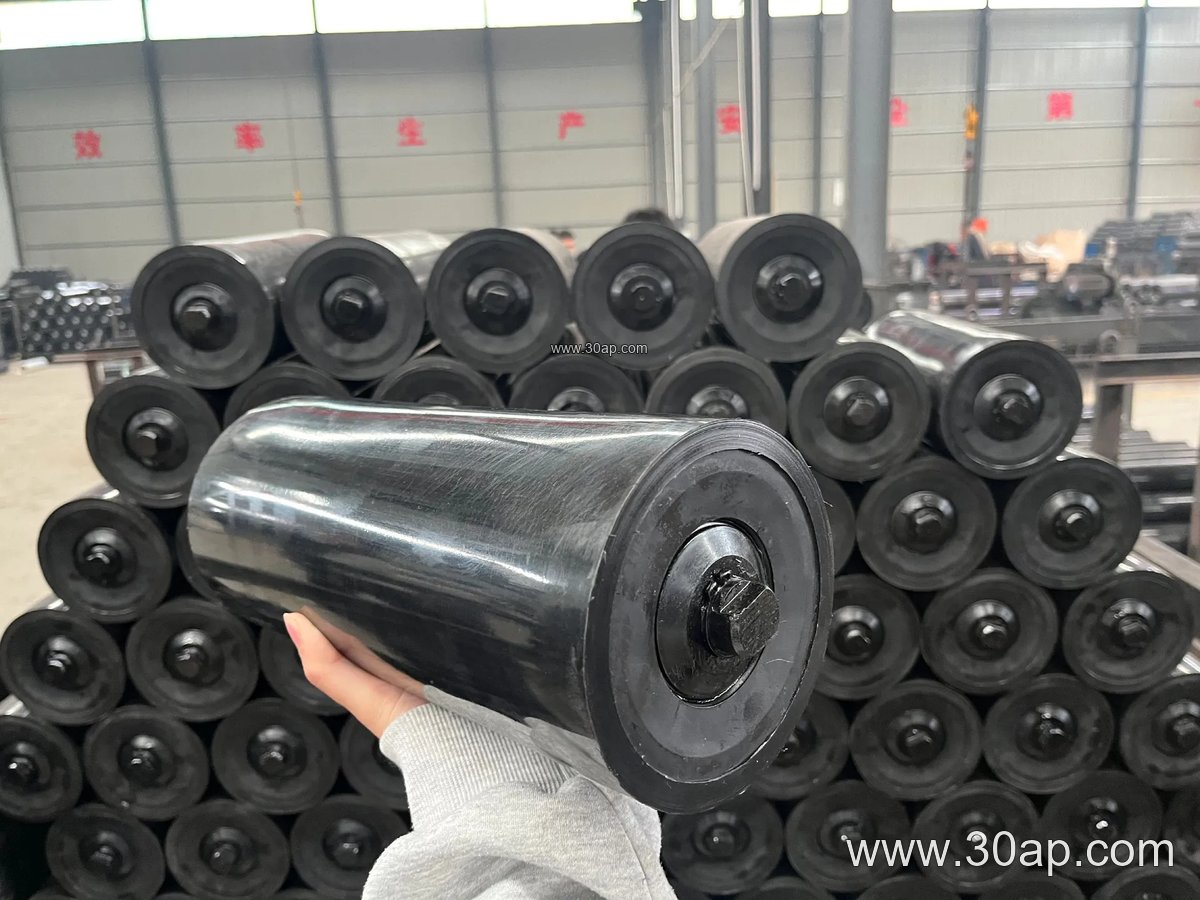
Roller diameter is usually selected from a range such as Ø63, Ø76, Ø89, Ø102, Ø108, Ø127, Ø133, Ø159, Ø178, Ø194, or Ø219 mm. Larger diameters suit heavy loads and wide belts; smaller ones fit lighter runs. Roller length follows belt width, trough angle, and the number of rolls in the set.
Common Idler Forms and Where They Sit
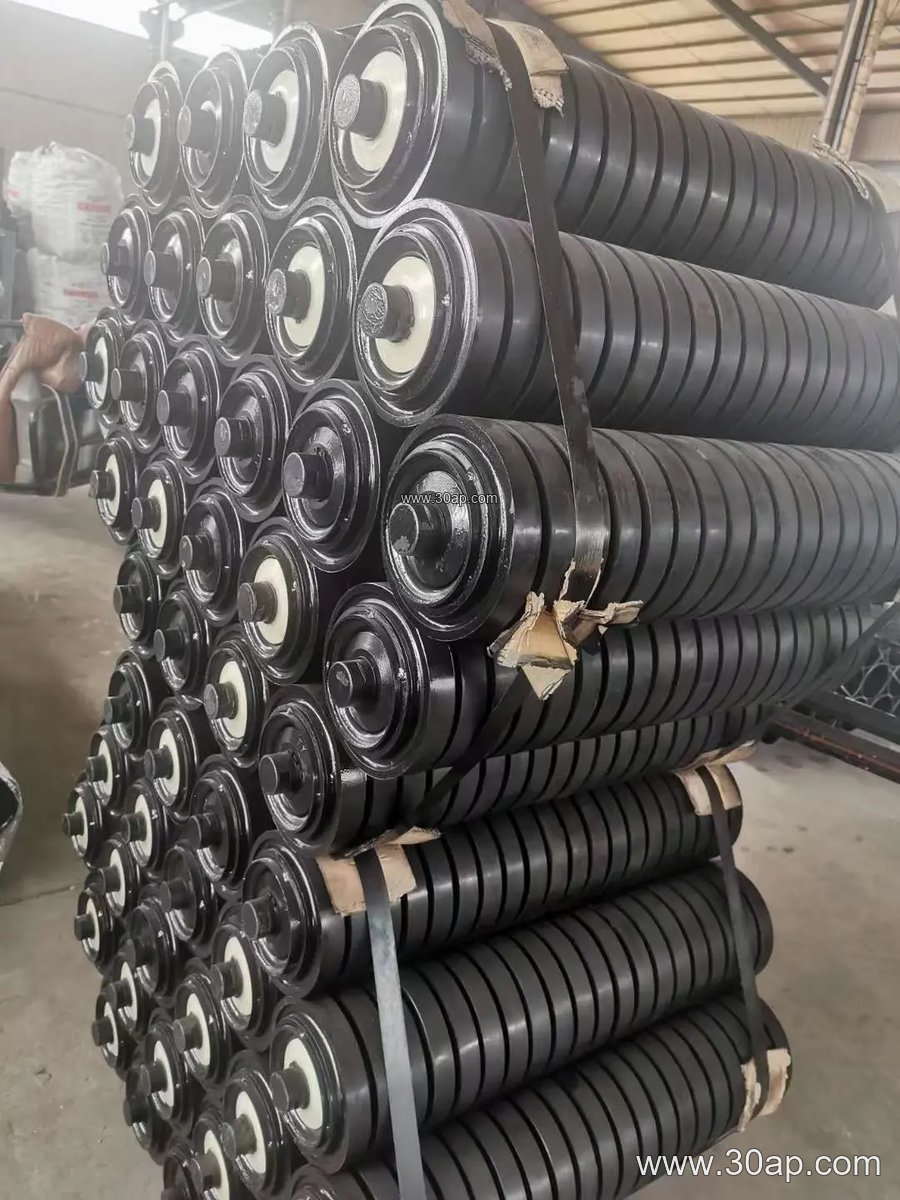
- Troughing idlers in two-roll or three-roll sets form the carrying side trough, often at 20, 30, 35, or 45 degrees.
- Impact idlers with rubber rings absorb shock below loading points.
- Return idlers, flat or V-shaped, support the empty belt.
- Self-aligning idlers with a slight forward tilt of about 1.5 to 2 degrees help correct belt wander.
- Spiral and comb idlers help shed sticky material in damp service.
Transition idlers ease the belt from flat to trough near the tail. Choosing among these forms depends on the conveyor layout, the coal size, and the amount of fines and moisture. A coal mining conveyor belt running underground may need flame retardant and anti-static properties in the belt, and the idler seals must cope with constant humidity.
Where Coal Conveyor Idlers Are Used
These rollers appear in coal mines, washing plants, stockyard conveyors, and boiler feed lines at power stations. In a cement plant or a quarry, similar idlers carry limestone and clinker, though the coal duty usually brings more fines and a higher fire risk. Port coal terminals and ship loading systems rely on long idler strings that must run for hours without attention. In each setting, the idler set works with an abrasion resistant conveyor belt or a flame retardant conveyor belt chosen for the material and the environment.
Reading Roller Dimensions Against Belt Width
Common belt widths include B400, B500, B650, B800, B1000, B1200, B1400, B1600, B1800, B2000, B2200, and B2400 mm. For a three-roll troughing set, typical roller lengths are roughly 200 mm at B500, 250 mm at B650, 315 mm at B800, 380 mm at B1000, 465 mm at B1200, 530 mm at B1400, 600 mm at B1600, 670 mm at B1800, and 750 mm at B2000. These are examples, not fixed pairs; the side rolls and center roll can differ, and the final length is set by design.
| Belt width | Typical roller length, three-roll set | Common trough angle |
|---|---|---|
| B500 | about 200 mm | 20 to 35 degrees |
| B650 | about 250 mm | 20 to 35 degrees |
| B800 | about 315 mm | 30 to 35 degrees |
| B1000 | about 380 mm | 30 to 35 degrees |
| B1200 | about 465 mm | 35 to 45 degrees |
| B1400 | about 530 mm | 35 to 45 degrees |
| B1600 | about 600 mm | 35 to 45 degrees |
Note that a 1200mm wide conveyor belt does not dictate one shaft size; the shaft and bearing are chosen from the calculated load. Buyers should confirm mounting dimensions with the conveyor bracket drawing before ordering.
What Buyers Should Check Before Ordering
Ask for the roller diameter, shell thickness, bearing model, seal type, and surface finish, and match them to the actual duty. A coal conveyor idler in a dusty transfer point benefits from better sealing than one on a clean return run. Check that the idler set fits the existing bracket spacing and that replacement rollers match the frame height. Spare parts should be ordered by dimension and bearing number, not by a vague description. Finally, keep a small stock of the most wearing positions, such as impact and transition idlers, so a stoppage does not idle the whole coal line.