What a Mining Conveyor Pulley Does
A mining conveyor pulley is the cylindrical component that drives, tensions, or redirects the conveyor belt in a bulk material handling system. In hard-rock mines, coal preparation plants, and aggregate operations, these pulleys carry the full tension of a loaded belt and must withstand abrasive dust, impact, and continuous duty. While a drive pulley transmits torque to move the belt, a tail pulley maintains tension at the return end, and a bend pulley changes the belt path without driving. Each subtype has a distinct role and should not be treated as interchangeable.
Construction and Surface Options
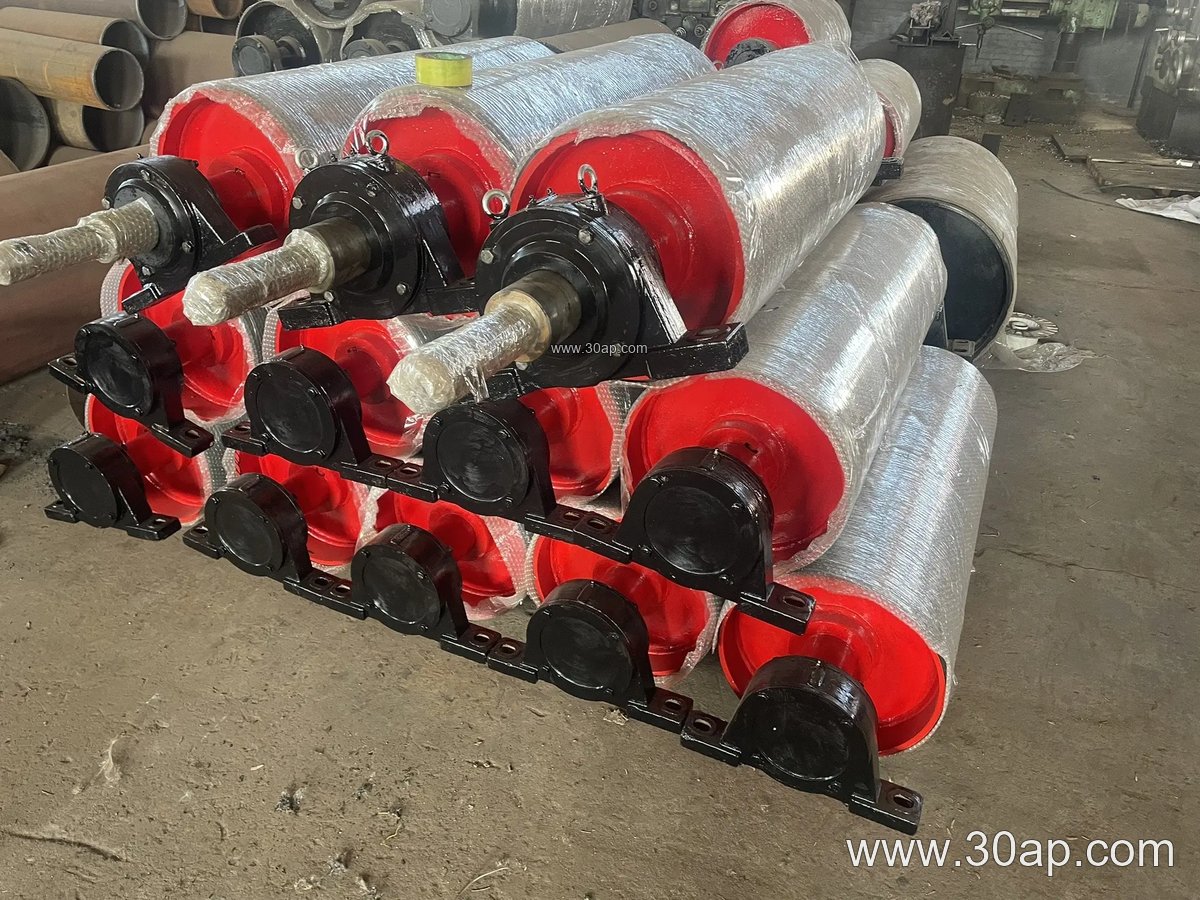
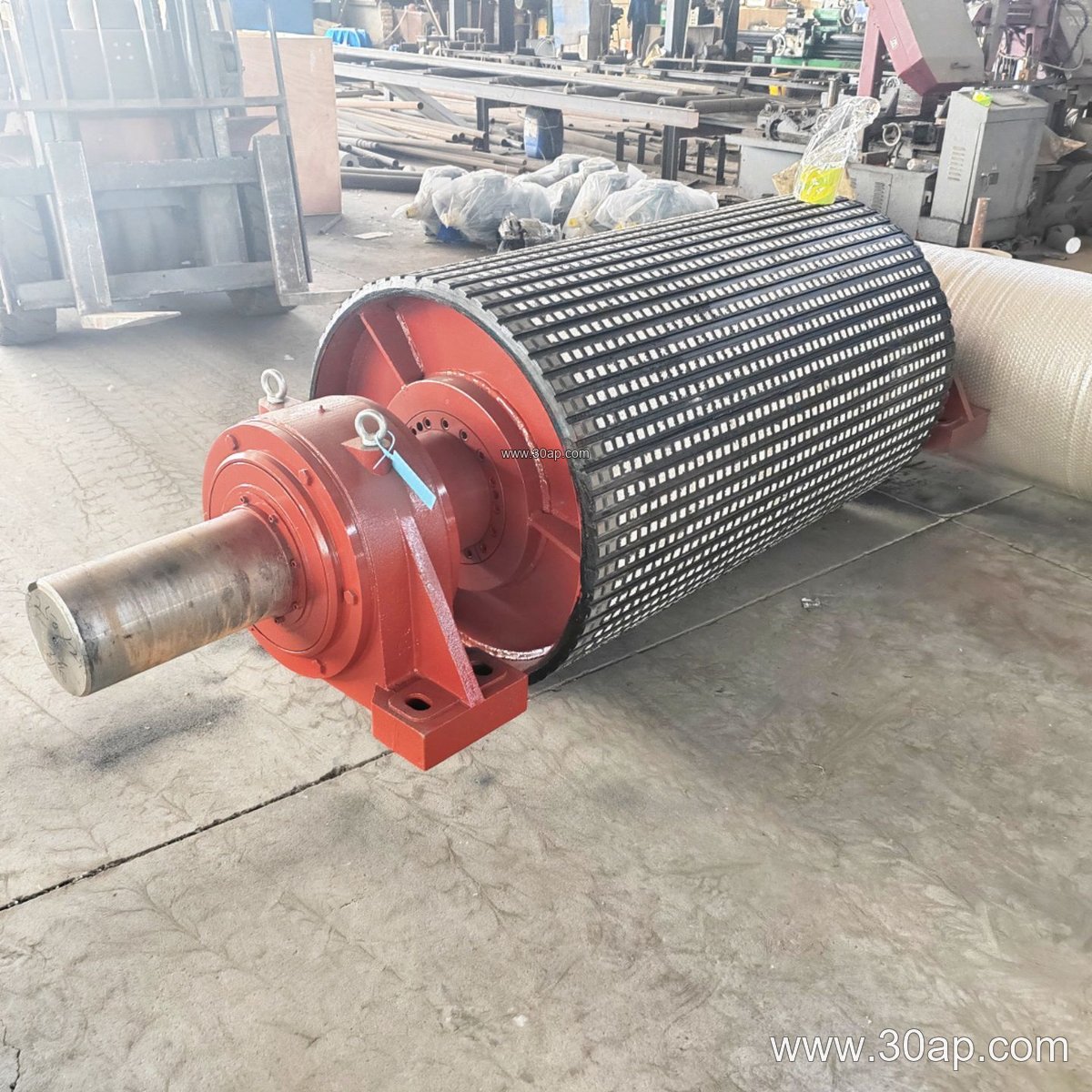
The pulley body is typically fabricated from steel pipe or rolled plate, with end discs welded to the shell and a shaft secured through hubs. Common shaft diameters include Ø80, Ø100, Ø120, Ø140, and Ø160 mm, but the final size is determined by torque and load calculations, not by belt width alone. Surface treatment directly affects grip and belt life. Plain (smooth) shells suit some non-drive positions, while rubber lagging—applied by cold bonding or hot vulcanization—improves friction on drive pulleys. Diamond groove lagging helps shed water and fines, and ceramic lagging offers high wear resistance in abrasive conditions such as iron ore or copper ore handling. Lagging thickness commonly ranges from 8 mm to 20 mm depending on duty.
Common Reference Dimensions
The table below shows typical combinations seen in specification sheets. These are reference values, not fixed rules; a B1200 belt may use different pulley diameters depending on tension and drive design.
| Belt Width | Typical Pulley Face Width | Example Diameter Range |
|---|---|---|
| B800 | ≈950 mm | Ø400–Ø630 |
| B1000 | ≈1150 mm | Ø500–Ø800 |
| B1200 | ≈1400 mm | Ø630–Ø1000 |
| B1400 | ≈1600 mm | Ø800–Ø1250 |
| B1600 | ≈1800 mm | Ø1000–Ø1400 |
Face width is usually slightly wider than the belt to accommodate misalignment. For instance, a B650 belt often pairs with a pulley face around 750 mm. Larger diameters reduce belt bending stress but increase weight and cost, so selection balances both.
Where These Pulleys Are Used
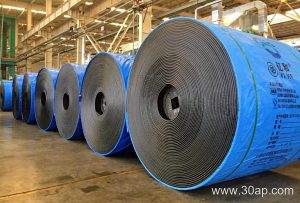
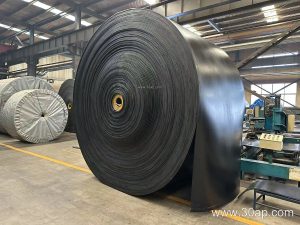
In a coal washing plant, a Mining Conveyor Pulley at the head end discharges washed coal onto a transfer chute, often lagged with rubber to maintain grip in wet conditions. In a limestone quarry, the tail pulley keeps tension on a long overland belt that may use a Steel Cord Conveyor Belt for high strength. The same pulley design principles apply in cement plants handling clinker and in power plant coal yards. When the belt carries hot material such as sinter or cement clinker, a Heat Resistant Conveyor Belt may be specified, and the pulley bearings and lagging must tolerate elevated temperatures. In underground coal mining, flame retardant belt grades are mandatory, and pulleys are often fitted with anti-static components to reduce ignition risk.
Selection and Maintenance Notes
- Match pulley type to position: Drive pulleys need lagging for traction; tail and bend pulleys may use plain or lightly lagged shells. A snub pulley increases wrap angle on the drive pulley and is a separate subtype.
- Check shaft and bearing load: Shaft diameter is calculated from torque and radial load. Do not assume a fixed shaft size from belt width alone.
- Consider belt compatibility: An EP Conveyor Belt or Multi-Ply Fabric Core Conveyor Belt has different tension requirements than a steel cord belt, affecting pulley diameter and lagging choice.
- Inspect lagging wear: Worn or glazed lagging reduces grip and can cause belt slip. Replace lagging before it damages the belt cover.
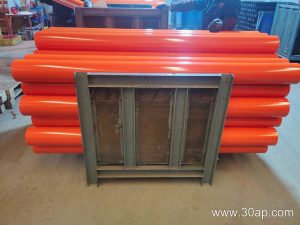
- Align and tension correctly: Poor alignment accelerates pulley and belt wear. Use conveyor brackets that allow adjustment during installation.
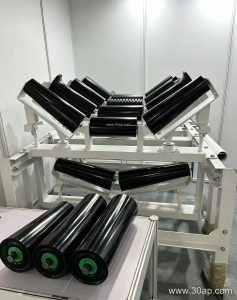
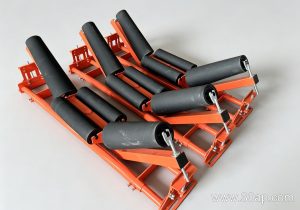
For harsh aggregate lines, an Abrasion Resistant Conveyor Belt paired with ceramic-lagged pulleys can extend service life. In cold climates, a Cold Resistant Conveyor Belt may be used, and pulley bearings should be rated for low temperatures. Whatever the application, the Mining Conveyor Pulley should be selected as part of the whole conveyor system, alongside idler rollers, brackets, and the belt itself. Buyers should request dimensional drawings, lagging specifications, and load calculations rather than relying on nominal sizes alone.