What an Iron Ore Conveyor Belt Is
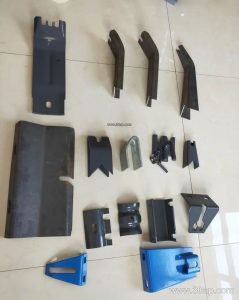
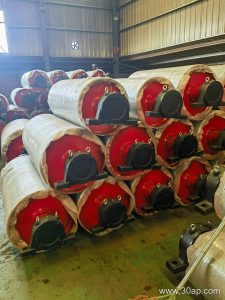
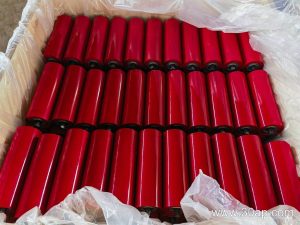
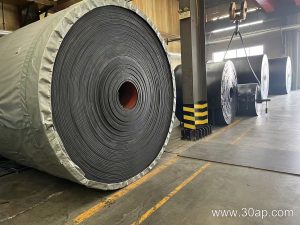
An Iron Ore Conveyor Belt is a heavy-duty rubber belt designed to transport crushed or lump iron ore across mining, processing, and port facilities. It forms the moving surface of a conveyor system, working alongside idler rollers, conveyor pulleys, and conveyor brackets to move abrasive, dense material efficiently. Unlike general-purpose belts, this ore conveyor belt is built to withstand sharp edges, high impact, and continuous wear.
In iron ore operations, the belt must handle loads that can be extremely abrasive and heavy. The Iron Ore Conveyor Belt is typically a heavy-duty mining conveyor belt, often using steel cord or high-strength fabric reinforcement. It is a specialized form of Ore Conveyor Belt tailored to the demands of iron ore handling.
Construction and Materials
The belt’s construction combines a strong carcass with protective rubber covers. Common carcass types include steel cord and multi-ply fabric. For example, an EP Conveyor Belt with polyester-nylon fabric offers good flexibility and strength, while a Steel Cord Conveyor Belt provides superior tensile strength for long distances and high loads. The cover rubber is usually an Abrasion Resistant Conveyor Belt compound, often with high abrasion resistance to handle sharp ore particles.
Other constructions may include Chevron Conveyor Belt patterns for inclined transport, or Corrugated Sidewall Conveyor Belt for steep angles. In some cases, a Pipe Conveyor Belt may be used to contain dust and protect ore from the environment. The choice depends on the specific conveyor route and material characteristics.
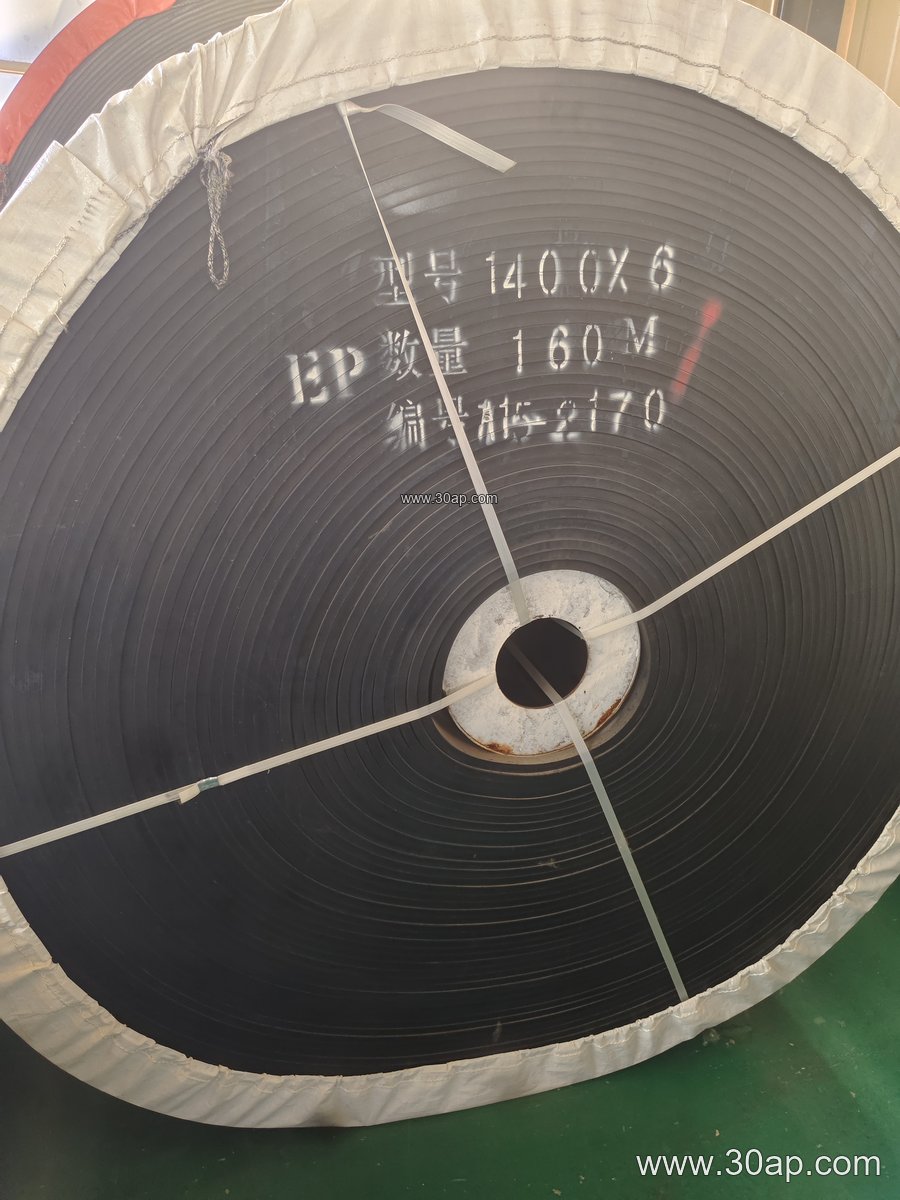
Typical Specifications
Iron ore conveyor belts are available in various strength and size ranges. The table below shows common reference values; actual specifications should be confirmed with the manufacturer based on the application.
| Parameter | Common Range | Notes |
|---|---|---|
| Belt Width | B500 to B2000 mm | Wider belts for higher capacity |
| Tensile Strength (EP) | EP200 to EP2000 | Fabric core options |
| Tensile Strength (Steel Cord) | ST1000 to ST3150 | Higher strength for long conveyors |
| Cover Thickness | 3+1.5 mm to 8+3 mm | Top and bottom cover gauges |
| Carcass Layers | 2 to 6 plies | Multi-ply fabric construction |
These values are indicative and not universal. For instance, a 1200mm wide conveyor belt might be paired with various pulley diameters depending on the conveyor design, not a fixed size. Always consult engineering specifications for the exact belt and component sizes.
Where It Is Used
The Iron Ore Conveyor Belt is essential in mining operations, from primary crushing to stockpiling and ship loading. It is found in iron ore mines, processing plants, and port terminals. Similar heavy-duty belts serve in coal mining, cement plants, power plants, and quarry operations, but the iron ore belt is specifically engineered for the abrasive nature of iron ore.
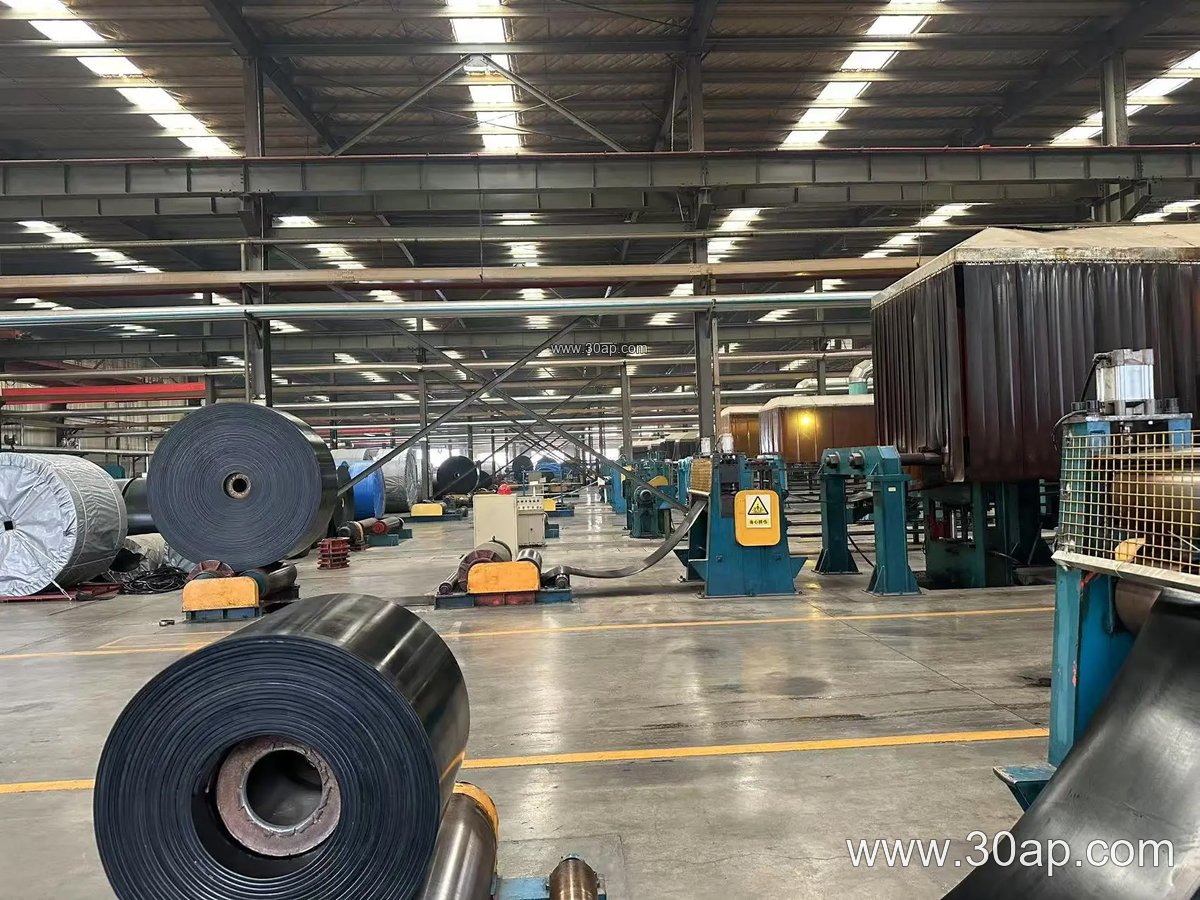
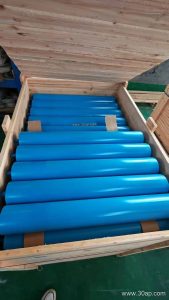
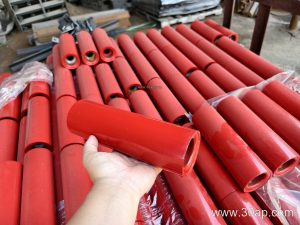
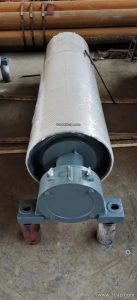
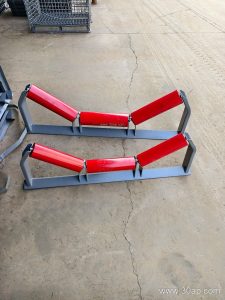
In a typical setup, the belt runs over idler rollers that support the load and conveyor pulleys that drive and redirect it. Conveyor brackets hold the idlers in place. The entire system must be robust to handle the rigors of continuous operation.
Selection and Maintenance Tips
When choosing an Iron Ore Conveyor Belt, consider the material size, lump weight, and abrasiveness. A high abrasion resistant cover is often necessary. For underground or enclosed spaces, a Flame Retardant Conveyor Belt may be required. In cold climates, a Cold Resistant Conveyor Belt helps prevent cracking.
Regular inspection of the belt, idlers, and pulleys is crucial. Look for wear on the cover, edge damage, and splice integrity. Proper tension and alignment extend belt life. Keep the belt clean and avoid material buildup on rollers. For more information on conveyor components, visit beltconveyor.com.
Remember that an Iron Ore Conveyor Belt is a critical investment. Work with experienced suppliers who can match the belt to your conveyor’s power, speed, and loading conditions. Whether you need an EP conveyor belt, a steel cord belt, or a specialized variant, ensure it meets the demands of your iron ore handling system.