What a Self-Aligning Idler Bracket Does
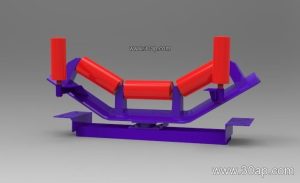
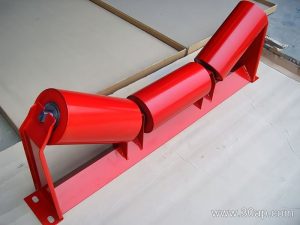
A self-aligning idler bracket is a specialized conveyor component that actively corrects belt misalignment. Unlike fixed brackets, it pivots or swivels in response to off-center belt forces, guiding the conveyor belt back to its proper path. This bracket is typically installed on the carrying side and works in tandem with idler rollers to maintain consistent tracking, reducing edge damage and spillage. In industries such as mining, cement plants, and power plants, where belt misalignment can halt production, this bracket proves invaluable. It is also known as a self-tracking idler bracket or self-centering bracket, though these terms refer to the same product.
Construction and Key Features
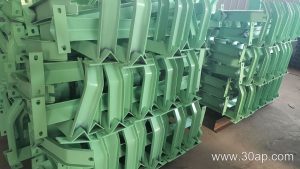
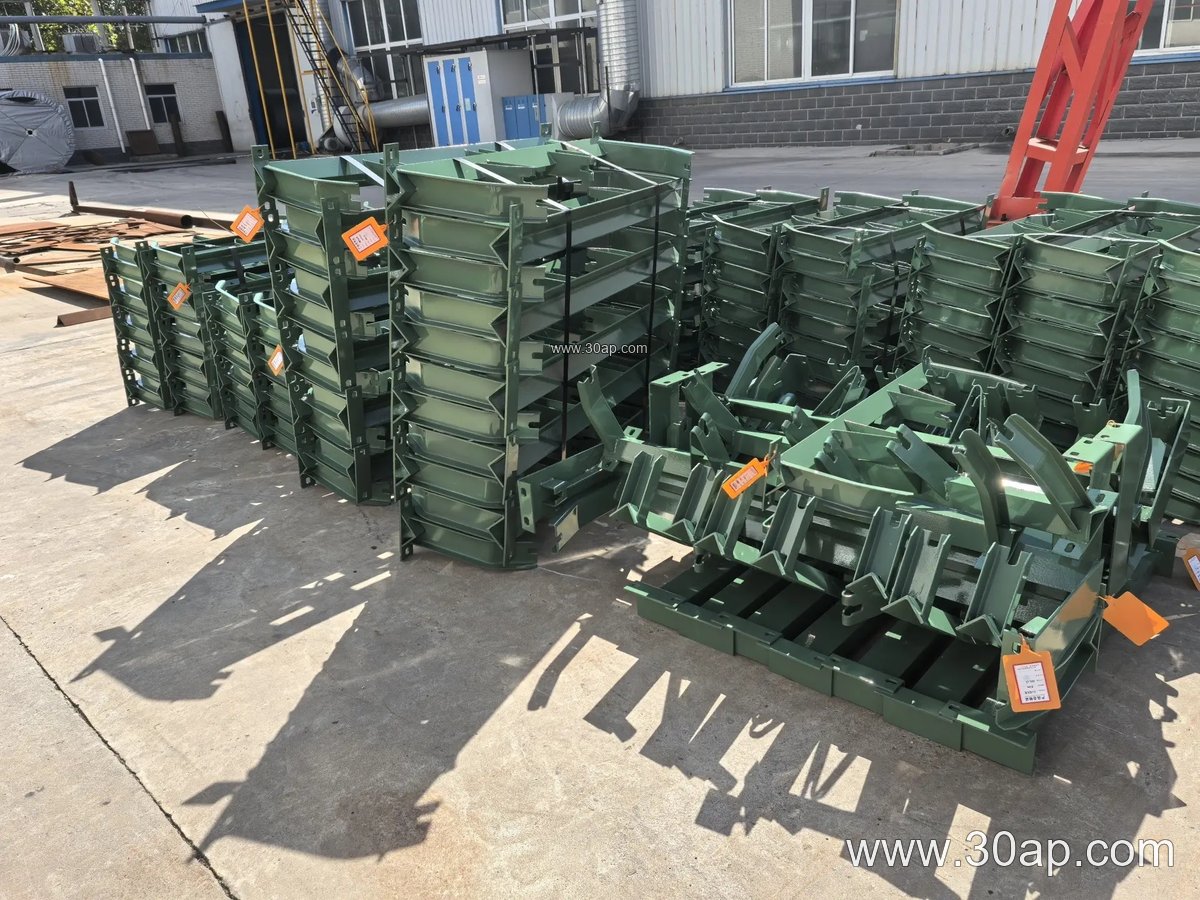
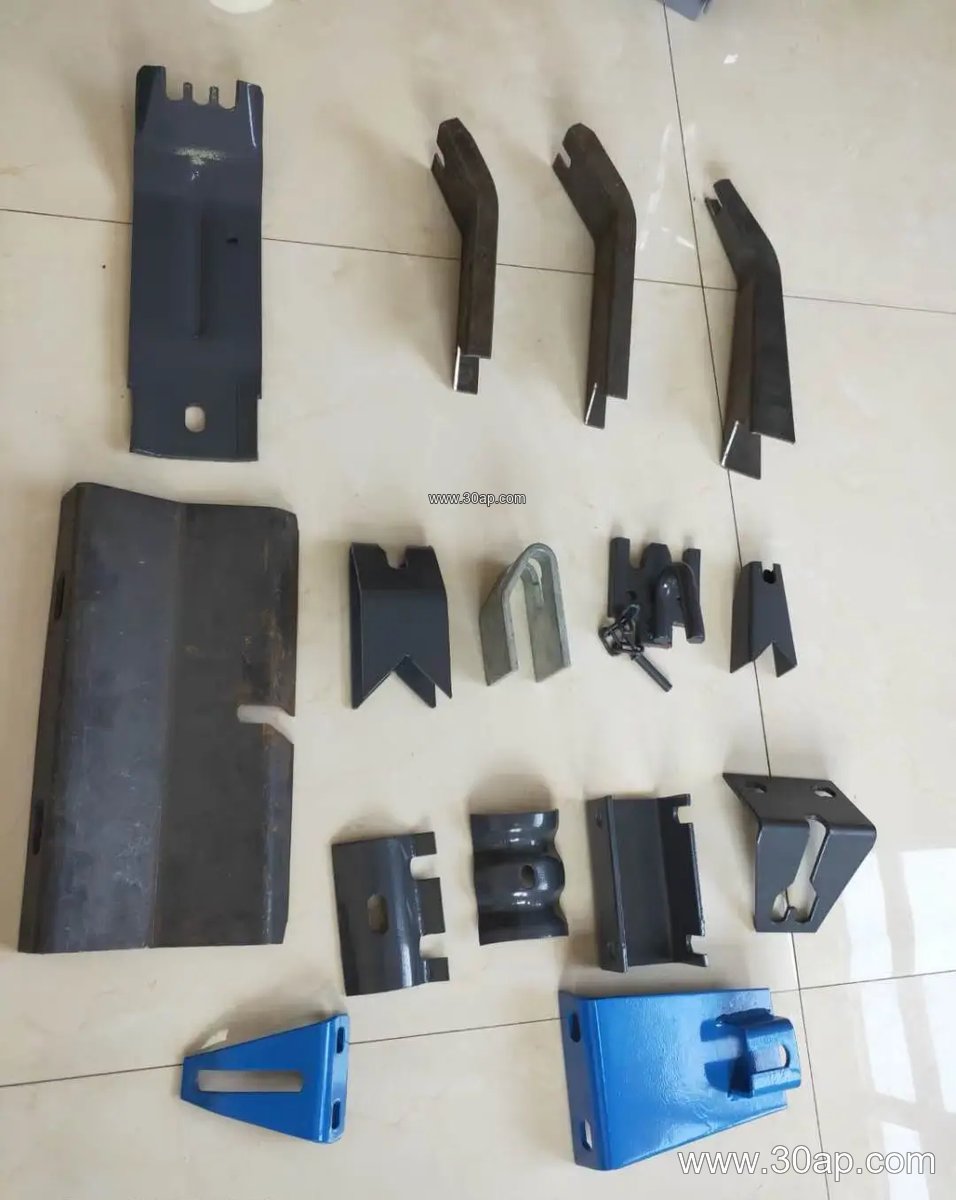
Most self-aligning idler brackets are fabricated from angle steel, channel steel, or bent steel plate for durability. The design incorporates a pivot mechanism—often a vertical shaft with bearings—that allows the bracket to rotate slightly when the belt drifts. Some models include adjustable slots to fine-tune the alignment sensitivity. The bracket is engineered to accommodate standard idler rollers, and its mounting holes match common conveyor frame dimensions. For harsh environments, such as coal mining or quarry operations, brackets may feature sealed pivots and corrosion-resistant finishes. The self-aligning action is usually achieved through a combination of forward-leaning idlers (around 1.5 to 2 degrees) and a pivot point that responds to lateral forces.
Where It Is Used
Self-aligning idler brackets are common in bulk material handling systems where belt training is critical. In a limestone quarry, they help keep the conveyor belt centered on the head and tail pulleys, preventing material spillage. At a coal-fired power plant, they ensure reliable coal transport from stockpile to boiler. Other typical applications include aggregate conveyors, cement clinker lines, and port ship-loading systems. The bracket is often paired with impact idlers at transfer points or transition idlers near pulleys, but it remains a distinct component focused on tracking rather than load support.
Selection and Sizing Considerations
Choosing the right self-aligning idler bracket depends on belt width, idler diameter, and trough angle. Common belt widths range from B500 to B2200, with brackets available for standard trough angles of 20, 30, 35, or 45 degrees. Idler roller diameters such as Ø89, Ø108, Ø133, Ø159, and Ø194 are typical. The table below lists representative combinations; however, these are not fixed pairings—actual selection should follow the conveyor design.
| Belt Width (mm) | Trough Angle (degrees) | Idler Diameter (mm) | Typical Bracket Material |
|---|---|---|---|
| B500 | 20 | Ø89 | Angle steel |
| B650 | 30 | Ø89 | Channel steel |
| B800 | 35 | Ø108 | Bent steel plate |
| B1000 | 35 | Ø133 | Channel steel |
| B1200 | 45 | Ø133 | Bent steel plate |
| B1400 | 45 | Ø159 | Channel steel |
| B1600 | 35 | Ø159 | Bent steel plate |
| B1800 | 45 | Ø194 | Channel steel |
| B2000 | 35 | Ø194 | Bent steel plate |
When specifying, consider the conveyor’s speed, load, and environmental conditions. For high-abrasion applications like iron ore or copper ore handling, a robust bracket with reinforced pivot points is advisable. The bracket’s mounting hole spacing and crossbeam length are determined by belt width and trough angle, so always confirm dimensions with the conveyor frame design.
Installation and Maintenance Tips
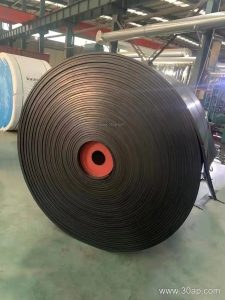
Proper installation is key to self-aligning performance. Mount the bracket square to the conveyor centerline and ensure the pivot moves freely. Lubricate pivot points according to the manufacturer’s schedule, and inspect for wear or material buildup that could hinder movement. In dusty environments such as grain silos or fertilizer plants, periodic cleaning prevents jamming. Pair the bracket with quality idler rollers and a compatible conveyor belt—for instance, an abrasion-resistant conveyor belt in a crusher circuit or a flame-retardant conveyor belt in underground coal mining—to maximize tracking efficiency. Remember that self-aligning brackets complement, but do not replace, proper belt tensioning and pulley alignment.
For reliable belt training in demanding industries, selecting the correct self-aligning idler bracket and maintaining it regularly will reduce downtime and extend conveyor belt life. Whether you operate a sandstone production line or a steel plant, this component plays a vital role in keeping materials moving smoothly.